In 2026, the divide between the amateur influencer and the professional creator brand isn't just about follower counts; it's about operational efficiency. We have entered the era of the "systematized creator." While the 2024 landscape relied heavily on "vibes" and manual editing, the leading voices today are building robust content production systems that turn raw ideas into million-view masterpieces using a sophisticated stack of AI agents and knowledge management tools. By leveraging the power of Claude Code and Obsidian, creators are no longer just making videos; they are engineering attention at scale.
The 2026 Pivot: From 'Vibes' to Systems-Driven Production
Scaling content requires shifting from creative vibes to building automated systems for creator brands.
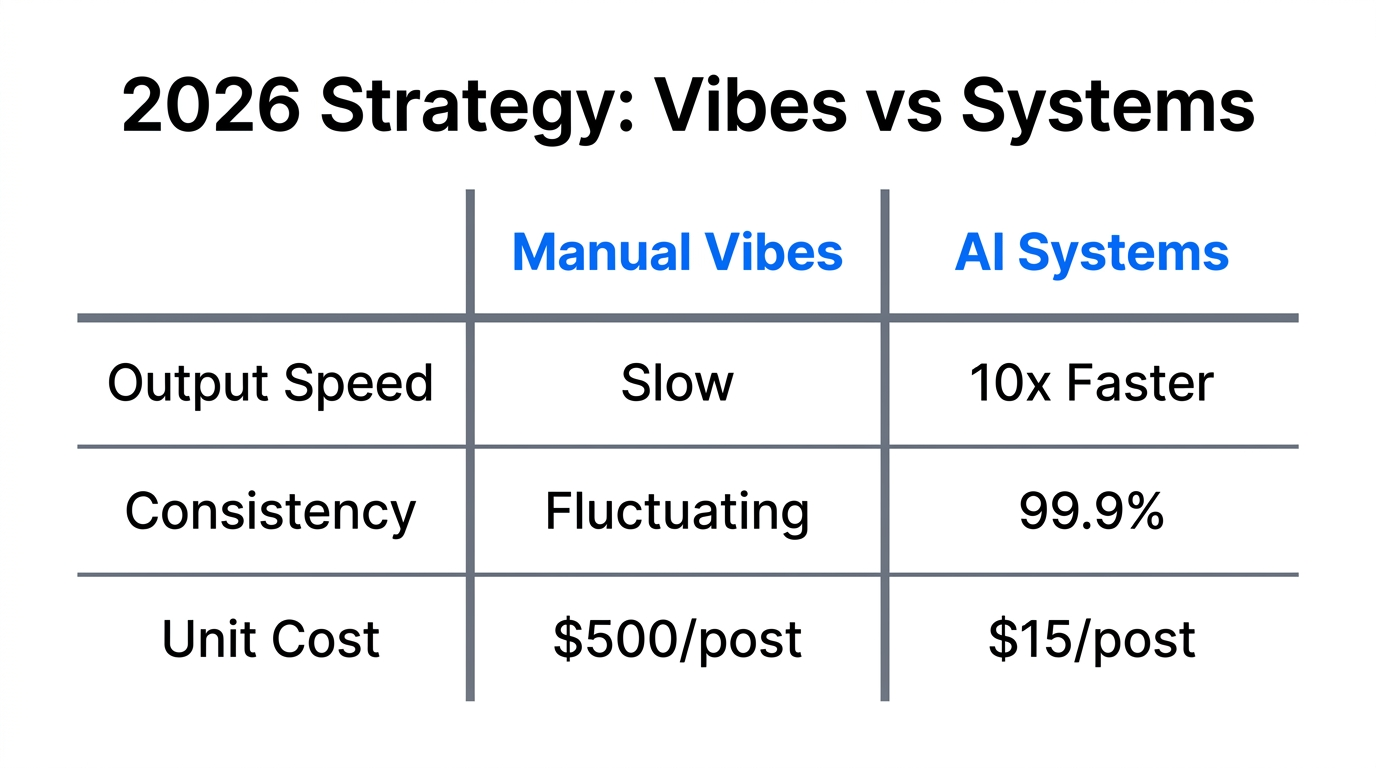
Why are creators moving away from the intuitive, "vibe-based" approach? Because attention is the most valuable currency of the digital economy, and manual workflows cannot keep up with the demand for high-quality, high-frequency output. A creator who can "vibe-code" software and build an audience simultaneously has an unfair advantage in the 2026 market. As discussed in recent industry breakdowns, the ability to take attention and funnel it into a startup or product requires a level of consistency that only systems can provide.
Creators like Kova have demonstrated that gorgeous, viral content is the result of a deliberate workflow. Using tools like Manus AI to reverse-engineer successful styles and FreePik for AI-enhanced visual assets, modern influencers are treating their content like a software build. This "maker and hacker culture" aesthetic requires a backend that can handle mass data—which is where the Obsidian-Claude Code synergy comes into play.
"Everyone has the capability to do exactly what top creators do because the technology is there. Differentiation now comes from being SMART about using the right tools to scale your artistry."Step-by-Step: Using Claude Code to Index Your Obsidian Vault
Discover how Kova uses her Obsidian vault to transform scripts into structured storyboard templates.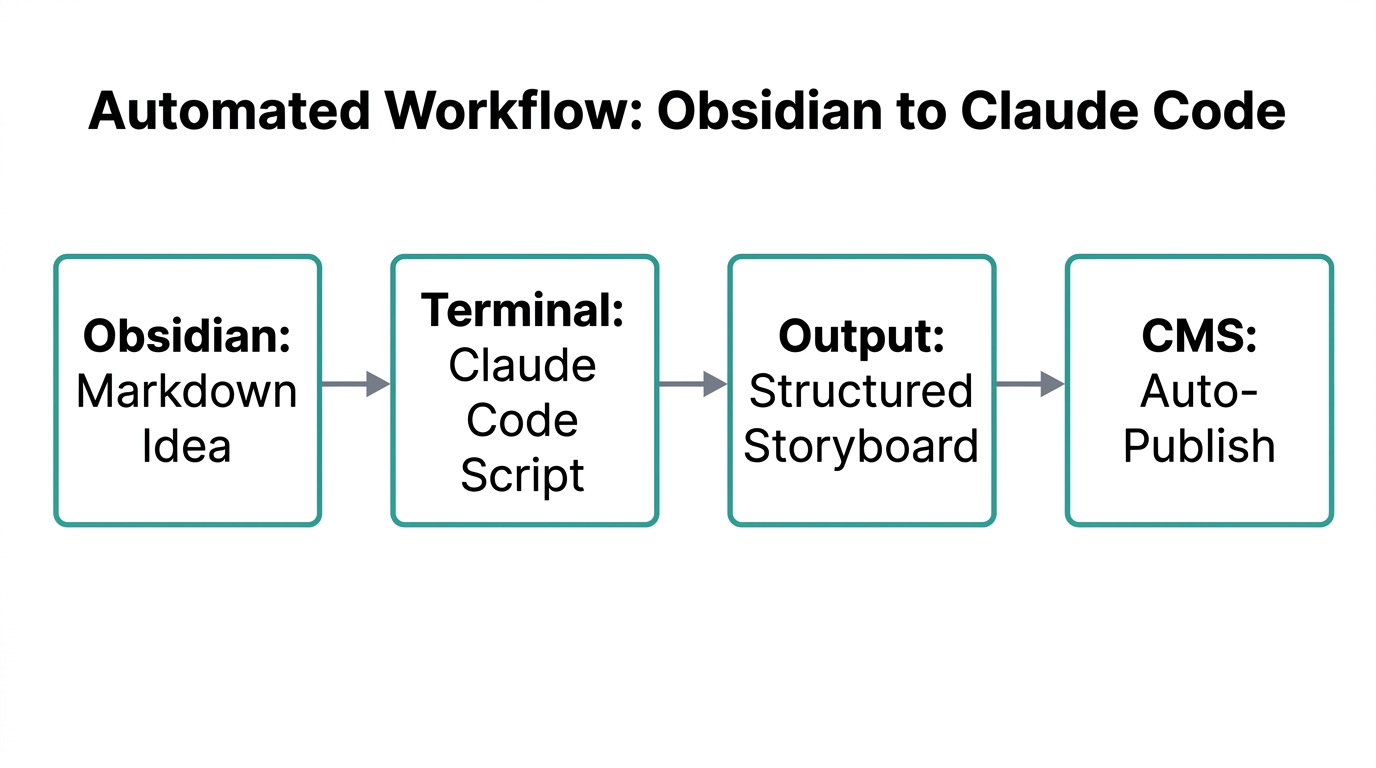
Obsidian serves as the "second brain" for the creator, but in 2026, a brain without an agent is just a library. Claude Code acts as the autonomous layer that can read, index, and restructure your entire vault. This allows you to automate script-to-storyboard conversions in seconds.
Step 1: Structuring Your Vault for AI Accessibility
For Claude Code to effectively index your content, you need a logical folder structure. Most top-tier creator systems use a three-folder hierarchy: 01_Inspiration (raw links and Manus AI breakdowns), 02_Production (active scripts and storyboards), and 03_Systems (brand style guides and prompt libraries).
Step 2: Connecting Claude Code
By running Claude Code locally over your Obsidian directory, you can give it commands like: "Analyze my last five viral scripts in the 'Production' folder and generate a storyboard template for my next video on Tamagotchi hardware." Claude Code doesn't just make assumptions; it parses your specific writing style to ensure the output feels authentic to your brand.
Step 3: Automated Storyboarding
Once your script is written in a markdown file, use a command to transform that script into a storyboard table. In the 2026 workflow, this table includes columns for the visual shot, the technical mechanic (e.g., RGB lighting settings), and the emotional beat. This ensures that every 0.5-second VFX shot is planned before the camera even starts rolling.
| Workflow Stage | Tool Used | 2026 Automation Level |
|---|---|---|
| Research & Breakdown | Manus AI | High (Agent-driven analysis) |
| Knowledge Management | Obsidian | Medium (Human-curated brain) |
| Script-to-Storyboard | Claude Code | Total (Instant conversion) |
| Visual Enhancement | FreePik / Anabaana Pro | High (Generative fill/masks) |
Maintaining Brand Consistency: The 'Style Guide' Prompt Library
Automate your style guide creation with AI tools to maintain consistent video brand identity.Scaling a creator brand means maintaining a cohesive look across 100+ pieces of content. This is achieved through a Style Guide prompt library stored within Obsidian. When you use Stormy AI to discover and collaborate with creators, providing them with this AI-ready style guide ensures that the content they produce for your brand matches your aesthetic perfectly.
A modern style guide includes specific parameters for:
- Typography: Font choices like Fredoka or Lora, with specific rules for title cards (chunky, rounded, multi-gradient) versus word-by-word captions.
- B-Roll Aesthetic: Instructions for macro mode shots of circuit boards or circuit diagrams with a "neon glow" effect.
- Audio Texture: Lo-fi, 70-90 BPM tracks with "warm, crunchy textures" that signal Adobe Premiere Pro users to apply specific EQ filters.
"In my style guide, I define typography into three distinct categories: titles, section headers, and captions. If you define this before you edit, the AI can do the first pass for you."By feeding this style guide into Cursor or Claude Code, you can ask the AI to review a script and flag any lines that don't fit the "cozy hacker den" or "personal techno-nostalgia" vibe. This maintains a high floor for quality regardless of who is doing the final edit.
The Hero’s Journey for Products: Structuring Technical Narratives
Learn how to structure video scripts using a five-act framework for better product storytelling.In 2026, viewers don't just want to see a product; they want to see a build log. The most successful creators use a 5-act structure to turn technical projects into emotionally resonant stories. Claude Code can be programmed to enforce this narrative arc on every script in your vault.
- The Hook: A visual-first demonstration of the finished product within the first 3 seconds. The concept must be explainable in under 10 seconds.
- Conflict & Stakes: Introduce a personal challenge (e.g., "I have zero hardware experience"). This creates relatability.
- The Build: Three clear steps punctuated by CapCut or After Effects motion graphics.
- Problem & Resolution: The classic three-beat comedic arc (too slow, too fast, just right).
- The Tease & CTA: Seeding the next episode to build long-term retention.
Using an AI agent to check your scripts against this 5-act structure ensures that every video follows a proven psychological path to virality. This is how brands like NVIDIA and Adobe are scaling their short-form presence—by systematizing the "aha moment" that keeps users watching.
Growth Ops: Mass Restructuring with Cursor and Claude Code
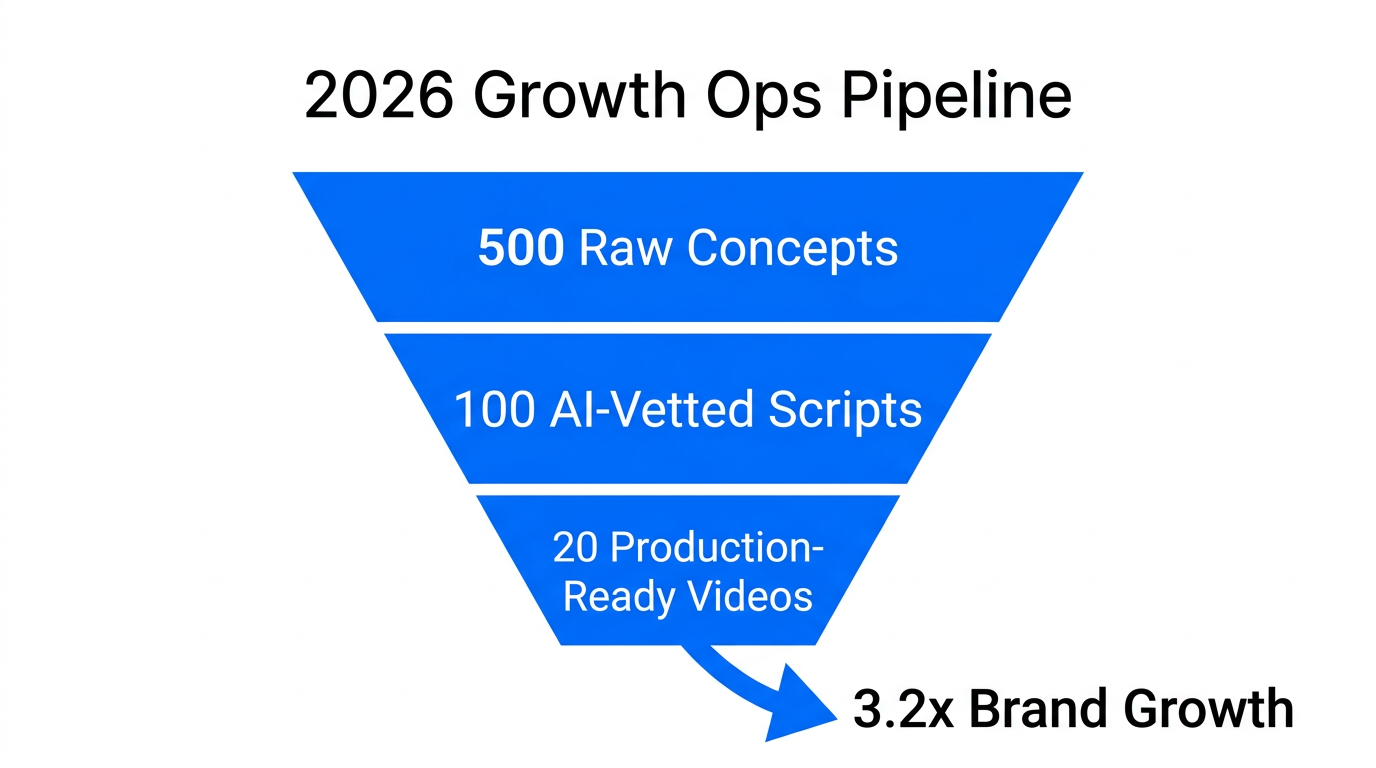
As a creator brand grows, the sheer volume of files—scripts, B-roll, captions, and analytics—becomes overwhelming. 2026's "Growth Ops" involves using Cursor to perform mass restructures of content calendars and project folders. If a new naming convention or folder hierarchy is needed to better sync with platforms like creator CRMs for campaign tracking, you don't do it manually.
You simply point Claude Code at your project root and say: "Reorganize all projects from Q1 2026 into the new 'Series-based' nomenclature and update the metadata in the master content calendar." This level of social media workflow automation frees the creator to spend 90% of their time on "making art" and only 10% on administration.
Conclusion: The Future of the Systematized Creator
Scaling a creator brand in 2026 is a technical challenge as much as a creative one. By integrating Obsidian as your knowledge core and Claude Code as your operational engine, you can move from "vibe-based" posting to a professional production house. Whether you are using FreePik to enhance your dorm-room sets or Manus AI to reverse-engineer the latest trends, the goal remains the same: differentiation through systematized artistry.
For those looking to take their creator business to the next level, start by building your systems today. Use tools like Stormy AI to find the right creators to scale your vision, and keep your production lean, automated, and resonant. The age of the amateur is over; the age of the systems-driven creator has arrived.