In the high-stakes world of digital media in 2026, the bottleneck for most agencies isn’t a lack of ideas—it’s the operational friction of execution. While many founders struggle to find a single reliable editor, Clip.co has quietly built a $2 million-a-year animation powerhouse by leveraging a 50-person offshore team. Founded by Henry Belcaster and Dylan Hunn, this studio hasn’t just survived; they’ve thrived, generating over one billion views on YouTube for elite clients like Ali Abdaal and the All-In Podcast. Their secret? A ruthless commitment to offshore talent density and a leadership framework that keeps founders focused on vision rather than putting out fires.
Why the Philippines is the Premier Destination for Creative Talent in 2026
Learn how they started their offshore journey by hiring editors in the Philippines.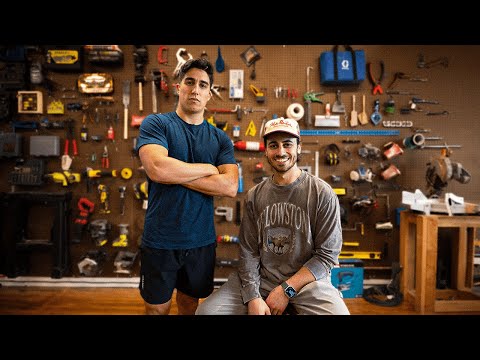
For years, the Philippines was primarily known for customer support and basic administrative tasks. However, in 2026, it has solidified its position as the global capital for high-end animation and motion graphics. The shift occurred as creative education and high-speed infrastructure in the region, bolstered by initiatives like the Creative Industries Development Act, caught up with the inherent artistic talent of the workforce. According to case studies on Starter Story, the Clip.co founders realized early on that they couldn't afford $6,000-a-month US-based editors if they wanted to produce content daily. By looking westward, they found a pool of talent that offered the same (or better) creative output at a fraction of the overhead.
The cost-efficiency isn't just about saving money; it’s about reinvestment capability. Clip.co spends roughly $30,000 per month on their internal content team—a figure that would be quadruple in a New York or LA-based studio. This allows them to treat their agency as a cash-flowing engine that funds their own creative experiments, much like the Smart Nonsense animation projects. By hiring in the Philippines, agencies can afford the volume of iteration required to go viral in today's algorithmic landscape dominated by TikTok and Instagram Reels.
The 'Talent Density' Principle: Hiring Candidates That 'Wow'
Discover the secrets to hiring great people and maintaining high talent density.Many agencies fail at offshore hiring because they optimize for price over performance. Clip.co operates on the Talent Density Principle: only hire candidates who are objectively better at their craft than the founders themselves. When Dylan and Henry vet an animator, they aren't looking for someone who can follow instructions; they are looking for someone who makes their "jaw hit the floor." This creates a self-learning ecosystem where 50 high-performing creatives push one another to improve, reducing the need for top-down management.
"If our gut is on the fence during a portfolio review, it's a 'no.' We only hire the people who make us realize we could learn something from them."
This approach transforms the agency from a group of freelancers into a talent-dense studio. When you hire 50 people who are all "A-players," the culture shifts from supervision to collaboration. In 2026, managing a remote team is less about tracking hours and more about curating the quality of the room. Tools like Notion and specialized CRMs help keep these high-performers aligned without micromanagement.
Standardizing the 'Gut-Check' for Creative Portfolios
Scaling to 50+ animators requires more than just a good eye; it requires a systematic vetting process. While many tools exist for managing workflows, the initial filter at Clip.co remains the "Gut-Check." To manage the influx of applications, the team uses a tiered review system that prioritizes storytelling ability over technical software proficiency. They realized that while anyone can learn Adobe After Effects, very few can master the rhythm of a 60-second viral story.
| Hiring Stage | Focus Area | Success Metric |
|---|---|---|
| Portfolio Review | Visual Polish | The "Jaw Drop" Factor |
| Paid Trial | Speed & Narrative | Retention rate at 30 seconds |
| Cultural Fit | Humor & Curiosity | Ability to simplify complex ideas |
| Onboarding | Workflow Synergy | Seamless use of Frame.io and Slack |
To keep quality high while managing 100+ projects, the founders focus on the "South Park for Nerds" aesthetic—a style that is fast to produce but high in personality. This standardization allows them to vet animators based on a specific creative language, making it easier to spot outliers who don't fit the brand's viral formula.
The 'Above the Clouds' Leadership Framework
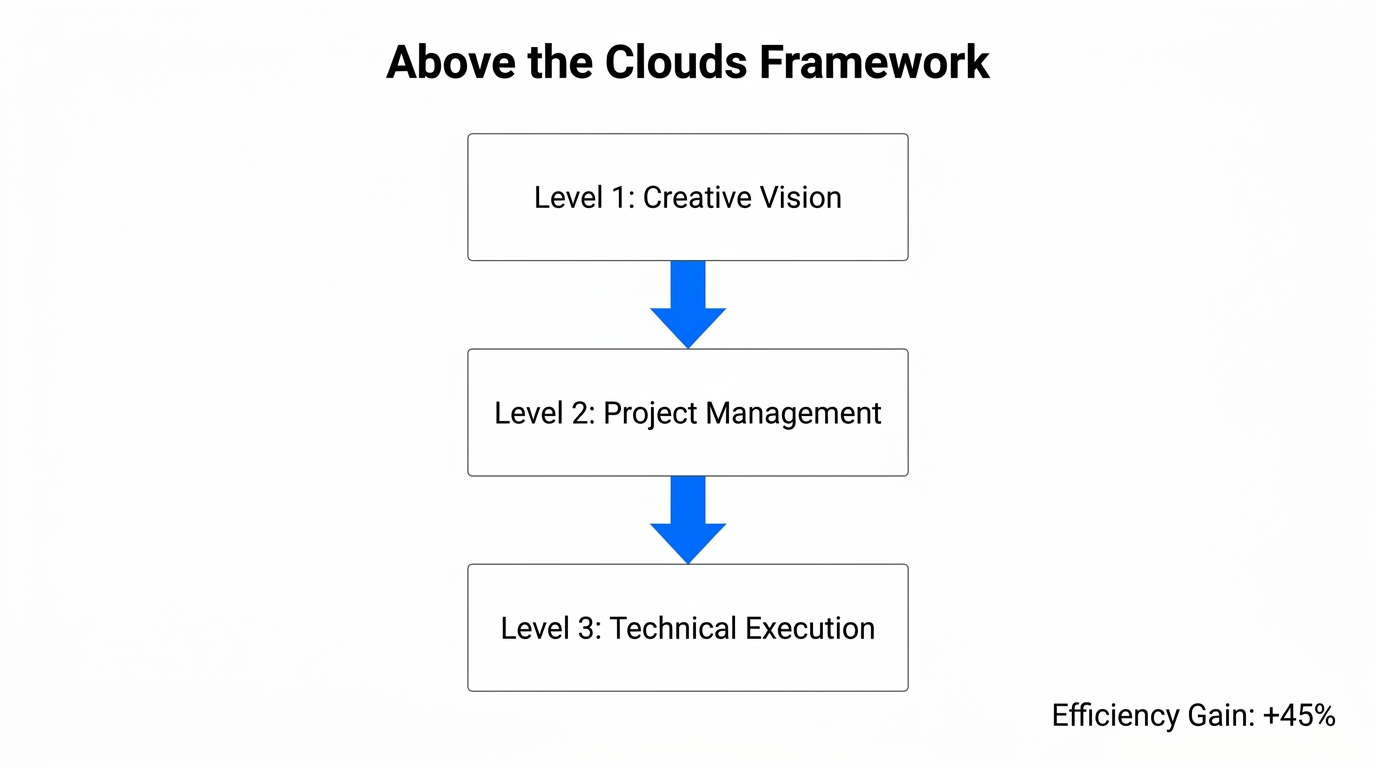
As an agency scales, the founders often become the biggest bottleneck. Henry and Dylan adopted the 'Above the Clouds' framework—an idea popularized by creators like Colin and Samir. The concept is simple: leaders must stay above the day-to-day "weather" (emails, minor client disputes, technical glitches) to maintain a 30,000-foot view of the business. If a founder drops "below the clouds," they lose the ability to see where the market is heading.
At Clip.co, this means the founders spend less than an hour a day on agency operations. The rest of their time is dedicated to Exploration and Curiosity—the tasks that lead to new content formats and business models. This delegation is made possible by empowering their offshore team to act as autonomous project managers. By the time a project reaches the founders, it should already be 95% complete. True scale is only achieved when the founders become the most 'unnecessary' people in the daily production line.
"The second you come below the clouds to put out a fire, you’ve stopped being a visionary and started being an employee of your own stress."
Managing 100+ Projects with a Decentralized Structure
How embedding animators directly with clients creates a more efficient long-term workflow.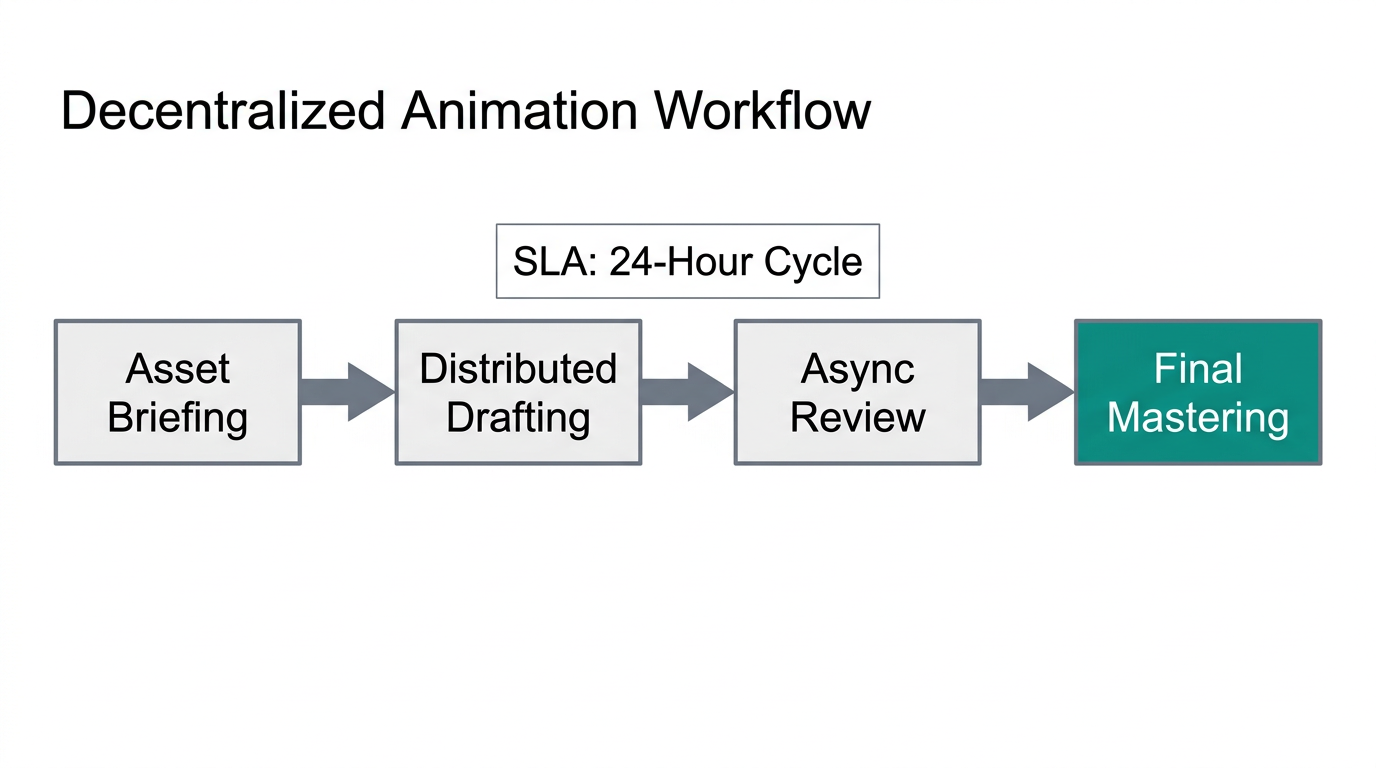
How do you manage 50 animators and hundreds of client videos without losing your mind? Clip.co uses a decentralized workflow that pairs animators directly with clients. Rather than having a layer of middle management (account managers) who don't understand the craft, they've simplified the relationship. If an animator can communicate effectively and deliver on time, the need for a complex "client success" department evaporates.
This "Dead Simple" approach is a core part of their Smart Nonsense philosophy. By removing the overhead of project managers, they can pay their offshore talent more competitively while keeping the agency's margins healthy. For agencies looking to find the right creators to scale this kind of model, using platforms like Stormy AI can streamline the discovery of influencers and UGC creators who already possess these high-level editing skills, allowing for a more automated outreach and vetting process.
'Squatter Marketing': How to Land High-End Clients
Before they had a 50-person team, Clip.co had to prove they could deliver. They pioneered a tactic called 'Squatter Marketing'. They would find a major creator—like Jason Calacanis or Sam Parr—and start producing high-end animated clips for them for free, without asking permission. They would post these clips and tag the creator, essentially "squatting" in their digital ecosystem.
Eventually, the quality was so undeniable that the creators had no choice but to hire them. This "blitz" strategy created a halo effect: once they worked with the All-In Podcast, every other major podcaster assumed they were the best in the business. In 2026, social proof is the only currency that matters. Do the work first, and the contracts will follow.
The 2026 Formula for Viral Content
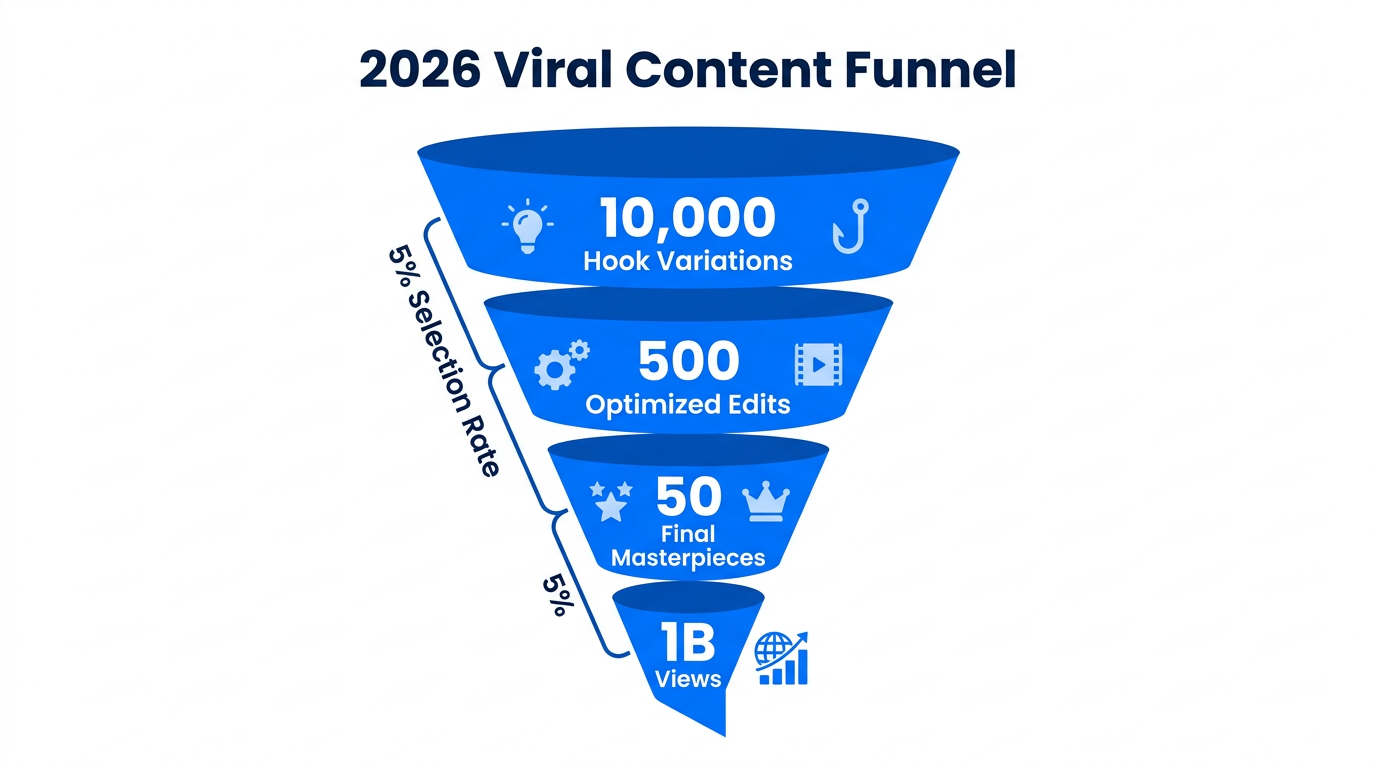
The core of Clip.co’s success isn't just animation; it’s storytelling. Dylan Hunn notes that humans are hardwired for stories—from cave paintings to TikTok. Their animation style, which they call "South Park for Nerds," is designed to close open loops in the viewer's brain. By combining complex ideas (like those found in their illustrated email newsletter) with simple, funny visuals, they can keep viewers engaged for the full 60 seconds of a short-form video.
To replicate this, agencies must focus on:
- The Hook: A visual or narrative question that must be answered.
- The Visual Journey: Constant movement on screen to prevent "scrolling away."
- The Loop: Ending the video in a way that makes the viewer want to watch it again or share it immediately.
Conclusion: Optimizing for Fun and Vision
The most radical part of the Clip.co story is their lack of traditional profitability. Like MrBeast, they reinvest nearly every dollar of profit back into their team and their own content. In 2026, the goal isn't just to build a business that makes money—it's to build a business that optimizes for happiness and creative freedom. By leveraging the power of offshore talent in the Philippines and maintaining a talent-dense, "above the clouds" leadership style, Henry and Dylan have created a model that any creative agency can follow.
If you're ready to start scaling your own creative operations, focus on hiring people who wow you, simplify your workflows, and never be afraid to "squat" on the brands you want to work with. Tools like Stormy AI can help you find and vet the creative partners needed to execute this vision at scale. The tools and the talent are out there; you just need the framework to lead them.