In the current digital landscape, the internet is increasingly flooded with what marketers have dubbed "AI slop"—generic, uninspired, and repetitive content that lacks the nuance of human creativity. For brands, this represents a significant risk to authority and trust. However, the problem isn't the AI itself; it's how we communicate with it. By mastering AI copywriting prompts and leveraging advanced techniques like persona prompting for LLMs, teams can move beyond the "empty field" of generation and produce professional-grade assets that resonate with their target audience. This guide provides a strategic playbook for using Claude AI to maintain a high-quality brand voice while scaling your content operations.
The Architected Brief vs. Vague Requests
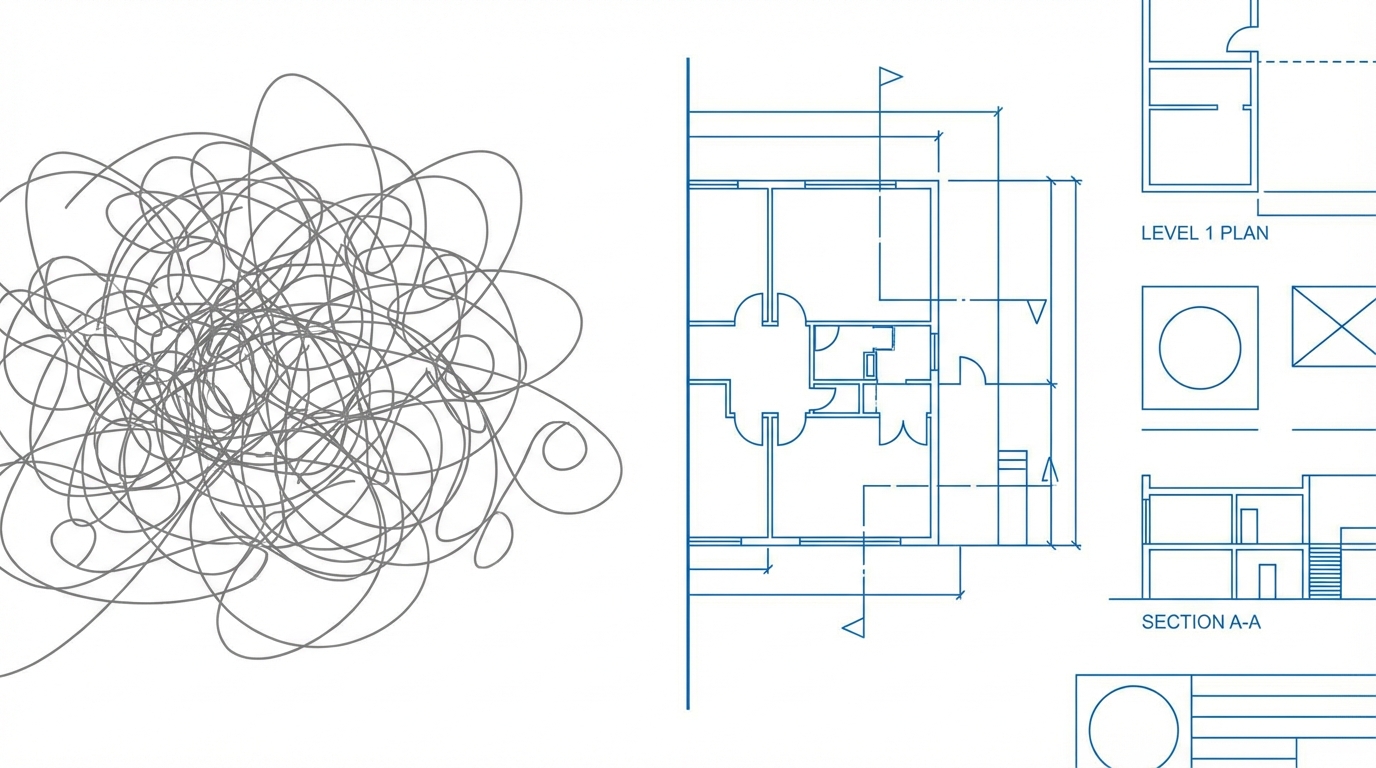
The most common mistake in content creation with Claude is providing vague, open-ended instructions. A request like "write a blog post about coffee" is a recipe for mediocrity because the model is forced to guess your intent, often defaulting to the most common (and boring) patterns found in its training data. To avoid AI slop, you must transition to what Anthropic experts call an "Architected Brief."
An architected brief is direct, respectful, and provides deep context. Instead of saying "fix this grammar," a professional prompt would look like: "Please review the following text for grammatical errors and suggest corrections. My goal is to make it sound more professional and confident." This shift from a passive request to an action-oriented command is the principle of explicitness. You should always include three critical elements in every prompt: an action verb (e.g., generate, analyze, summarize), a specific quantity (e.g., 10 titles, 3 paragraphs), and a defined target audience. By using a friendly but firm tone of collaboration, you treat the LLM as a teammate rather than a basic tool, which research shows yields more direct and helpful results.
Applying Personas to the Marketing Funnel
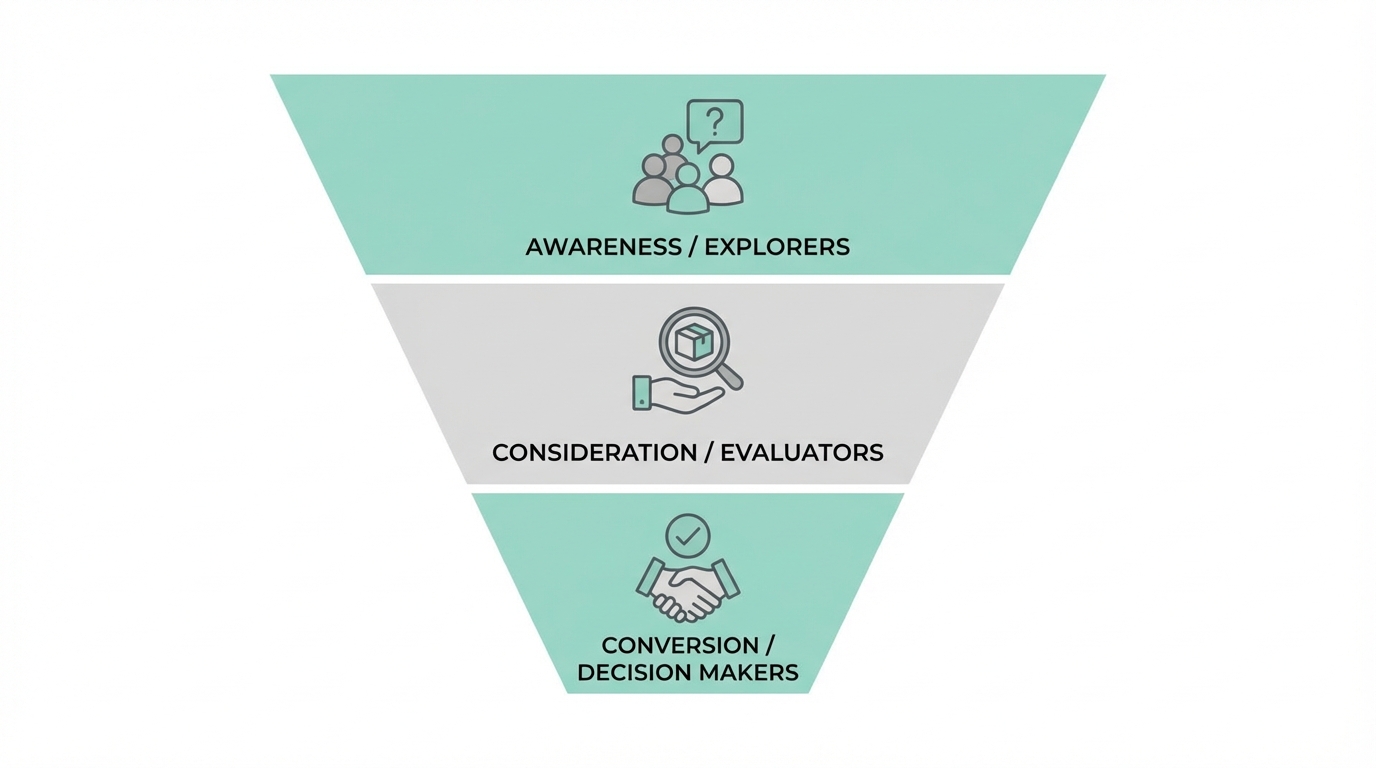
Different stages of the marketing funnel require different linguistic styles. You can achieve this by using persona prompting for LLMs to trigger specific domain-specific vocabularies. For example, a Top-of-Funnel (ToFu) social post needs a different voice than a Bottom-of-Funnel (BoFu) whitepaper. You can explicitly command Claude to adopt one of three primary personas:
- The Expert: Use this for technical reports or deep-dive articles. Ask Claude to "adopt the persona of a university professor or a senior industry analyst." This primes the model to use advanced frameworks and sophisticated terminology.
- The Brief: Ideal for social media captions or email subject lines. Instruct the model to "be concise and use bullet points," or even set a hard character limit.
- The Simplifier: Best for explaining complex concepts to a general audience. Using phrases like "explain like I'm five" or "explain to a 13-year-old" forces the AI to strip away jargon and focus on core value propositions.
By controlling the art of brevity and verbosity, you ensure that your Claude AI brand voice remains consistent across every touchpoint, from Google Ads copy to detailed internal documentation.
Using Negative Constraints to Kill Clichés
One of the most effective ways to avoid the "AI look" is to use negative constraints. These are instructions that tell the model what not to do. If you are writing a story about a futuristic detective, for instance, you might include a constraint like "do not use the word 'cyber' or 'neon'." This forces the AI to find more creative, non-obvious ways to describe the setting, resulting in a more unique and human-sounding narrative.
In a marketing context, this means banning overused industry buzzwords like "synergy," "game-changer," or "leverage." By setting these boundaries in the generation field, you move away from the infinite possibilities that lead to clichés and toward a focused, specific solution. This is especially useful when creating influencer briefs. Instead of getting generic talking points, you can force the AI to suggest specific, concrete visual hooks for UGC creators.
The Power of Scaffolding and Structured Output
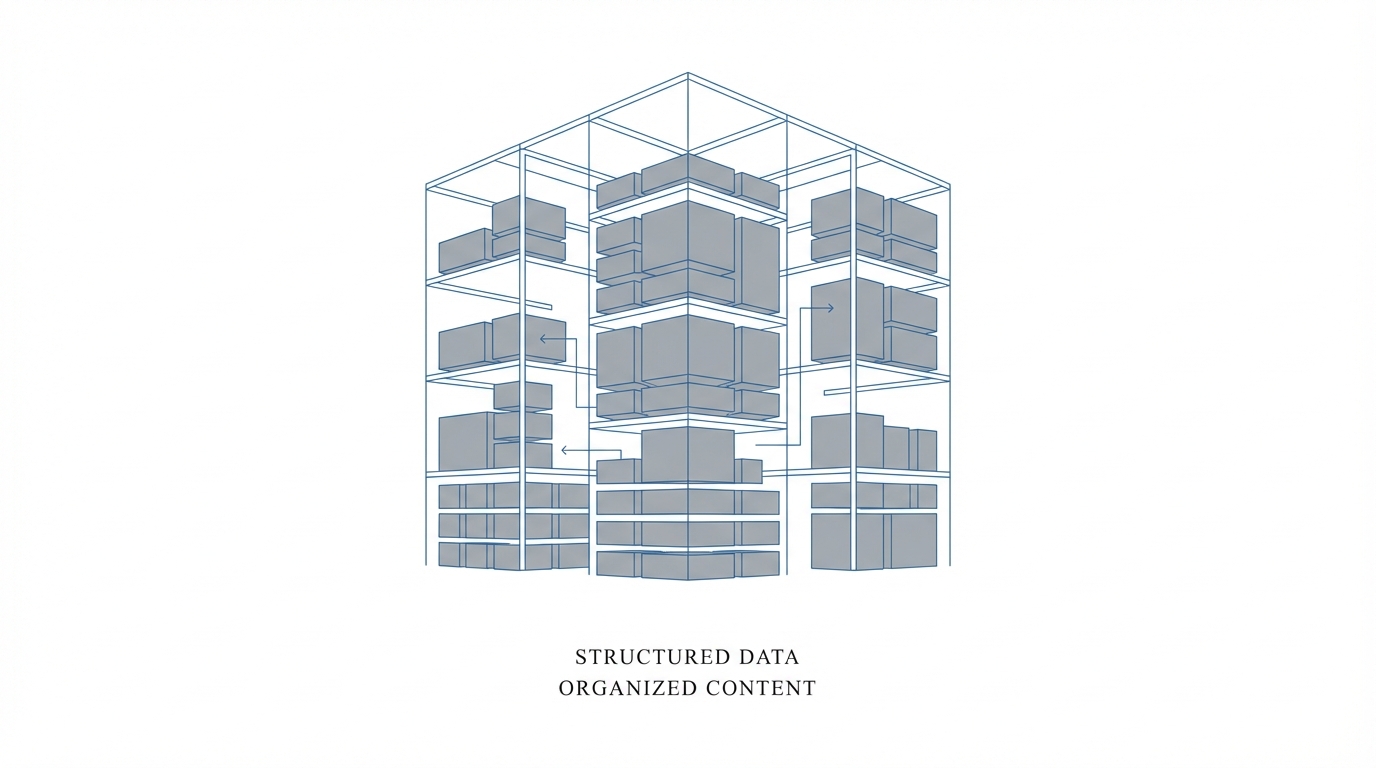
LLMs are fluent in many formats beyond simple prose. If you need information that is easy to scan, demand structured output. Rather than asking for a list of facts, ask for a "markdown-formatted table." For instance, when analyzing competitors for a mobile app campaign, you could ask Claude to "present this information in a table with columns for Feature, Pricing, and Target User."
You can also provide a scaffold—a template or example that guides the AI’s structure. If you need an article summary, don't just say "summarize this." Instead, provide a rigid structure: "Summarize using this format: Main Thesis (one sentence), Key Supporting Points (three bullet points), and Concluding Insight." Tools like Notion or Perplexity can help you gather the raw data, but it is through Claude's scaffolding that you turn that data into a branded asset.
The Divide and Conquer Strategy for Long-Form Assets
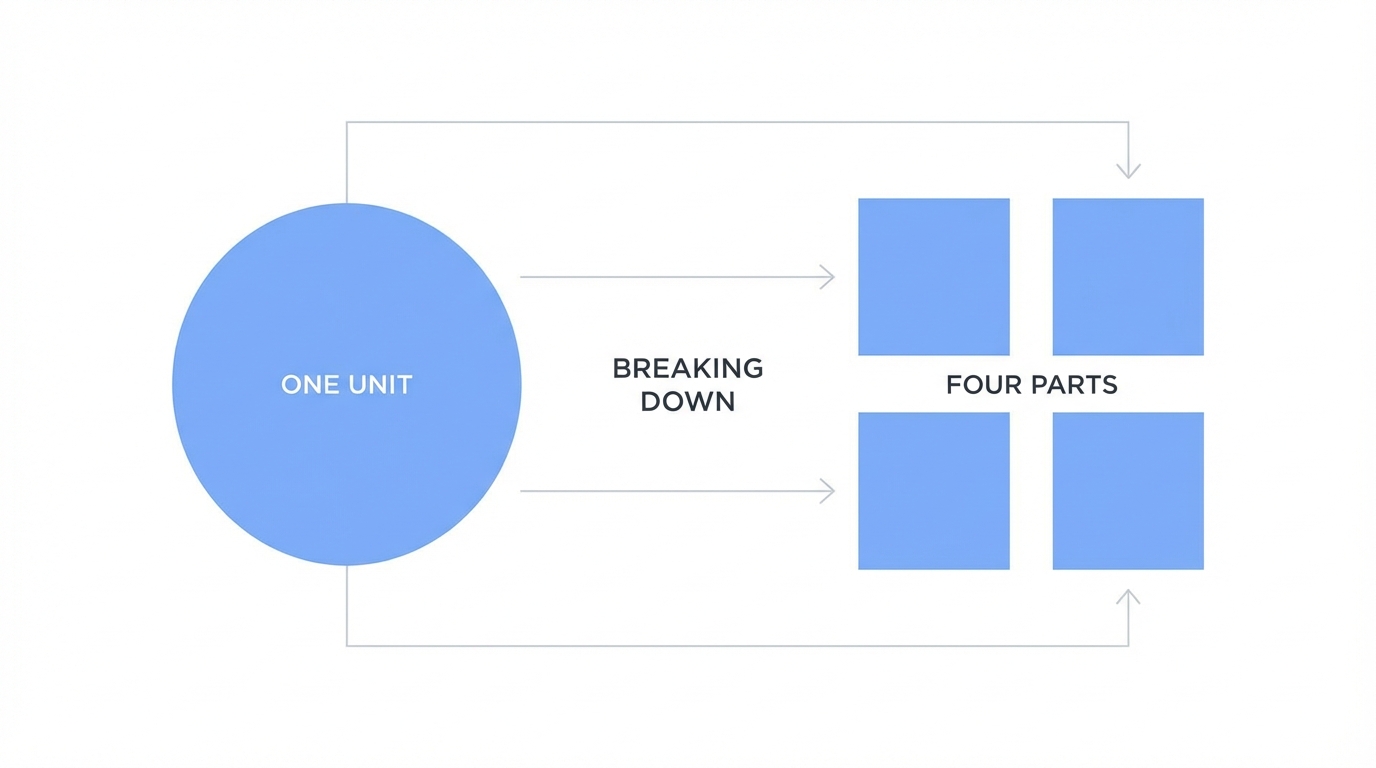
For complex tasks like writing a 10-page business plan or a comprehensive whitepaper, do not attempt to generate everything in a single prompt. Instead, act as the conductor of a multi-step process. This "divide and conquer" strategy involves three distinct phases: Blueprint, Section-by-Section, and Synthesis.
Step 1: The Blueprint
Start by asking for a detailed table of contents or an outline. For example: "Create a detailed table of contents for a business plan for a new specialty coffee shop targeting environmentally conscious millennials." This allows you to review the logic before any long-form writing begins.
Step 2: Section-by-Section Execution
Once the plan is approved, prompt the AI to write one section at a time. This prevents the model from losing focus or becoming repetitive. You can say: "Now, write the market analysis section based on the outline, focusing on the competitive landscape of independent cafes in urban areas."
Step 3: Synthesis and Critique
After all sections are generated, use the "Critique your own response" power phrase. Ask the model to "Review the complete document, ensure a consistent tone, and check for any contradictions." This final layer of self-correction is one of the "cheat codes" shared by Anthropic to ensure high-quality output.
Scaling High-Quality UGC Discovery
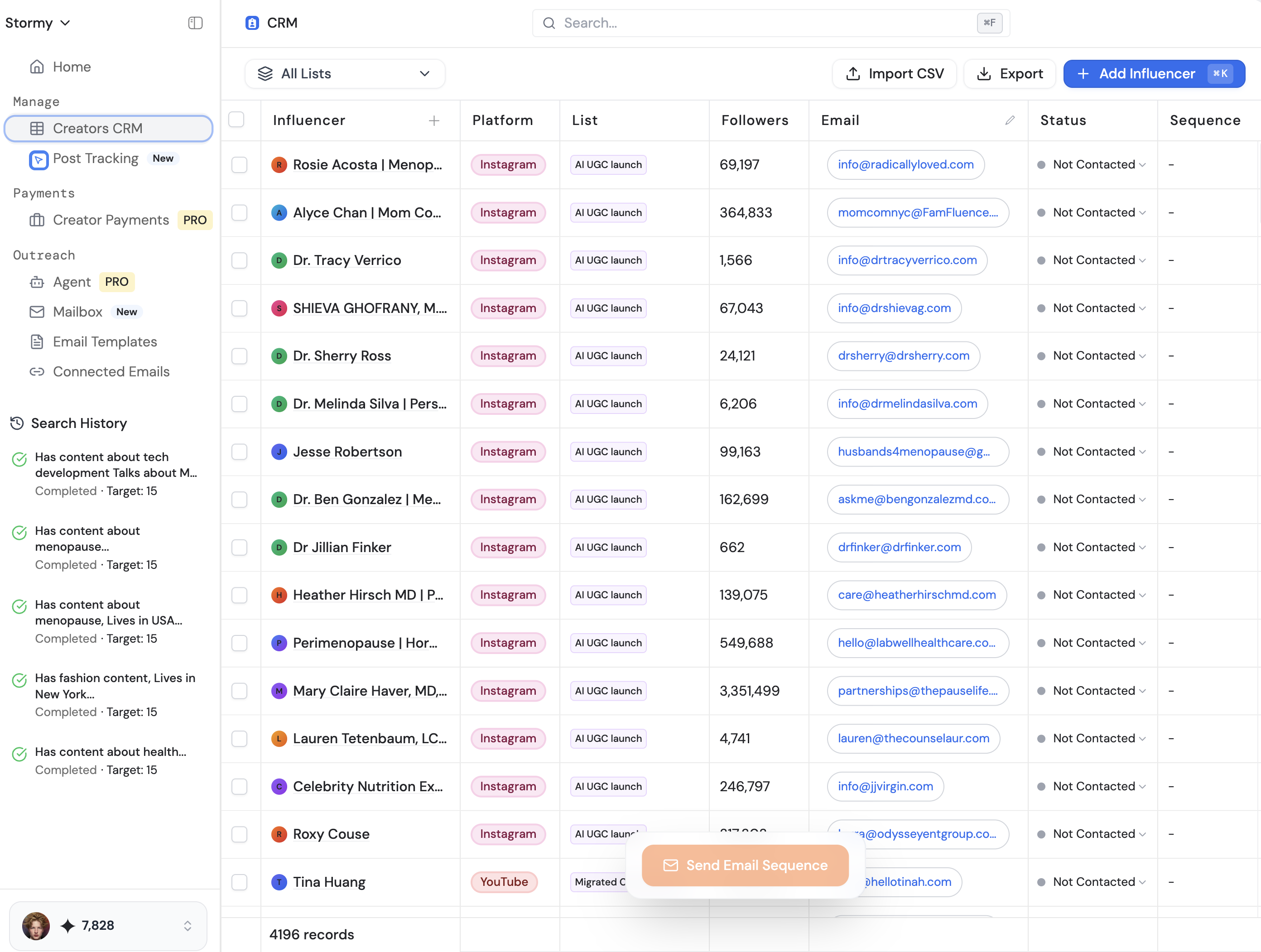
When your AI copywriting prompts are finally producing elite-level content, the next challenge is distribution and sourcing the right faces for your brand. High-quality briefs are only effective if they land in the hands of the right creators. This is where modern, AI-powered platforms can bridge the gap between strategy and execution.
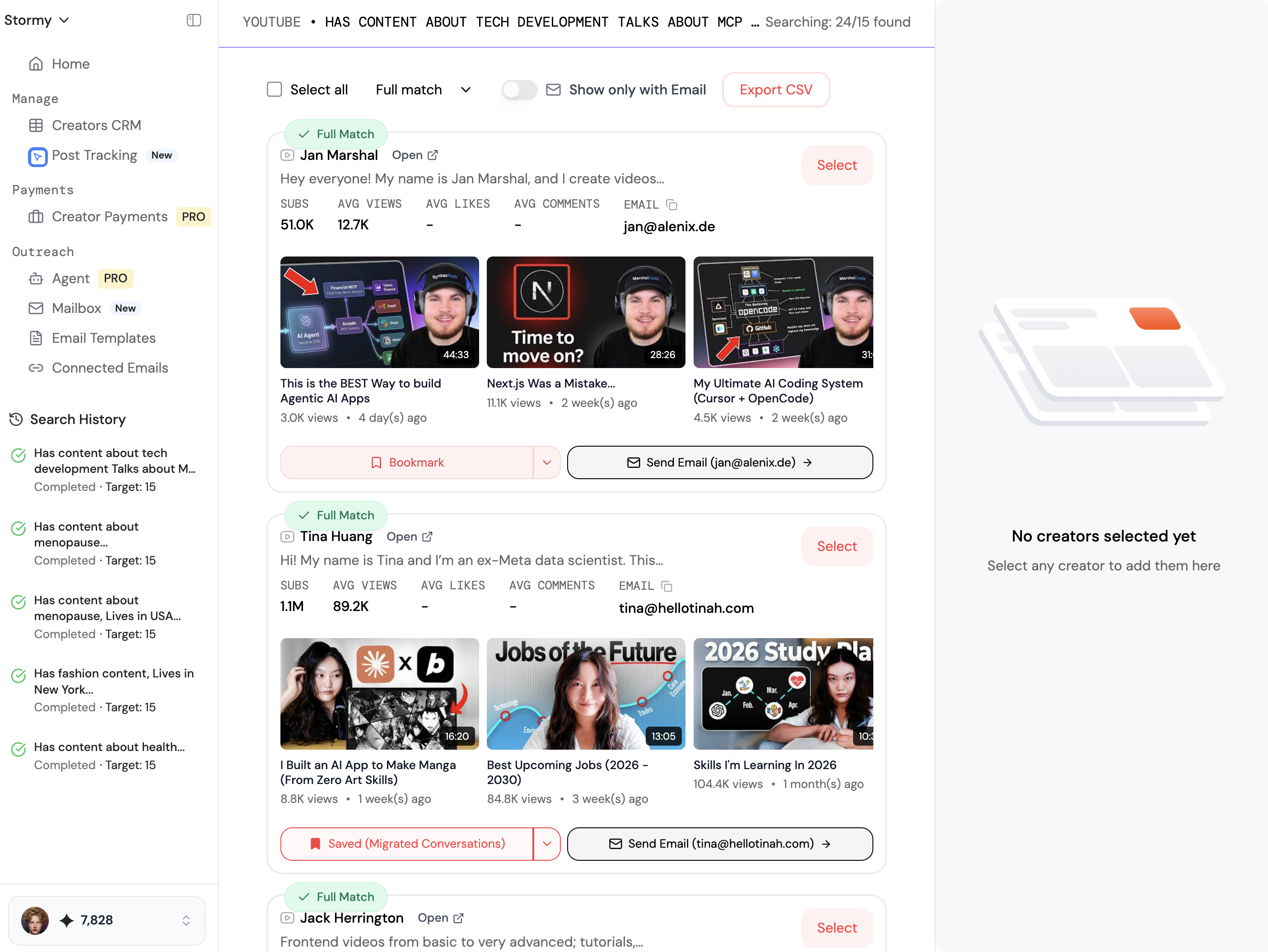
For brands scaling user-generated content (UGC) for mobile app installs or social campaigns, tools like Stormy AI can help source and manage UGC creators at scale. Unlike legacy platforms like Captiv8, which rely on static databases, Stormy AI uses a real-time AI search engine to find creators who naturally fit the sophisticated personas you've developed in your Claude prompts. Whether you need fitness creators in Los Angeles or tech-savvy millennials, you can use natural language to discover influencers and then use Stormy's AI-personalized outreach to contact them with the very briefs you've architected in Claude.
Conclusion: Mastering the 10 Rules of Claude
Moving from "AI slop" to professional brand assets requires a fundamental shift in how you view the LLM. It is not a magic box, but a sophisticated reasoning engine that thrives on constraints. To recap the 10 rules for getting 10x more out of your content creation: 1. Use a collaborative tone, 2. Be explicit, 3. Define boundaries, 4. Draft and plan before acting, 5. Demand structured output, 6. Explain the why, 7. Master brevity and verbosity, 8. Provide scaffolding, 9. Use power phrases like 'think step by step,' and 10. Divide and conquer complex tasks.
By applying these techniques, you ensure your Claude AI brand voice remains distinct, human, and authoritative. Start by taking your next vague request and transforming it into an architected brief—your audience (and your brand integrity) will thank you for it.