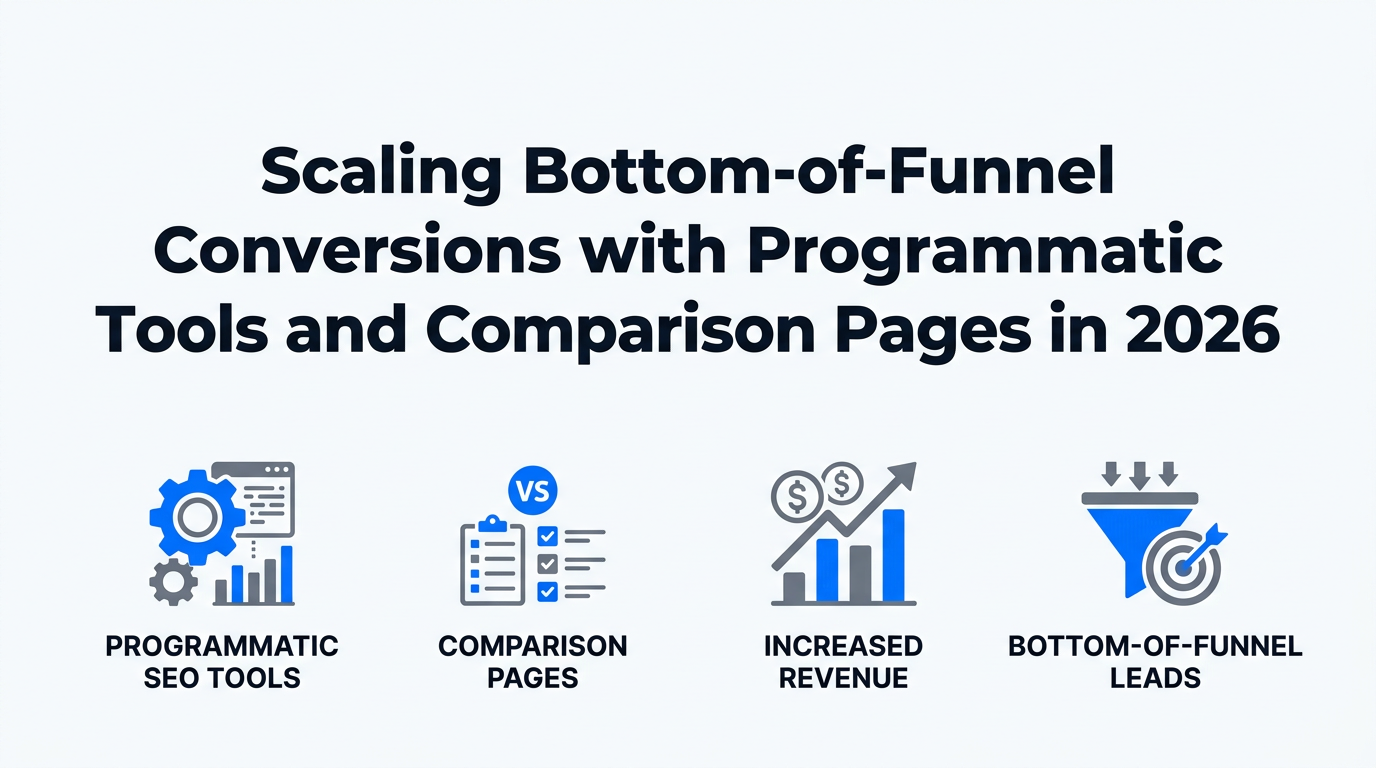
In 2026, the battle for the consumer's wallet isn't won at the top of the funnel; it is won at the precise moment of decision. As 30% of product research migrates toward AI agents and voice assistants, brands must transition from broad content strategies to high-intent, structured data architectures. This is where programmatic SEO tools become the ultimate lever for e-commerce growth. By automating the creation of thousands of high-converting pages, brands are no longer just participating in search—they are dominating it. Modern e-commerce brands utilizing these advanced programmatic SEO tools report an average 30%–80% surge in organic traffic and a significant 25%–35% increase in conversion rates within months.
The Rise of BoFu Programmatic SEO
Bottom-of-Funnel (BoFu) SEO is focused on capturing users who are ready to buy. They aren't searching for "what is a CRM"; they are searching for "Product X vs Product Y" or "Best [Product] for [Specific Use Case]." In the past, creating these comparison pages was a manual, labor-intensive process. Today, programmatic SEO (pSEO) allows marketing teams to scale these high-intent assets using data-driven templates.
The landscape has shifted from "bulk page creation" to "data-driven utility." Success in 2026 requires more than just generating text; it requires becoming the cited source for AI Overviews and LLMs like ChatGPT and Perplexity. If your data isn't structured and your pages aren't programmatically optimized, you simply won't exist in the modern search ecosystem.
"The key to pSEO in 2026 isn't just more pages—it's more precision. We are moving from ranking for keywords to providing the data points that AI agents use to make recommendations."
Scaling Comparison Page Automation ([Product X] vs [Product Y])
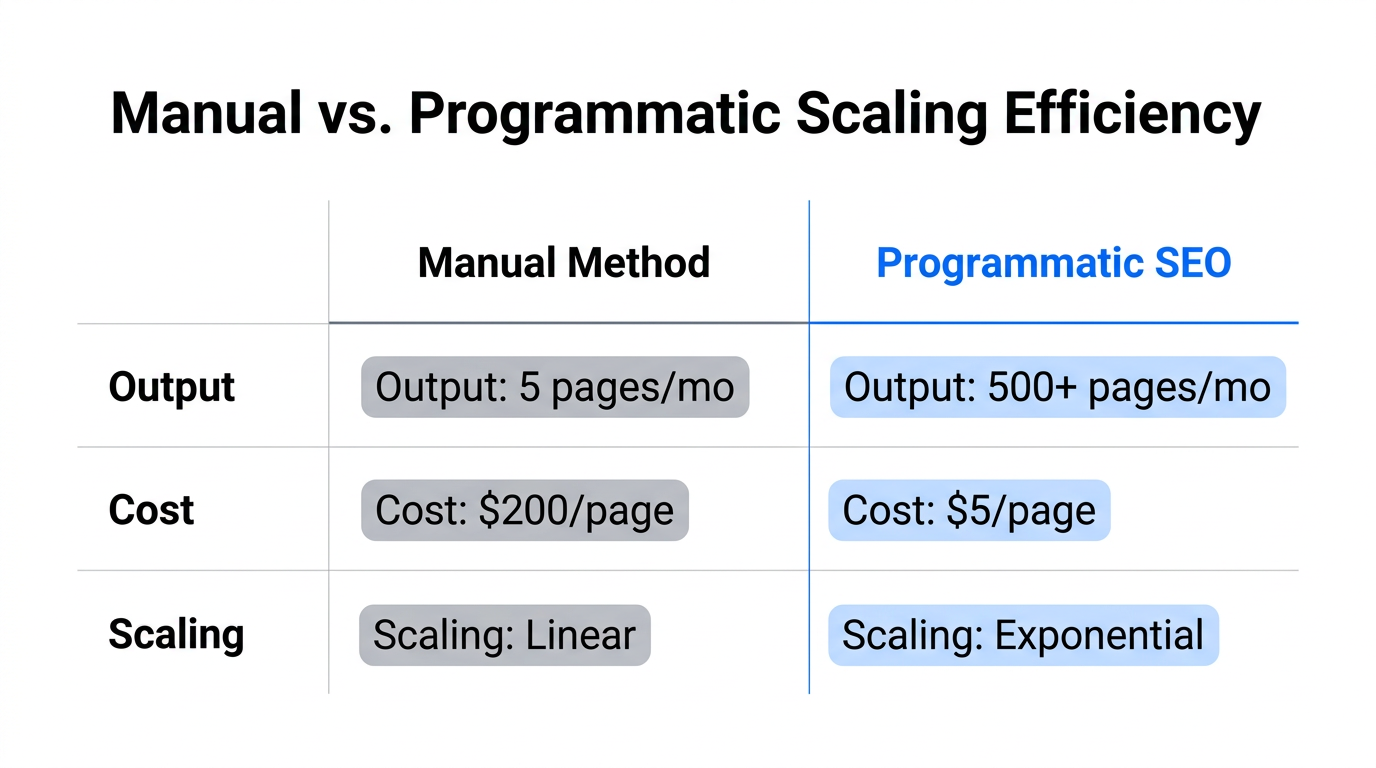
Comparison pages are conversion goldmines. When a user compares two brands, they are in the final stages of the buyer journey. A BoFu SEO strategy that prioritizes these pages can drastically lower Customer Acquisition Cost (CAC). To scale this, you need a relational database—typically hosted in Airtable—that lists features, pricing, and pros/cons for your product and every competitor.
Using comparison page automation, you can map these data points to a template. For example, if you are a SaaS tool, you can generate 50 unique comparison pages in an afternoon. Tools like SEOmatic or Byword.ai allow you to feed this data into high-quality templates that feel hand-crafted but are powered by your central source of truth.
| Feature | Manual Approach | Programmatic Approach |
|---|---|---|
| Scale Time | Weeks per 10 pages | Hours per 100+ pages |
| Data Accuracy | Prone to human error | Synced via API/Airtable |
| Maintenance | Must update each page manually | Update once, reflects everywhere |
| Conversion Potential | High (if optimized) | Highest (due to massive coverage) |
Mining Reddit and Community Forums for 'Human Validation'
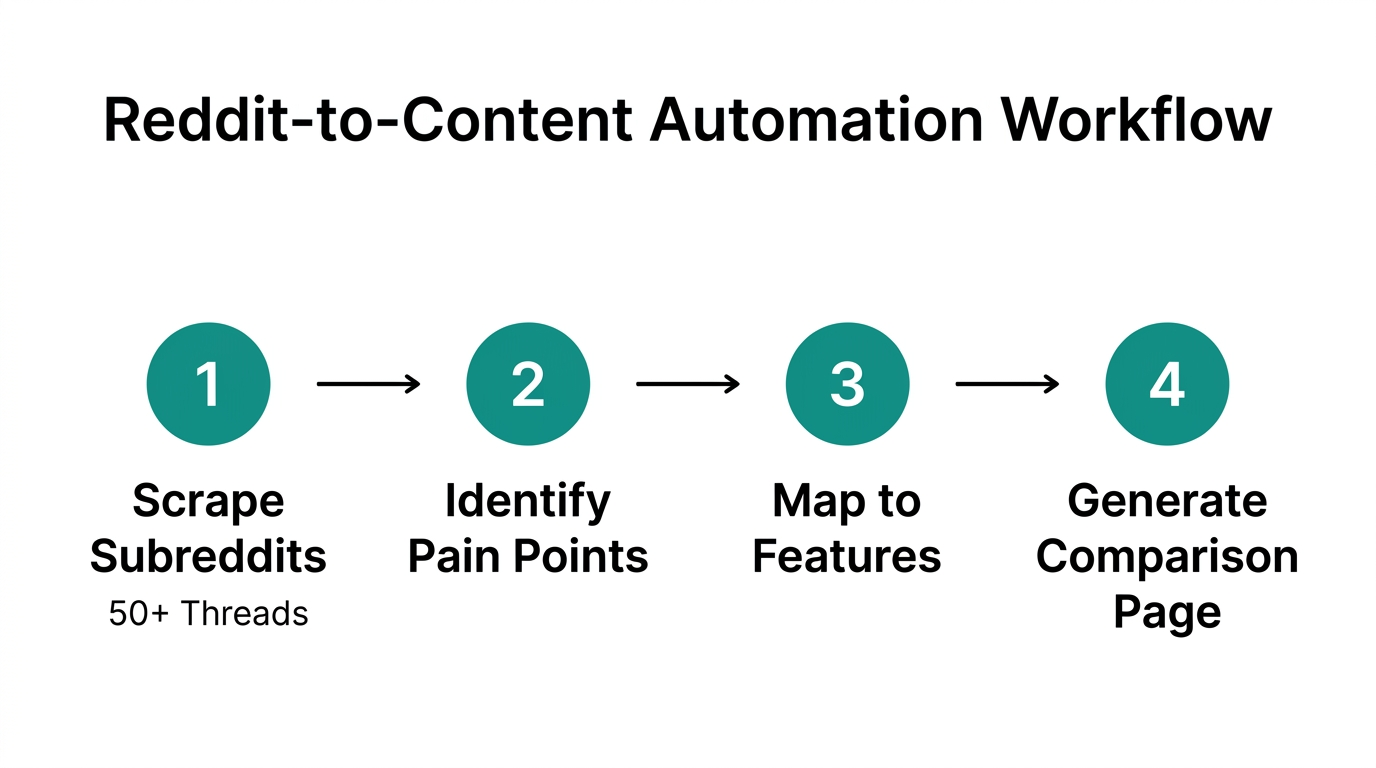
Google’s recent updates have made one thing clear: "helpful content" requires a human voice. Purely AI-generated text is no longer enough. To combat this, elite growth marketers are using Human-in-the-Loop (HITL) models to inject community insights into their automated templates. As growth advisor Kevin Indig argues, 2026 is the year of "Automation in Insights."
By mining Reddit, Quora, and niche forums, you can identify the exact anxieties and questions your customers have. You can then use tools like Clay to programmatically pull these sentiments and incorporate them into your comparison templates. This adds a layer of authentic social proof that pure automation lacks. For instance, your comparison page for "Best Hiking Boots" could include a dynamically pulled section titled "What hikers on Reddit say about the [Brand] fit."
"The most successful programmatic strategies integrate a 'Human-in-the-Loop' model to ensure the last 20% of quality prevents 'slop' content penalties."
Local SEO Scaling for Omni-channel Growth
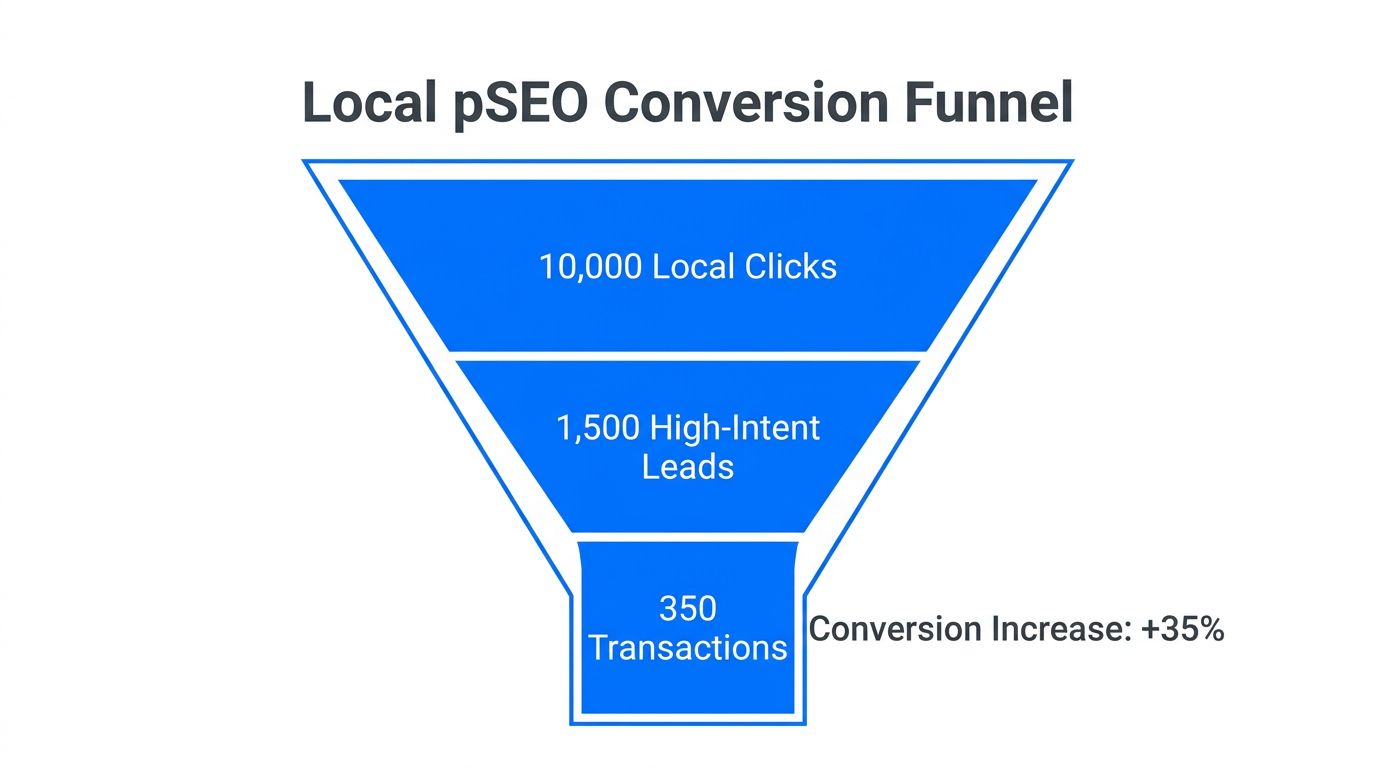
For brands with a physical presence or location-specific services, local SEO scaling is the next frontier. You can programmatically build landing pages for `[Product] in [City]` to capture local foot traffic or regional intent. Real estate giant Flyhomes famously scaled from 10,000 to 425,000 pages in three months by using automated local market guides, according to JB Impact case studies.
For e-commerce conversion optimization, these pages should include dynamic elements such as local shipping times, nearby stock levels, or regional testimonials. If you are using Shopify, tools like ConvertMate can help manage these variants without cluttering your main navigation or creating duplicate content issues.
Best Practices for Internal Linking: Avoiding 'Orphan Pages'
One of the biggest risks in programmatic SEO is the creation of "orphan pages"—pages that have no internal links pointing to them. Without a robust internal linking structure, search engines struggle to crawl and index your vast library of content. Eli Schwartz, author of Product-Led SEO, notes that the gold standard is Amazon, where SEO architecture is built directly into the product through scalable URL structures.
The Hub-and-Spoke Model
To prevent orphans, use a dynamic hub-and-spoke model. Your main category pages (Hubs) should link to a rotating selection of pSEO pages (Spokes). In reverse, every programmatic page must link back to its parent category and at least three related products or comparison pages. Using a static site generator like Next.js or a tool like Verbolia can help maintain these links at scale without sacrificing site speed.
"Internal linking isn't just for bots; it's a navigational map that guides high-intent users from a comparison page to a checkout page."
Integrating Social Proof and UGC Programmatically
In 2026, static product images are a conversion killer. To truly win at e-commerce conversion optimization, you need to integrate User-Generated Content (UGC) into your programmatic templates. Modern tools allow you to tag creators and influencers by niche and product type, then automatically pull their videos onto the relevant pSEO pages.
For brands sourcing these creators, using an AI-powered discovery platform is essential. You can discover creators on Stormy AI who fit specific niches—like "sustainable fashion influencers in Austin"—and then programmatically feature their content on your local or product-specific landing pages. This creates a loop of "human validation" that dramatically increases trust and time-on-page. Coupling this with dynamic image generation tools like Orshot ensures that every one of your 5,000+ pages feels unique and visually engaging.
Building Your 2026 pSEO Tech Stack
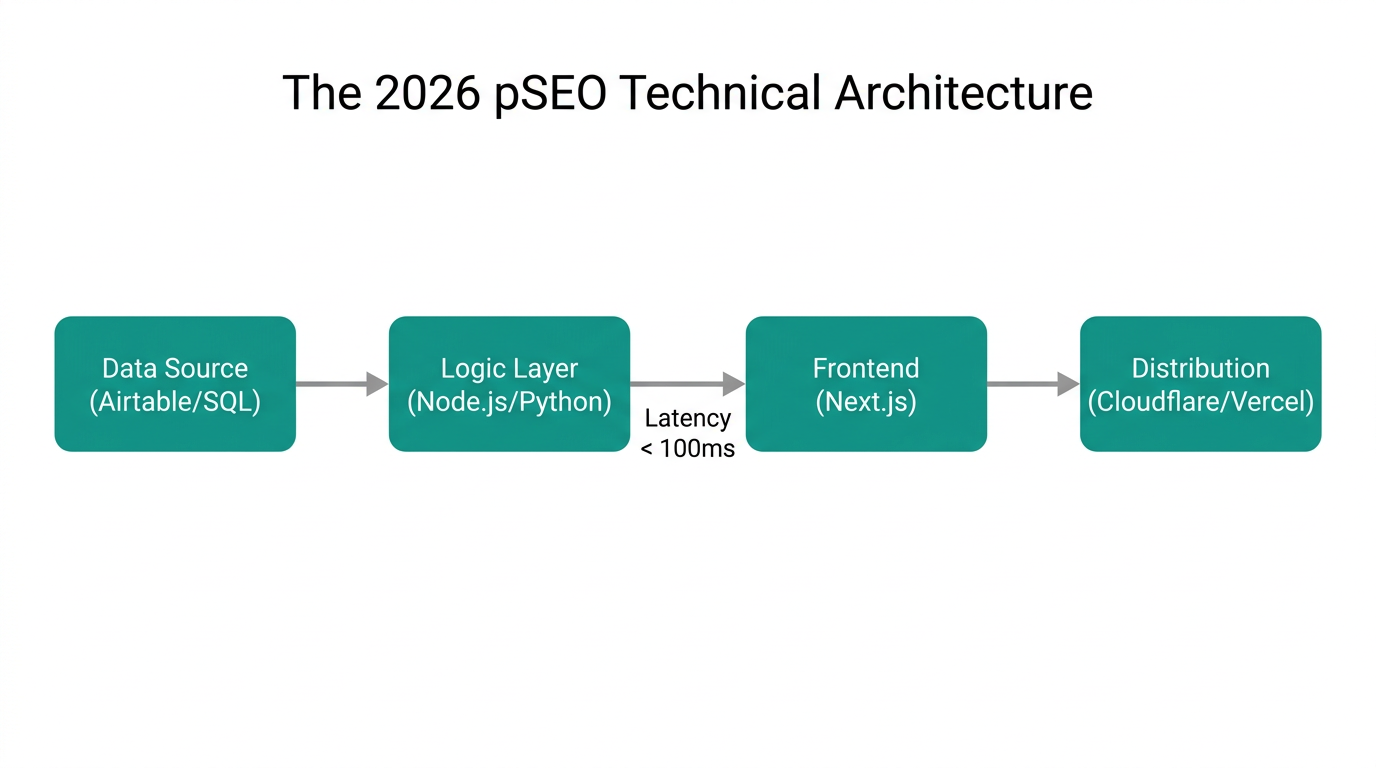
To execute this BoFu SEO strategy, you need a stack that communicates seamlessly. You can't rely on manual spreadsheets if you want to scale. Here is the recommended ecosystem for modern growth teams:
- Data Management: Airtable paired with Whalesync to keep your CMS in sync.
- Keyword Discovery: Ahrefs for content gap analysis and Keyword Chef for low-competition long-tail gems.
- Page Generation: Webflow for its visual CMS or WP All Import for WordPress-heavy architectures.
- Content AI: Byword.ai for high-speed SEO-optimized writing.
Remember, as Yoast warns, leaving out-of-stock pages active with no value can lead to soft 404s. Your tech stack must be synced to your inventory. If a product is permanentely discontinued, use a 301 redirect to the category page to preserve your hard-earned backlink equity.
Conclusion: The Future of Automated Growth
Programmatic SEO is no longer a "hack"; it is a core business requirement for e-commerce scaling in 2026. By shifting your focus from broad informational keywords to BoFu comparison pages and local landing pages, you are positioning your brand to capture the highest-intent traffic available. Focus on data quality, integrate real human insights from communities like Reddit, and never let a page exist as an orphan. When you combine these programmatic tools with a strong influencer and UGC strategy—managed through platforms like Stormy AI—you create a conversion engine that works while you sleep.