After building Morning Brew into a $75 million-a-year media powerhouse and selling it to Axel Springer, Alex Lieberman found himself in a position many successful entrepreneurs envy: he had the capital, the reputation, and the time to do whatever he wanted. Yet, for 12 months, he felt lost. He describes this period as doing "every cliche thing that an entrepreneur does when they're looking for meaning," from reading stoicism to taking long walks with his dog. The breakthrough came when he realized his passion wasn't in managing a 200-person company (the "City and State" stage), but in the "Town and Village" stages of business—the messy, scrappy, high-growth early days.
Lieberman's new mission is to become a multipreneur, building a personal holding company with a dozen-plus businesses where he serves as the co-founder and chairman, but never the CEO. His first major success in this model, Story ARB, is already a million-dollar annualized revenue business. To make this model work, Lieberman has developed a rigorous playbook for hiring a CEO for small business operations, ensuring that the transition from founder to chairman doesn't lead to the business's collapse.
"I want to have a dozen plus companies that sit under me that I am the CEO of none of, but I am the co-founder and chairman of all of them."
The Shift from Founder to Chairman
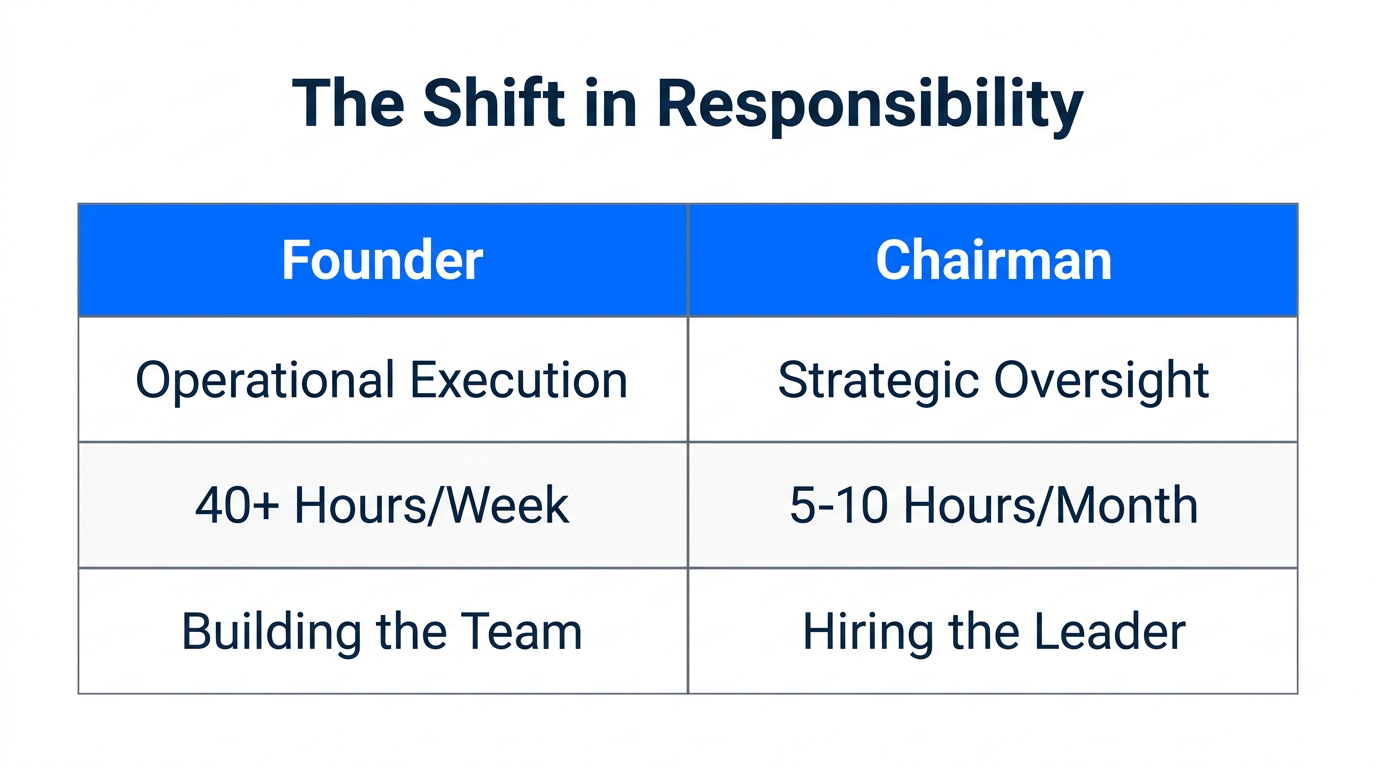
The journey of scaling a service business often stalls because the founder is the primary value driver. For Lieberman, Story ARB began as a simple experiment on Twitter (X). He validated demand by tweeting a simple offer: help for B2B executives to build their personal brands for $7,000 a month. Within 25 DMs, he knew he had something. However, true to his multipreneur vision, he didn't want to be the one writing the content or managing the clients.
Moving from founder to chairman requires a psychological shift. You must accept that you are no longer the one "flying the plane" but the one designing the airline. This transition is only possible if you can find an operator who treats the business with the same obsession you do. This is where many founders fail; they hire for skills they can teach rather than qualities that are inherent to the individual.
The 'Un-teachables' Framework: Hiring for Character
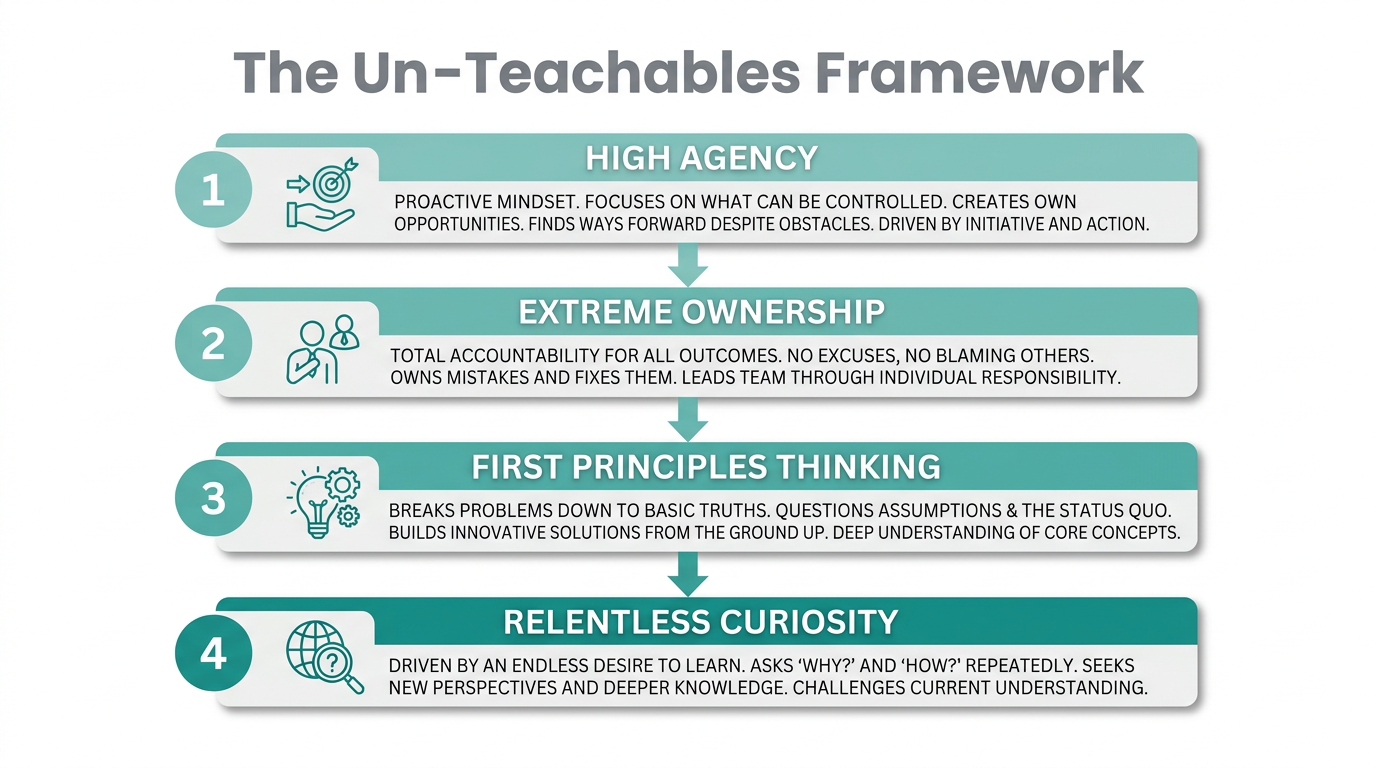
When Lieberman looks for a CEO to lead a company like Story ARB, he ignores the standard corporate resume. Instead, he focuses on what he calls the "un-teachables." These are core personality traits that cannot be instilled through a training manual or a management seminar.
- Obsessive Brain: Lieberman wants a CEO who goes to sleep and wakes up thinking about the business. This isn't about burnout; it's about a genuine, intrinsic interest in the problem the business is solving.
- Critical Thinking: The ability to look at previous experiences and understand how the current situation is different. A great leader doesn't just apply a template; they adapt.
- High Integrity: In a decentralized model, the chairman cannot micromanage. Trust is the only currency that matters.
- Relentless Work Ethic: Business at the early stage requires grit. Lieberman famously states he would bet on someone with less talent but more humility and self-awareness any day of the week.
Humility is particularly critical. A CEO with high self-awareness will call out their own blind spots before they become liabilities. This is the foundation of hiring a CEO for small business—you aren't looking for a polished executive; you're looking for a gritty operator who is willing to learn and adapt as the business scales from a "village" to a "town."
Business Operator Equity Structure and Compensation
Finding a top-tier operator is one thing; keeping them is another. The business operator equity structure must be lucrative enough to attract "A-players" who could otherwise start their own companies. Lieberman’s framework balances a stable base with massive upside.
| Compensation Component | Typical Range | Purpose |
|---|---|---|
| Base Salary | $100,000 – $200,000 | Provides security and covers lifestyle needs. |
| Equity Stake | 10% – 50% | Aligns long-term interests and ensures ownership mentality. |
| Profit Distribution | Quarterly | Keeps the operator incentivized on actual cash flow. |
| Chairman Role | Strategic Oversight | Alex provides the "marketing engine" and high-level strategy. |
This structure ensures the CEO isn't just an employee but a true partner. By offering up to 50% equity, Lieberman acknowledges that while he provides the initial spark and the marketing distribution (the "deal flow"), the operator is the one creating the sustainable value. This is especially vital when scaling a service business like a ghostwriting agency, where retention is the hardest metric to master. When using platforms like Stormy AI to source creators or manage influencer-led campaigns, having a dedicated CEO who is incentivized to track every metric—from engagement to churn—is the difference between a side project and a 10-million-dollar asset.
"I'd bet on someone who is less talented but has more humility and self-awareness because they will just grit their way to a higher ceiling."
Quarterly Profit Distributions and Long-Term Incentives
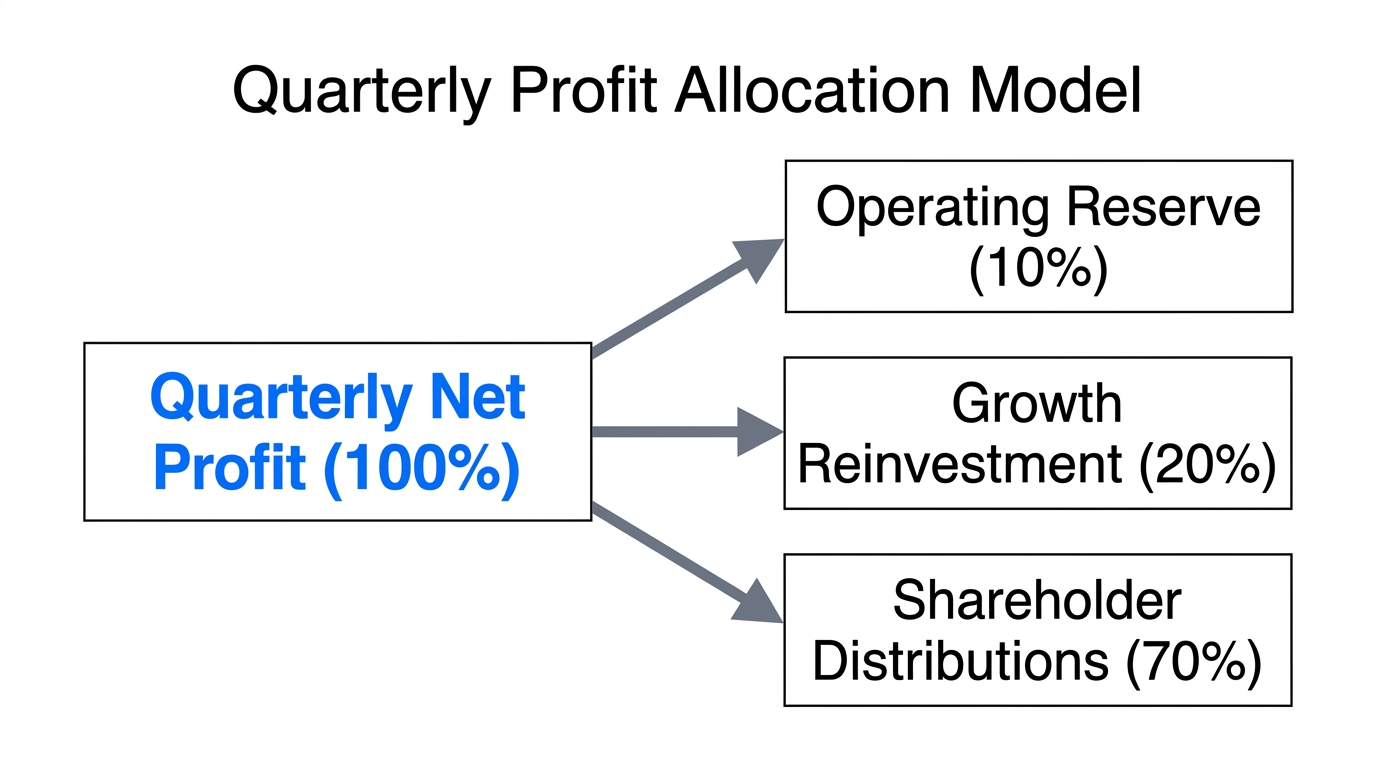
For many small businesses, "equity" feels like "monopoly money" because there is no clear path to a liquidity event. Lieberman solves this by implementing quarterly profit distributions. Once a business hits product-market fit, every dollar of profit is distributed to the equity holders according to their percentage.
If a business like Story ARB hits its goal of $3.5 million in annual profit, a CEO with 20% equity isn't just making a salary; they are taking home an additional $700,000 a year. This "cash-flow first" mentality is what makes the personal holding company model so attractive in the modern age. It moves away from the venture capital model and toward building sustainable, high-margin assets.
To maintain these margins, Lieberman’s CEOs must be obsessed with retention. In the ghostwriting space, the average client stays for 3-5 months. Lieberman’s target for product-market fit is 10 months of retention. Achieving this requires the CEO to be deeply involved in the product quality, often leveraging automation tools like Zapier or Make to streamline operations while maintaining a high-touch human element.
The Risk of Dilution and the Chairman's Value
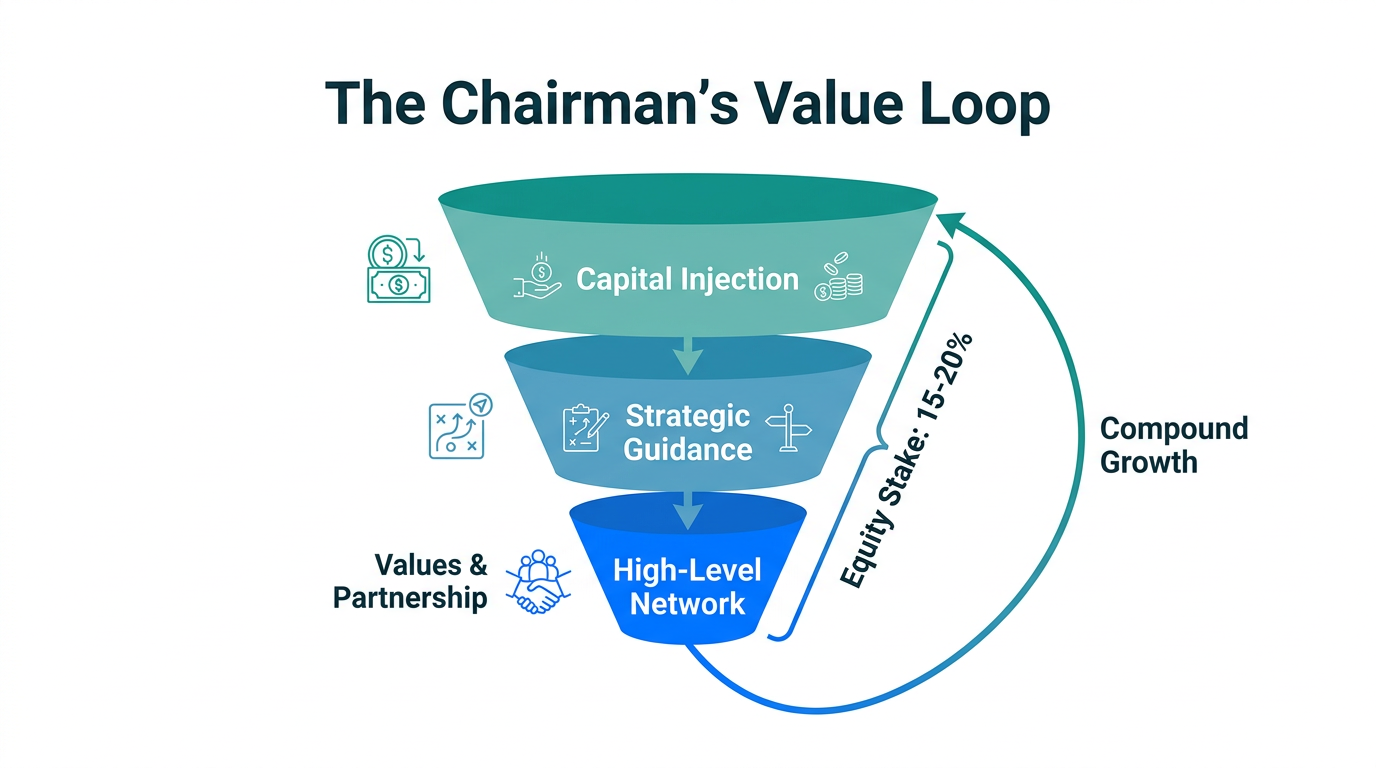
One of the biggest risks in a personal holding company is dilution of focus and equity. If a founder owns 80% of a business but provides 0% of the ongoing value, the CEO will eventually feel resentful. This is what Lieberman calls the "Founder as a Product" risk. To justify holding a majority stake, the chairman must remain in service to the CEO.
Lieberman provides value through:
- Top-of-Funnel Distribution: Using his massive social media reach to bring in clients.
- Strategic Coaching: Acting as a sounding board for high-level decisions.
- Recruitment Systems: Helping the CEO find talent, whether it's ghostwriters or account managers. For businesses looking to scale their influencer presence, platforms like Stormy AI can streamline the discovery and vetting process, allowing the CEO to focus on strategy rather than manual search.
- Capital and Infrastructure: Providing the initial investment and the "playbook" for scaling.
If the chairman stops adding value, the talent will leave. This is why hiring a CEO for small business is not a "set it and forget it" strategy. It is a constant partnership where the chairman’s job is to remove roadblocks so the CEO can run faster.
Conclusion: Building Your Own Holding Company
Alex Lieberman’s transition from founder to chairman offers a masterclass in modern entrepreneurship. By focusing on the "un-teachables," creating a performance-driven business operator equity structure, and maintaining a relentless focus on product-market fit, he is proving that you don't need to be the CEO to build a million-dollar business.
Whether you are scaling a service business or launching a niche newsletter via Beehiiv, the goal remains the same: build your own holding company that can thrive without your daily presence. Start by finding a painful problem, validate it with the lowest-cost experiment possible, and when the momentum is real, find an operator who is more obsessed with the solution than you are. That is the true path to becoming a multipreneur.