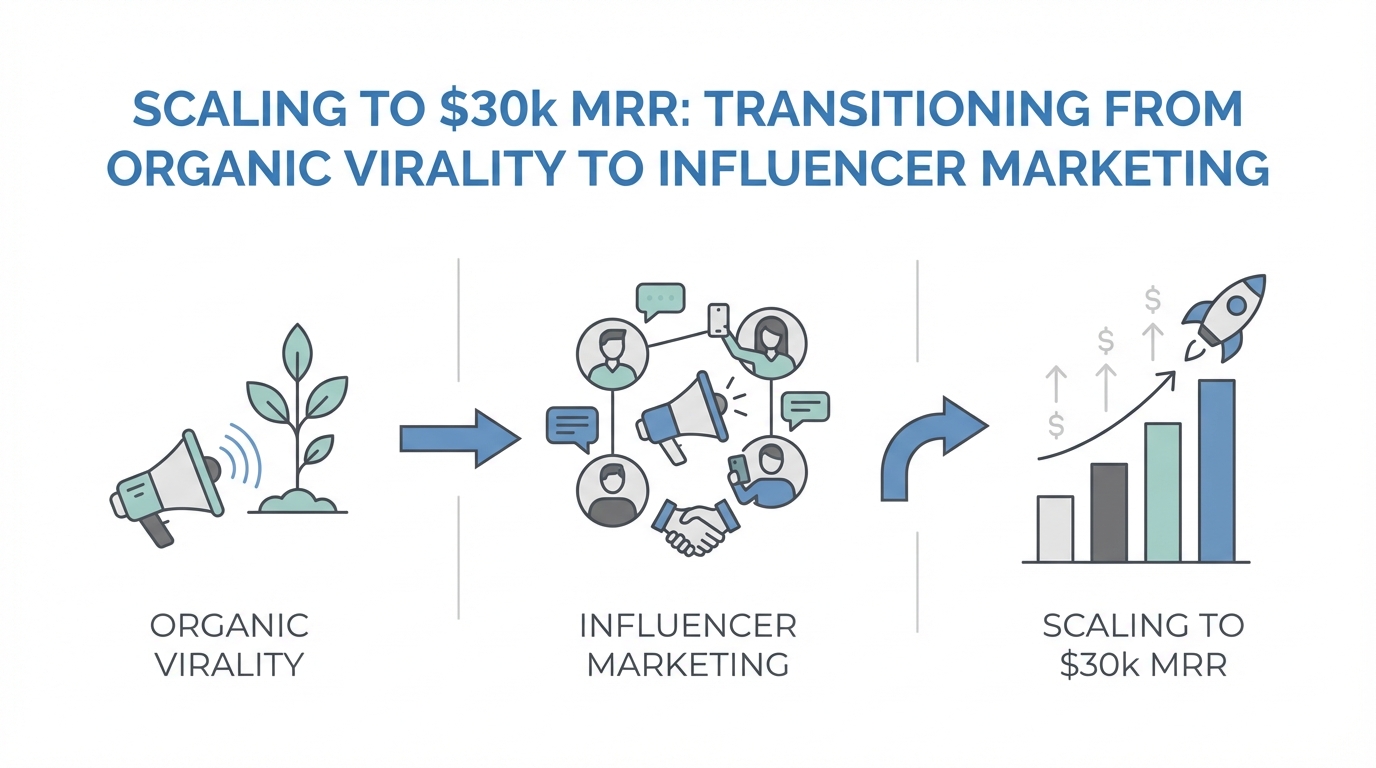
Building a successful consumer app in the modern mobile economy is no longer about just writing clean code or having the best UI. It is about cracking the code of distribution. Many founders spend months, if not years, polishing a product that eventually hits the App Store with a whisper rather than a bang. However, a new breed of entrepreneurs is flipping the script: they are validating ideas through content before writing a single line of code. By leveraging organic virality to reach the first $10k in monthly recurring revenue (MRR), they create a rock-solid foundation for a more aggressive ugc marketing strategy and paid scaling. This approach ensures that when you finally decide to scale app revenue, you are not guessing what works; you are doubling down on proven hooks.
Content First, Product Later: The Ultimate Validation
The story of Alejandro and Mario, the founders of Push Scroll, serves as a blueprint for this methodology. They built an app that generates over $30,000 a month by solving a visceral problem: doom-scrolling. But before the app even existed, they produced a fake product demo that garnered 80,000 views on TikTok. This wasn't just a vanity metric; it was a demand signal. With 500 comments begging for the app to be built, the founders had the ultimate validation. For anyone looking to scale app revenue, this content-first approach eliminates the risk of building something nobody wants.
Instead of showing a boring screen recording of a beta UI, their viral video focused on the benefit and the transformation. It showed a user doing push-ups to unlock their phone. This visual narrative appealed to a fundamental human desire: self-improvement. By using Stormy AI for post tracking and analytics, they identified that the combination of fitness and screen-time management was a winning formula. This validation phase is critical because it identifies the "visual hook" that will eventually fuel your influencer marketing for apps campaigns once you move into the scaling phase.
The $10k MRR Milestone: Why Organic is the Foundation

Many developers rush into paid acquisition too early. The roadmap to $30k MRR suggests a different path: grind organic content until you hit the $5k to $10k MRR mark. At this stage, your revenue is essentially pure profit, which provides the capital needed for ugc marketing strategy reinvestment. Organic content acts as a laboratory. By posting daily, you learn exactly which phrases, lighting setups, and call-to-actions (CTAs) resonate with your target demographic. Platforms like Stormy AI emphasize that understanding your audience's reaction to organic content is the best way to predict how they will react to a paid influencer post.
Alejandro and Mario reached this milestone by leaning into the algorithm. They didn't just post randomly; they warmed up their accounts by interacting with self-improvement content, signaling to the platform that they were part of that niche. This prevented shadowbanning and ensured their videos were shown to people who already cared about fitness and productivity. Once you have a video that hits 6 million views, like they did, the conversion to revenue becomes a mathematical certainty rather than a gamble. This organic success provides the data needed to optimize your listings on the Apple Search Ads platform, as you now know which keywords and visual assets drive the highest engagement.
The Hard Paywall Strategy: Validating Value Early
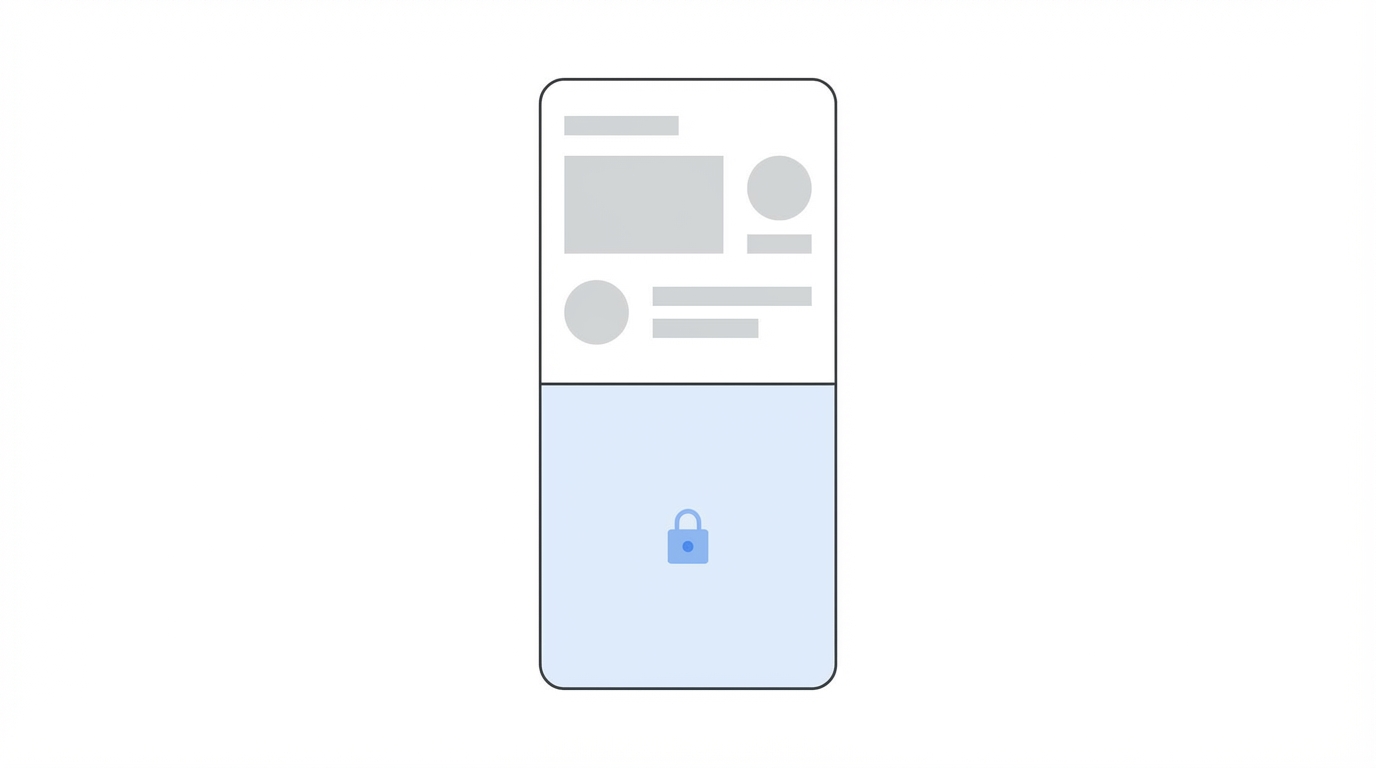
A common trap for new apps is the "freemium" model that never converts. To reach $30k MRR quickly, the founders of Push Scroll implemented a hard paywall. Aside from an initial launch week where the app was free for early adopters, every new user was met with a subscription screen. They charge roughly $30 a year, and with 4,000 paying customers out of 300,000 downloads, the math is clear. A hard paywall is the ultimate validation of value. If users aren't willing to pay for the solution to their problem, the problem might not be painful enough.
This aggressive monetization strategy is vital when you plan to transition to influencer marketing for apps. To afford high-quality creators and scale app revenue, you need a high Lifetime Value (LTV) from your users. If you are only making pennies from ads, you cannot compete in the influencer marketplace. By ensuring that every download has the potential to become a paying subscriber immediately, you create the cash flow necessary to fund your ugc marketing strategy. Tracking these conversion rates through tools like Google Ads conversion tracking allows you to see the direct ROI of your content efforts.
The Influencer Briefing Playbook: Using Organic Hooks
Once you hit $10k MRR through your own organic efforts, it is time to scale. This is where many founders fail because they give influencers too much or too little creative freedom. The secret to a successful ugc marketing strategy is to brief influencers using your own top-performing organic results. You should be able to tell a creator: "This specific hook about 'doing 20 push-ups to unlock TikTok' got us 1 million views. Replicate this in your own style."
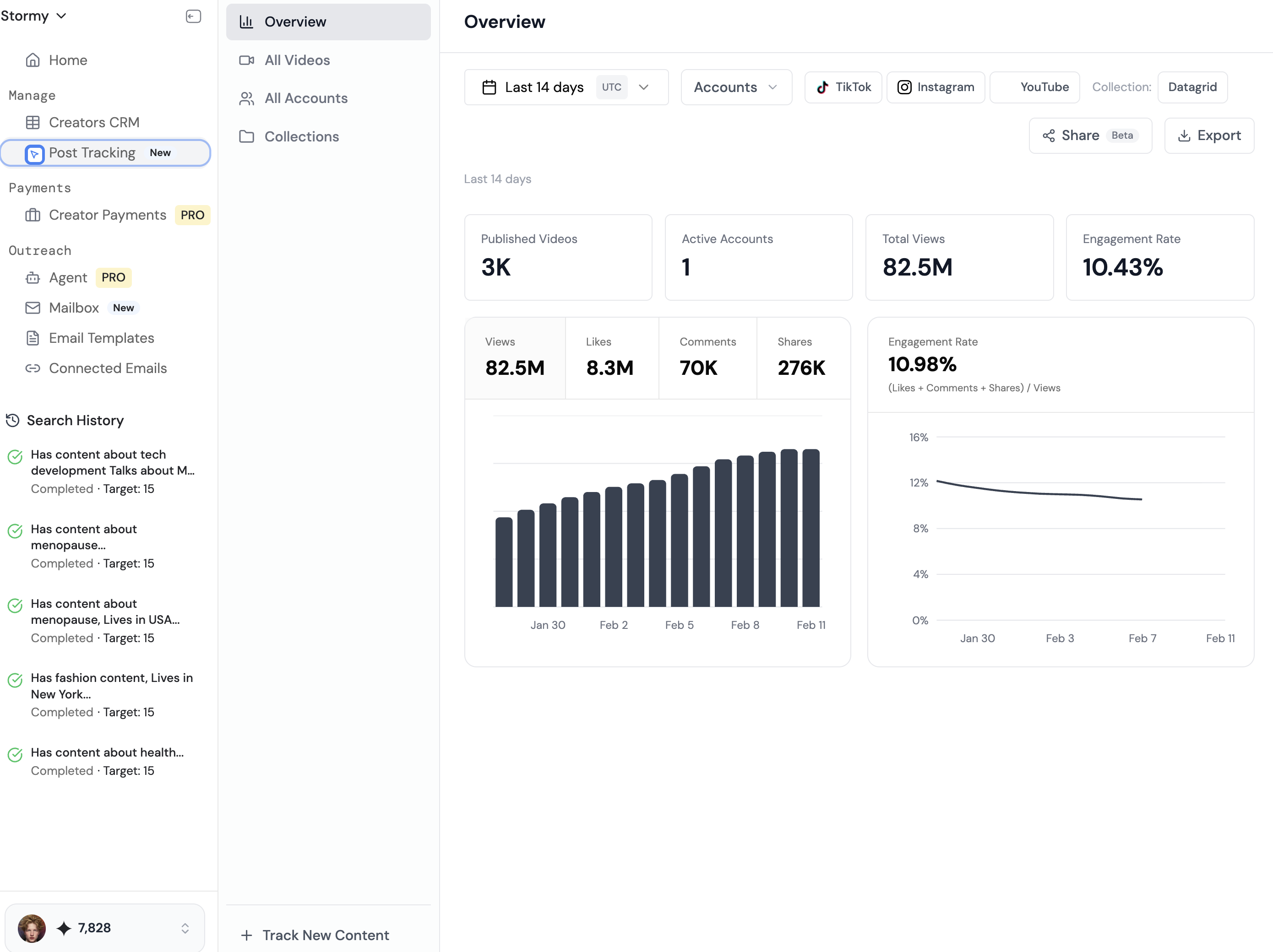
By using social media analytics for growth, you can identify the exact second people drop off in your videos. When you find a creator on Stormy AI, you aren't just looking for followers; you are looking for someone whose style matches the high-retention hooks you've already discovered. This reduces the "creative risk." Instead of hoping an influencer knows how to sell your app, you are providing them with a proven script and visual formula that has already generated thousands of dollars in revenue. Stormy AI is an all-in-one platform for creator discovery and automated email outreach, which is essential for managing mobile app marketing and UGC campaigns at scale.
Step 1: Identify the Winning Visuals
Look through your TikTok or Reels archive. Which video had the highest share rate? In the case of Push Scroll, it was the visual of the phone detecting a push-up. This is the "visual anchor" that your influencers must include. It is novel, original, and easy to understand even with the sound off.
Step 2: Define the Curiosity Gap
A good hook creates a question in the viewer's mind. "How does an app make me do push-ups?" Your influencers should lead with this curiosity gap. According to influencer marketing for apps best practices, you have less than 1.5 seconds to stop the scroll. Using a proven curiosity gap from your organic tests is the most reliable way to achieve this.
Building the Feedback Loop: From Comments to Features
One of the most overlooked aspects of using organic content to scale app revenue is the feedback loop. Every viral video is a focus group. Alejandro and Mario monitored the 500+ comments on their initial demo to understand what features to build for their MVP. Users asked for different exercises (squats, planks) and varying difficulty levels. By listening to these social media analytics for growth, they didn't waste time building features nobody wanted.
Their MVP was "embarrassingly simple": a push-up detector, an app blocker, and a settings screen. That was it. But because it solved the core pain point identified in the comments, it was enough to drive 20,000 to 30,000 downloads at launch. As you scale, your ugc marketing strategy should also evolve based on this feedback. If people in the comments of an influencer's video are asking if the app works for Instagram as well as TikTok, your next round of content should specifically highlight the Instagram blocking feature.
Transitioning to Paid Ads: The Spark Ads Secret
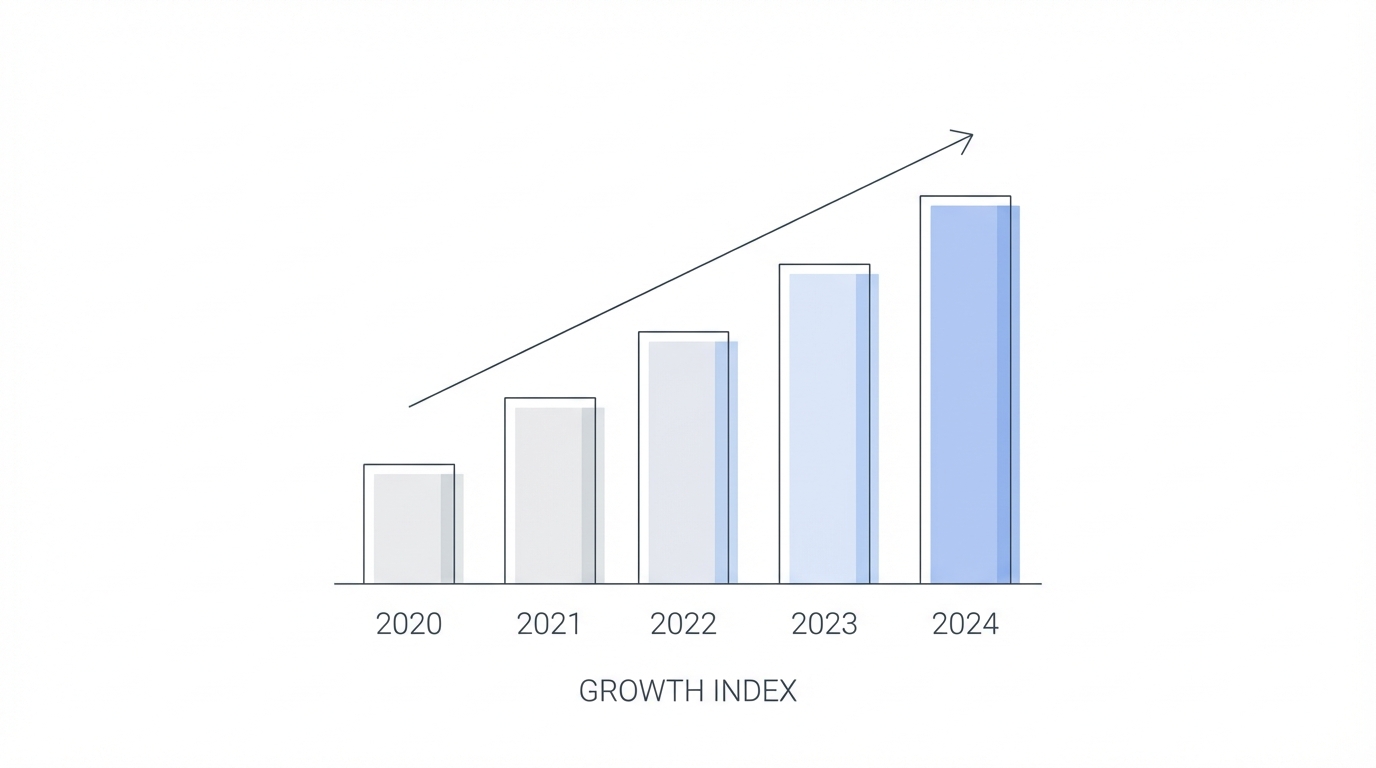
The final step in the roadmap to $30k MRR is transitioning your best organic content and influencer UGC into paid ads. The most effective way to do this is through Spark Ads (on TikTok) or Partnership Ads (on Meta). This allows you to boost the exact post that is already performing well. Instead of creating a "commercial" from scratch, you are putting a budget behind a ugc marketing strategy that has already been validated by the algorithm.
When you use influencer marketing for apps, you should always secure the rights to use the creator's content in paid ads. This allows you to leverage their face and credibility to lower your Customer Acquisition Cost (CAC). Tools like Meta Ads Manager allow you to target specific interests that align with your organic audience, such as "Biohacking" or "Fitness Tracking." By combining the authenticity of an influencer with the precision of paid targeting, you can push your revenue from $10k to $30k MRR and beyond.
Conclusion: Your Roadmap to Scaling
Scaling an app to $30k MRR is not a matter of luck; it is a matter of strategic sequencing. By starting with organic content to validate your hook, you build a foundation of data that makes your influencer marketing for apps far more effective. Remember to keep your product simple, charge early with a hard paywall, and use platforms like Stormy AI to find the right creators to amplify your message. The transition from organic virality to paid scaling is where true growth happens. If you focus on distribution first and product second, you aren't just building an app—you are building a high-growth revenue machine. Start by posting your first "fake" demo today and let the market tell you what to build next.