In 2026, the barrier to building software has effectively vanished. With the rise of advanced AI coding assistants, a solo developer can ship a production-ready mobile application in weeks rather than months. However, this ease of creation has birthed a new, more formidable challenge: the distribution crisis. As the App Store becomes increasingly crowded, traditional mobile app growth strategies like generic paid search and broad-spectrum social media posting are yielding diminishing returns. The story of Flo, the creator of the expense tracking app Monai, provides a masterclass in navigating this new landscape. By pivoting from a struggling $300/month side project to a $35,000/month powerhouse, Flo demonstrated that success this year isn't about how much you build, but how strategically you distribute.
The Distribution Dilemma of 2026
A forward-looking perspective on why app distribution requires a fundamental shift by 2026.
For the first year and a half of Monai's life, Flo followed the standard solo developer path. He iterated on features, polished the user experience, and waited for organic growth to kick in. The result? A modest $300 in Monthly Recurring Revenue (MRR). In the current market, distribution is significantly harder than building. We are living in an era where consumers are overwhelmed by choice, and the old "build it and they will come" mantra has been replaced by "build it and they will ignore it unless you have a narrative-driven distribution engine."
"I tried doing it all by myself and only made $300 per month. In just one year, my entire business completely changed because I realized building was only 20% of the battle."
The pivot occurred when Flo realized he couldn't be both the lead engineer and the head of growth simultaneously. He needed a partner who possessed the creative DNA that developers often lack. Instead of hiring a traditional marketing agency or trying to manage a massive TikTok Ads Manager budget alone, he found a single, high-alignment influencer in Colombia who could tell the story of his app to a captive audience.
The Power of the 'One Influencer' Model
Flo explains the unconventional single-influencer growth strategy that drove massive app revenue.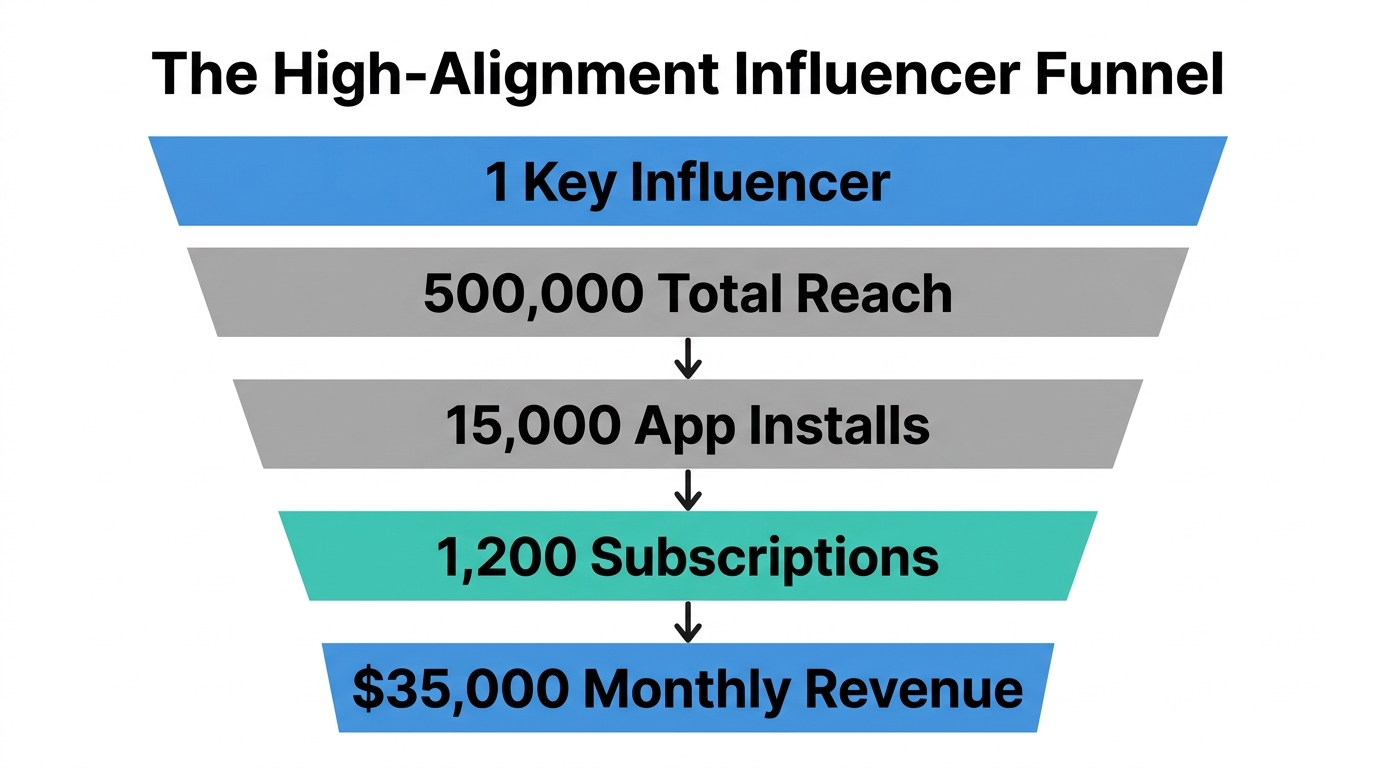
Most founders approach influencer marketing for apps in 2026 with a volume mindset. They attempt to contact hundreds of creators, hoping for a 1% hit rate. Flo’s strategy was the inverse: Quality Over Quantity. He partnered with just one creator who shared a deep alignment with the app’s aesthetic and utility. This creator wasn't a generic tech reviewer but a lifestyle-tech influencer who built a narrative around how Monai solved his own financial friction.
This "One Influencer" model avoids the common pitfalls of "brainrot" content and TikTok spam. Rather than posting dozens of low-effort videos, the partnership focused on three high-quality, story-driven videos per month. The first video alone 10xed the app's MRR within a single week. By focusing on a long-term partnership rather than one-off transactions, the influencer became a stakeholder in the app’s success, leading to more authentic content that converted at a much higher rate than any Google Ads campaign could achieve.
"We scaled by 10,000% not by spamming the internet, but by finding one person who could explain the 'why' behind the app better than I ever could."
| Strategy | Mass Influencer Spam | The High-Alignment Model |
|---|---|---|
| Creator Count | 50-100+ | 1-3 Core Partners |
| Content Style | Generic/Trends | Story-driven/Lifestyle |
| Incentive | Flat Fee per Post | Profit Sharing + Retainer |
| Conversion | Low (0.5% - 1%) | High (5% - 12%) |
The Monetization Playbook: Implementing a Hard Paywall
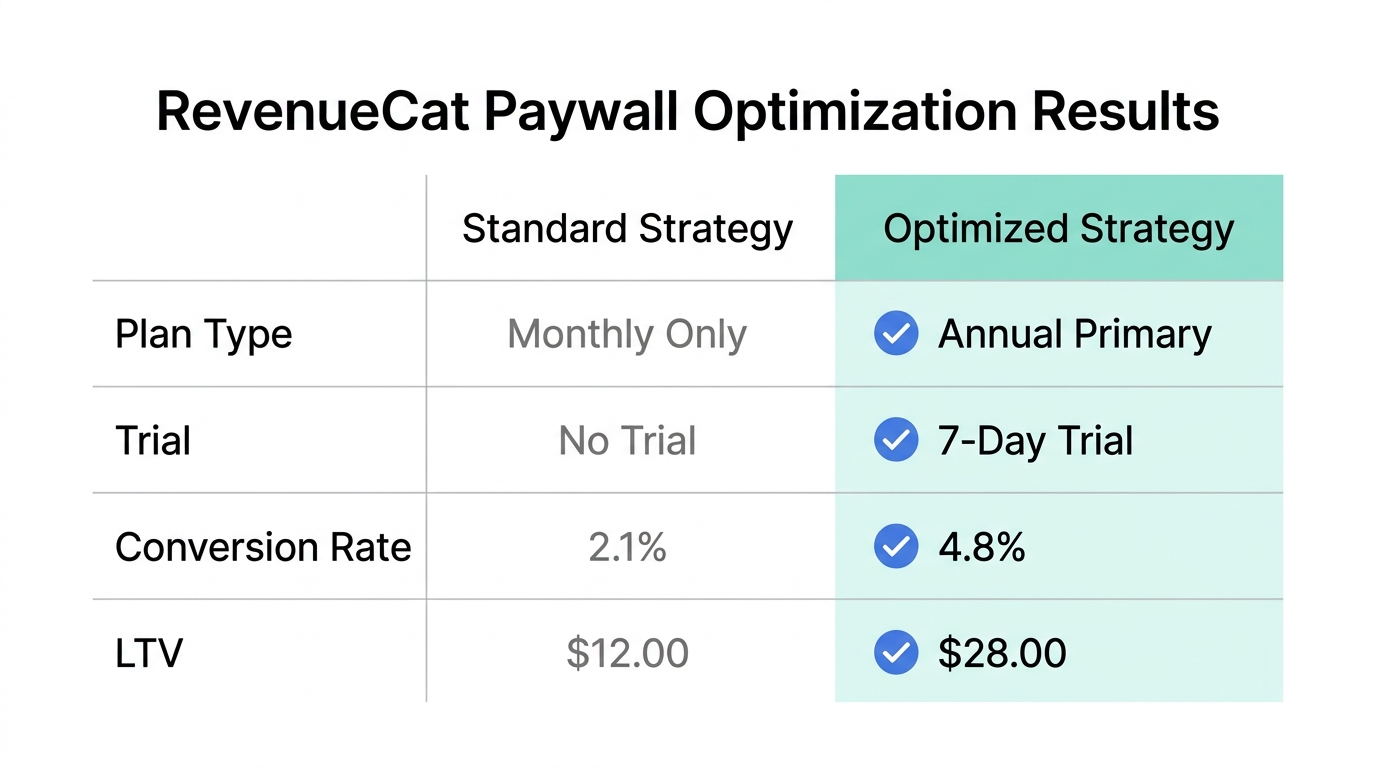
While distribution brought users through the door, it was a rigorous RevenueCat monetization guide implementation that turned those users into revenue. Initially, Monai used a freemium model, which is a common trap for new developers. Through A/B testing, Flo discovered that a hard paywall with a 7-day free trial outperformed every other model. This strategy forces the user to make a decision about the value of the app immediately upon entry, which is critical for maximizing the ROI of influencer-driven traffic.
Using RevenueCat, Flo was able to iterate on pricing and paywall design without needing to resubmit the app to the App Store for every change. This speed allowed him to capture the surge of traffic from viral videos effectively. When a video hits 1.7 million views, every percentage point of conversion on that paywall translates to thousands of dollars in MRR. The 7-day trial provides enough of a window for the AI-driven features—like voice input and Apple Pay automation—to become a habit for the user.
For those managing complex subscriptions, tools like RevenueCat are essential for tracking cohorts and understanding churn. It allowed Flo to see exactly which influencer videos were producing the highest LTV (Lifetime Value) users, rather than just looking at raw download numbers.
Claude Code: The Secret Weapon for Rapid Iteration
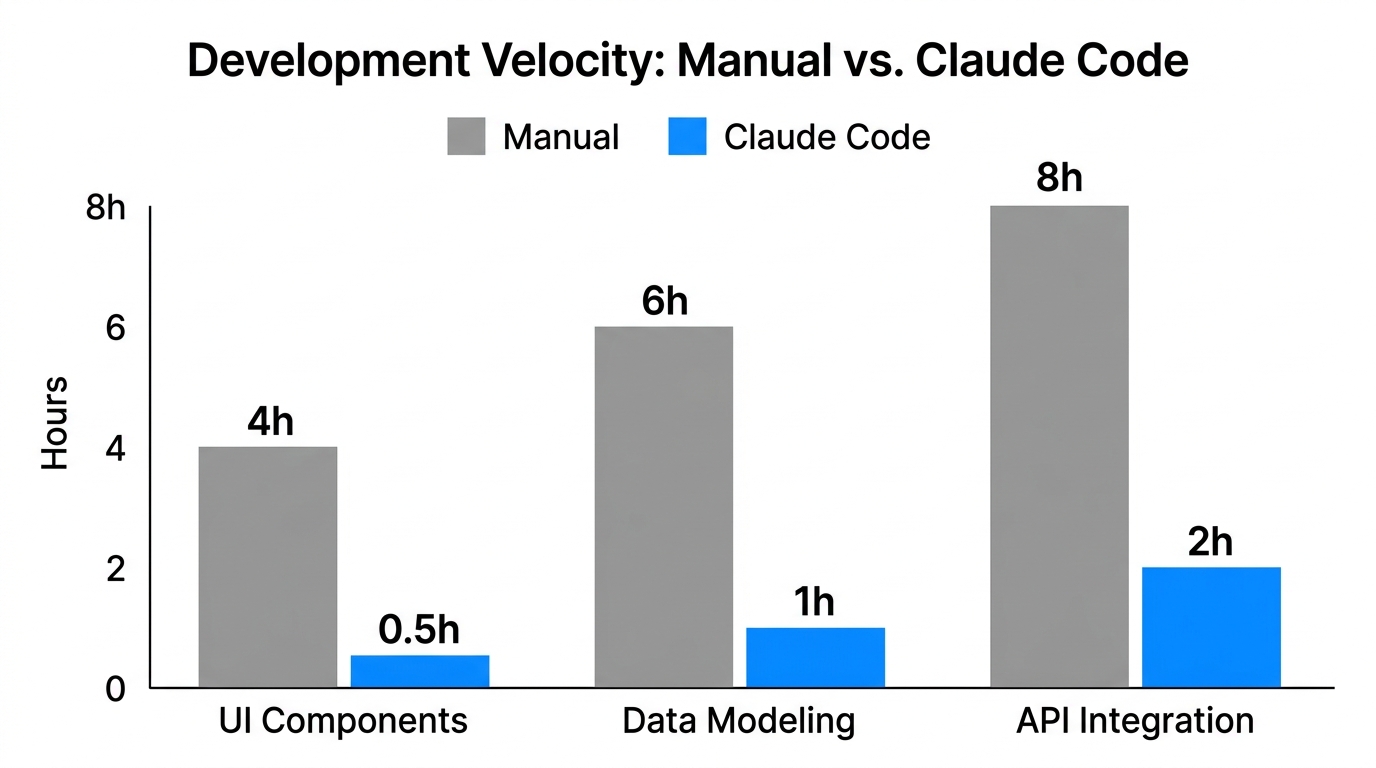
In the high-stakes world of influencer marketing, the feedback loop must be near-instant. When the Colombian influencer’s audience requested a specific feature—like deeper AI-driven financial analysis or better tagging—Flo used Claude Code to ship those updates in record time. Using the max plan of Claude's coding environment, he could handle complex refactors and new feature implementations that would have previously taken days.
This rapid iteration is a core part of the app distribution playbook. When a creator can tell their audience, "I told the developer we wanted this feature, and he built it for us today," it creates a level of community loyalty that is impossible for larger, more bureaucratic apps to match. Flo combined this with Appwrite for a robust, scalable backend and authentication system, ensuring the app didn't crash when traffic spiked after a major shoutout.
"I use Claude Code extensively... it’s the difference between being a developer who maintains an app and a founder who grows a business."
A 5-Step Playbook for High-Alignment Partnerships
Discover the specific steps for finding and vetting the perfect influencer partner.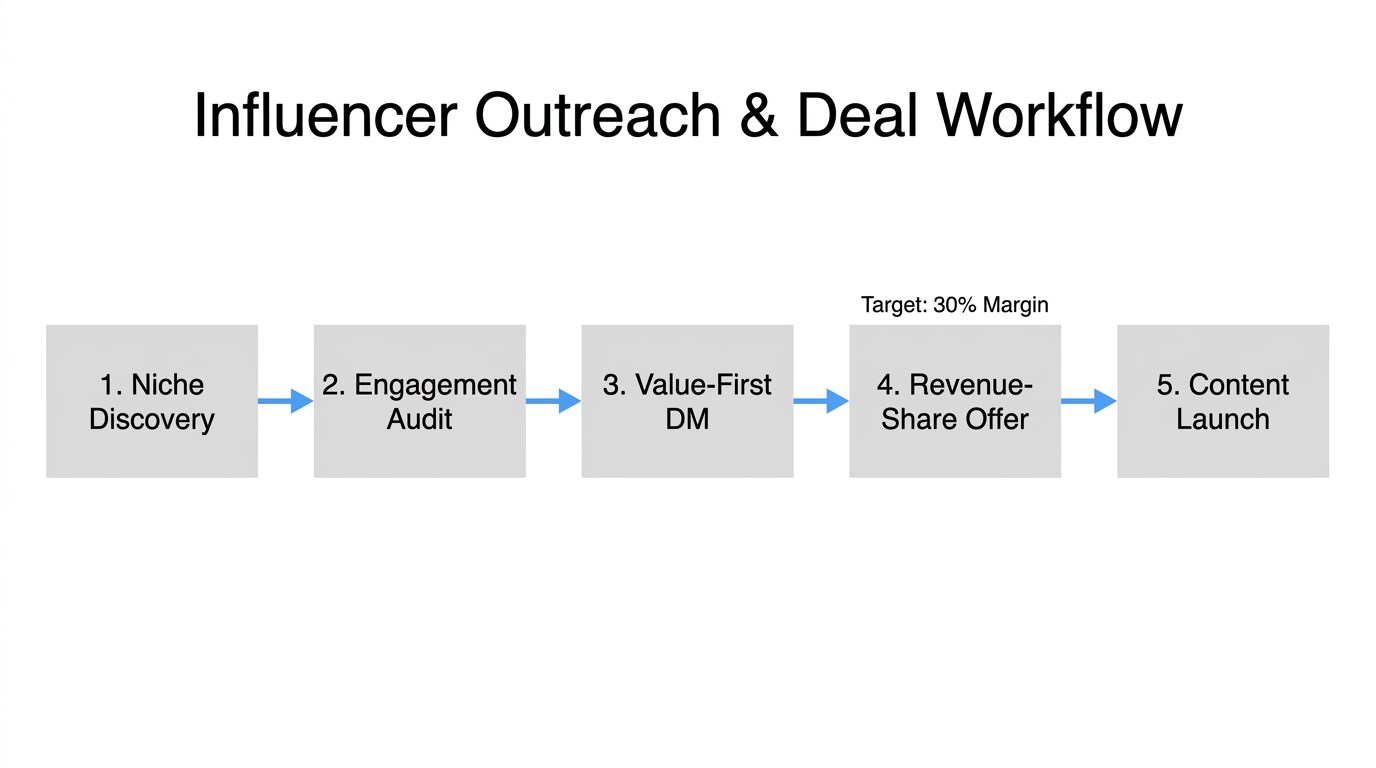
If you are starting from scratch in 2026, finding the right partner is your top priority. While you can manually search through TikTok or Instagram, platforms like Stormy AI streamline creator sourcing by allowing you to search for influencers who specifically match your app's aesthetic and target demographic. Here is the playbook Flo suggests for nailing these partnerships:
- Find Aligned Partners: Look beyond tech influencers. Seek out creators whose lifestyle and tone match your product. If your app is minimalistic and aesthetic, your creator should be too.
- Warm Up the Relationship: Don't lead with a cold pitch. Follow them, engage with their content, and understand their "vibe" first.
- Specific Outreach: Reference a specific video or joke they made. Show them you actually watch their content. A personalized video message can increase response rates by 500%.
- Connect the Dots: Explain why their audience specifically will benefit from your app. Don't make it a transaction; make it an alignment.
- Signal Willingness to Pay: Acknowledge their value early. Whether it's a retainer or profit sharing, make it clear this is a professional partnership.
One of Flo’s most contrarian moves was looking outside the US market. By targeting Colombia, he found a high-growth market with lower competition for influencer attention. For founders in 2026, emerging markets represent a massive arbitrage opportunity. You can build a $35K/month business by being the #1 app in a specific region rather than #500 in the US.
From Revenue-Sharing to Profit-Sharing
Learn how to structure profit-sharing deals that keep influencers motivated for long-term growth.The structure of the deal is just as important as the person you sign. Flo initially experimented with revenue-sharing but found that profit-sharing was the superior model for long-term alignment. When an influencer takes a percentage of the profits, they are incentivized to think like a business owner. They become conscious of ad spend, server costs, and user retention.
This skin-in-the-game approach ensures that the influencer isn't just "posting a video and calling it a day." Instead, they are constantly thinking about how to improve the app's narrative to drive better conversions. To manage this effectively, tools like Sensor Tower can help you show potential partners the revenue potential of your niche, providing them with a "future mental model" of what the collaboration could achieve.
| Tool | Purpose in Flo's Stack | Monthly Cost (Est.) |
|---|---|---|
| Claude Code | Feature shipping/Iterations | $100 |
| RevenueCat | Monetization/A/B Testing | $400 |
| Appwrite | Backend/Database | $25 |
| OpenAI/Anthropic | AI Logic/Reports | $200 |
Conclusion: The Founder Pivot
Scaling Monai to $35K/month required Flo to stop thinking like a coder and start thinking like a growth lead. The tech stack of 2026—comprised of RevenueCat for monetization, Claude for development speed, and Stormy AI for creator discovery—provides all the leverage a solo founder needs. However, the true catalyst was the courage to share his business with a partner who could carry the message further than he could alone.
If you're currently stuck at the $300/month mark, the answer likely isn't more code. It's a better distribution playbook. Find your aligned creator, implement a high-converting monetization strategy, and use AI to ship the features your users actually want. The opportunity in the global app market has never been larger for those willing to embrace the partnership model.