In the competitive landscape of mobile app development in 2026, the gap between a struggling side project and a high-revenue machine is no longer defined by your coding speed, but by your marketing automation efficiency. As we move further into this year, the most successful developers are moving away from manual content creation and toward autonomous growth systems. One of the most powerful frameworks emerging is the Larry Loop, a strategy popularized by growth hacker Oliver Henry that utilizes an AI agent—specifically OpenClaw—to bridge the gap between social media virality and recurring revenue.
By treating an AI agent as a digital employee rather than a simple chatbot, app builders are scaling from $300 to over $1,000 MRR (Monthly Recurring Revenue) with zero manual content production. In some cases, power users like Ernesto Lopez have even reported scaling to over $70,000 MRR by implementing these exact automated growth hacking loops. This article breaks down the mechanics of the Larry Loop and how you can implement it for your own business growth this year.
The Larry Loop: A Framework for Autonomous Growth
Discover the Larry Loop framework for continuous content improvement and viral marketing.
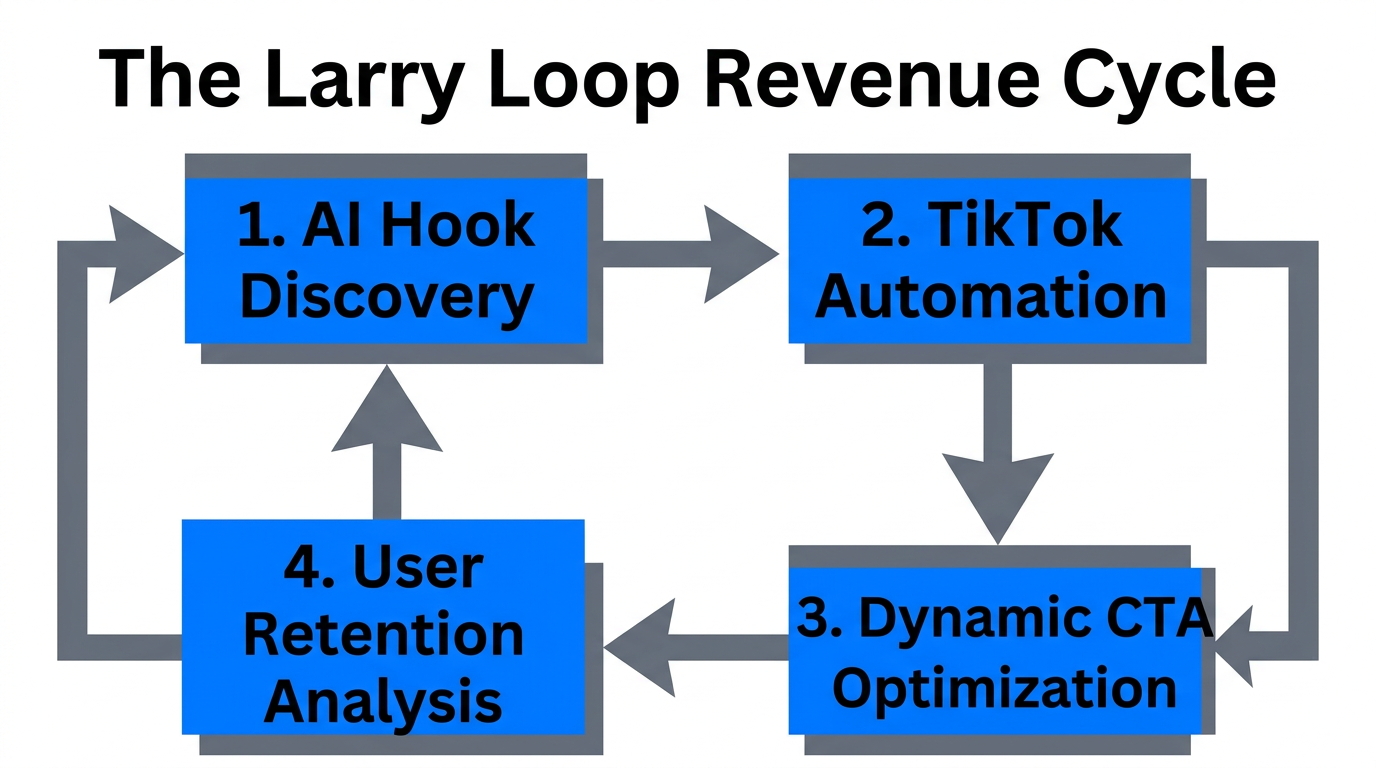
The Larry Loop is an iterative cycle where an AI agent (named "Larry" in the original case study) manages the entire marketing funnel. Unlike traditional TikTok marketing, where a human must guess what content works, the Larry Loop relies on a continuous feedback loop of data. The agent is given access to platform analytics, research tools, and content generation models to optimize performance autonomously.
The loop consists of four distinct stages:
- Research & Discovery: The agent uses tools like a Brave browser or specialized search skills to identify trending slideshow formats and hook patterns within a specific niche.
- Content Generation: Using models like Dall-E 3 or Gemini Nano, the agent creates visual assets and pairs them with high-converting text overlays.
- Execution via Drafts: To avoid being flagged as bot traffic by social algorithms, the agent uploads content as drafts. The human user then adds trending audio—a critical factor for the TikTok algorithm—and hits publish.
- Data Ingestion: The agent analyzes the performance of the posts (views, likes, shares) and, more importantly, the resulting app downloads and subscription data. This information is fed back into the next iteration of content.
"The Larry Loop is more about the iteration than it is about the content creation. It’s a fuller picture of feeding app metrics back into the top of the funnel."Optimizing the Call to Action (CTA): Identifying the Funnel Break
Analyze why your CTAs might be failing and how to optimize for downloads.One of the biggest mistakes marketers make is assuming that low revenue is always a "view" problem. In the Larry Loop strategy, AI analysis is used to determine whether a campaign is suffering from a hook problem or a closing problem. If your videos are getting millions of views on TikTok but your app MRR isn't budging, you have a closing problem (CTA). If your videos are stalling at 200 views, you have a hook problem.
| Metric Symptom | Diagnosis | AI Intervention Strategy |
|---|---|---|
| High Views / Low Downloads | Bad CTA | Rewrite the final slide; make the app name and value prop explicit. |
| Low Views / High Conversion | Bad Hook | Iterate on the first 2 seconds; try "Reveal" or "Curiosity" patterns. |
| High Views / High Churn | Onboarding Friction | Rewrite in-app onboarding flows based on user sentiment. |
For example, in the early stages of the "Snugly" app case study, the AI agent generated a CTA that simply said "Snugly" over a picture of a living room. Unsurprisingly, conversion was near zero. Once the agent was instructed to analyze why the conversion was low, it updated the CTA to: "The Snugly app finally helped me convince her to get the kitchen done." This direct tie-in to the content's narrative led to a significant spike in downloads and paid subscriptions.
The Reveal vs. Curiosity: Hook Patterns That Scale App Revenue
Master the latest hook patterns that drive millions of views on social media.In 2026, social media users are increasingly savvy to AI-generated content. To combat "AI fatigue," the Larry Loop focuses on psychological triggers rather than perfect production quality. In fact, some of the best-performing content in the case study was intentionally imperfect. When the AI agent placed text in a way that obscured part of an image, "boomer" users on social media would comment to point out the mistake. This engagement drove the algorithm to push the video to hundreds of thousands of additional viewers.
Two primary hook patterns emerged as winners for scaling AI marketing ROI:
- The Reveal Hook: "I showed my [Family Member/Landlord] what AI thinks our [Room/Life] could look like." This creates an emotional connection and demonstrates the app's utility.
- The Curiosity Hook: "I've been staring at this boring kitchen for 3 years... then I found this." This leans into the user's desire for a transformation.
By using an agent to cycle through these patterns, you can identify which resonates most with your demographic. When a specific hook like "I showed my Nan" gets 300,000 views, the agent should be programmed to double down on that persona while slightly varying the visual content to avoid stagnation.
"Humans are extremely good at recognizing what an AI human is, which makes them turn off. Focus on reveals and curiosity hooks instead of AI avatars."Rewriting In-App Onboarding Based on Social Sentiment
Automate your app's onboarding flow using AI agents and real user data.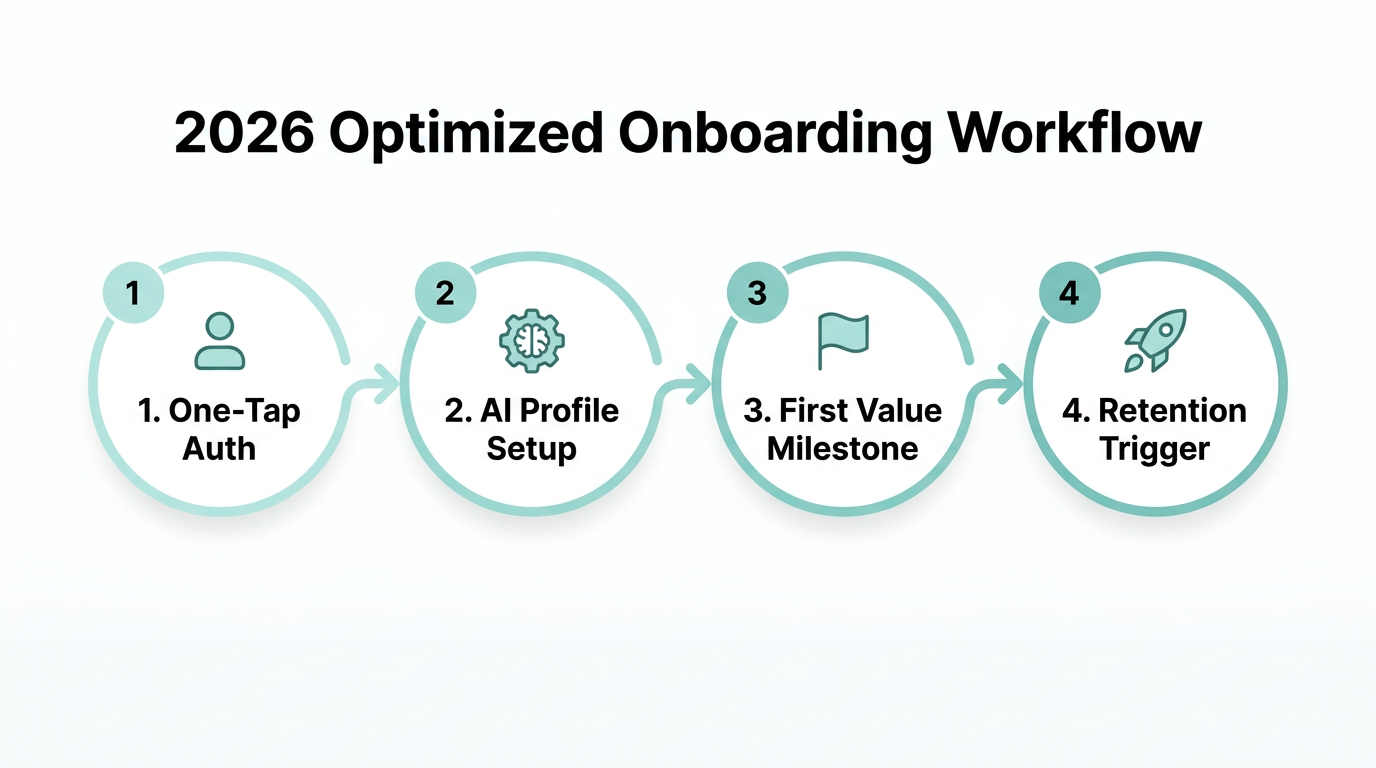
The Larry Loop doesn't stop at the download. To truly scale app revenue with AI, you must address the churn that often follows viral traffic. If your agent is bringing in thousands of new users, but they are unsubscribing within 24 hours, the disconnect often lies in the onboarding flow. An advanced strategy for 2026 involves feeding your Mixpanel or Amplitude analytics back into your OpenClaw agent.
The agent can then compare what was promised in the viral TikTok slideshow to what the user actually experiences when they first open the app. If the TikTok promised a "3-second room redesign" but the app requires a 10-step registration, the agent can vibe code a new, streamlined onboarding flow. Oliver Henry noted that by letting his agent rewrite the onboarding for his app, he saw a massive increase in new subscribers, even while managing the inherent churn of social-sourced traffic.
Scaling with Influencer Marketing Automation
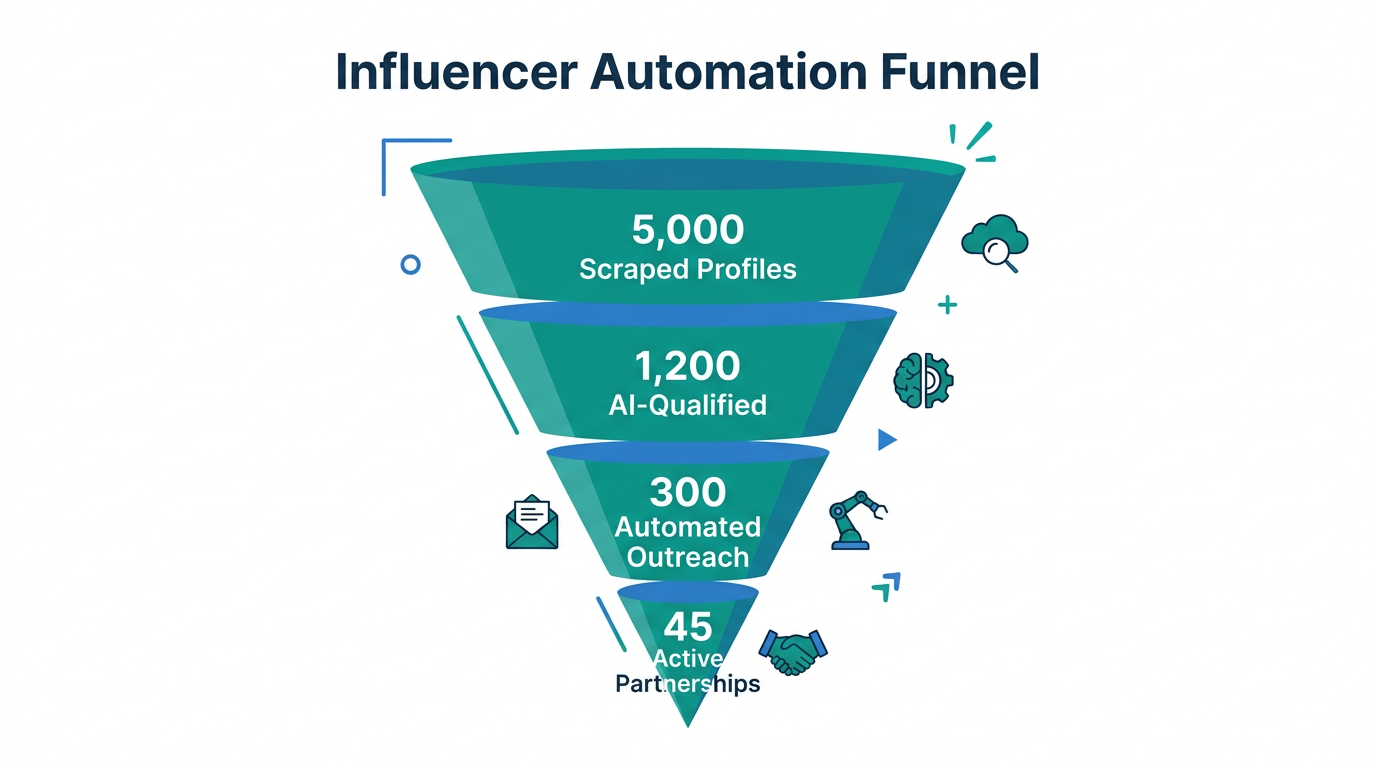
While autonomous agents like Larry are excellent for creating own-media content, automated growth hacking in 2026 also requires a strategy for earned media. This is where Stormy AI becomes an essential part of the stack. While OpenClaw handles the iteration of your internal accounts, Stormy AI can be used to find human creators who can replicate your winning AI hooks.
For instance, if your AI agent discovers that the "Landlord Roast" hook is driving the highest ROI, you can use Stormy AI to discover creators in the home renovation or finance niches who have high engagement. You can then use Stormy’s AI outreach to send personalized emails to 50 creators at once, asking them to create a human version of your viral AI slideshow. This hybrid approach—combining influencer marketing automation with autonomous AI content—is how brands move from $1,000 MRR to $10,000+ MRR.
Managing Churn and Improving LTV with Autonomous Agents
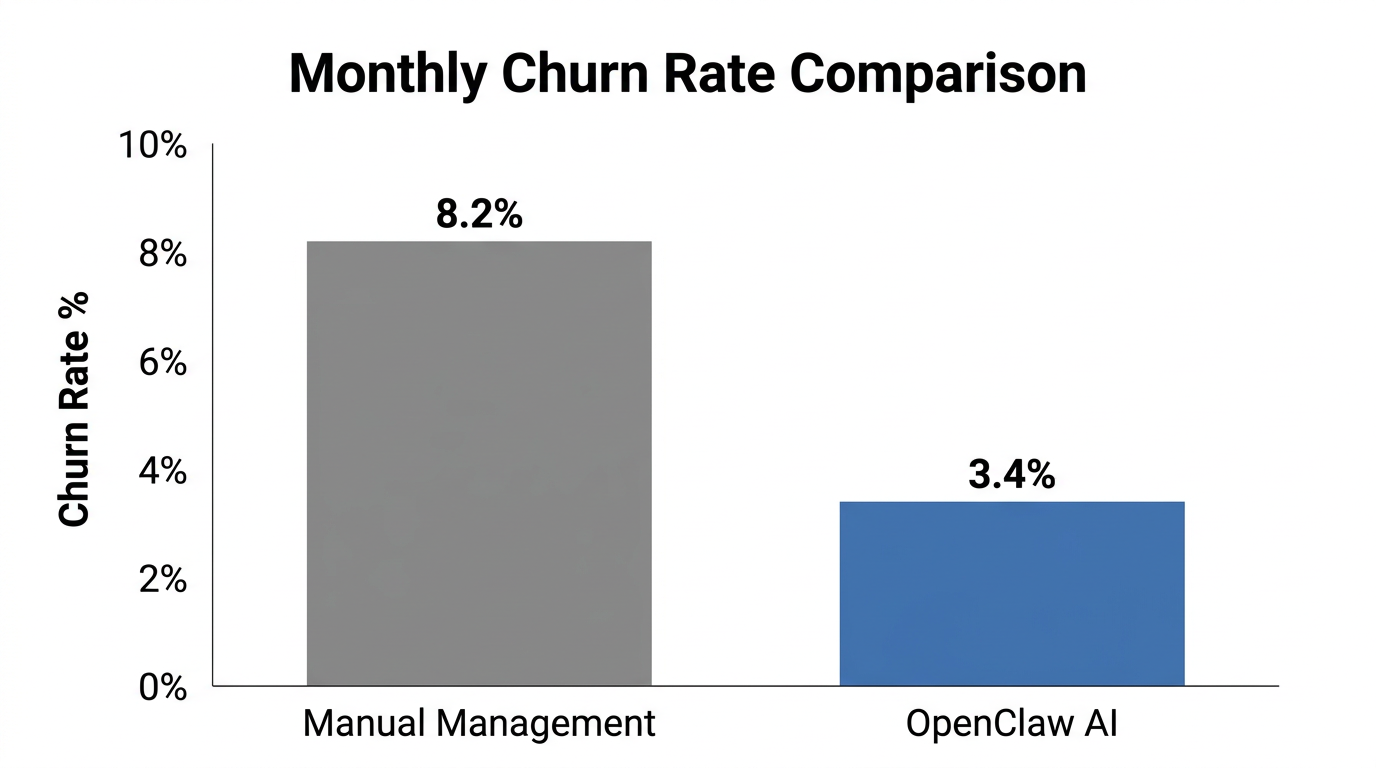
The final piece of the Larry Loop is Lifetime Value (LTV) optimization. In the age of AI, you can set up autonomous agent interventions to handle churn. If a user cancels their subscription, an agent can be triggered to send a personalized message or offer based on that user's specific app usage history.
Because OpenClaw can run locally on your own machine, you own the data and the "memory files" of your business. This allows the agent to maintain deep context about your customers without relying on expensive, third-party Creator CRM platforms. By keeping your "SkillMD" files updated with the latest user feedback, your agent becomes a self-correcting system that improves your product as it markets it.
"The whole 'localhost me' meme has come true. You can host your growth engine locally on your machine because you own the files and the context."Conclusion: Your First Step in the Larry Loop
Scaling app revenue in 2026 doesn't require a massive marketing team; it requires the courage to let an AI agent "go nuts" on your data. The Larry Loop proves that by automating the research, creation, and feedback phases of marketing, developers can focus on building better products while the revenue grows in the background.
Start by installing OpenClaw and experimenting with a single marketing skill. Use tools like Canva for your initial templates, but quickly transition to AI-generated assets as your agent learns your audience's preferences. When you're ready to scale beyond your own accounts, leverage Stormy AI to find the influencers who will take your viral hooks to the mainstream. The future of app growth is autonomous—it’s time to close the loop.