The landscape of mobile user acquisition has undergone a seismic shift as we move through 2026. Gone are the days when a massive Facebook Ads budget was the only gateway to the Top Charts. Today, the most efficient growth teams are leaning into a creator-led distribution model that prioritizes authenticity over algorithmic brute force. We recently sat down with Evan, the founder of Locked, who scaled his gamified fitness app to $14,000 per month in just four months without spending a dime on traditional paid media. His secret? A hyper-systematized approach to organic short-form strategy on platforms like TikTok, Instagram Reels, and YouTube Shorts.
The Rise of Low-Cost User Acquisition in 2026
Evan outlines his strategic playbook for achieving low-cost user acquisition and scaling revenue growth.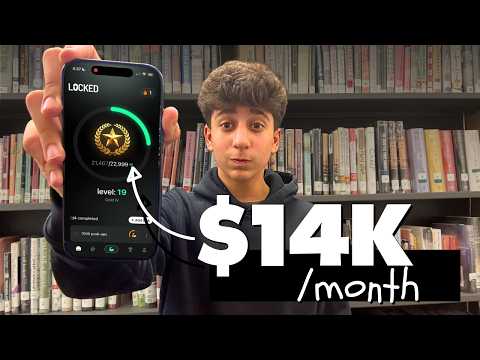
In the current market, distribution is everything. You can build the most beautiful app in the world using Figma and Xcode, but if you don't have a reliable way to get it in front of eyes, it will die in the App Store graveyard. Evan’s journey with Locked proves that UGC for mobile apps is no longer just a "nice to have"—it is the primary growth engine for bootstrapped startups. By partnering with creators who already possess high-trust relationships with their audiences, apps can achieve a level of authenticity that traditional banner ads simply cannot replicate.
As Pat Walls of Starter Story points out, many successful founders are now utilizing a "vibe coding" or rapid-development approach, but the bottleneck remains marketing. Evan's playbook focuses on reverse-engineering what works on short-form video to drive low-cost user acquisition that scales predictably.
"Most founders spend months trying to figure out how to get their first user, but the ones who win in 2026 understand that attention is the new currency."
Identifying 'Viral Fit': The Niche Alignment Formula
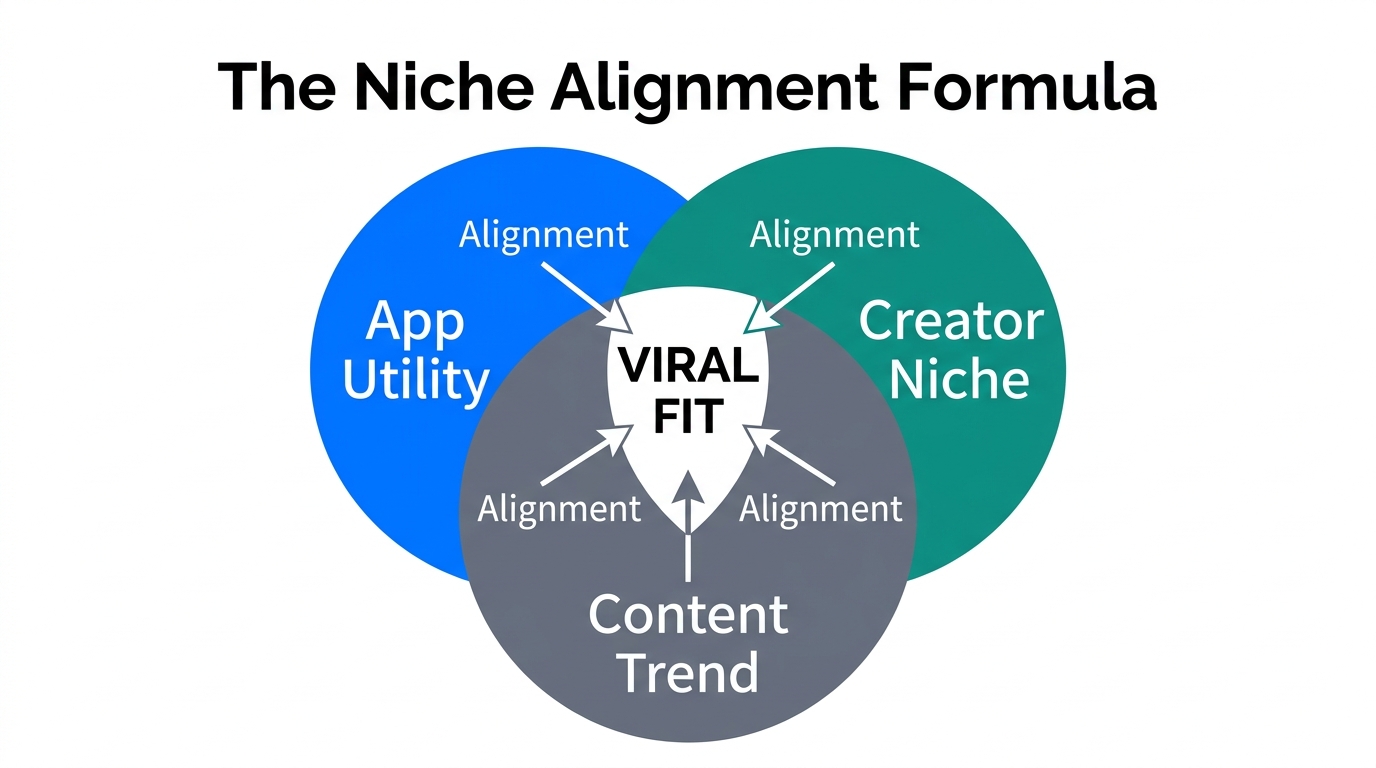
One of the most common mistakes in TikTok app marketing 2026 is hiring creators based solely on follower count. This is a vanity metric that rarely translates to downloads. Instead, Evan focuses on 'Viral Fit'—the intersection between a creator's existing content style and the app’s core utility. For the Locked app, which focuses on gamified productivity and fitness, the ideal creator wasn't just a "fitness influencer," but someone like Jeremiah Jones, whose content focuses on the "locked in" lifestyle.
To find these creators efficiently, growth teams are moving away from manual scrolling and toward AI-powered discovery tools. Platforms like Stormy AI allow you to search for creators using natural language prompts, ensuring you find individuals whose audience quality and niche alignment are verified before you ever send an outreach email. When the creator’s message aligns with the app’s purpose, the integration feels seamless.
Evan identifies three pillars of a successful creator partnership:
- High Engagement: Look for quality comments and active discussions, not just view counts.
- Audience Alignment: The creator’s core topics must naturally lead into the app’s use case.
- Content Integration: The app should be introduced within the first 15 seconds of the video to maximize retention and conversion.
The 1.8k Downloads/1M Views Ratio: Benchmarking Performance
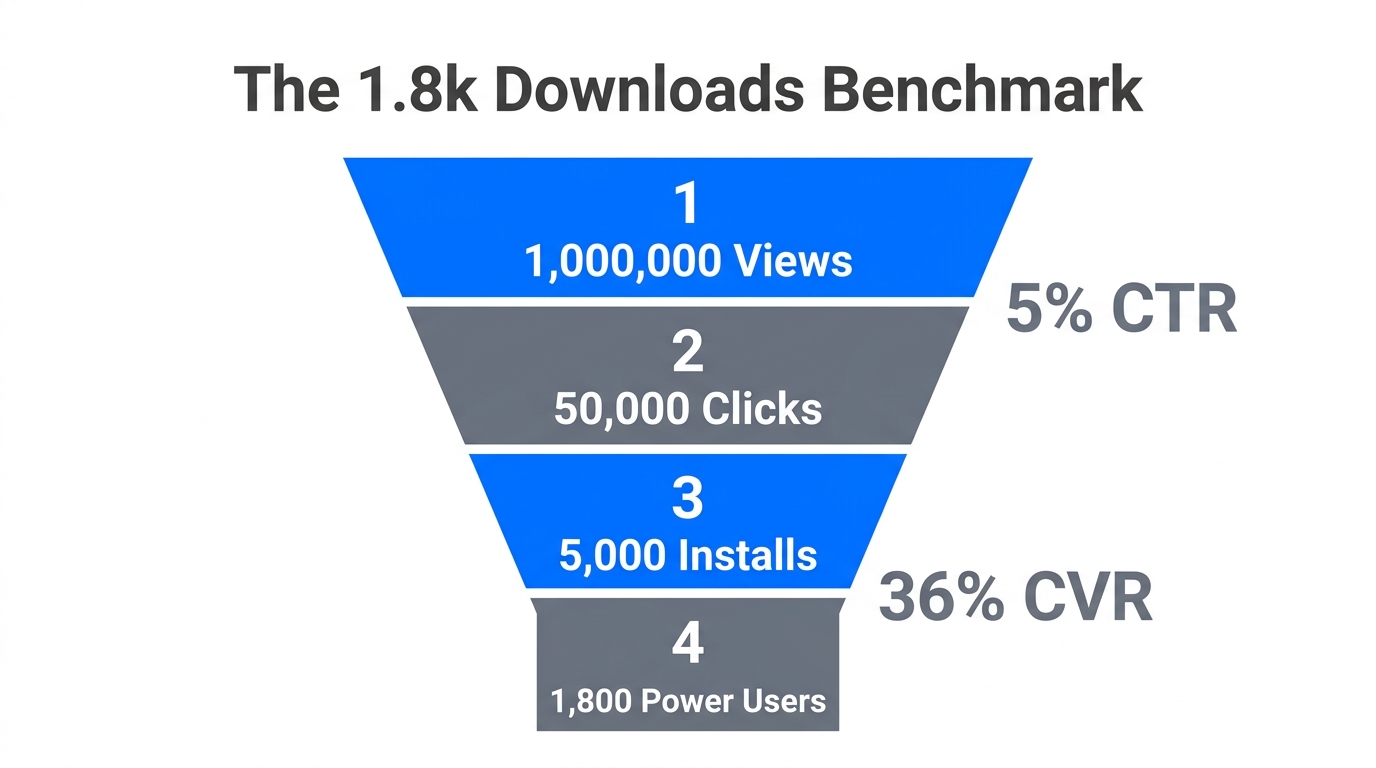
One of the most valuable insights from the Locked case study is the concrete performance data. When a video hits the "FYP" (For You Page) or goes viral on Reels, what can you actually expect in terms of revenue? Evan noted that a single viral piece of content with approximately 1 million views across platforms generated roughly 1,800 downloads and $3,000 in revenue.
| Metric | Benchmark (per 1M Views) | Target Goal |
|---|---|---|
| App Installs | ~1,800 | Maximize ASO to boost this |
| Revenue Generated | ~$3,000 | Focus on Paywall Optimization |
| Creator Cost | ~$800 - $1,200 | Keep CPM below RPM |
| Net Profit | ~$1,800+ | Sustainable scaling |
This creates a clear mathematical framework for scaling. If your RPM (Revenue Per Mille) is around $2 to $3, you must ensure your CPM (Cost Per Mille) for creator deals stays significantly lower—ideally in the $1.00 to $1.50 range. By maintaining this spread, you ensure that every view generated by a creator is contributing to the bottom line rather than just burning through your marketing budget.
"The math is simple: If you can consistently close creators at a CPM lower than your RPM, you have an infinite money machine."
Structuring Minimum View Clause (MVC) Deals to De-Risk Spend
A deep dive into negotiating influencer deals using a five-hundred-thousand minimum view clause.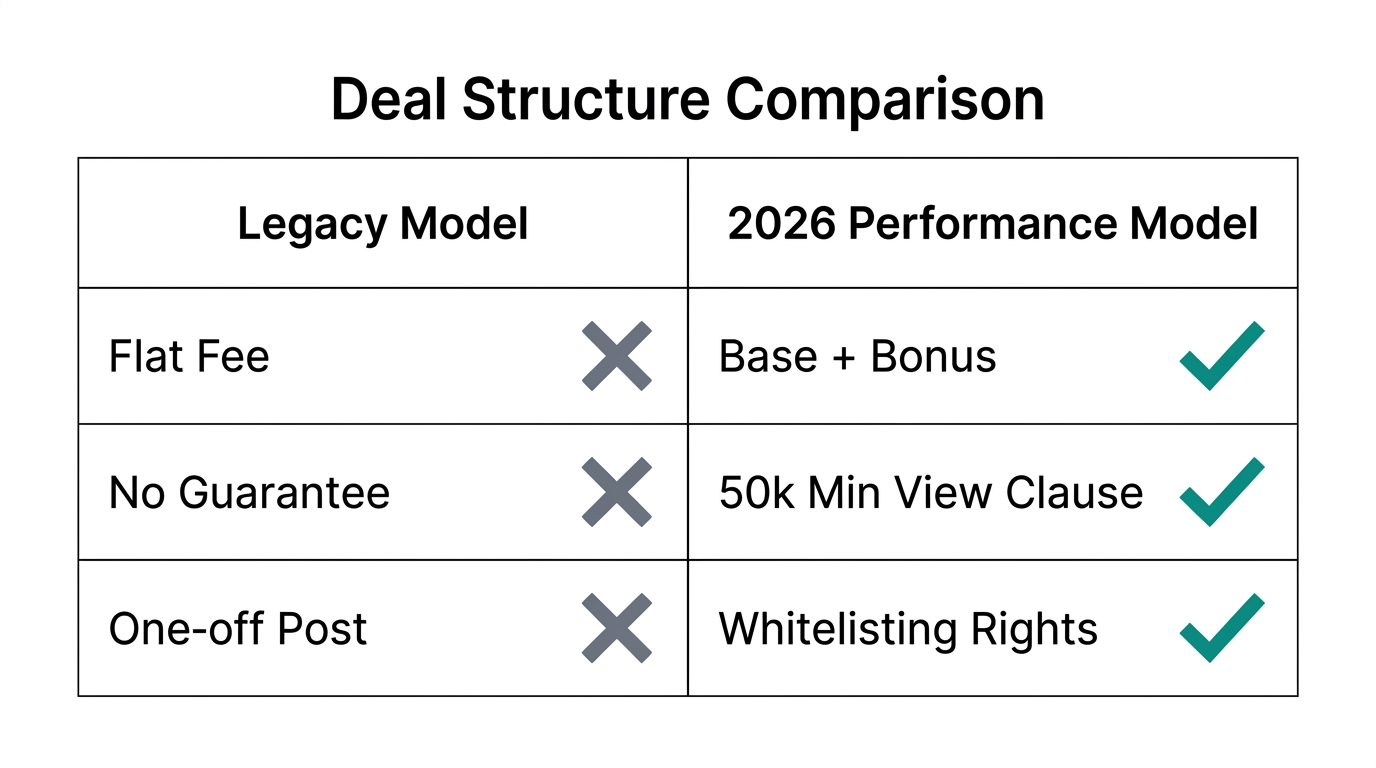
In the world of viral distribution for startups, the biggest risk is paying a creator for a video that flops. To mitigate this, Evan utilizes the Minimum View Clause (MVC). Instead of a simple flat fee, the deal is structured so the creator is only paid the full amount once a specific view threshold is met. For example, you might pay $800 for a video with a 600,000-view MVC.
If the video doesn't hit the target, the creator has the option to post additional content until the total view count is reached. This protects the brand's budget and ensures the creator is incentivized to produce high-quality, engaging content. Evan outlines four primary deal structures used in 2026:
- Flat Rate: Best for creators with extremely consistent performance.
- CPM Deal: Paying a set rate (e.g., $1.00) per 1,000 views, usually with a payment cap to protect the founder from unexpected viral explosions that exceed the budget.
- Minimum View Clause (MVC): The gold standard for de-risking influencer marketing.
- Bonus Deal: A base fee plus performance-based kickers (e.g., an extra $500 if the video hits 1M views).
Content Integration: Making Walkthroughs Feel Authentic
Evan breaks down how to integrate app promotions into authentic creator content and motivational profiles.The death of the "obvious ad" has already occurred. Users in 2026 have developed an intuitive filter for sponsored content. To drive app downloads, the integration must feel like a natural part of the creator's narrative. In the case of Locked, Jeremiah Jones integrated the app as a solution to the problem of staying motivated—a theme his audience already cared about.
Successful integrations often use the following "Creator Distribution Strategy" checklist:
- The Hook: Start with a relatable pain point (e.g., "I couldn't stay focused on my goals").
- The Solution: Introduce the app as the tool that solved the problem.
- The Walkthrough: Show the UI/UX. Evan used Superwall to A/B test paywalls and ensure the user journey from the video to the subscription was frictionless.
- The CTA: A clear, direct instruction to download the app via the link in the bio.
By leveraging tools like Supabase for backend data and TikTok Ads Manager for "Sparking" the best-performing organic posts, founders can create a feedback loop where organic success is amplified by strategic paid boosts.
"Jeremiah's video worked because it didn't look like an ad; it looked like a mentorship session where he just happened to be using a cool tool."
Post-Campaign Analysis: Identifying High-Performing Archetypes
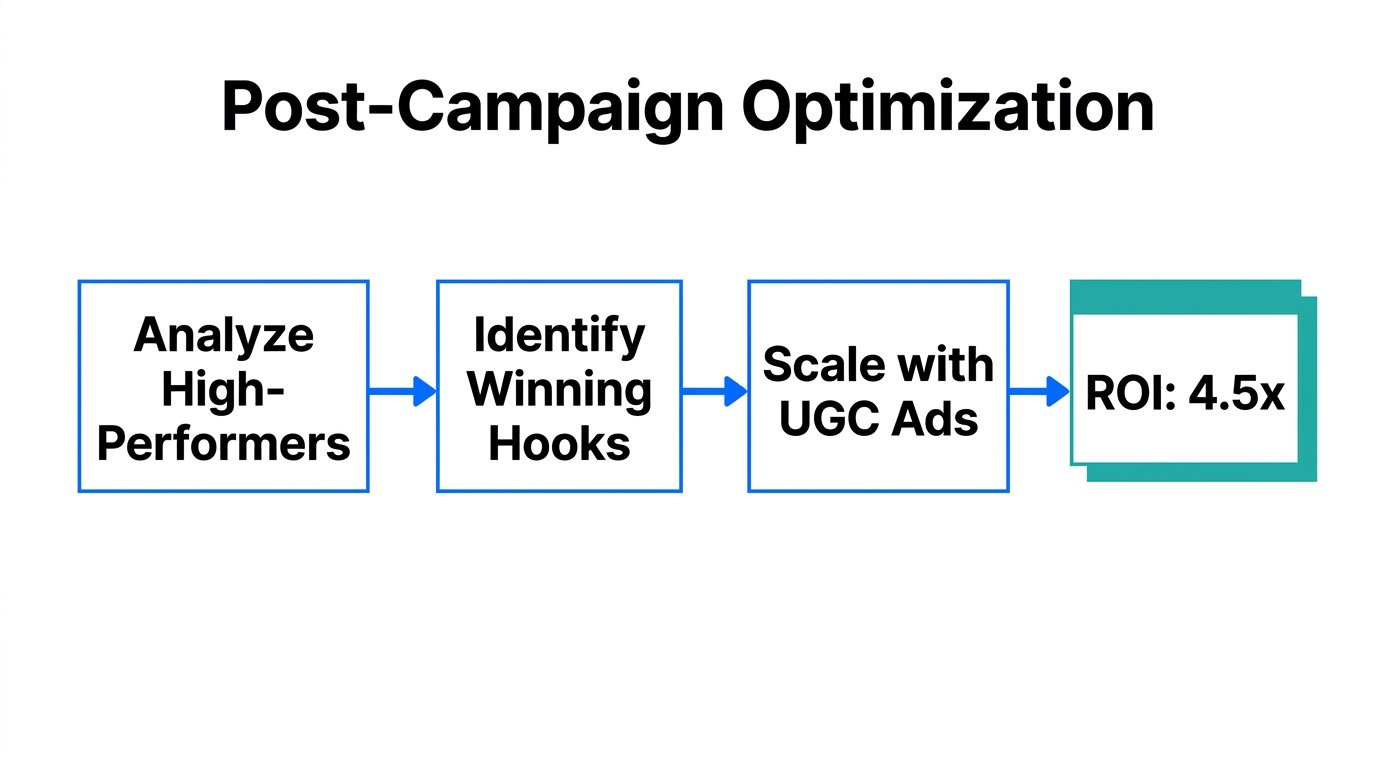
Once the content is live, the work shifts to analysis. Evan tracks download spikes to identify which creator archetypes convert best. For Locked, it wasn't just about the total number of views, but the quality of the traffic. A video might get 2M views but fewer downloads than a 500k-view video if the latter has a more targeted audience.
During the post-campaign phase, analyze your dashboards for:
- Conversion Spikes: Compare the timestamp of the video post to your App Store Connect data.
- Transaction Abandonment: Evan uses a "discounted offer" paywall for users who try to exit, which significantly recovers lost revenue.
- Retention by Creator: Which influencers bring in users who actually stick around?
If a specific creator archetype (e.g., "Study-with-me" vloggers or "Fitness Motivation" accounts) performs well, double down on that niche. This is where a Creator CRM becomes essential for managing ongoing relationships and scaling the successful partnerships.
Conclusion: The 2026 Playbook for App Growth
Scaling a mobile app to $14k/month in the current climate requires a blend of great product design and aggressive, intelligent distribution. By moving away from the "hive-minded" path of expensive traditional ads and embracing organic short-form content, founders can build sustainable, profitable businesses with minimal overhead.
To implement this strategy today:
- Identify your 'Viral Fit' creators using AI-powered search.
- Close deals using the Minimum View Clause to protect your ROI.
- Require integrations within the first 15 seconds of content.
- A/B test your paywalls using tools like Superwall to maximize the 1.8k downloads/1M views ratio.
If you're ready to stop guessing and start scaling, the tools are already at your fingertips. Platforms like Stormy AI provide the search, vetting, and outreach automation needed to turn this manual playbook into a high-octane growth engine. The world of 2026 belongs to the founders who own their distribution.