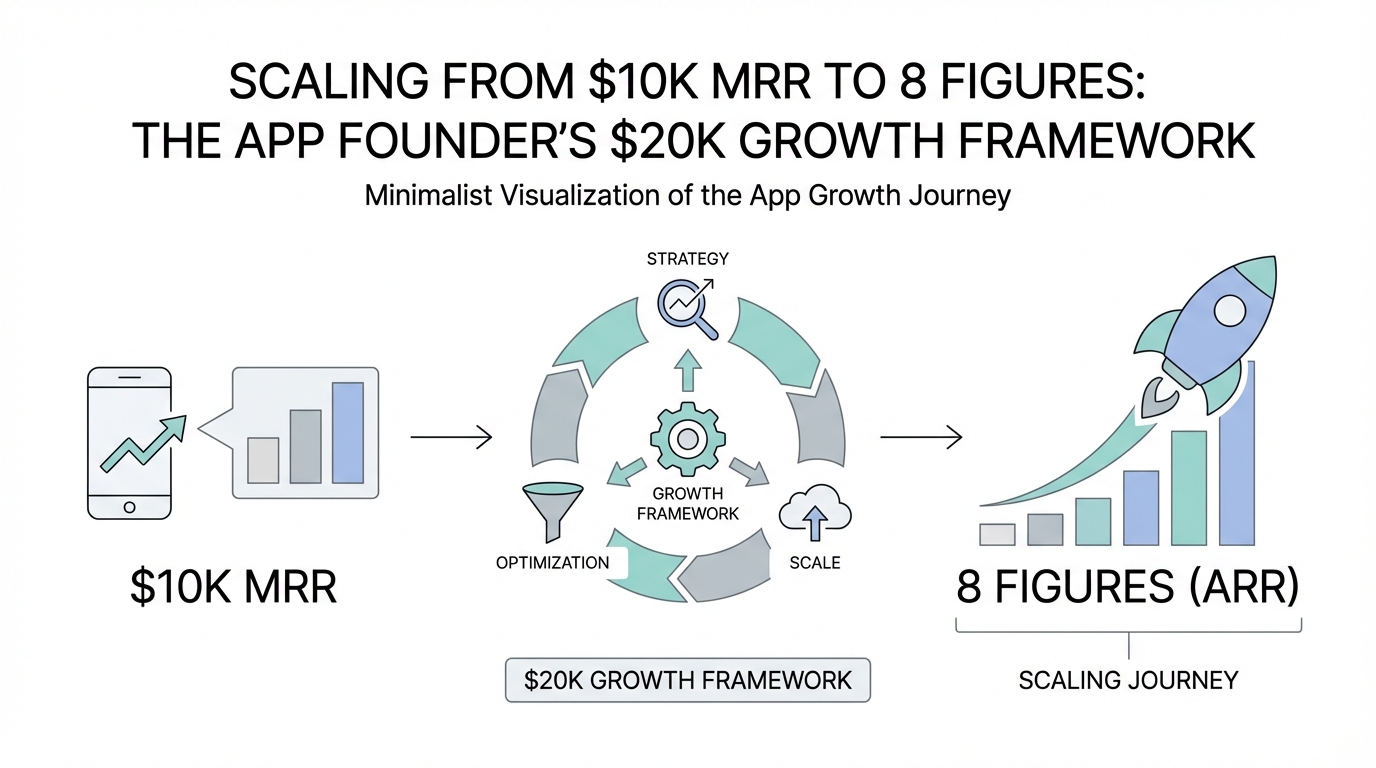
Scaling a mobile application from a steady $10,000 monthly recurring revenue (MRR) to an 8-figure powerhouse is a journey that often feels like moving from a backyard project to a global operation. For most founders, $10k MRR is the "valley of death"—you have enough traction to prove product-market fit, but not enough capital to brute-force your way onto the charts via massive ad spend. To bridge this gap, you need a highly tactical app scaling strategy that prioritizes efficiency, localized virality, and aggressive creative experimentation. This article outlines the framework used by prolific app builders like Hunter Isacson to turn simple concepts into apps with over 150 million monthly active users.
The Micro-Influencer 'Graph' Activation Playbook

One of the most effective ways to trigger mass virality is not by hiring a celebrity, but by activating a specific "social graph." A social graph is the network of relationships between people on a platform like Instagram or Snapchat. Instead of spreading your budget thin across a general audience, the goal is to activate a school, a city, or a specific hobbyist community. This creates a localized bubble where everyone is talking about your app at once, creating an environment of intense peer pressure and curiosity.
Hunter Isacson’s success with NGL—an anonymous messaging app—came from this exact influencer marketing for apps strategy. Before the app blew up globally, it hit a "tiny blip" in a specific school on the other side of the world. By paying an influencer as little as $100 to post a single Instagram story, the app "infected" a local graph. Once a critical mass in that graph was reached, the app spread naturally to neighboring schools without further spend. Founders can replicate this by using Stormy AI to identify the exact creators who hold the keys to these niche graphs, ensuring that every dollar spent is focused on a tight-knit community rather than a disparate audience. Stormy is an AI-powered platform for creator discovery, especially for mobile app marketing and UGC campaigns.
The $20,000 Experiment Budget: Where to Allocate Spend
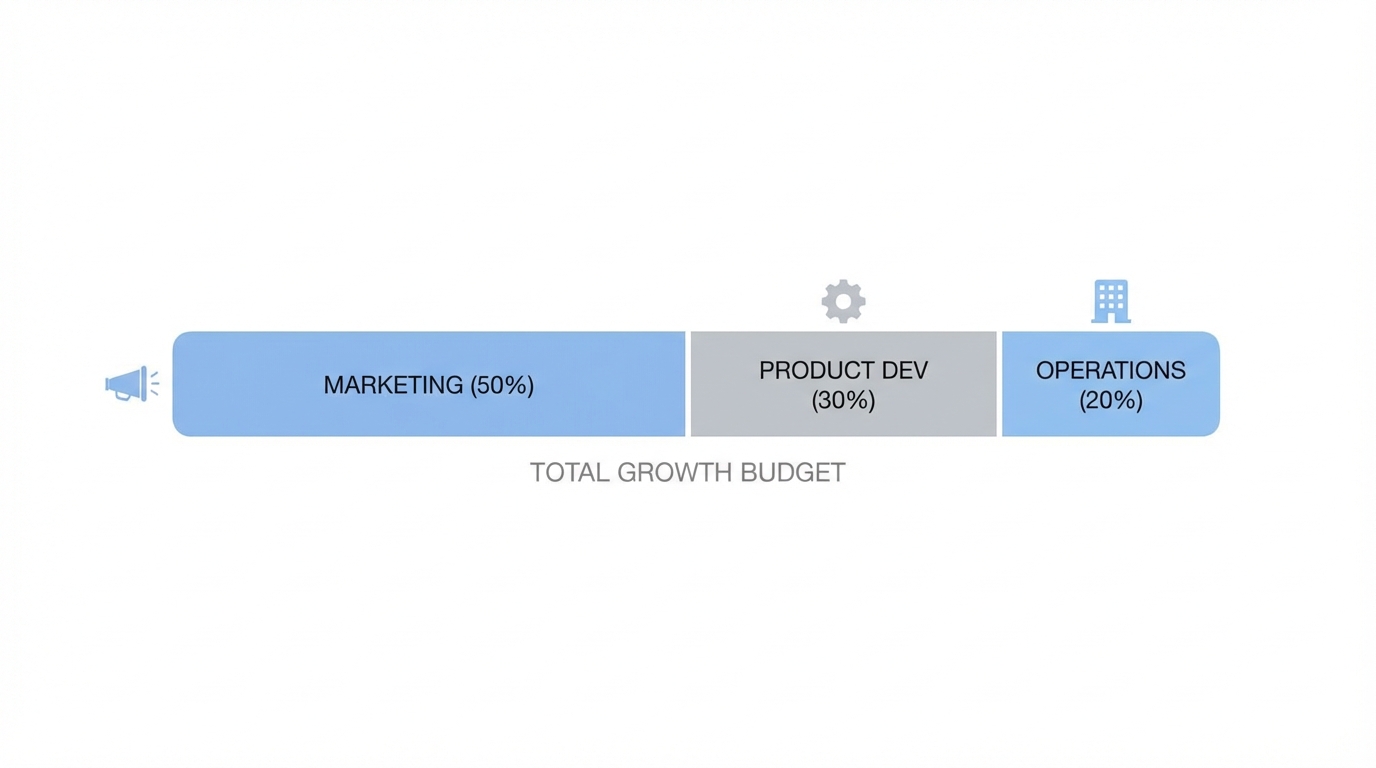
When you have a budget of $20,000 per month, the worst mistake you can make is dumping it all into a single channel. Instead, you should view this capital as an experimentation fund. The goal is to identify which cohort of users has the highest retention and which creative hook results in the lowest user acquisition cost. A balanced UGC ad strategy is essential here. You aren't just buying traffic; you are buying data.
- $10,000 on Paid Ad Tests: Distribute this across Meta Ads Manager and Apple Search Ads to test specific creative hooks.
- $5,000 on UGC Creator Discovery: Focus on micro-influencers who can produce high-energy, controversial, or "relatable" content. Tools like Stormy AI can help you find these creators quickly using natural language search.
- $5,000 on Platform Arbitrage: Use this for "graph activation" tests, paying small amounts to influencers on platforms like Snapchat or Instagram to see which distribution channel yields the best viral coefficients.
By running a dozen experiments simultaneously, you can determine if a "controversial message" hook performs better than a "utility-based" hook. In the case of NGL, the winning hook was a TikTok of a girl receiving a scandalous anonymous message. This single piece of content, which felt like User Generated Content (UGC) rather than an ad, activated the first thousand users in a single day. This illustrates why a UGC ad strategy is often superior to high-production commercials for mobile apps.
Product-Led Growth (PLG): Turning Users into Marketers
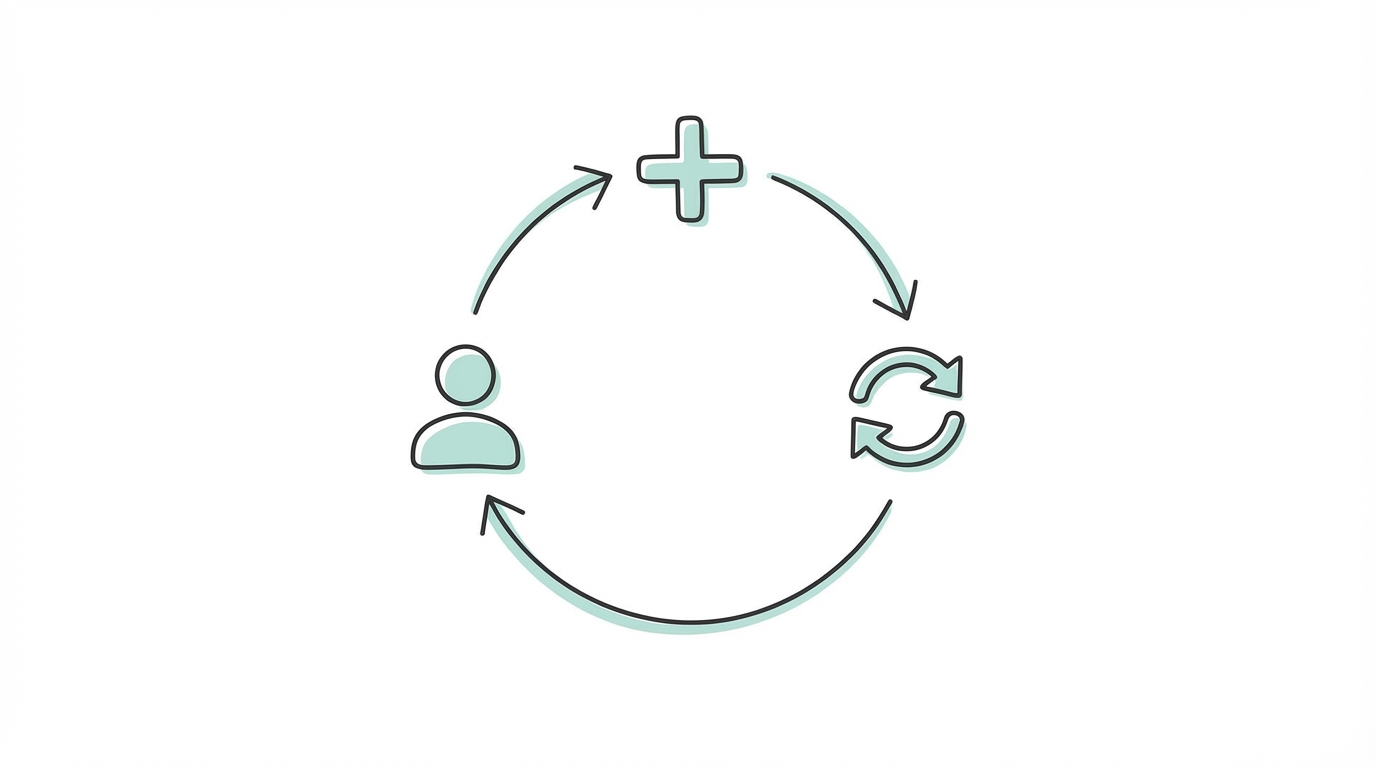
Scaling to 8 figures is nearly impossible if your app relies solely on paid acquisition. You must implement social functionality that incentivizes every new user to bring in at least one friend. This is the core of Product-Led Growth. In NGL, the app provided animated GIFs and sticker templates that made it incredibly easy for users to share their anonymous links on Instagram stories. They didn't just ask users to share; they gave them the creative assets to do it beautifully.
Another example is Hunter's "Zoom University" app, which utilized a 7:1 girl-to-guy ratio by creating a "double dating" feature. Because women felt more comfortable joining with a friend, the app naturally forced a 1+1 growth loop. When designing your app's onboarding, ask yourself: Does this app get better if my friend is on it? If the answer is yes, you've built the foundation for an app scaling strategy that scales exponentially. By utilizing Stormy AI, founders can filter for creators who specifically produce high-performing UGC that highlights these social loops, bridging the gap between discovery and product usage.
Testing Ad Formats: Finding the Winning Hook
In the competitive landscape of Google Ads and TikTok, your creative is your leverage. To lower your user acquisition cost, you must test hooks that evoke immediate emotional responses. Hunter emphasizes that "controversial, crazy, or edgy" messages often perform best because they stop the scroll. For a recipe app, this might be a "secret ingredient" reveal; for a finance app, it might be a "hidden fee" exposé.
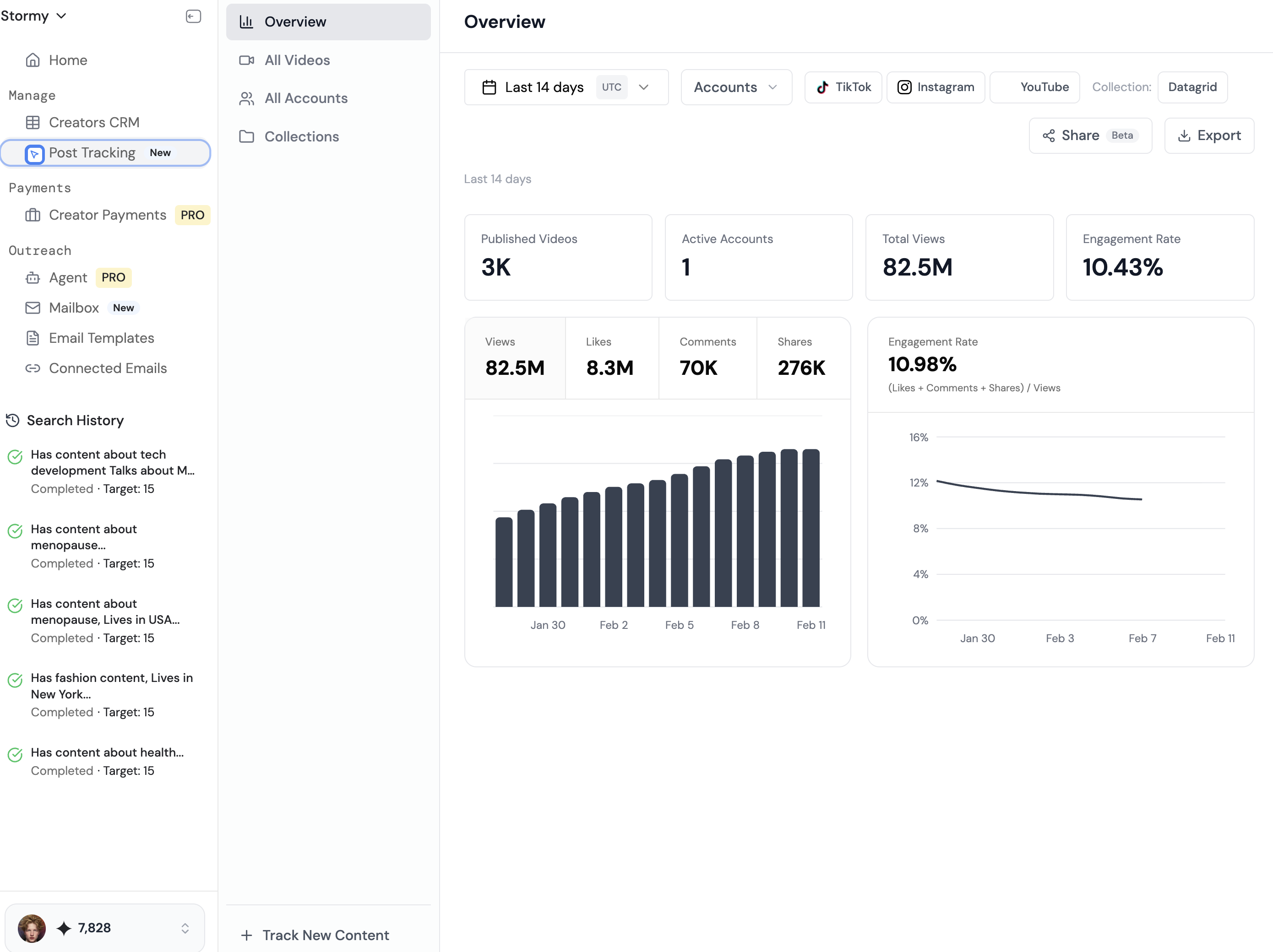
A successful framework involves testing at least 12 different creative versions. You aren't just changing the button color; you are changing the entire narrative of the video. Monitor the metrics closely in your ad dashboard. You can also use Stormy AI to vet creator content quality and detect engagement fraud automatically before commissioning your next round of hooks. If one video has a 2% click-through rate while others are at 0.5%, that is your winner. Scale that specific creative and find more influencers who can replicate that style. This iterative approach is the hallmark of a professional UGC ad strategy.
Mobile App Monetization for a Global Audience
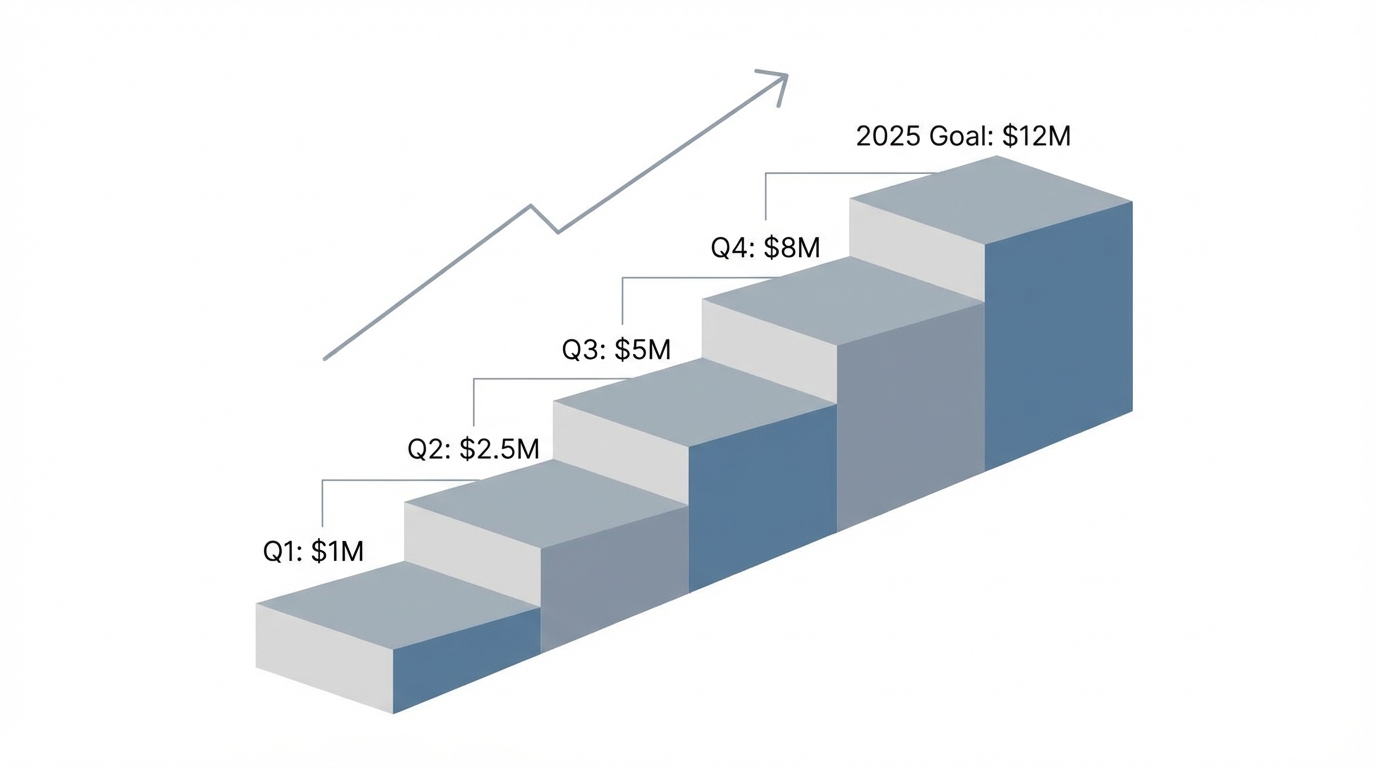
Once you have the traffic, you need a mobile app monetization strategy that doesn't kill your growth. NGL achieved 8-figure revenue by focusing on low-impulse buy weekly subscriptions. Instead of a $100 annual fee, they charged between $1 and $7 per week. This lower price point fits within the "low impulse buy" threshold for teenagers and young adults, who may not have high disposable income but can spare a few dollars to see who sent them a message.
Furthermore, scaling globally requires regional pricing based on GDP per capita [source: Business of Apps]. A $4.99/week subscription might work in the United States, but it will fail in lower-income regions. By adjusting your paywall dynamically based on the user's location, you can capture revenue from every corner of the world. This strategy allows you to monetize the "power users" while keeping the app free for the 95% of users who drive the viral loop. Remember, in social apps, the free users are the product that the paying users are there to interact with.
The 8-Figure Scaling Playbook: Step-by-Step
Step 1: Identify Your Distribution Graph
Don't try to be everywhere at once. Choose a primary distribution mechanism—Instagram links, TikTok shares, or the Safari share menu. Build your product to augment an existing behavior on that platform. If people are already sharing recipes on Instagram, build a tool that makes that experience better, rather than trying to build a new social network from scratch.
Step 2: Recruit 'Seed' Influencers
Use a search tool like Stormy AI for finding UGC creators and influencers with high engagement in your target niche. Offer small payments ($50-$200) to post authentic-feeling content. Your goal here is to trigger that first localized viral "blip."
Step 3: Rapid Creative Iteration
Take your best-performing influencer content and run it as paid ads on Meta Ads Manager. Test different hooks—funny, serious, controversial—until you find the one that yields the lowest user acquisition cost. While legacy tools like Captiv8 or Tagger can provide basic databases, you need the real-time AI capabilities of Stormy AI to automate your outreach and scale your influencer communication instantly. Boldly double down on the winning creative until the frequency becomes too high, then rotate.
Step 4: Optimize the Viral Loop
Analyze your onboarding. If users aren't inviting friends within the first 60 seconds, your PLG loop is broken. Use copywriting that sells the result (e.g., "Get your own messages") rather than the action (e.g., "Download the app").
Step 5: Dynamic Pricing Implementation
Implement a weekly subscription model and adjust prices based on regional purchasing power. Ensure that your paywall is triggered by "power features" (like seeing who viewed a profile) rather than blocking the core utility of the app.
The Path Forward: Growth Through Experimentation
Scaling from $10k MRR to 8 figures is less about a single "genius" idea and more about the rigorous application of growth experiments. By combining a targeted influencer marketing for apps campaign with a robust UGC ad strategy, you can create the momentum necessary to break into the top charts. Use platforms like Stormy AI to streamline your creator discovery, focus on localized graph activation, and never stop testing your hooks. The opportunity for mass consumer social products is still wide open for those who understand the psychology of the social graph and the power of a tight viral loop.