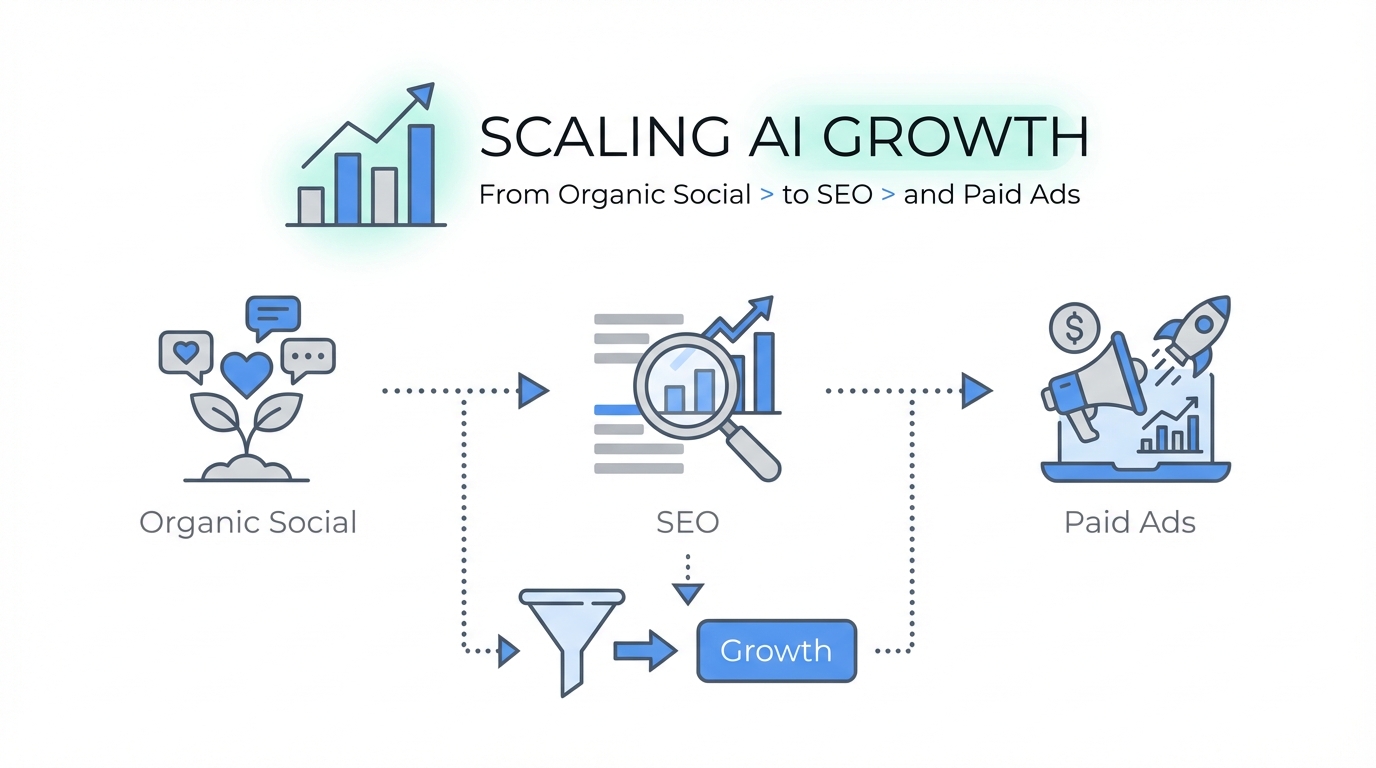
Scaling a startup from zero to $10 million in Annual Recurring Revenue (ARR) is rarely a linear journey. For David Park, founder of Jenni AI, the path involved a strategic evolution across several startup growth stages, moving from high-velocity organic social content to the more stable pillars of SEO and paid acquisition. According to insights shared on the Startup Ideas Podcast, the secret isn't just in the channels you choose, but in the timing and sequencing of those channels. Most founders fail because they attempt to master SEO or paid ads too early, before they have the organic data to fuel those expensive engines.
The Organic-First Philosophy
Before touching a keyword research tool or opening a Meta Ads account, successful AI founders often start with organic short-form content. This is because AI products are inherently spectacular; they offer ‘magic’ that is just an API call away. In the current social media landscape, a fresh account with zero followers has the same chance of going viral as an established influencer if the hook is strong enough. David Park notes that on TikTok and Instagram, the algorithm rewards content resonance over follower history, making it the perfect testing ground for new product messaging.
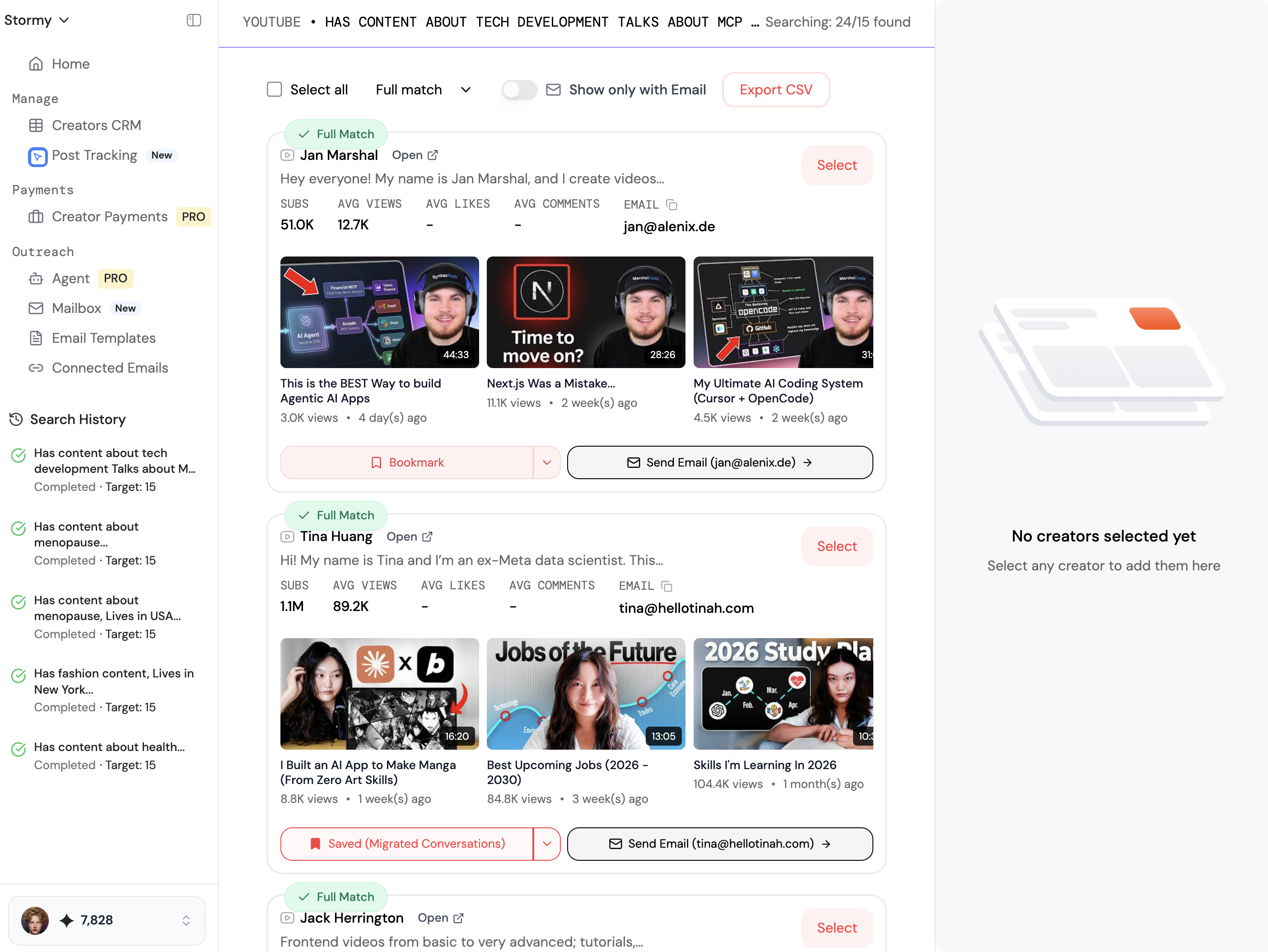
Instead of hiring expensive celebrities, the ai marketing playbook suggests partnering with ‘fresh’ creators who are just beginning their journey. For example, David partnered with a creator from the Startup Empire community for $4,000 a month to produce 20 videos. This partnership resulted in 7 million impressions in the first month alone. The goal of this stage is to find a ‘viral series’—a repeatable content format that consistently converts viewers into users.
Why SEO is a Trap for Early Startups
One of the most counterintuitive pieces of advice for early-stage founders is to avoid SEO in the beginning. While SEO is a massive pillar for reaching $10M ARR, it is a game of delayed gratification. In the early startup growth stages, you need fast iterative cycles to find product-market fit. SEO can take six to twelve months to show meaningful results, which is an eternity for a startup with limited runway. If you focus solely on seo for ai startups on day one, you may run out of cash before you ever see the first organic click.
Instead, use organic social to drive brand name searches. When a video goes viral, users don’t usually click the link in the bio; they go to Google and search for your product name. This surge in branded search volume signals to Google that your site is a legitimate authority, which provides a massive passive boost to your eventual SEO efforts. Once you have a steady stream of revenue from social, you can then afford to wait for the SEO flywheel to start spinning.
SEO Hacking: Ranking for Intent Over Volume

When you are ready to implement seo for ai startups, you must focus on ‘intent’ over ‘volume.’ Ranking for a high-volume keyword like ‘free AI writer’ might bring traffic, but that traffic often has a low conversion rate because the users are looking for a freebie. It is far more valuable to rank for lower-volume keywords where the searcher is looking for the best tool for a specific problem. To accelerate this process, you can use featured snippets to leapfrog your competitors.
By structuring your content to provide the perfect, concise answer to a specific query, you can land in the ‘position zero’ snippet above established giants like Notion or Shopify. This strategy allows a smaller site to steal massive amounts of traffic from older, high-authority domains. Tools like Stormy AI can help source and manage UGC creators who produce the very content that fuels these SEO-rich landing pages and mini-tools.
The SaaS Paid Acquisition Playbook: Using Organic Data
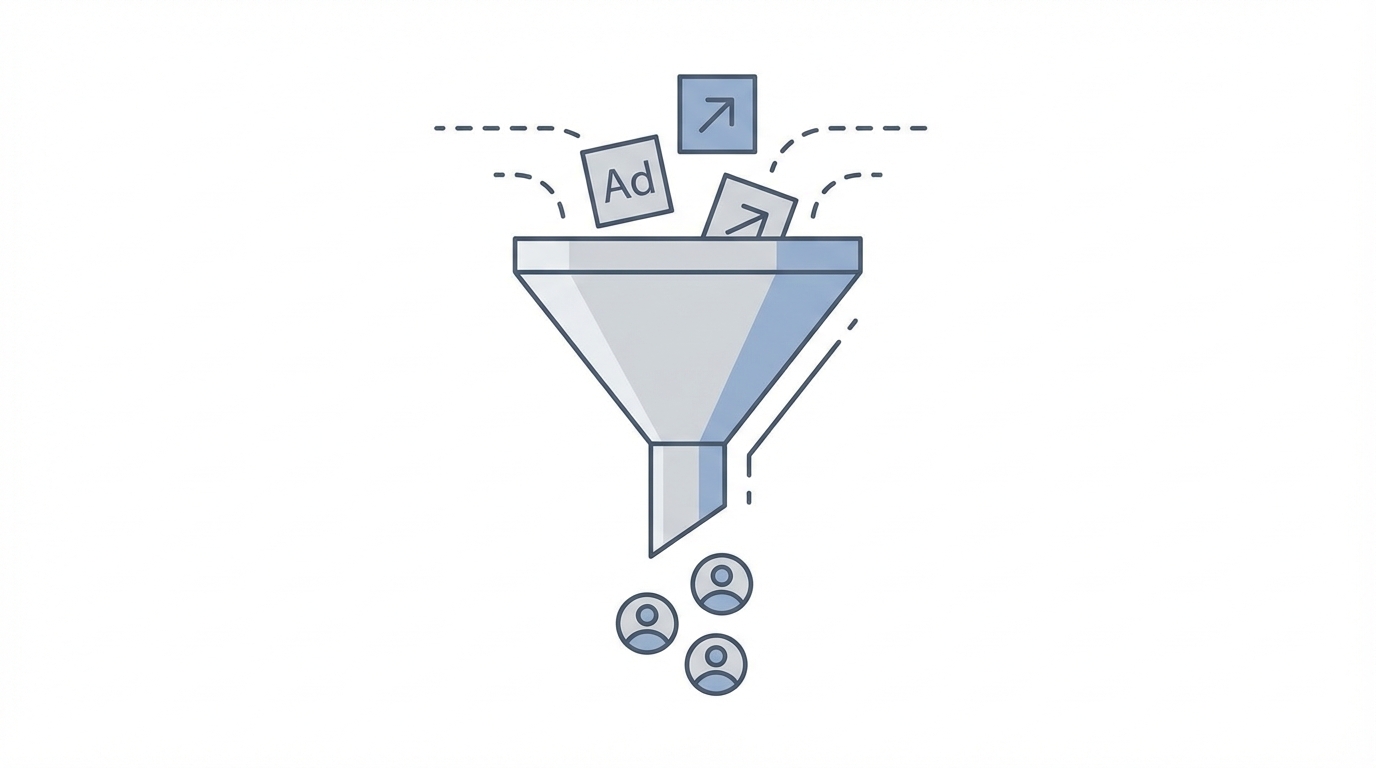
Paid ads are often the most boring and annoying growth channel, but they are essential for hitting the $10M ARR milestone. The saas paid acquisition trap is spending money blindly before you know what resonates. The smarter approach is to take your top-performing organic videos and turn them into ads on Meta Ads Manager or Google Ads. This ensures your LTV/CAC ratio is healthy from day one.
At the scaling stage, aim for a 3:1 LTV/CAC ratio and a payback period of less than two months. If you can recover your customer acquisition cost within 60 days, you can funnel that capital back into the machine to grow exponentially. Use the data from your social partnerships to identify which countries have the highest lifetime value. For example, if your organic data shows that users from the UK convert at double the rate of others, you should focus your Apple Search Ads budget exclusively on that demographic.
Reducing Churn: The Secret to Long-Term Survival
Acquisition is only half the battle. In the B2C AI space, monthly churn can be a nightmare, often hovering between 20% and 40%. To reduce churn B2C SaaS companies must laser-focus on product-market fit basics as they scale. David Park managed to reduce Jenny AI’s churn from 20% to 9.8% by aggressively optimizing the onboarding funnel and retention loops. When your bucket is no longer ‘torrentially leaky,’ every new user you acquire through AI-powered influencer discovery compounds your growth rather than just replacing lost revenue.
Scaling via Acquisitions and Affiliates
Once you reach the $5M ARR mark, you can start looking at non-traditional growth levers like acquisitions and affiliate networks. David Park transitioned from being an agency client to acquiring the entire SEO agency that worked for him. This allowed the agency to become an in-house growth engine focused entirely on one product. Similarly, incubating smaller startups or acquiring competitors with existing user bases can accelerate your roadmap by years.
Building an affiliate network where loyal users become champions for your brand is another low-risk way to scale. By offering a cut of the revenue to people who already love the product, you create a self-sustaining marketing army. This multi-layered approach—combining viral social, surgical SEO, disciplined paid ads, and strategic acquisitions—is the definitive ai marketing playbook for the modern era.
Conclusion: From 0 to 10M and Beyond
The journey to $10M ARR is about mastering the sequencing of growth. Start with organic social to find your voice, use that momentum to build brand authority for SEO, and then pour gasoline on the fire with paid ads. Most importantly, don’t forget the basics: reducing churn is what transforms a viral moment into a generational company. While hundreds of thousands may read these tactics, only the 1% who consistently implement and iterate for years will see these results. It’s time to lock in and build.