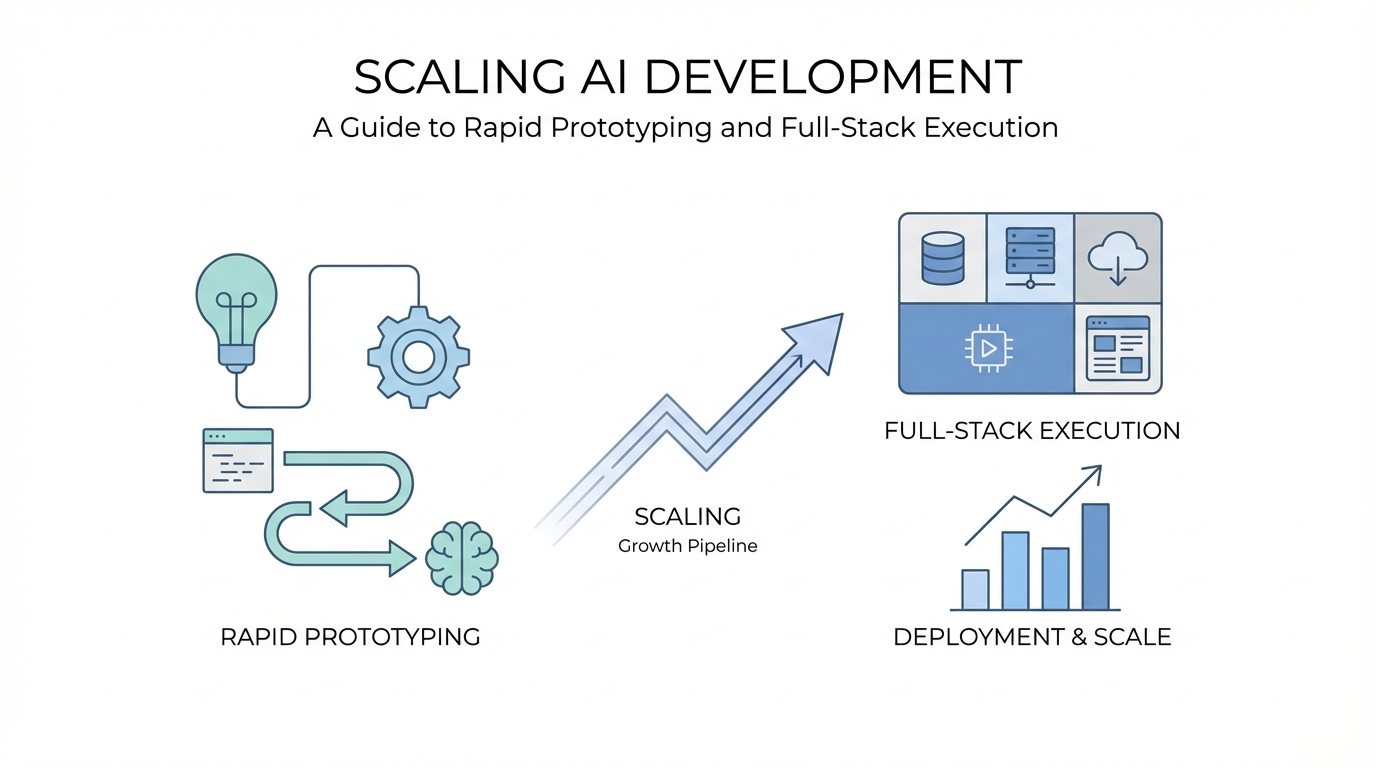
We are currently living through what many tech leaders call the modern AI gold rush. The barrier to entry for software development has not just been lowered; it has been completely dismantled. Recently, a global hackathon hosted on Devpost shattered world records with over 130,000 participants and the creation of over 1 million new web apps in just 30 days. This shift signifies a new era where the distance between an idea and a functional, full-stack application is measured in hours, not months. Whether you are a seasoned engineer or a non-technical founder, mastering the art of rapid software prototyping is now the most critical skill in the digital economy.
The 'Zero to One' AI Stack: Accelerating Development

The foundation of full stack AI development today relies on a highly efficient ecosystem of tools that prioritize speed without sacrificing power. The "Zero to One" stack often begins with Bolt.new, an AI-powered development environment that allows users to prompt entire applications into existence. By leveraging AI coding assistants like Cursor, developers can skip the boilerplate setup of traditional environments. This stack is typically supported by Vite, which provides a lightning-fast build tool and development server, ensuring that the "edit-refresh" cycle is near-instantaneous.
Using these tools, builders are no longer bogged down by syntax errors or library incompatibilities. Instead, the focus has shifted to high-level architecture. For instance, during recent high-growth cycles, thousands of builders used StackBlitz technology to handle complex front-end and back-end logic simultaneously. This allowed even those with limited experience, such as first-time developers or young builders, to produce production-quality software. The key takeaway for any developer looking at how to build web apps fast is to embrace abstraction; let the AI handle the repetitive implementation while you focus on the user journey and logic.
Integrating Advanced AI Features: Voice, Data, and LLMs
A prototype only becomes a competitive product when it moves beyond simple CRUD (Create, Read, Update, Delete) operations. The winners of the world's largest AI hackathons often distinguish themselves through deep technical integration. One of the most prominent trends is the use of AI voice agents. Tools like ElevenLabs allow developers to integrate realistic, low-latency speech into their applications, transforming a standard web tool into an interactive coach or assistant.
Beyond voice, real-time data processing is becoming a standard requirement. Applications leverage real-time data and automated calling systems to provide immediate value to users. Furthermore, sophisticated developers are now utilizing tools like ModelMesh to test and rotate between different Large Language Models (LLMs). This ensures the application uses the best model for a specific task—whether it's Anthropic’s Claude for creative coding or Google AI Studio for heavy data analysis. This multi-model approach is a hallmark of professional full stack AI development.
Building for Scale: Lessons from 1 Million Apps

When the starting line of a development cycle sees 40,000 to 50,000 builders sign up, the underlying infrastructure faces an immediate stress test. Scaling a prototype requires more than just a good prompt; it requires a robust server strategy. During the peak of the recent submission periods on major platforms, the sheer volume of traffic caused systems to reach their breaking points. This is known as the "melted server" phenomenon, where the demand for AI developer tools exceeds the immediate capacity of the host.
To prepare for this, successful startups are increasingly looking at high-performance frameworks and runtimes. Innovations from creators like Evan You at VoidZero are focused on making the JavaScript ecosystem faster and more reliable at scale. When your application moves from ten users to ten thousand, your choice of database and hosting provider, such as Supabase or Vercel, becomes the difference between a successful launch and a site crash. Building with scalability in mind from day one means choosing tools that offer credits to help manage initial server costs while the user base grows.
Overcoming the 'Final Boss': Deployment and Deadlines
The final stage of any rapid software prototyping cycle is the deployment. In the world of high-stakes development, this is often referred to as the "Final Boss." Developers frequently face last-minute crashes, submission errors, or API rate limits just minutes before a deadline. The strategy here is not just technical, but psychological. The most successful builders are those who build in public, sharing their progress on platforms like X (formerly Twitter) to gain feedback and build a community before the project even officially launches.
As the submission deadline approaches, the technical implementation must be ironclad. This involves rigorous testing of edge cases and ensuring that integrations with third-party APIs are handled gracefully. Many developers found that when platforms experienced high traffic, those who had practiced continuous deployment using tools like GitHub Actions throughout the 30-day period were much more likely to cross the finish line successfully. Persistence is key; walking away from the screen for a moment of clarity can be just as important as writing the next line of code.
From Prototype to Startup: Post-Hackathon Strategies

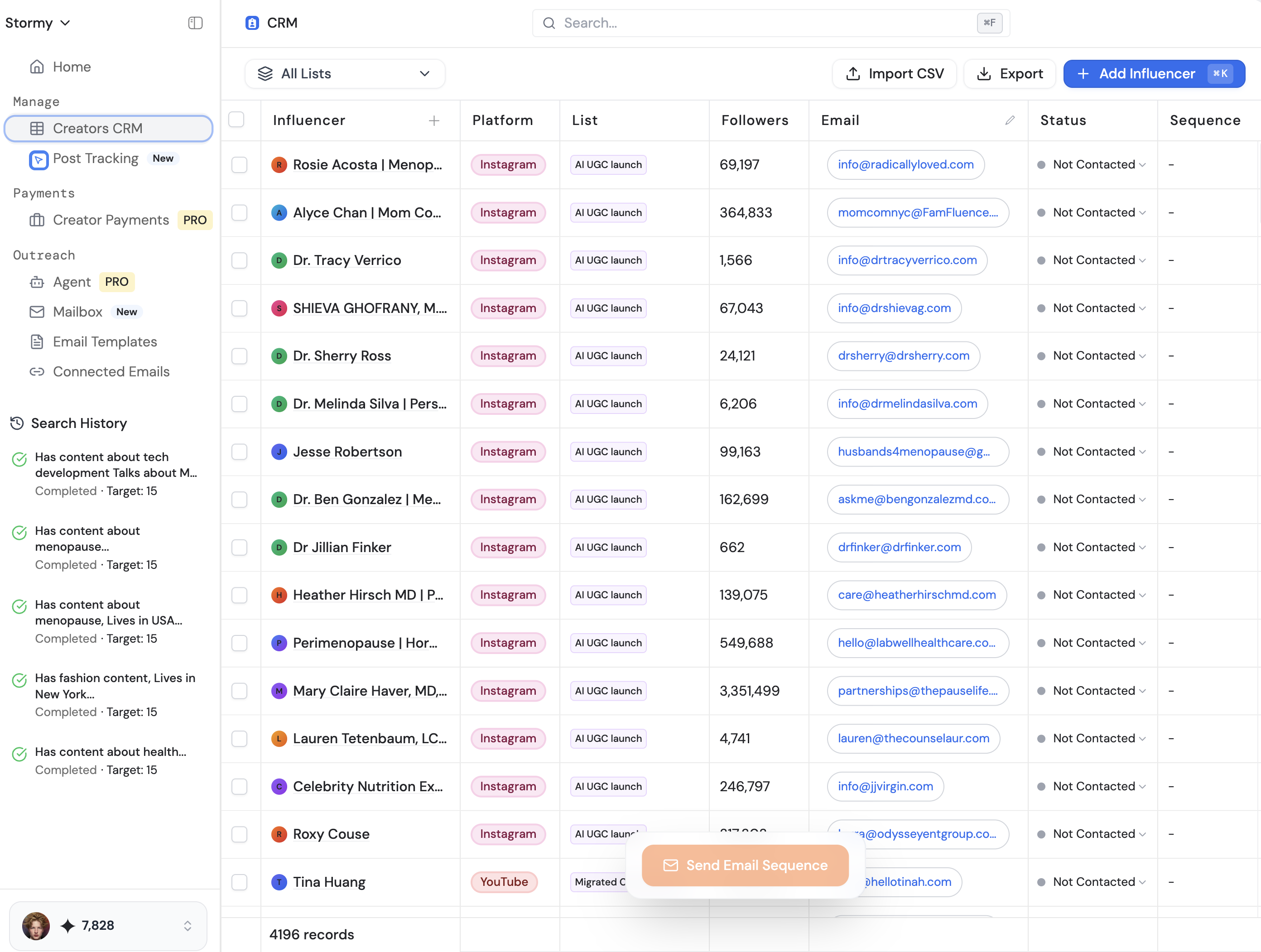
Winning a hackathon or completing a 30-day sprint is only the beginning. The transition from a prototype to a viable startup requires a shift in focus from development to growth and management. Once the core product is live, the next hurdle is user acquisition and creator partnerships. This is where modern management tools become essential. For example, platforms like Stormy AI can help source and manage UGC creators at scale, allowing founders to automate the outreach and discovery process needed to drive initial traffic to their new applications.
Scaling also involves managing the complex relationships that come with a growing business. Using an AI-powered creator CRM from Stormy AI helps founders track collaborations and campaign performance without needing a massive marketing team. As you move out of the prototype phase, your technical stack must evolve to include these operational tools. Whether you are managing API keys or tracking user feedback to iterate on features, the post-launch phase is about refining the User Experience (UX), as defined by the Nielsen Norman Group, to ensure your design actually converts into long-term retention.
The Future of AI-First Development
The journey from zero to a full-stack application in 30 days is no longer a pipe dream—it is a documented reality for thousands of developers worldwide. By leveraging the 'Zero to One' AI stack, integrating sophisticated voice and data features, and preparing for the infrastructure demands of scale, you can participate in the ongoing AI gold rush. Remember that the technical implementation is only one piece of the puzzle; the most impactful apps are those born from lived experience and a desire to solve real-world problems.
As you move forward, keep iterating and building in public. The tools available to you—from Bolt.new for development to Stormy AI for influencer-driven growth—provide a comprehensive ecosystem for modern entrepreneurship. The only thing left to do is to start. Don't let the fear of the 'Final Boss' stop you from reaching the stars; with the current pace of AI evolution, you might just land in another galaxy entirely.