In 2026, the traditional affiliate marketing model of writing a single, static 'Best Tools' blog post is dead. The search landscape has shifted toward high-intent, dynamic content that provides real utility to the user. Today, creators are leveraging an AI tool comparison strategy to build massive programmatic directories that capture millions of search impressions. By combining the power of Cursor and Claude Code, non-technical marketers are now able to deploy sophisticated, interactive software hubs in weeks rather than months. This playbook outlines how to build a high-converting affiliate machine that dominates 2026's most competitive keywords.
The 'Claude vs ChatGPT' Template: High-Intent Architecture
 25:46
25:46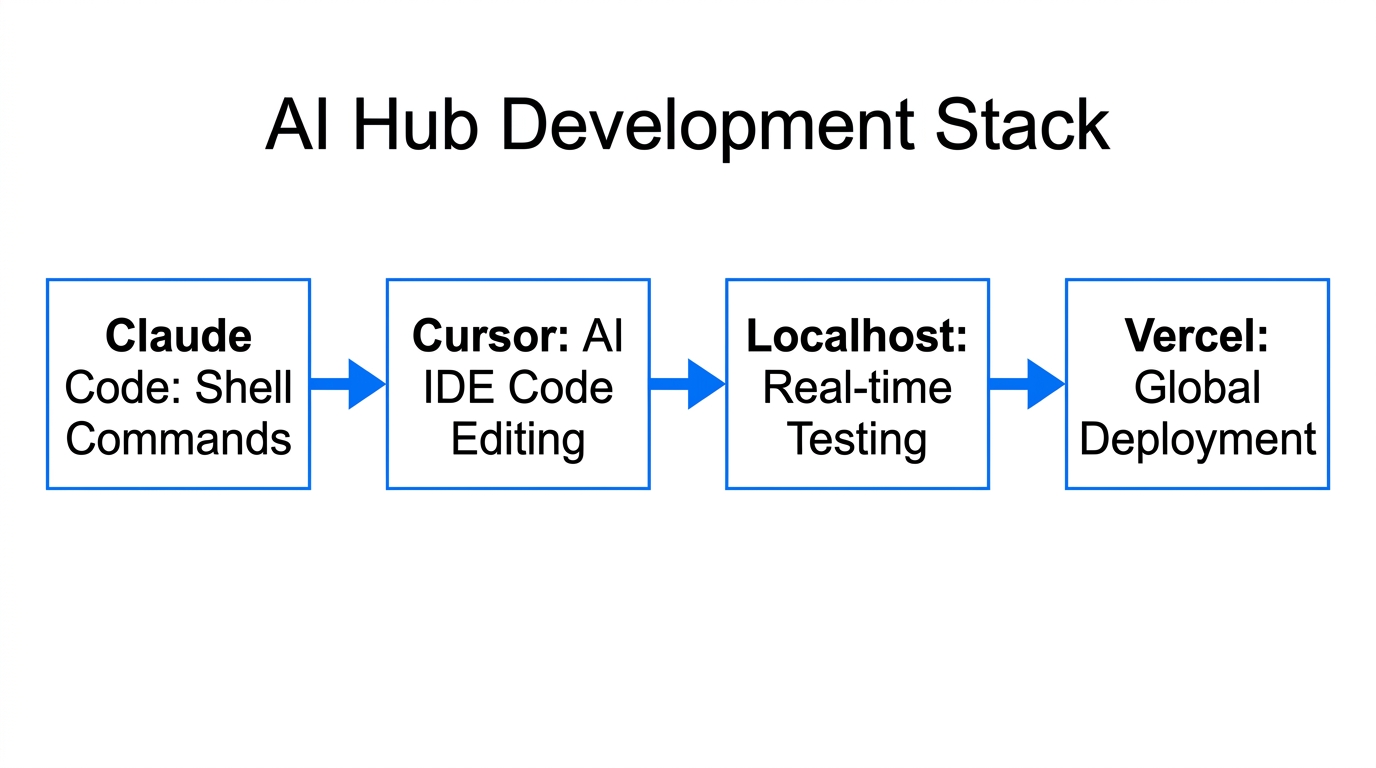
The foundation of a successful affiliate hub is a programmatic structure that allows for scale. Instead of manual content entry, you need a standardized framework that an AI can populate based on a Product Requirement Document (PRD). As outlined by the experts at The Vibe Marketer, the first step is using the Cursor agent to conduct deep research and consolidate that data into a master .md file. This file acts as the single source of truth for your AI-driven site generation.
When you fire up Claude Code in your terminal, you aren't just generating text; you are instructing a senior engineer to build a data structure. This allows you to create head-to-head comparisons for thousands of tool combinations. For instance, comparing 20 tools across 10 use cases can yield 4,000 unique pages. If each page captures just 20 visitors a month, you are looking at 80,000 monthly high-intent visits. This is the essence of affiliate marketing automation in the modern era.
"The magic isn't in the one-shot prompt; it's in the recursive planning phase where Claude Code maps out a 10-step to-do list before a single line of code is written."
Interactive Conversion Elements: Building for On-Page Time
27:33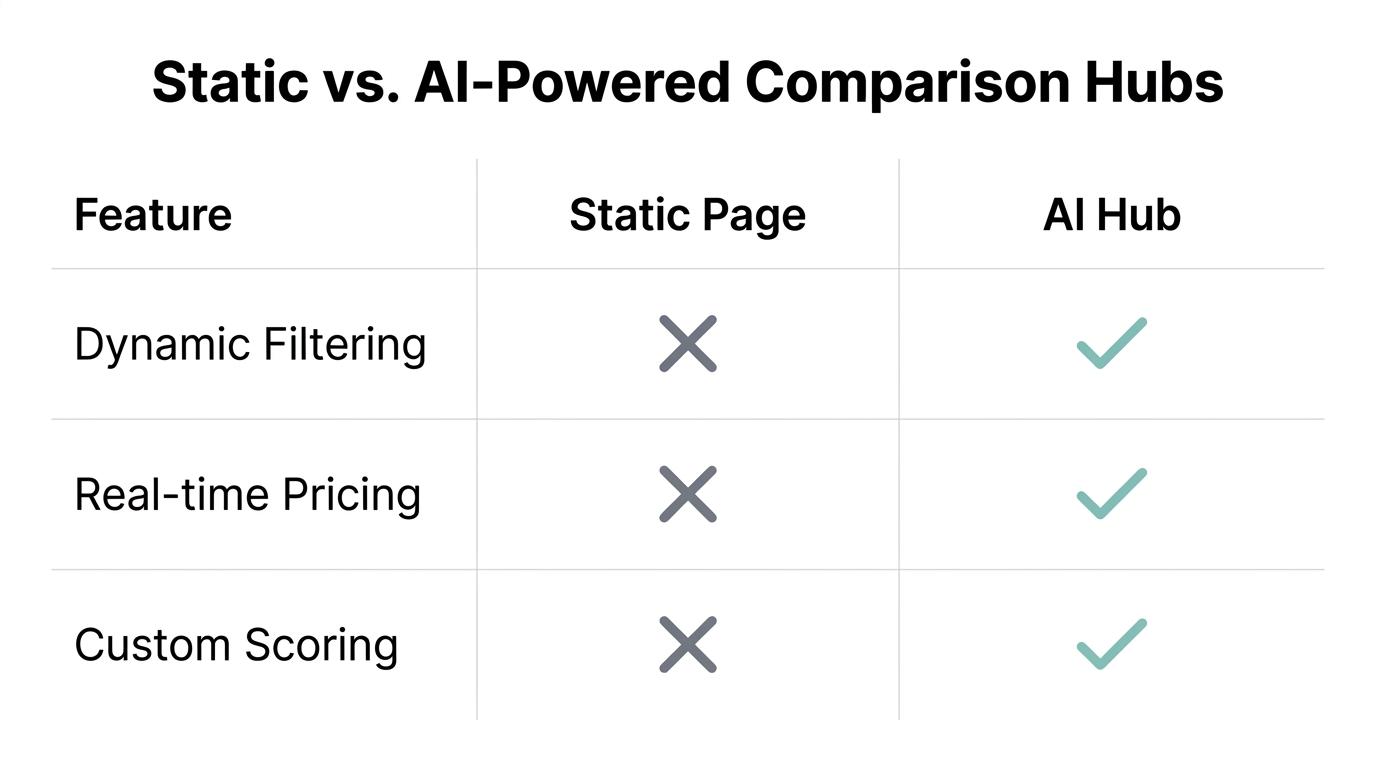
Search engines and LLMs in 2026 prioritize User-Generated Content (UGC) and interactive utility. A static table is no longer enough to win the click. [Source: Nielsen Trust in Advertising Study]. You need dynamic elements like pricing calculators and "Vibe Tests" (subjective quality scores) to keep users engaged. Using Cursor, you can prompt the agent to build a custom React component that calculates the ROI of a software switch in real-time.
| Feature | Traditional Blog Post | AI-Powered Hub (Cursor/Claude) |
|---|---|---|
| Content Creation | Manual & slow | Programmatic & scalable |
| Interactivity | Static images | Dynamic calculators & tool filters |
| Update Frequency | Quarterly (at best) | Real-time via AI agents |
| SEO Value | Low (generic keywords) | High (long-tail comparison intent) |
Integrating these tools doesn't require a computer science degree. As the team at The Vibe Marketer suggests, you can simply ask Claude to "build an interactive comparison table between Tool A and Tool B with a seat-based pricing calculator." The AI handles the logic, while you focus on the affiliate strategy. This level of utility increases on-page time, which is a critical ranking signal for 2026 creator economy growth.
Automating Design Consistency: Figma-to-Tailwind Workflows
Professional branding is the primary barrier for many affiliate marketers. If your site looks like a generic template from 2010, you won't build the trust necessary to drive high-ticket conversions. The solution is the Anima plugin for Figma. By designing your hub's look in Figma and using Anima to export Tailwind CSS code, you can bridge the gap between design and deployment instantly.
Once you have your Tailwind snippets, you feed them to Claude Code. The AI will then apply these styles across every programmatic page on your site. This ensures that your 'Jasper vs ChatGPT' page looks just as polished as your homepage. This workflow allows solo founders to operate with the design aesthetic of a 50-person agency, maximizing the visual appeal of their high-intent marketing traffic.
SEO Schema Implementation: Capturing Rich Snippets
53:59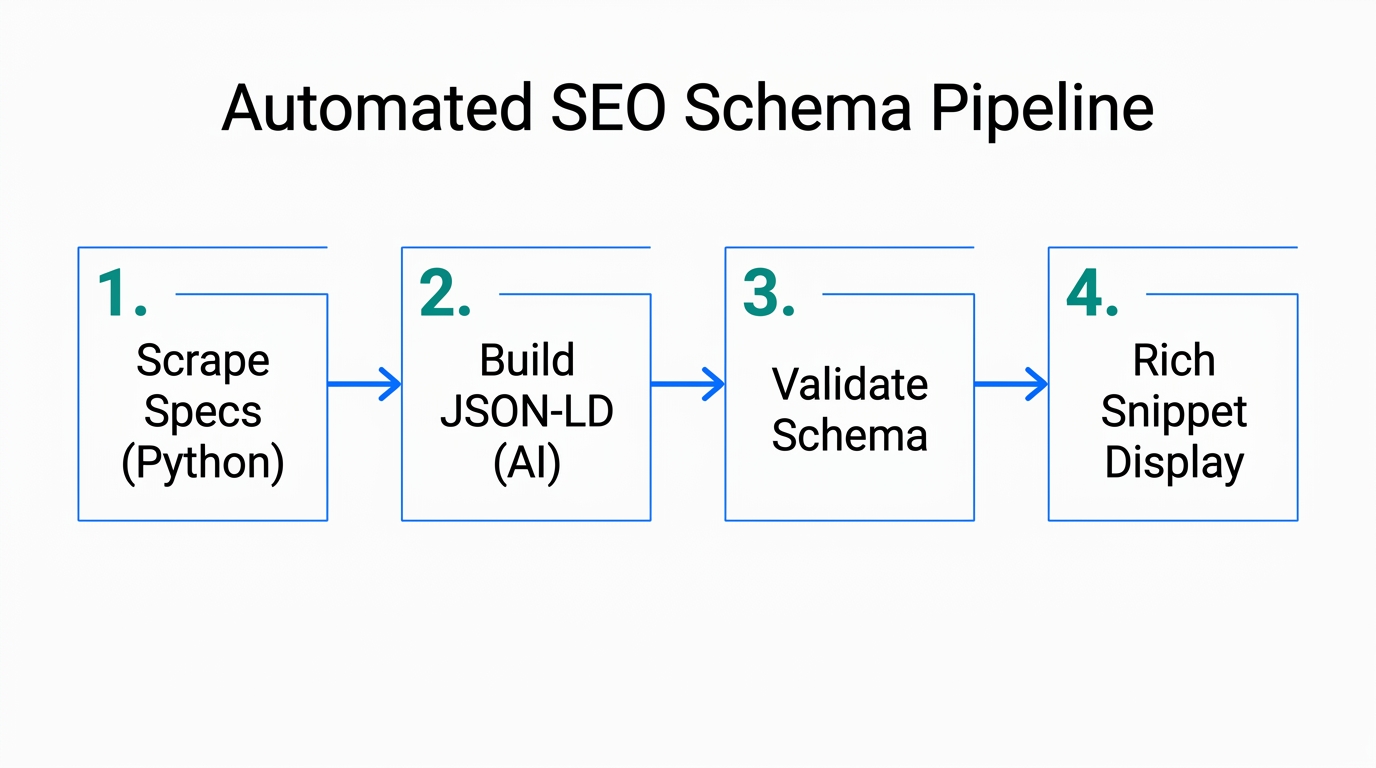
To dominate the 2026 SERP, you must provide structured data that LLMs and search engines can digest easily. This is where Claude Code pSEO templates truly shine. You can instruct the AI to automatically wrap your comparisons in FAQ and Review schema markup. This increases the likelihood of your hub appearing as a rich snippet or the direct answer in an AI search query.
Furthermore, technical SEO hygiene is non-negotiable. Using tools like the Firecrawl MCP within Cursor, you can crawl your own production site to identify broken links, missing meta tags, or slow-loading assets. Simply prompt: "Analyze the site for technical SEO errors and fix them in the codebase." This turns a task that used to cost $5,000 at a specialized agency into a 20-minute automated session.
"Automating schema isn't just about SEO; it's about making your content the primary data source for the AI crawlers of tomorrow."
Affiliate Link Management & Global Scaling
Managing thousands of affiliate links manually is a recipe for disaster. Links break, programs change, and tracking becomes a nightmare. To scale affiliate revenue, you need a programmatic approach to link insertion. By using Claude Code, you can build a centralized affiliates.json file that maps tool names to your tracking URLs. The AI then dynamically injects these links into your page templates during the build process.
When your site begins generating revenue, managing that capital is equally important. Platforms like Brex provide the financial visibility needed to track spend across multiple ad accounts or token usage fees. As you scale, you can deploy your site on Vercel directly from the terminal. This allows for near-instant deployment and edge-caching, ensuring your comparison hub remains lightning-fast regardless of how many interactive elements you add.
When your affiliate hub needs authentic user insights or social proof, sourcing the right influencers becomes paramount. Platforms like Stormy AI allow you to discover and vet niche creators who can provide the reviews and UGC that search engines crave. You can find creators in seconds using natural language prompts, then use Stormy's AI agent to automate the outreach and collaboration process, bringing a layer of human-verified authority to your AI-built hub.
The Bottom Line: From Insight to Action
45:24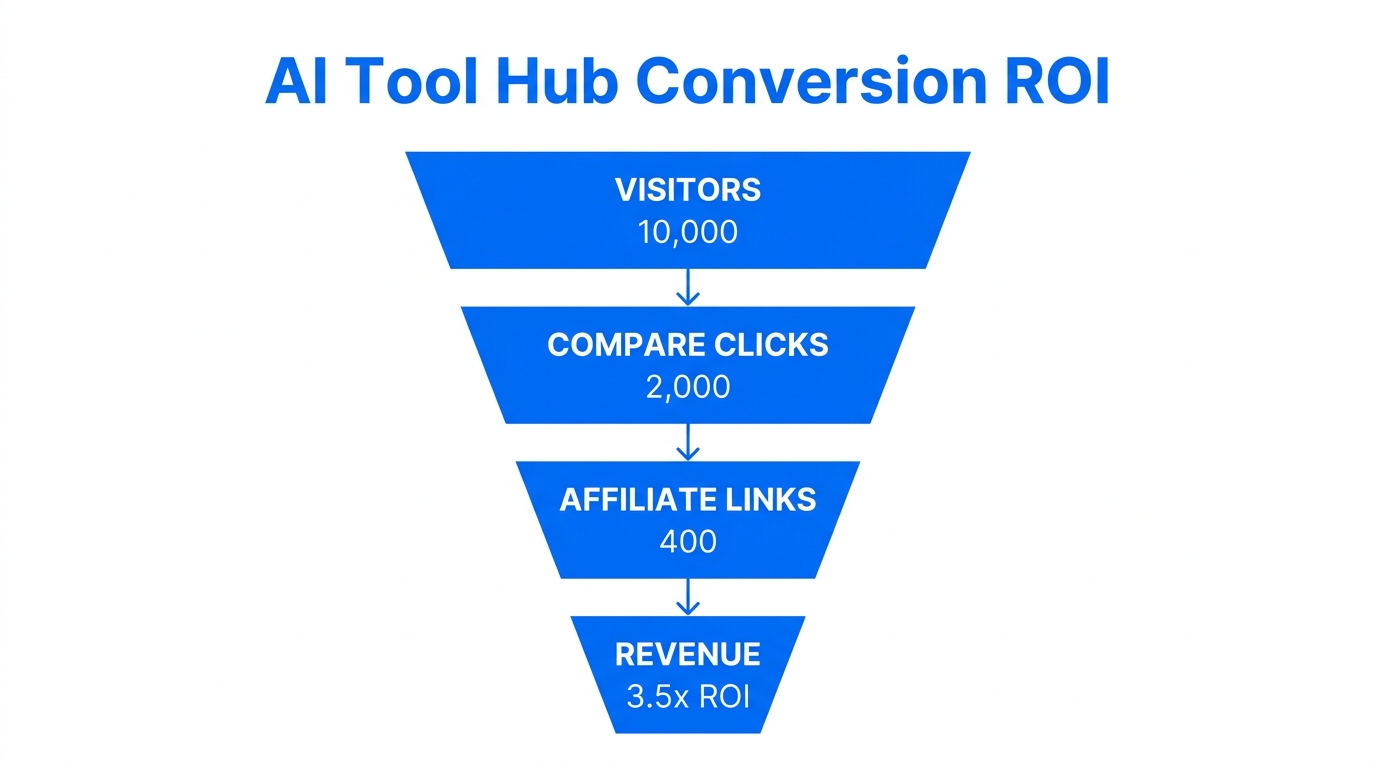
The barrier between an idea and a live, revenue-generating product has never been thinner. By embracing the vibe coding workflow, marketers are transforming into developers who can build apps and directories that solve real user problems. The future of the creator economy isn't just about making videos; it's about building the infrastructure where those videos and reviews live.
Next Steps for Your Affiliate Hub:
- Define Your Niche: Use Perplexity and Firecrawl to find high-volume, low-competition tool keywords.
- Build Your PRD: Create a markdown file in Cursor that outlines your page structure and conversion goals.
- Execute with Claude: Use Claude Code to build the templates, interactivity, and schema markup.
- Deploy and Refine: Launch on Vercel and use AI agents to continuously audit and optimize for technical SEO.
The goal is to move from vibe vortex (thinking) to vibe marketing (doing). With the right stack—Cursor, Claude, and Stormy AI—your ability to scale affiliate revenue is limited only by your imagination.