In the landscape of 2026, the traditional influencer marketing model—where brands pay a flat fee for a single shoutout—is rapidly being replaced by something far more potent: the 50/50 creator-developer partnership. For app founders, the struggle has always been distribution. For creators, the struggle has been building a sustainable business beyond the volatility of brand deals. When these two forces combine, the result is a lean, high-margin machine capable of scaling to $100,000 MRR (Monthly Recurring Revenue) in a matter of months. This strategy isn't just theory; it’s the exact playbook used by creators like Casper, who built the Payout app into a six-figure empire in less than half a year.
The 'Irresistible Pitch': How to Recruit A-Player Creators
 12:50
12:50The biggest mistake app founders make in 2026 is treating creators like a vendor rather than a co-founder. High-level influencers are bombarded with dozens of sponsorship requests daily. To stand out, you need to offer more than a check; you need to offer equity and a pre-validated concept. The most effective way to approach a creator is to build a Minimum Viable Product (MVP) based on their own successful data.
Start by auditing the creator’s profile. Look for brand deals that have high organic engagement. According to Casper, the secret to identifying a winning format is the like-to-view ratio. "If a video has 2 million views and 2,000 likes, it was boosted. But if it has 50,000 likes and 2 million views, that means it's probably organic," he explains. Once you find a format that works, build an app that solves the problem that video addressed. Your pitch should look like this:
"I built this app for you based on this specific brand deal that went viral on your profile. I want to give you 50% equity. All you have to do is make these videos over and over again."
This pitch is nearly impossible to refuse. It removes the friction of ideation for the creator and provides them with a high-upside asset they actually own. By using platforms like Stormy AI to discover creators with consistent organic reach and vetting their audience quality, you can ensure you are pitching the right partner from the start.
Comparison: The Equity Model vs. The Agency Model
8:43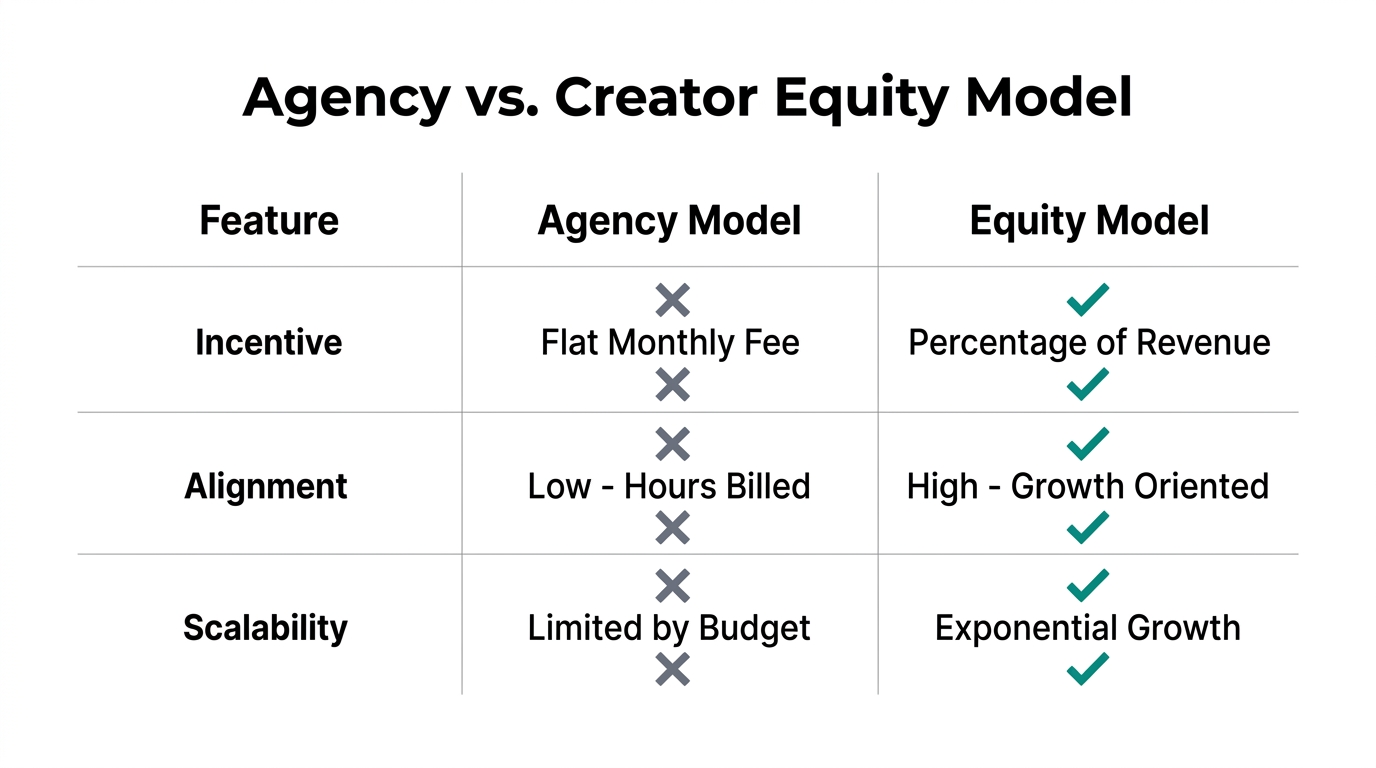
Why is the 50/50 model winning in 2026? It aligns incentives in a way that traditional agencies cannot match. In an agency model, the creator's goal is to do the minimum work required to get paid. In an equity model, the creator becomes a distribution co-founder, constantly iterating to find new ways to drive installs.
| Feature | Traditional Agency Model | 50/50 Equity Model (2026) |
|---|---|---|
| Cost Basis | High upfront fees per post ($1k-$10k+) | Zero upfront cost (Equity based) |
| Incentive | Fulfill the contract and move on | Maximize LTV and MRR growth |
| Creative Volume | Limited by budget | Unlimited organic iterations |
| Ad Spend | High risk of burning cash on bad creatives | High-performing organic videos become low-risk ads |
Superwall Paywall Optimization: Turning Viral Spikes into Revenue
55:33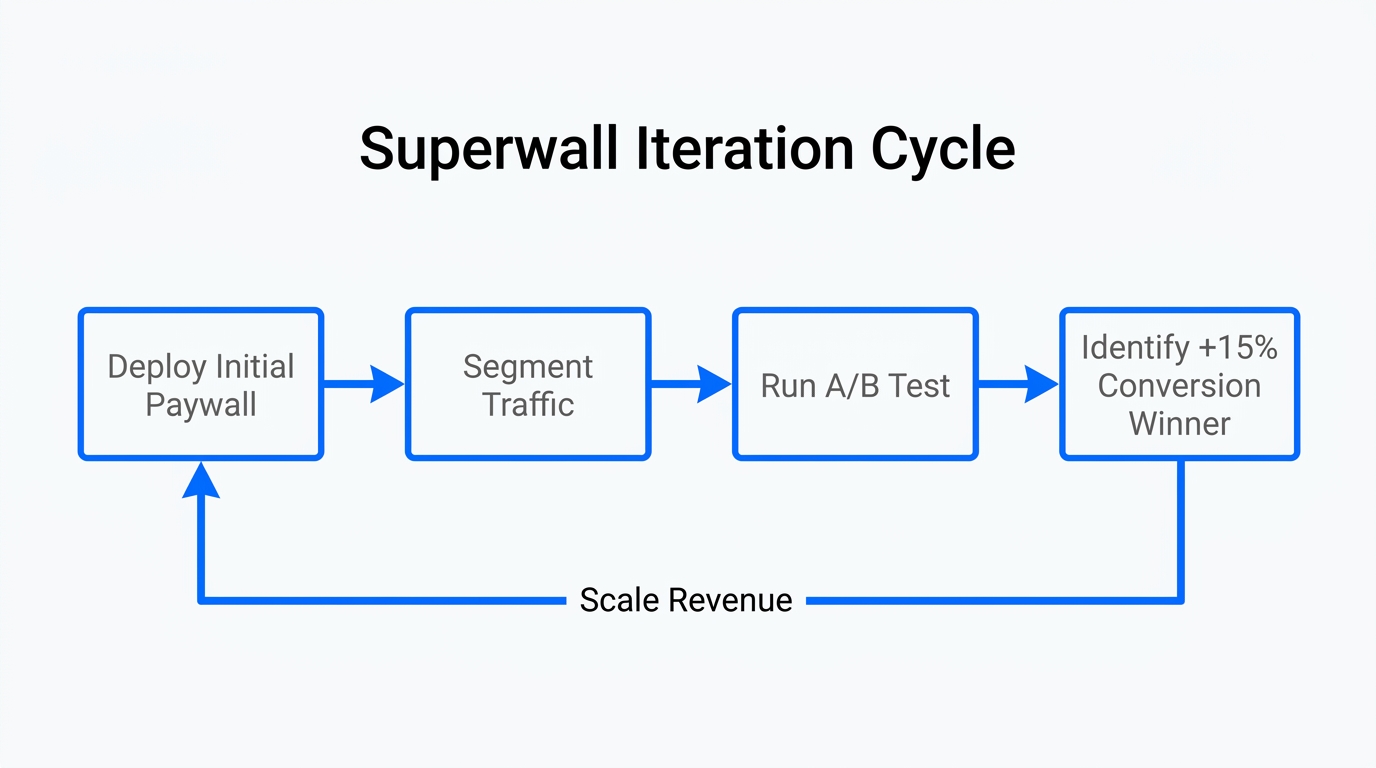
Viral traffic is a double-edged sword. If your app goes viral on TikTok or Instagram Reels, you might get 100,000 downloads in 24 hours. If your paywall isn't optimized, you'll leave 90% of your potential revenue on the table. This is where Superwall paywall optimization 2026 becomes critical.
Top founders use Superwall to run real-time A/B tests on their paywalls. While the creator is driving the traffic, the developer is constantly tweaking the offer, the price point, and the layout. Casper’s co-founder, Connor, used this strategy to ensure that every viral spike resulted in a higher revenue baseline. They don't just guess; they use tools like Paywall Experiments, which uses AI trained on hundreds of profitable paywall tests to suggest improvements.
"Most apps that make the most money run AB tests on their paywalls to make more revenue with the same number of users."
By coordinating with your creator co-founder to post on the same day, you can "chart" on the App Store. Ranking in the Top 50 of your category (e.g., Finance or Utilities) creates a secondary wave of organic traffic that isn't dependent on the creator's video. This "App Store Aura" is the secret to moving from $10k to $100k MRR.
Why 'Business Sense' Trumps Raw Follower Count
When searching for a partner, many developers make the mistake of looking only at follower counts. In 2026, the influencer co-founder partnership requires a creator with business sense. You want someone who understands retention, conversion rates, and algorithmic psychology.
A creator with 100,000 followers who understands how to hook an audience and move them to a Shopify store or an app download is 10x more valuable than a creator with 1 million followers who only knows how to do dance trends. You need a partner who can look at a drying-up format and say, "The 'How-To' hook is dead; we need to switch to a 'Skit' format."
To find these high-caliber partners, developers are increasingly using Stormy AI. Its AI-powered search allows you to filter creators not just by niche, but by their history of successful brand collaborations and their audience's actual purchasing intent. You can vet their entire history to see if they've successfully driven traffic to other apps before you ever send the first email.
The Lifecycle of a Format: Iterating for Longevity
26:11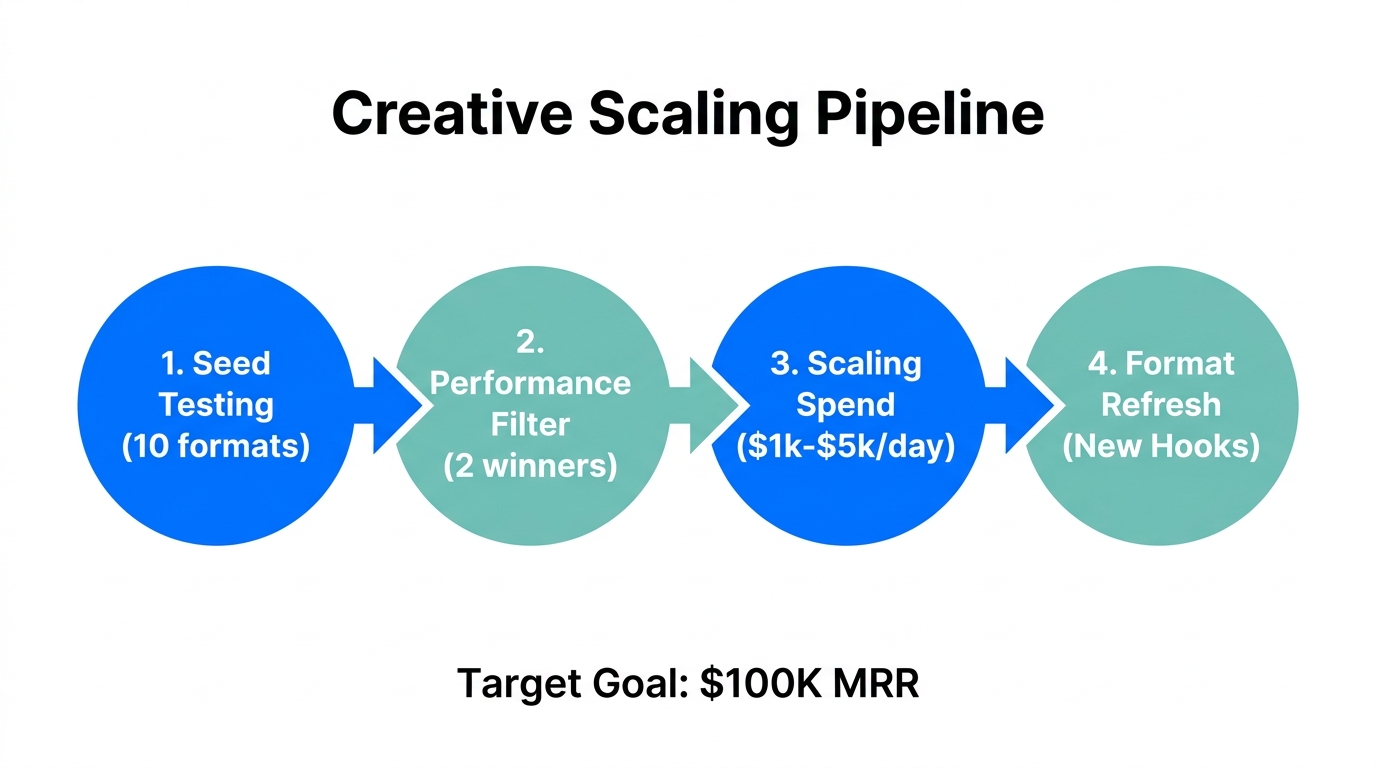
No viral format lasts forever. A key part of the app founder growth strategy is managing the creative lifecycle. Casper notes that he primarily uses two formats that drive the majority of his revenue: the "Screen-Share How-To" and the "Skit."
- The Hook Phase: Use a high-energy hook like "Watch me make $900 in 30 seconds."
- The Logic Phase: Walk the user through a simple, one-path logic. Don't overwhelm them with options.
- The Soft CTA: Never say the name of the app out loud. Instead, say "Go to this app" or "Comment 'Claim' for the link." This bypasses the "Ad-Brain" trigger that causes users to scroll past.
When one format begins to see a decline in conversion, the creator co-founder must pivot. For example, when "How-To" videos for the Payout app started to plateau, Casper switched to a skit format where he played two characters—one asking about a lawsuit and the other "leaking" the secret app. This single shift generated over $10,000 in a single week.
Conclusion: Building the App Empire of 2026
Scaling to $100K MRR isn't about having the most complex code; it's about having the most efficient distribution-to-monetization loop. By giving a creator 50% equity, you aren't "losing" half your business—you are gaining a dedicated marketing department that works for free until the app succeeds.
Pair that distribution with Superwall paywall optimization to maximize every user, and use Stormy AI to find and manage your creator relationships. In 2026, the developer-creator duo is the most formidable force in the App Store. The only question is: Who is your co-founder going to be?