Scaling a business from a mere idea to a multi-million dollar exit is often portrayed as a lightning-strike event—a moment of pure genius followed by explosive growth. In reality, the clearest path to $10 million in liquid net worth is a clinical, step-by-step process of audience building, feedback loops, and structured pricing tiers. Whether you are a solo developer or a growth marketer, understanding the mechanics of how to scale startup to millions requires moving beyond basic business tips and into the granular details of execution. This playbook outlines how to build a minimum viable product strategy that transitions from a simple $30/month offer into a diversified cash-flow machine.
Phase 1: Finding the Perfect Niche
The foundation of any successful startup is the niche. Many founders make the mistake of building a general business in a broad category like "marketing" or "finance." To succeed, you must find a niche within a niche. For example, instead of focusing on general business tips, focus on Google Ads strategies specifically for AI solopreneurs. This specificity allows you to become the go-to authority in a space where competition is thinner and the pain points are sharper.
To validate your niche, you can mine community feedback using tools like Gummy Search, which allows you to search Reddit for specific pain points and recurring complaints. Alternatively, you can browse subreddits manually, looking for the most popular posts of the month to see what keeps people up at night. If you see a recurring thread about health insurance within the Google Trends data for the FIRE (Financial Independence, Retire Early) community, you have identified a potential million-dollar gap in the market. Tools like Glimpse can supercharge this research by providing additional search terms and localized data, such as the FIRE movement's growth in specific regions like Australia or Canada.
Phase 2: Building the Attention Engine
Once your niche is defined, your goal is to hit 250,000 impressions per month. While a single viral hit can achieve this, consistency is the actual winner. Posting daily, engaging with others in your space, and building a profile that resonates with your target audience is non-negotiable. Your bio should be a clear signal of your mission. Take the example of a founder building a video platform for realtors; his bio clearly states he is bootstrapping the project to buy his first house. This creates a narrative that people want to root for and follow.
To maintain this volume of attention, you must convert these impressions into leads. Aim for a 0.5% conversion rate from impressions to organic leads. This should yield roughly 1,250 leads per month. The most effective way to do this is through irresistible lead magnets—calculators, ebooks, or specialized video content that is so valuable people would feel foolish not to trade their email for it. You can build beautiful, gated presentations and documents using Gamma AI without writing a single line of code, and host the landing pages on simple platforms like Framer.
Phase 3: Monetizing the Lead Funnel
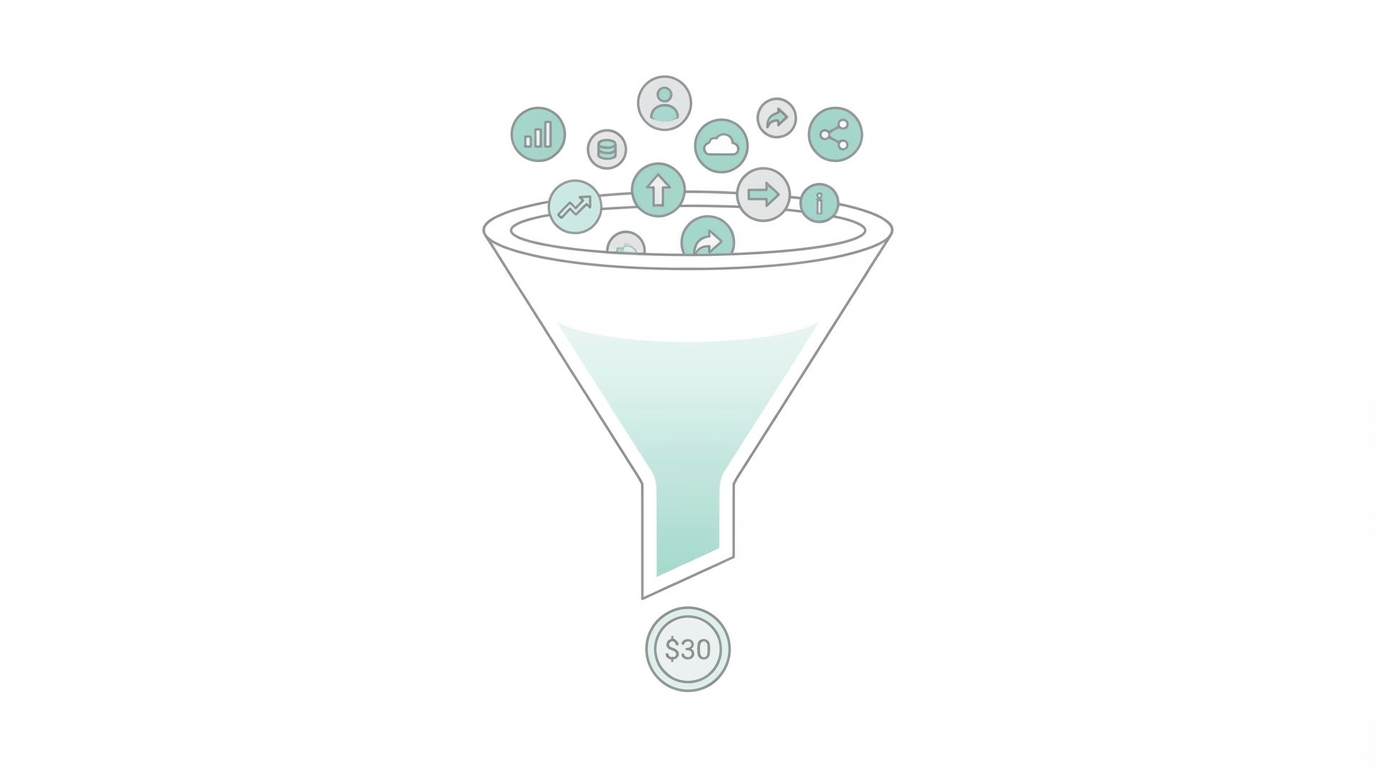
One of the biggest mistakes founders make is waiting until they have a finished product to monetize. Instead, you should aim to generate revenue from your leads immediately. This can be done through affiliate partnerships or newsletter recommendations. If someone signs up for your startup ideas bank, you could recommend a design tool and earn an affiliate cut. Alternatively, platforms like SparkLoop pay you for every subscriber you refer to other relevant newsletters.
By generating even $1 to $2 per lead through these methods, you turn your lead generation into a self-funding machine. If you earn $1,250 from your organic leads, you can reinvest that entire amount into paid acquisition via Meta Ads Manager. If you can buy new leads at $2 each, your total lead count grows to nearly 1,900 per month. At this stage, you have transitioned from a content creator to a lead generation machine, which is the most stable place for a founder to be before launching a product.
Phase 4: Product Discovery and the Minimum Viable Product Strategy

With a growing list of leads being nurtured through a weekly newsletter or a community platform like Skool, you can finally begin product development. Rather than guessing what to build, ask your community directly. Prioritize their pain points by identifying which problems are high-value for them but low-effort for you to solve using a framework like RICE prioritization. This is the essence of a minimum viable product strategy.
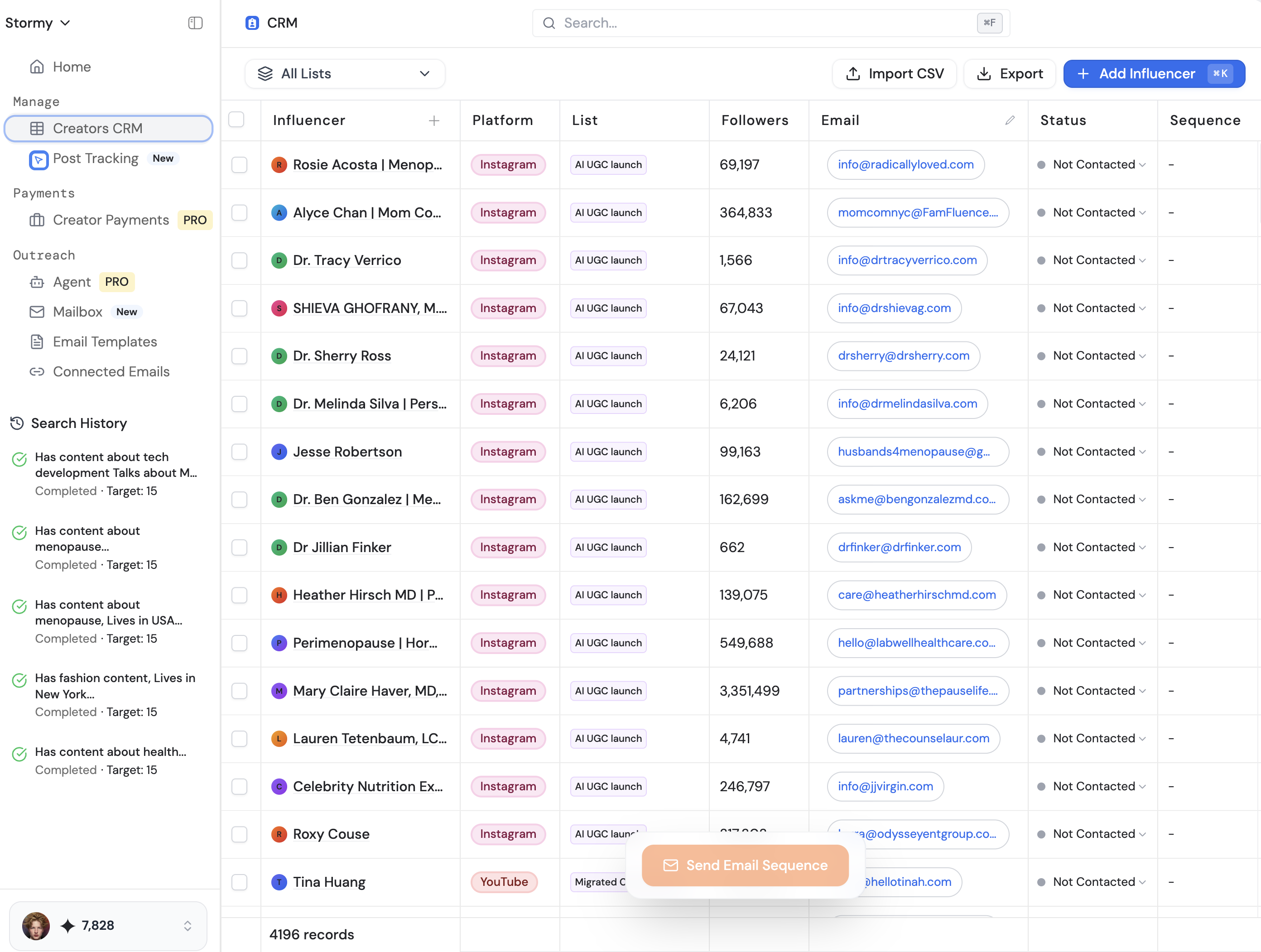
To scale your content engine and maintain your impression counts during this development phase, you may need to source authentic content from other creators. Platforms like Stormy AI can help you discover and manage creators who specialize in your niche. By using Stormy to source creators, you can automate the discovery and outreach process, ensuring your brand stays top-of-mind while you focus on building the core product features your community requested.
Phase 5: Launching the $30 'Thank You' Sale
When you are ready to launch, start with a $30 monthly offer. This pricing is low enough to be a "no-brainer" for your audience, many of whom will sign up simply as a way to say thank you for the months of free value you have provided in their inbox. If you can convert just 3% of your total leads, you will be adding over 50 new customers per month. By the end of the first year, this results in approximately 672 customers and over $200,000 in Annual Recurring Revenue (ARR).
While $200k might feel small compared to your long-term goals, this is the stage where compounding takes over. The key is to avoid the temptation to spend these profits on lifestyle upgrades. Instead, reinvest the profits back into your lead-buying funnel. You have already proven that the machine works; now you just need to pour more gasoline on the fire. By year three, with a consistent reinvestment strategy, it is entirely possible to reach 5,000 customers and $1.5 million in ARR.
Phase 6: The 80/20 High Ticket Upsell Strategy
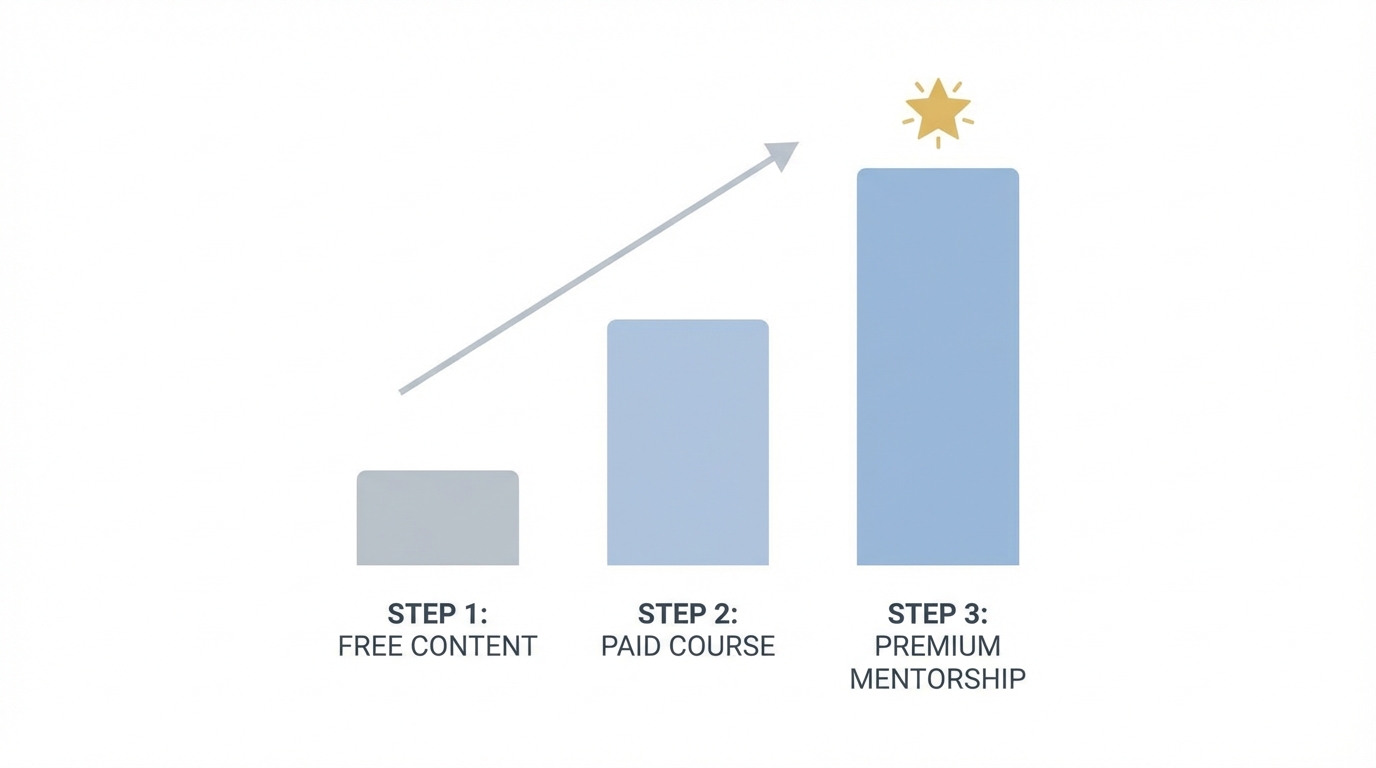
Once you have a solid base of $30/month users, you can implement high ticket upsell techniques to dramatically increase your ARR without needing to find thousands of new customers. This follows the 80/20 rule: 80% of your revenue will eventually come from your top 20% of users. Transition your power users into a $100/month premium tier and your top 5% into a $500/month high-touch tier, such as a mastermind or a specialized agency service.
By structuring your SaaS pricing models this way, your revenue breakdown might look like this:
- 4,000 customers at $30/mo ($1.44M ARR)
- 1,000 customers at $100/mo ($1.2M ARR)
- 250 customers at $500/mo ($1.5M ARR)
Suddenly, your $1.5 million business has jumped to over $4 million in ARR simply by offering more value to the people who already trust you. For those managing these high-ticket relationships, using a tool like Stormy AI's creator CRM can help track interactions and collaboration history, ensuring that your most valuable customers receive the attention they deserve as you scale.
Phase 7: Scaling to a $20M+ Exit
With a 50% annual growth rate—which is conservative for a validated, profitable machine—you can reach over $9 million in ARR by year five. At this point, you have two choices: keep the business as a cash cow that provides generational wealth, or exit. In the current market, a healthy software or service business can often sell for 3x to 5x ARR, placing your exit valuation between $27 million and $45 million [source: Investopedia].
If you choose to sell, you have successfully transitioned from a single-product founder to a diversified cash-flow machine. If you choose to keep it, you own the digital equivalent of an apartment building—except one where you never had to borrow millions from a bank to start. The success of this model doesn't rely on luck; it relies on the disciplined execution of niche selection, lead generation, and SaaS monetization strategies. For more support in scaling your SEO and organic discovery during this journey, experts like those at Boring Marketing can help ensure you aren't solely dependent on paid ads to fuel your growth.
The path to millions is clear, but it is not easy. It requires the patience to nurture an audience for six to twelve months before asking for a single dollar. But for those who follow the playbook, the rewards are more than just financial—they are the foundation of true independence.