For many early-stage founders and 'vibe coders,' the path from an initial prototype to a profitable company feels like an uphill battle against rising customer acquisition costs. You have a tool with one killer feature, but the traditional ad channels are crowded and expensive. However, a specific saas growth playbook has emerged, allowing bootstrapped companies to bypass the noise and scale to $6M ARR in record time. By leveraging mispriced attention on YouTube and combining it with a performance-based affiliate model, founders are turning creators into their primary distribution engine.
The Power of Mispriced Attention
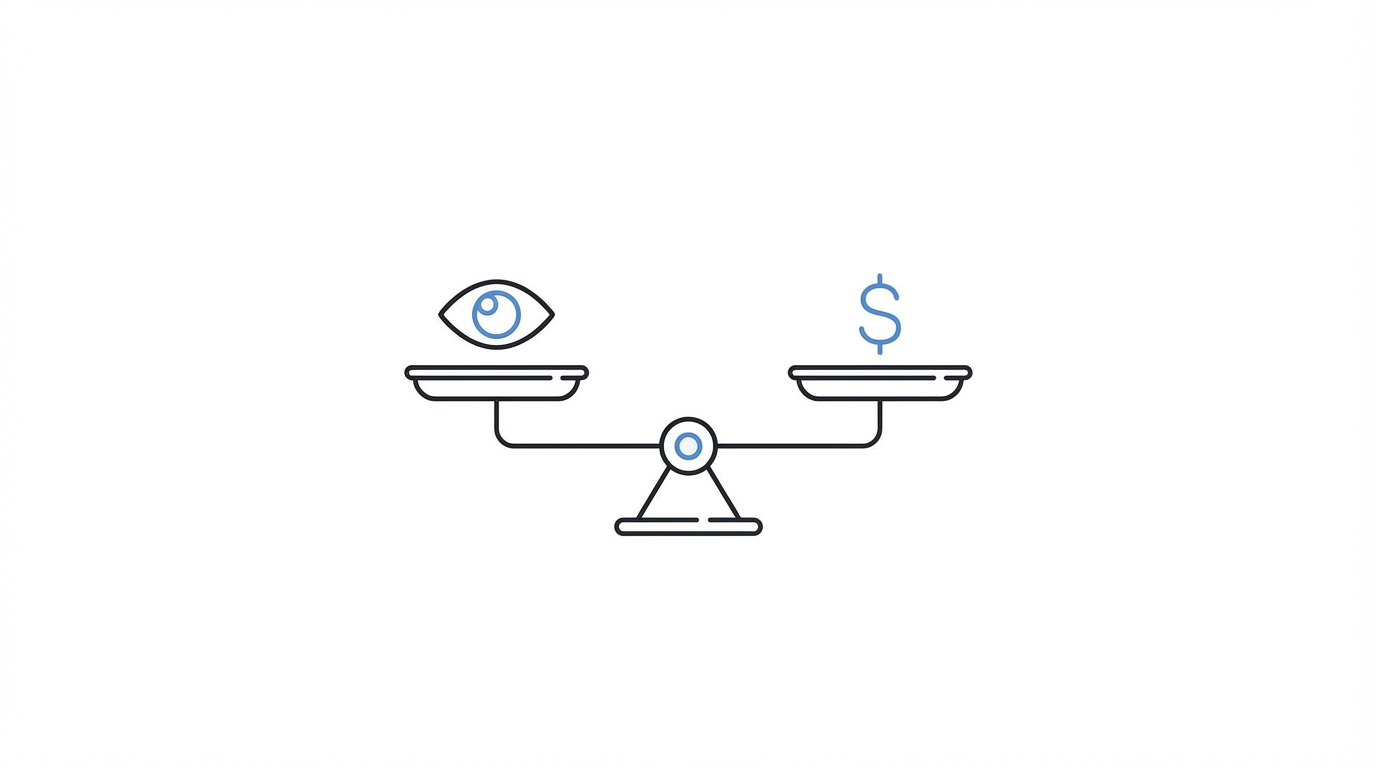
The core of this strategy lies in identifying mispriced attention. In any market, there are pockets of high-quality audience engagement that are undervalued because they haven't been fully commoditized yet. While big brands focus on multi-million dollar deals with top-tier celebrities, micro-creators in specific niches often have no idea what their true value is to a software company. When you implement a Google Ads-style approach to creator discovery, you can find marketing arbitrage opportunities where the cost to reach an engaged audience is significantly lower than the revenue generated from their conversions.
Unlike TikTok or Instagram Reels, where content is often a 'flash in the pan' and difficult to track, long-form YouTube videos provide a unique advantage: direct attribution. When a creator places an affiliate link in the description of a 10-minute tutorial, you can track the exact ROI via the YouTube Creator Studio analytics. This allows you to treat influencer marketing for saas as a measurable science rather than a speculative art.
Case Study: The Everbee Model
To understand the potential of this youtube sponsorship strategy, look no further than Everbee. Founded by Cody McGuffey, Everbee provides market research tools for Etsy sellers. By strictly following a creator-led distribution strategy, the company successfully scaled from $0 to $6M ARR in just 18 months entirely bootstrapped. They didn't dump money into broad Facebook campaigns; instead, they saturated the Etsy-seller niche on YouTube by partnering with every creator who taught others how to sell online using resources like the Etsy Seller Handbook.
This model works because it transforms a standard advertisement into a product demo in disguise. When a trusted creator uses your software to solve a specific problem in a tutorial, the viewer doesn't see it as an ad—they see it as a solution. This high-intent traffic often leads to conversion rates that far exceed traditional display or search advertising.
Step 1: Sourcing Creators and Scraping Data
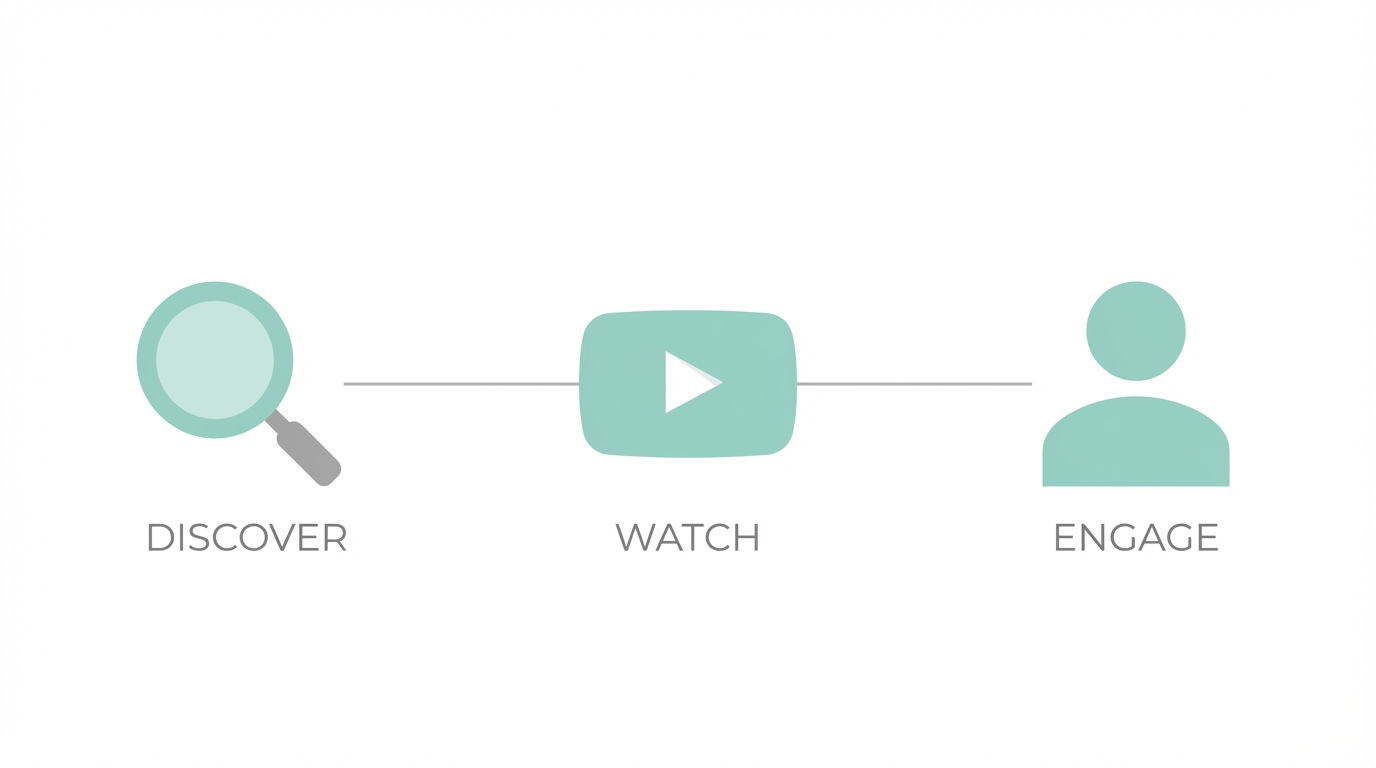

The first step in your saas growth playbook is to identify creators who are already making content within your category. If you have a data tool, look for people teaching Looker Studio tutorials. If you have a marketing app, search for creators discussing Meta Ads Manager strategies. You want to find creators with 10,000 to 50,000 subscribers, as they often have the most engaged audiences and the most flexible pricing.
To scale this, you need their contact information. While you can manually check the 'About' section of YouTube channels, this is limited by captchas and time. Advanced founders use tools like the Rapid API YouTube email scraper or hire talent on Fiverr or Upwork to scrape thousands of channel emails at once. The goal is to build a massive list of potential partners to identify those who are underpricing themselves relative to their reach.
Step 2: The High-Conversion Outreach Pitch
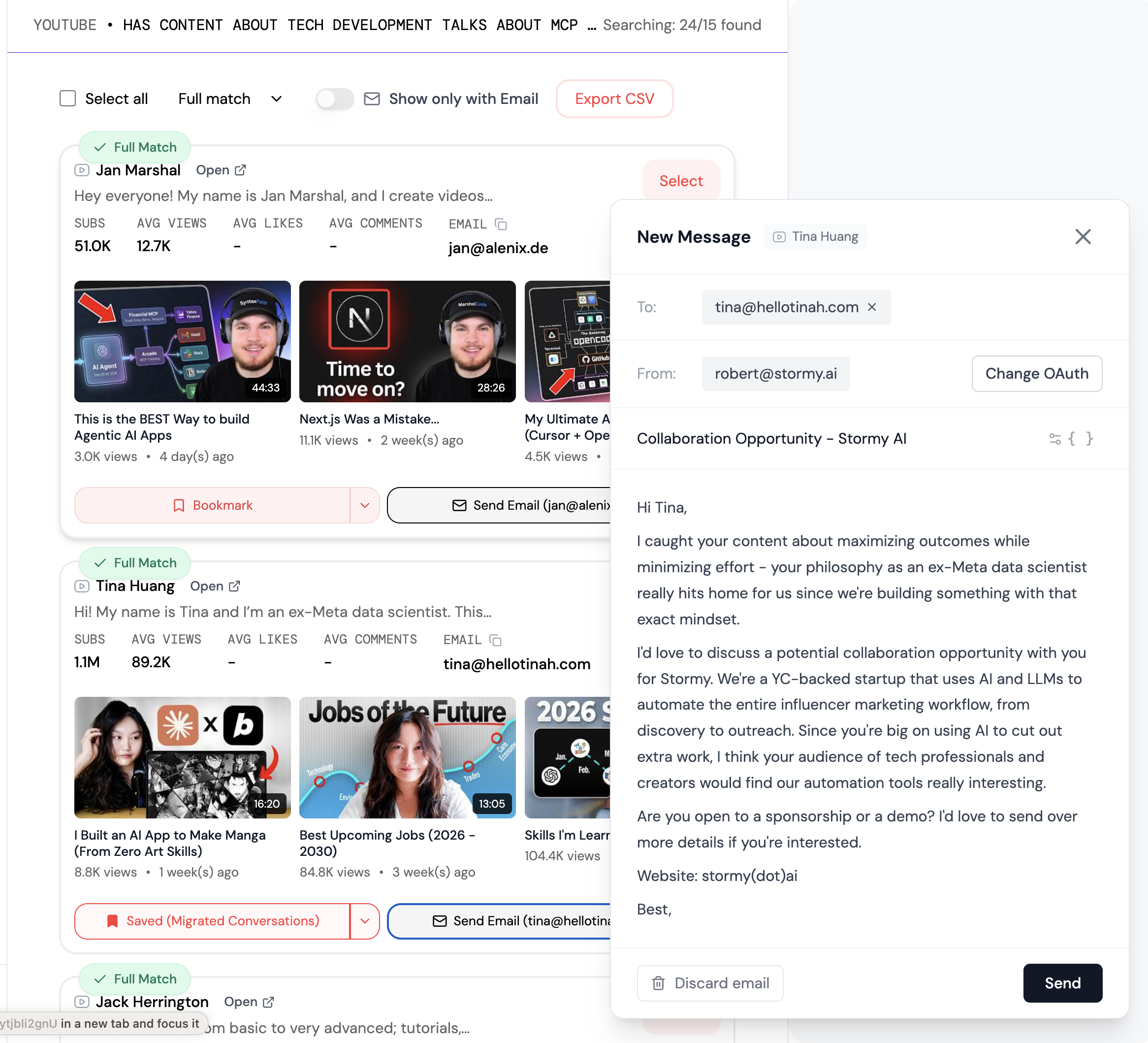
Your outreach should be short, professional, and focused on a 3-video package. Avoid long, corporate introductions. The most successful subject line for this type of cold outreach is simply: "Paid Collaboration." This immediately signals that you have a budget and are ready to do business.
In the body of the email, ask for their cost breakdown for a three-video series and mention a 30% affiliate commission. Why three videos? A single shoutout is easily forgotten. A three-video series spread over six to eight weeks builds familiarity and trust. It signals to the audience that the creator actually uses and relies on the tool, which is critical for creator affiliate marketing success. Furthermore, the high commission percentage creates an incentive for the creator to produce high-quality work that converts.
Step 3: Negotiating for Arbitrage
Once the responses start coming in, you can begin to rank-stack creators based on their cost versus their subscribers or average views. In an inefficient market, some creators will ask for $3,000 for a package while others with the same reach might ask for $300. You are looking for those who are underpricing their value based on current influencer marketing pricing trends.
When negotiating, don't be afraid to state what you typically pay for channels of their size. Many creators don't have a fixed rate card and are open to suggestions. If you are managing this process manually, tools like Notion can help you track these negotiations. However, as your list grows, specialized platforms like Stormy AI can help source and manage UGC creators at scale, even using AI agents to handle the initial research and negotiation phases so you can focus on the product.
Step 4: The 30% Affiliate Lock-In

A major risk in influencer marketing is that as a creator grows, they will dramatically increase their prices. The 30% affiliate commission serves as a strategic lock-in. If a creator is earning $5,000 or $10,000 a month in recurring commissions from your software, they are much less likely to hike their sponsorship rates or switch to a competitor. It creates an uncomfortable conversation for them to risk that passive income stream.
To manage these payments and track links effectively, use a reliable platform like Rewardful, which integrates directly with Stripe. This ensures that every click and conversion is attributed correctly, giving you the data needed to decide which creators to keep on long-term retainers. By moving from one-off sponsorships to monthly creator retainers, you build a foundation of evergreen revenue that continues to grow as the creator's channel grows.
Step 5: Scaling to Monthly Retainers

After your initial cohort of 10-20 creators has posted their three-video series, analyze the data. Typically, 20% of the creators will drive 80% of the results, a classic example of the Pareto Principle. Your goal is to take those top performers and move them onto a monthly retainer. Ask them: "Can we get one video per month at a fixed rate?" Most creators crave the stability of recurring income and will happily agree.
Repeat this cycle every month. Contact 100 new creators, run a test cohort, find the winners, and add them to your monthly retainer program. Eventually, you will have dozens or even hundreds of creators posting about your product every month. This creates a spiderweb effect: as these videos go viral, other smaller creators will see them and start making their own videos about your product just to get views, often signing up for your affiliate program voluntarily. This 'astro-turfing' of content is how you scale startup with youtube to the multi-million dollar ARR level.
Managing the Workflow at Scale
Scaling this strategy to 100+ creators requires significant coordination. You have to ensure videos are dropping on time, links are working, and commissions are being paid. While cold email tools like Instantly are great for the initial reach-out, you eventually need a more robust system for relationship management. Using an AI-powered creator CRM, like the one offered by Stormy AI, allows you to track every negotiation and video status in one place, ensuring no creator falls through the cracks.
Remember that you aren't just buying views; you are buying trust. The audience's affinity for the creator is what drives the conversion. By focusing on likes, comments, and sentiment rather than just raw SaaS marketing metrics, you can ensure that your influencer marketing for saas remains high-quality and high-converting. As highlighted by growth experts at Graph.com, the best tactical growth happens when you find these misaligned distribution channels and exploit them aggressively before the rest of the market catches on.
Conclusion: Your Growth Pathway
Scaling to $6M ARR doesn't always require a massive venture capital infusion or a 50-person sales team. For the modern SaaS founder, the combination of YouTube's long-form educational content and a performance-based affiliate model offers a sustainable, bootstrapped path to explosive growth. By identifying mispriced attention, securing 3-video packages, and locking in top performers with retainers, you can build an evergreen marketing machine that works while you sleep. Start by reaching out to your first 50 creators this week—the arbitrage won't last forever, and the best time to start is while the market is still 'medium-rare.'