In 2026, the era of manually scrolling through creator feeds and copy-pasting email templates is officially dead. As the global influencer marketing industry surges past $32.55 billion, the bottleneck for growth marketers is no longer finding talent—it is the sheer operational weight of managing it. Modern growth teams have shifted from static databases to execution-first AI influencer agents that handle the "boring 80%" of admin work, from initial discovery to automated rate negotiations.
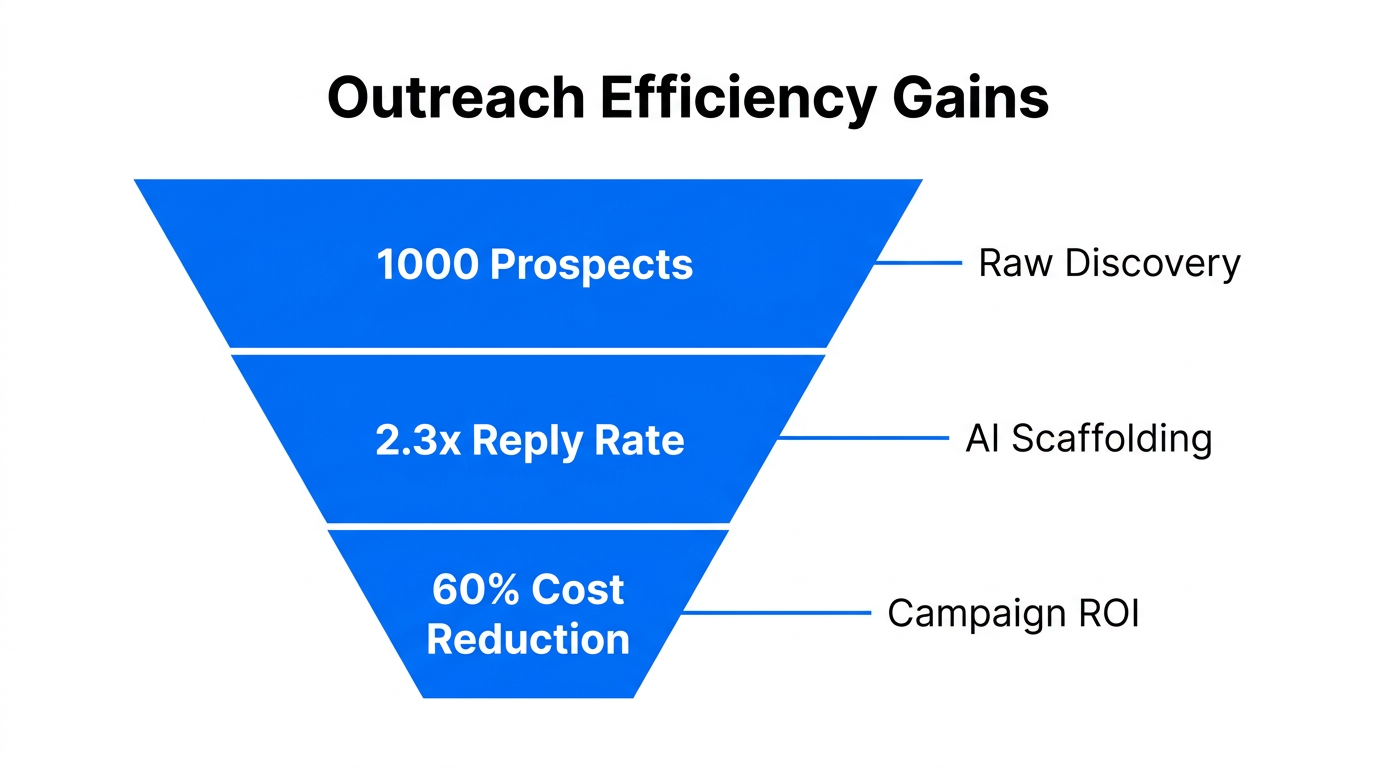
By deploying an AI influencer agent, brands are currently seeing a 40–60% reduction in campaign coordination costs, according to data from Ignite Social Media. This playbook will guide you through the transition from manual workflows to autonomous systems, ensuring your brand stays ahead in a landscape where 63% of marketers have already integrated AI into their influencer strategies.
The 2026 Landscape: Agentic AI vs. Virtual Talent
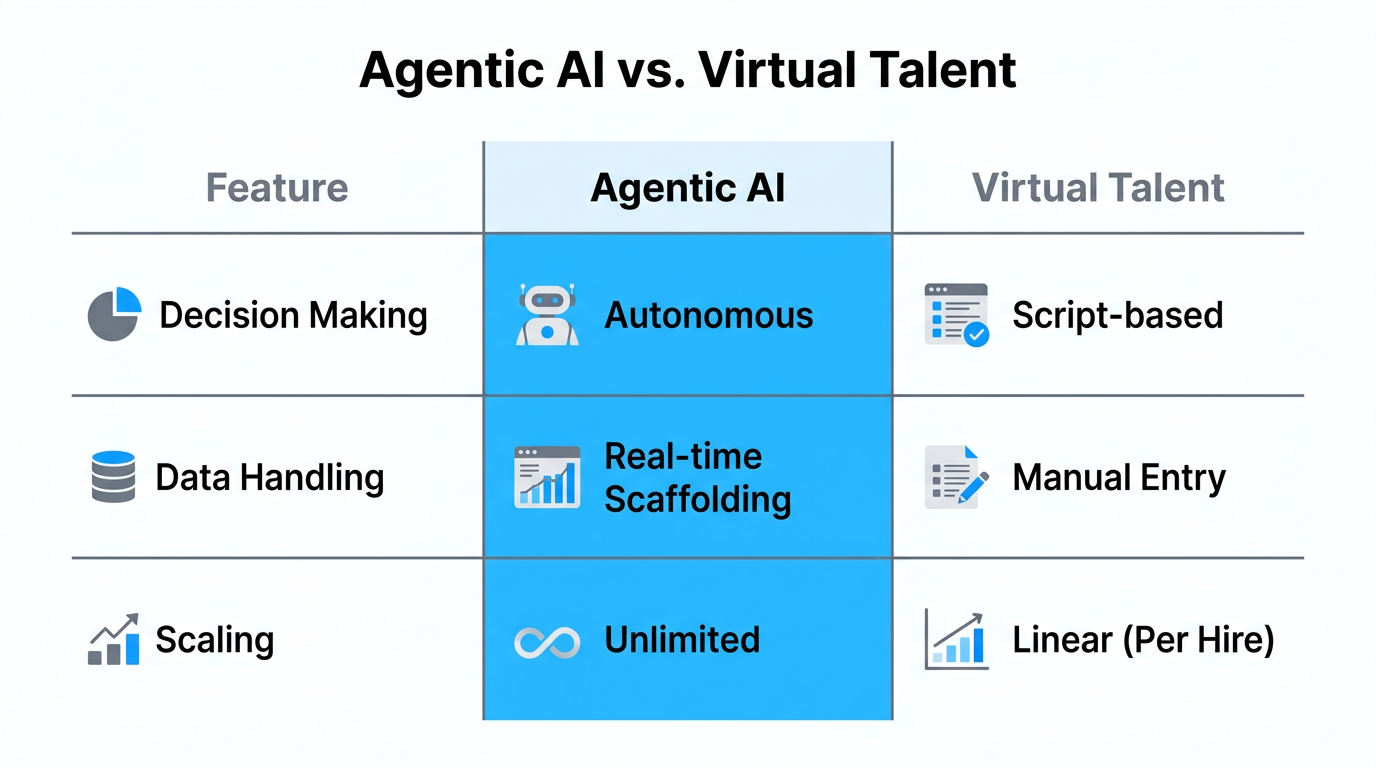
Before diving into the workflow, it is critical to distinguish between the two types of "AI influencers" dominating the market this year. On one side, we have Virtual Talent—fully digital personas like Aitana Lopez or Lil Miquela. These digital creators earn up to €10,000 per month and offer brands 24/7 interactive engagement in the metaverse.
On the other side—and the focus of this guide—are Agentic AI Platforms. These are autonomous software agents, such as Stormy AI or Janney AI, designed to discover, vet, and outreach to human creators. While virtual influencers provide the content, AI agents provide the scale. According to Creators Synergy, AI influencers themselves average a 2.84% engagement rate, but the software agents managing the back-end are what allow brands to manage hundreds of these partnerships simultaneously.
"AI agents liberate creators and marketers from the tyranny of scale and logistics, acting as a tireless digital C-suite that never sleeps."Choosing Your Engine: Stormy AI vs. Janney AI
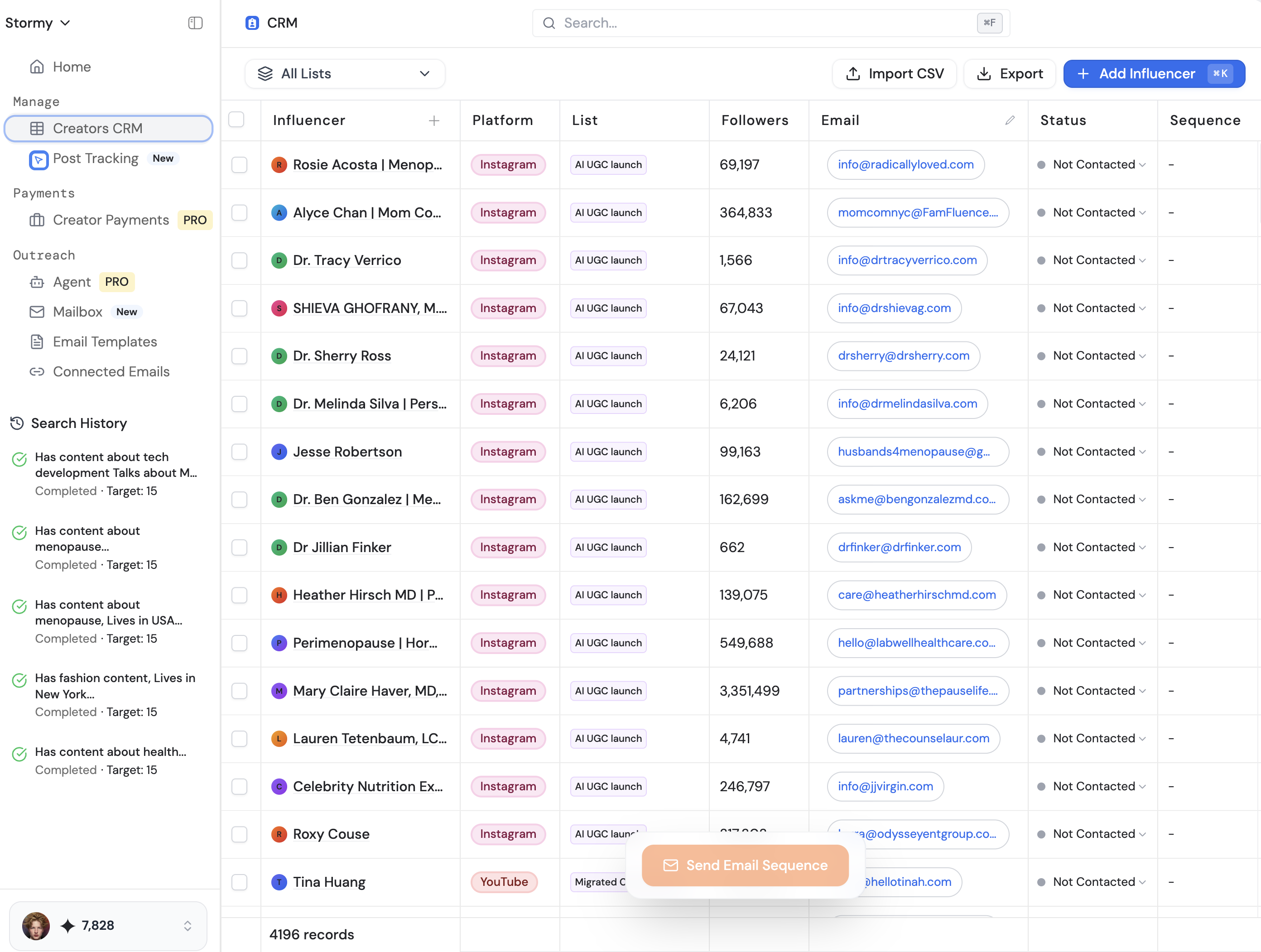
When selecting an autonomous influencer marketing platform in 2026, you generally choose between execution-heavy tools and all-in-one ecosystems. While Janney AI is known for its focus on autonomous outreach and negotiation, Stormy AI provides a more holistic approach by combining AI-powered discovery, vetting, personalized outreach, and a full Creator CRM into a single autonomous agent.
| Feature | Stormy AI | Janney AI |
|---|---|---|
| Discovery Method | Natural Language AI Search | Keyword/Filter Based |
| Autonomous Outreach | Full AI Agent (Daily Schedule) | Automated Sequences |
| Vetting & Fraud Detection | AI-Powered Quality Reports | Basic Demographics |
| Unified Inbox & CRM | Yes (Integrated) | Limited |
| Platform Coverage | TikTok, YT, IG, LI, Newsletters | TikTok, IG |
While Janney AI is a capable tool, Stormy AI emerges as the clear winner for teams looking to scale. Stormy’s AI agent doesn't just send emails; it researches each creator's recent content to craft hyper-personalized messages that increase reply rates by 2.3x. Furthermore, Stormy's integration of a full Creator CRM and payment system ensures that once a creator says "yes," the transition to campaign execution is seamless.

The Step-by-Step Playbook for Autonomous Outreach
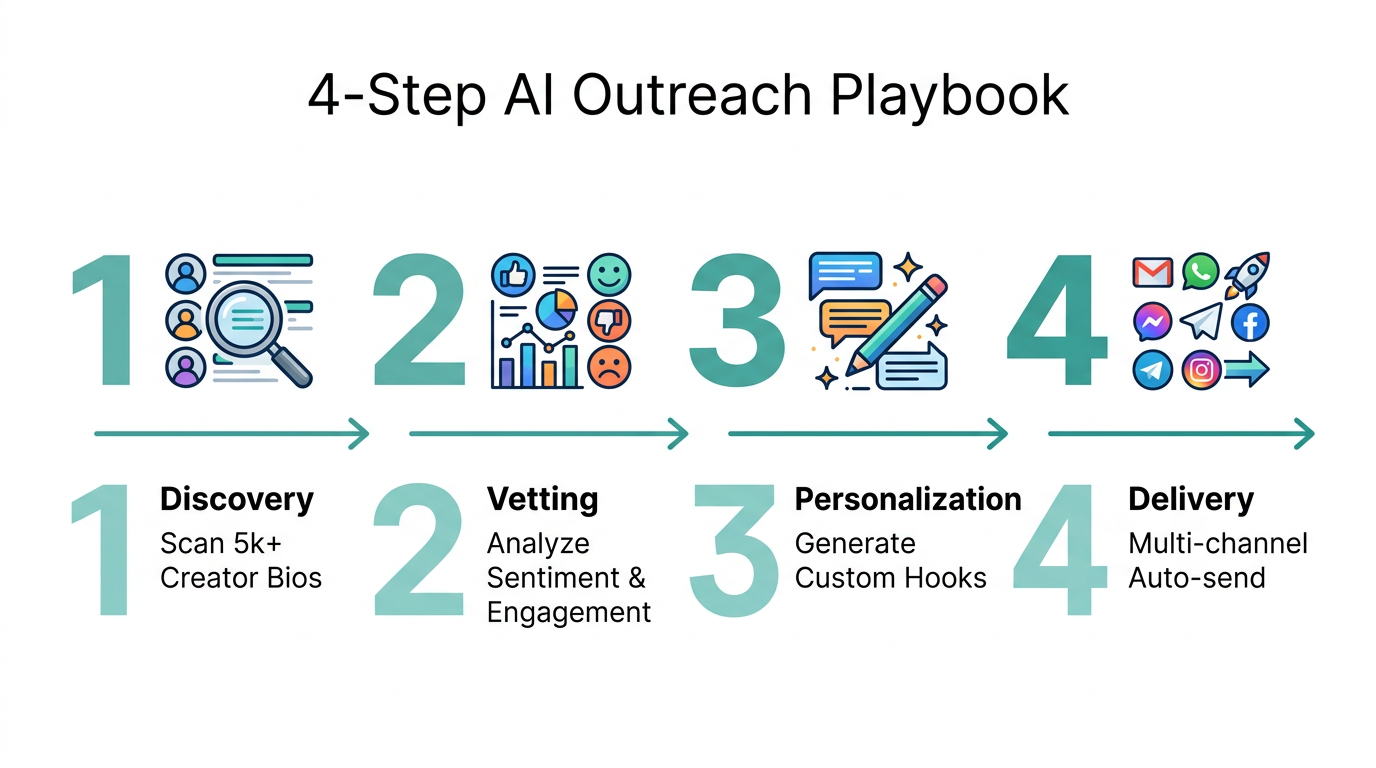
Scaling your influencer efforts requires a shift in mindset. You are no longer the "doer"; you are the orchestrator. Follow these steps to set up your autonomous agent for maximum ROI.
Step 1: Define Your Target with Natural Language
Forget complex Boolean strings. In platforms like Stormy AI, you simply describe your ideal creator. For example: "Find me fitness creators in Austin with 50K-150K followers who focus on sustainable apparel and have an engagement rate above 3%." The AI parses millions of profiles across TikTok, YouTube, and Instagram to build a high-intent list in seconds.
Step 2: Hyper-Personalized Outreach Calibration
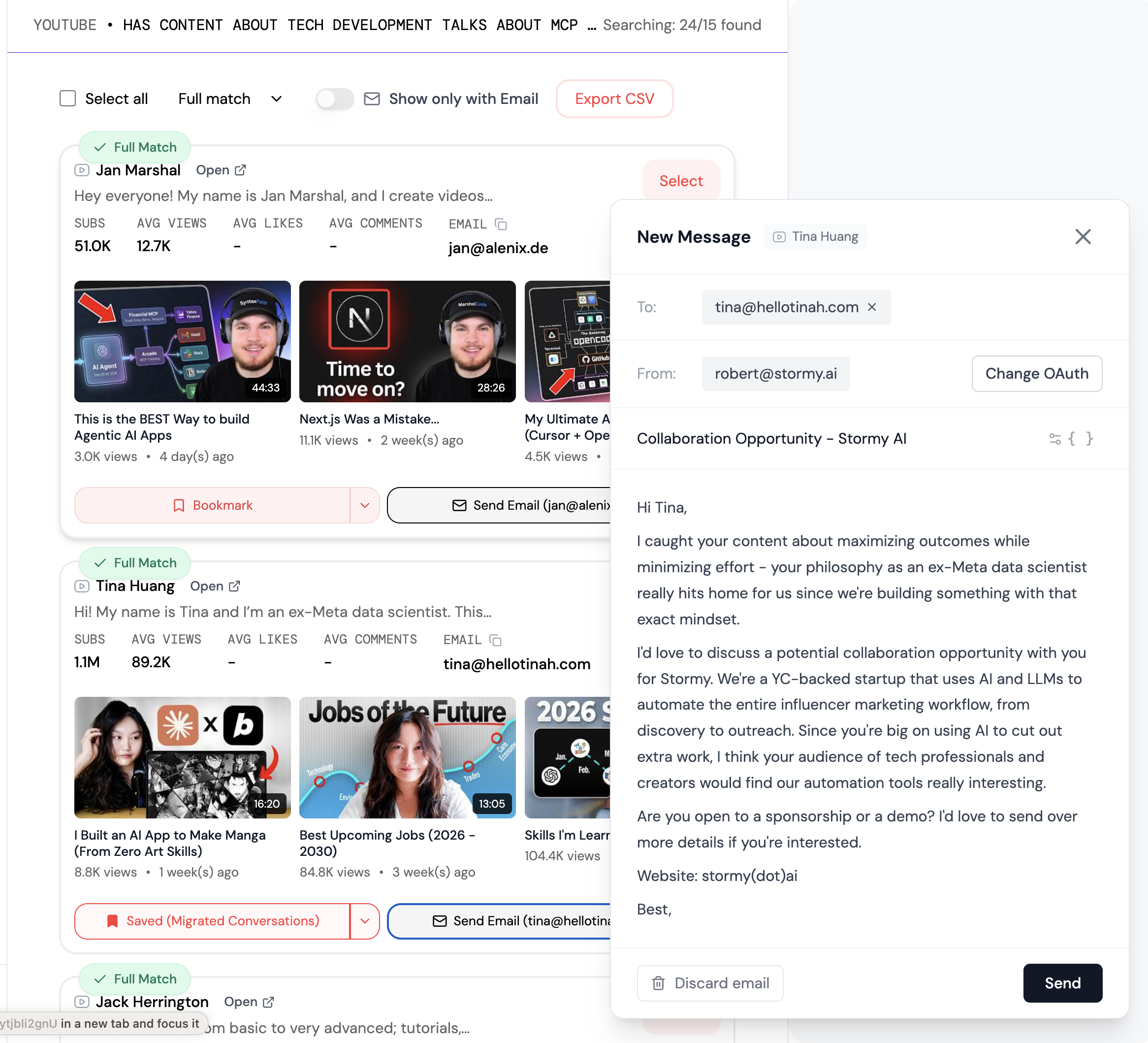
The biggest mistake in influencer outreach automation is sounding like a robot. Modern agents use real-time social data to reference a creator's specific "vibe" or recent posts. When setting up your agent, ensure you utilize dynamic tokens that pull from the creator's latest video captions. According to research by Stormy AI, this level of personalization is the primary driver behind the 2.3x increase in reply rates seen this year.
Step 3: Deploy the Autonomous AI Agent
Instead of manually hitting "send" on batches, set up an autonomous agent that operates on a daily schedule. You can configure Stormy AI to discover and outreach to 20 new creators every morning while you sleep. The agent handles the follow-ups (typically 3 emails spaced 4 days apart) and only alerts you when a creator expresses interest or asks a specific question.
The 'Human-in-the-Loop' (HITL) Essential
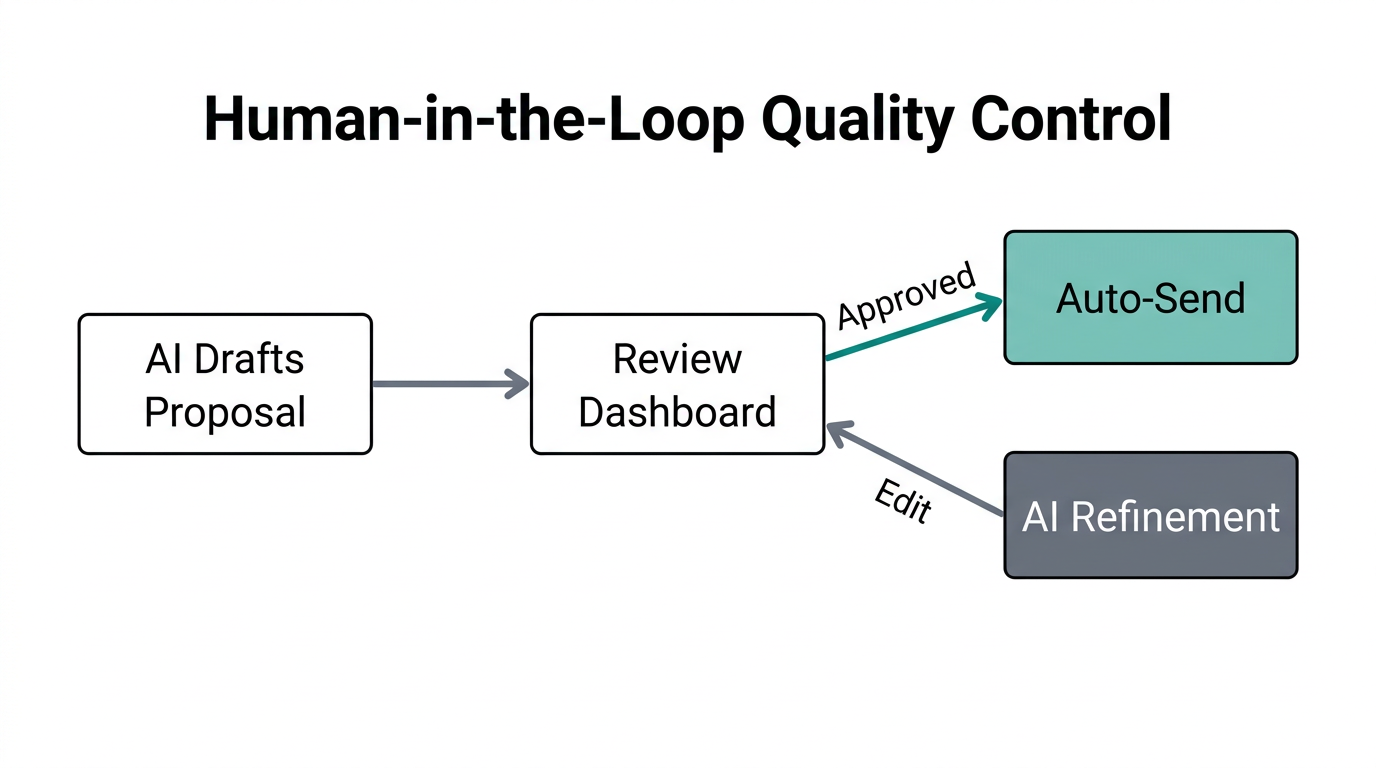
Despite the power of AI, human authenticity remains the cornerstone of brand trust. Human influencer Dana Brooke notes that brands hire humans for "messy authenticity" that pixels can't replicate. Therefore, your workflow must include a Human-in-the-Loop (HITL) system.
Use the AI agent for the discovery and the initial outreach, but keep a human marketer for the "Vibe Check". This involves a final review of the creator’s content to ensure their values align perfectly with your brand before the contract is signed. Platforms like Stormy AI facilitate this by allowing you to move creators through different deal stages in a built-in CRM, where the final approval always requires a human click.
"Agents amplify what’s already organized; they don’t rescue what’s broken. You can’t hand an agent your agency’s chaos and expect order." — David MainieroData Scaffolding: Preventing Agent Hallucinations
An AI agent is only as good as the data it consumes. To ensure accurate performance metrics and prevent "hallucinations" (where the AI makes up data points), you must implement Data Scaffolding. This involves cleaning your HubSpot or Stormy CRM data before deployment.
According to Atera, agents require structured inputs—such as historical engagement rates and past campaign ROI—to make informed decisions. If you feed an agent outdated spreadsheets or "dirty data," you risk destroying creator relationships through inaccurate outreach. Always ensure your tracking links and creator tags are standardized across your growth stack, whether you use AppsFlyer for mobile attribution or Meta Ads Manager for whitelisting.
Common Mistakes to Avoid in 2026
- The "Synthia" Error: Training your agent or virtual influencer on the likeness of real creators without consent. This can lead to "Digital Plagiarism" lawsuits, as noted by 5W PR.
- Over-Automation: Allowing agents to handle 100% of community management or DMs. This often results in "uncanny valley" interactions that feel cold and robotic.
- Ignoring Niche Specialists: In 2026, the trend is moving away from generalists. As Hashmeta suggests, focus your agent on finding niche experts in fields like sustainable fashion or quantum computing for higher credibility.
The Future of Growth is Agentic
Scaling your influencer marketing in 2026 requires more than just a larger budget; it requires a smarter execution engine. By utilizing an AI influencer agent like Stormy AI, you can automate the administrative heavy lifting while keeping your team focused on high-level strategy and creative direction. The result is a more efficient, data-driven, and scalable creator program that delivers higher ROI with a fraction of the manual effort.
Ready to put your creator outreach on autopilot? Discover how Stormy AI can transform your influencer operations today.