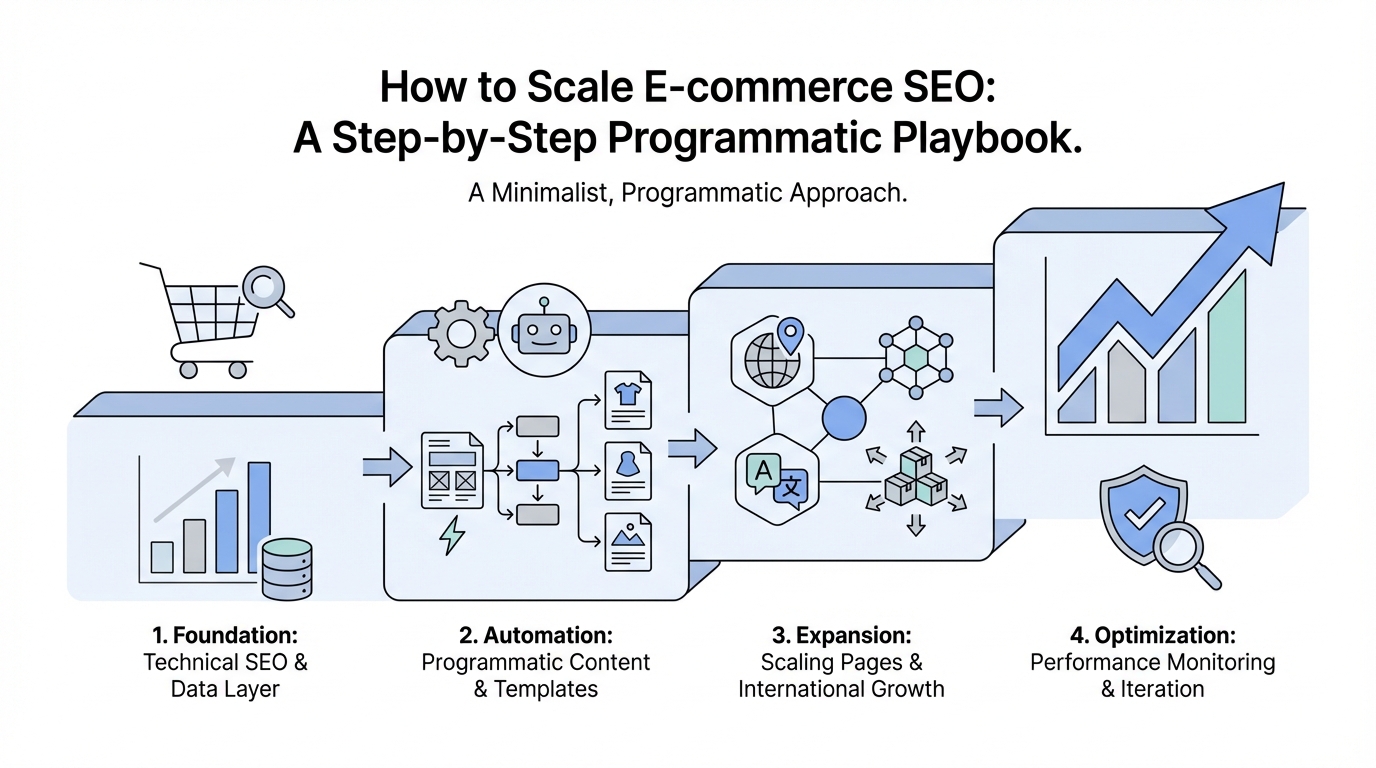
In the rapidly evolving landscape of digital retail, the traditional approach to search engine optimization—manually crafting individual category and product pages—is no longer sufficient for brands aiming for market dominance. As we move into 2025, the most successful e-commerce growth strategies center on efficiency and automation. Enter programmatic SEO for e-commerce: a systematic method of generating thousands of high-quality, high-intent landing pages using data and templates. This isn't about keyword stuffing; it is about building a scalable data architecture that satisfies both human search intent and the sophisticated requirements of modern search engines.
The Shift to Data-Driven SEO Architecture in 2025
The era of "bulk content" for the sake of volume is over. Today, the focus has shifted toward Generative Engine Optimization (GEO). This means ensuring your scaled pages are not just indexable by Google, but "citable" by emerging AI agents like ChatGPT and Perplexity. Modern brands are prioritizing structured data over raw text to ensure they appear in AI-driven search results. According to research by ClickSlice, over 30% of daily product research is projected to happen via voice search and AI assistants by 2026.
The transition from a monolithic CMS to a composable architecture is also a defining trend. Brands are increasingly moving toward headless or API-first structures, utilizing tools like Whalesync to sync real-time data across their platforms. This allows for dynamic updates to inventory, pricing, and availability across hundreds of thousands of pages simultaneously, a feat impossible with manual management.
"The goal of pSEO is not to churn out thin pages... but to efficiently create useful, targeted pages you would have made if you had infinite time."
Building the Programmatic SEO Stack
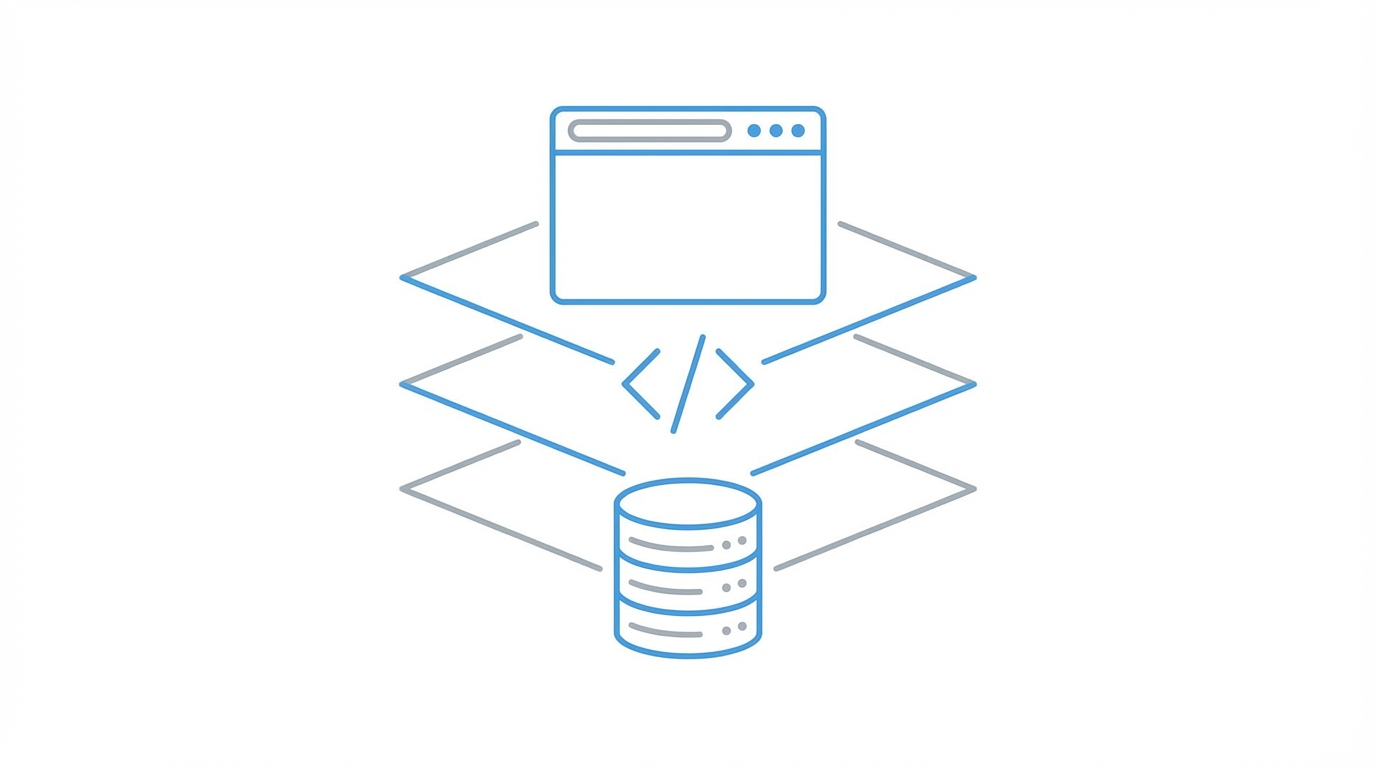
To scale e-commerce organic traffic, you need a robust technical foundation. The "stack" for programmatic SEO usually consists of three core layers: Research & Intelligence, Data Management, and the Generation Engine. For those operating on a large scale, using specialized SEO intelligence tools can help identify the high-intent clusters most likely to convert.
The Data Layer: Airtable & Whalesync
At the heart of every pSEO engine is the Source of Truth. This is typically a database—most commonly Airtable—that houses every attribute of your product catalog. From SKUs and colors to local warehouse availability and specific use-case descriptions, every variable must be structured. For those using platforms like Shopify, tools like ConvertMate can act as an AI agent to manage bulk updates and A/B test descriptions automatically.
The Generation Layer: Templating and Deployment
Once your data is ready, you need to push it to your frontend. If you are on WooCommerce, WP All Import is the gold standard for importing large datasets into templated pages. For custom or headless builds, platforms like Verbolia identify long-tail gaps and auto-generate high-converting landing pages (vPages) that capture hyper-specific search queries like "Men’s Canvas Slip-On Shoes Under $50."
Step-by-Step Playbook for Scaling to 100,000+ Pages
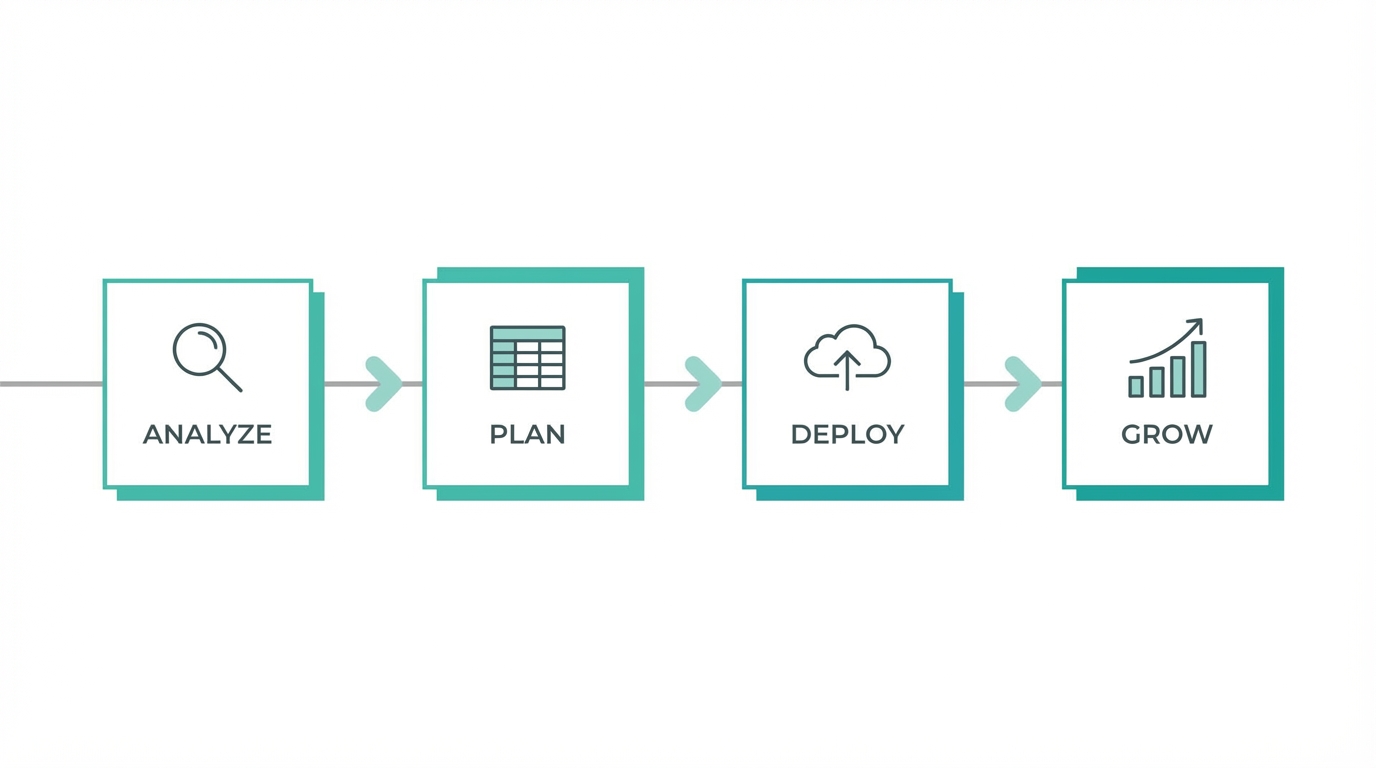
Successfully scaling e-commerce revenue through pSEO requires a disciplined workflow. Follow these steps to build an engine that Google rewards rather than penalizes.
Step 1: Identifying Long-Tail Gaps
Start by identifying keywords with high intent but low competition. Tools like LowFruits are designed to find these "low-hanging fruit" keywords. For an e-commerce brand, this might look like "[Color] [Material] [Product Type] for [Use Case]." Instead of just targeting "Running Shoes," you target "Waterproof Trail Running Shoes for Wide Feet."
Step 2: Structuring the Source of Truth
Build your database in Airtable. Every row should represent a unique page, and every column should represent a dynamic field. The secret to avoiding the 'thin content' penalty is ensuring that at least 30% of the content on each page is unique. This is achieved by combining dynamic attributes like technical specs, local stock data, and unique customer review snippets.
Step 3: Creating the Page Template
Design a master template that includes slots for your dynamic data. Use WordLift to inject JSON-LD Schema into your templates. This ensures that your pages gain "Rich Results" (stars, price, and availability) in the Search Engine Results Pages (SERPs), which significantly improves click-through rates.
"The 30% unique content rule is the difference between a site that ranks and a site that gets wiped by a core update."
Step 4: Technical Internal Linking (Hub & Spoke)
One of the most common mistakes in pSEO is creating orphan pages—pages that aren't linked to from anywhere else on the site. To prevent this, implement a Hub and Spoke model. Every hyper-specific "spoke" page (e.g., Blue Organic Cotton Baby Onesie) must link back to its main "hub" (Baby Clothes). Automated tools like Verbolia’s vLink feature can manage these internal link structures at scale, ensuring search crawlers can find and index every single page.
Leveraging UGC to Boost Scaled Page Quality
Once you have successfully launched thousands of automated SEO landing pages, the challenge becomes maintaining high content quality scores. Search engines and AI agents prioritize pages that offer genuine value, and there is no better way to provide this than through User-Generated Content (UGC). Incorporating real customer videos and photos onto your programmatic pages can drastically reduce bounce rates and increase unique content depth.
To source this content at the same scale as your SEO pages, savvy marketers use tools like Stormy AI. Stormy allows you to discover and vet creators across TikTok, Instagram, and YouTube who can produce the specific UGC needed for your diverse product categories. By using Stormy’s AI search, you can find niche influencers—for example, "pet owners in London with 10k-50k followers"—to create authentic video reviews that can be programmatically embedded into your new landing pages.

By automating the discovery and outreach process through Stormy AI, you can ensure that your 100,000+ pages aren't just data-rich, but also socially validated, helping you maintain a competitive edge in both SERPs and social commerce.
Case Studies of Programmatic Success
To understand the potential of this strategy, look at the leaders in the space. According to JB Impact, companies like Flyhomes have expanded from 10,000 to over 425,000 pages in under 90 days using these methodologies.
- Zapier: A masterclass in pSEO, Zapier generated 50,000+ unique landing pages for every possible app integration (e.g., "Slack + Google Sheets"). They use a single robust template fueled by a database of over 5,000 apps.
- Canva: By creating 1.3 million template-specific pages (e.g., "Birthday Card Maker," "LinkedIn Banner Templates"), Canva ranks for over 500,000 keywords and dominates the design space globally.
- Decathlon: The sporting goods giant uses pSEO to capture long-tail search intent for hyper-specific sports equipment across dozens of international markets, ensuring they appear for every localized search variation.
Common Pitfalls and How to Avoid Them
While the rewards of scaling e-commerce revenue via pSEO are massive, the risks are equally high if executed poorly. The most dangerous mistake is the "Traffic Cliff"—a sudden drop in rankings caused by Google flagging thousands of pages as low-quality or duplicate content.
Avoiding Keyword Cannibalization
When you generate pages at scale, it is easy to accidentally target the same intent multiple times. For example, having a page for "Running Shoes" and another for "Shoes for Running" confuses crawlers. Ensure your data logic has strict rules to prevent overlapping page intents.
Prioritizing Page Speed
Large-scale sites often suffer from slow server responses. Using heavy plugins on every pSEO page is a recipe for disaster. Instead, consider using static site generators like Next.js. Fast-loading pages are a critical ranking factor in 2025, especially for mobile users who expect instant results.
Tracking AI Visibility
As AI-driven search becomes standard, you need to track how your pages appear in generative summaries. Tools like Passionfruit Labs focus on AI Visibility (GEO), providing insights into whether your content is being picked up by generative engines or ignored.
Conclusion: Building Your Growth Engine

Scaling an e-commerce brand to 100,000+ pages is no longer a matter of hiring more writers; it is a matter of building a better engine. By combining a Source of Truth in Airtable, a Hub and Spoke internal linking model, and high-quality UGC content, you can capture the vast landscape of long-tail search queries that your competitors are ignoring.
The future of e-commerce growth strategies belongs to those who can marry data with authenticity. Start small—identify 100 long-tail gaps, build your first template, and scale once you see the conversion data. With the right tools and a focus on 30% unique content, your programmatic SEO engine will become your brand's most powerful asset for years to come.