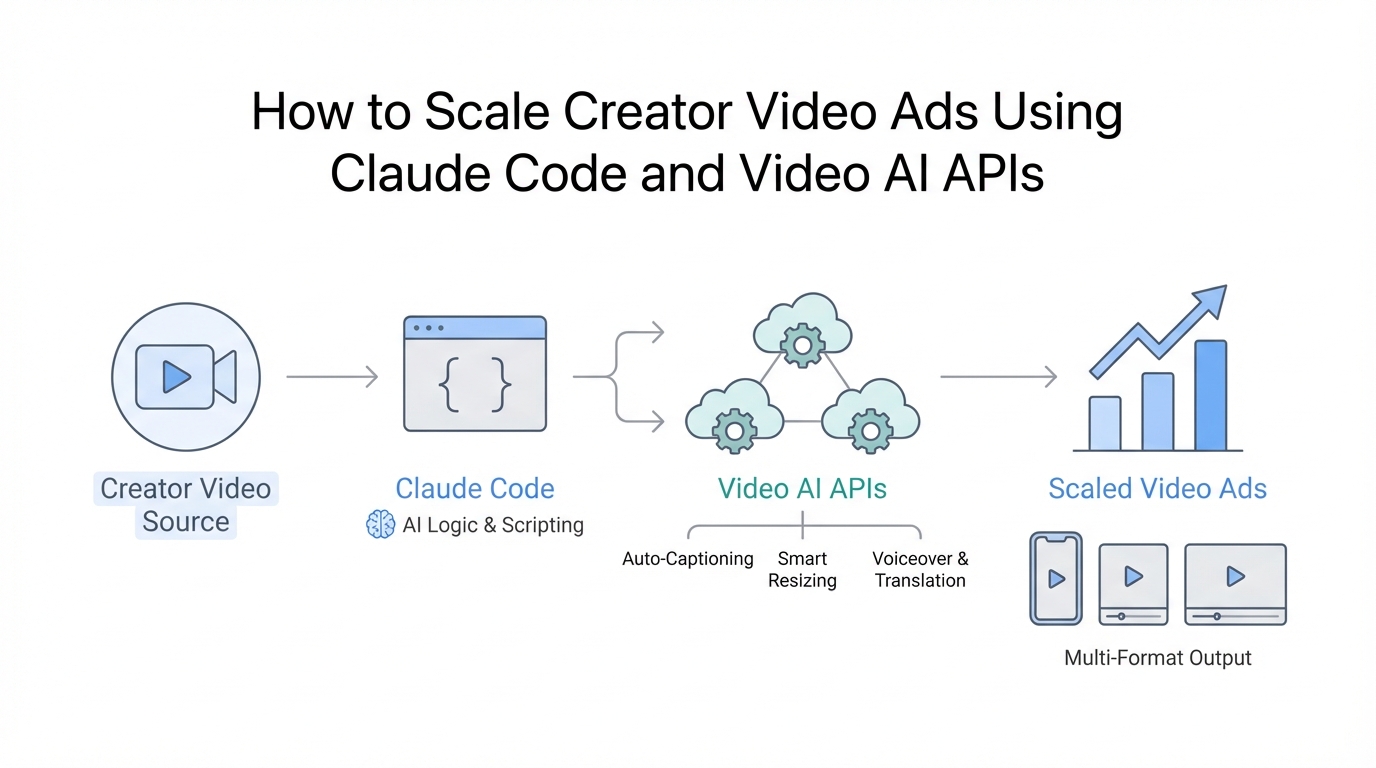
The landscape of digital advertising is undergoing a seismic shift, moving away from manual content creation toward a model where speed and volume are the primary levers for success. In 2025, the most effective marketers aren't just chatting with AI in a browser window; they are deploying Action AI through terminal-based agents to orchestrate entire production pipelines. By utilizing Claude Code alongside advanced video generation APIs, brands can now achieve an ai video ad production workflow that generates hundreds of high-converting creative variants in the time it used to take to edit a single clip.
The Shift from Chat AI to Action AI in Marketing
For the last few years, marketers have used generative AI primarily for "augmentation"—writing a better headline or summarizing a meeting. However, current data from Anthropic suggests a massive transition is underway. Approximately 79% of Claude Code interactions are now classified as autonomous automation rather than simple assistance, according to research by Convergence Now. This means the AI isn't just suggesting a script; it is writing the script, calling a video API, and stitching the final assets together.
This evolution has given rise to a concept known as "Vibe Marketing." In this framework, the marketing funnel is treated like a codebase. Marketers use Claude Code to deploy landing pages, ad variations, and creator briefs directly from their terminal, ensuring that every asset aligns with a specific visual and emotional "vibe." This movement, highlighted by experts at Stormy AI, allows for unprecedented agility in responding to market trends and performance data.
The Economics of Scaling Creator Ads: 90% Cost Reduction
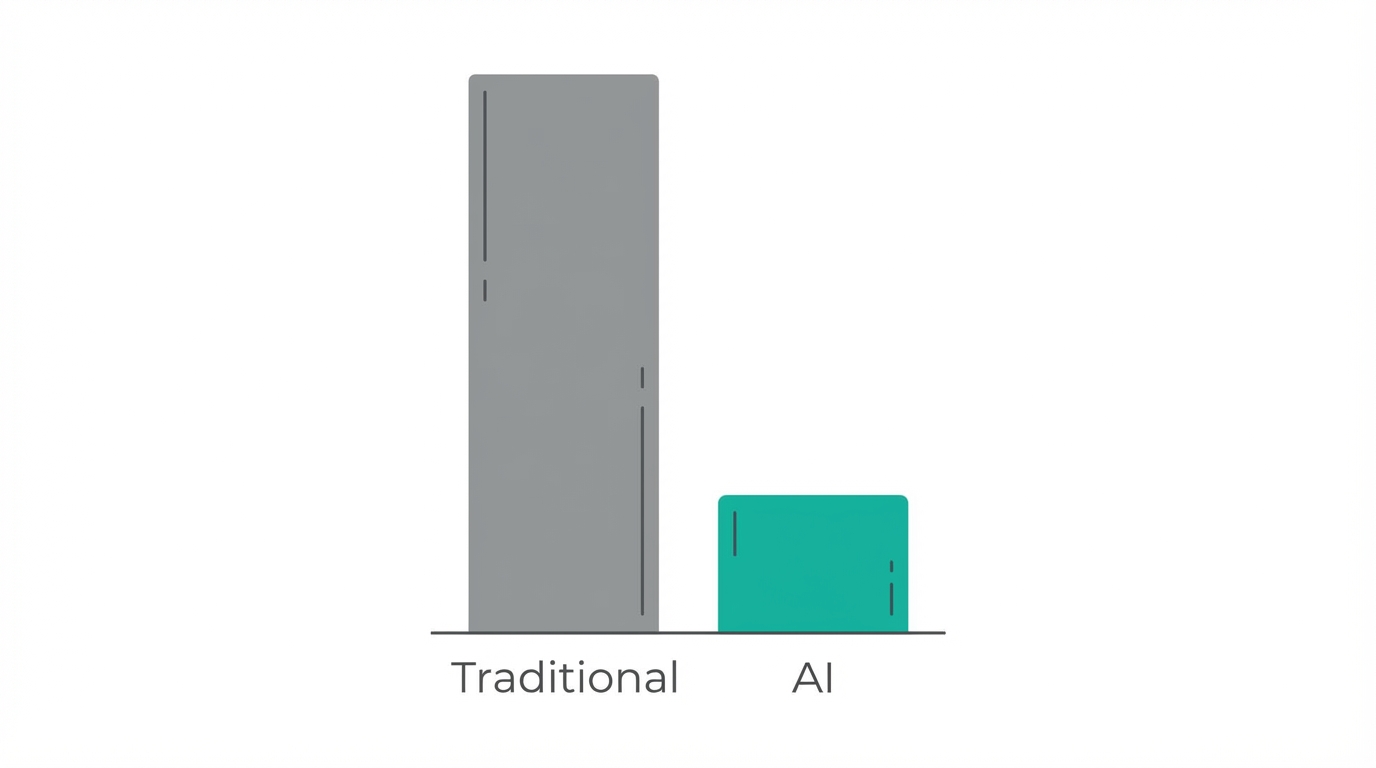
Traditional video production is notoriously expensive and slow. Hiring a creator, shipping products, filming, and professional editing can cost thousands per asset. However, when you scale creator ads using an automated video editing workflow, the math changes completely. According to research from MIT Sloan, scaling personalized video ads with AI can reduce production costs by 90% compared to traditional human-led celebrity versions.
The efficiency gains are equally impressive in terms of speed. Anthropic’s own growth team reported that the time required to create a single Google Ads variation dropped from 30 minutes to just 30 seconds. Furthermore, teams using these agents see a 10x increase in the number of creative variants they can test per campaign, as noted by Generation Digital. This volume is critical because it allows algorithms on platforms like Meta and TikTok to find the specific "vibe" that resonates with each micro-audience.
A Playbook for AI Video Ad Production
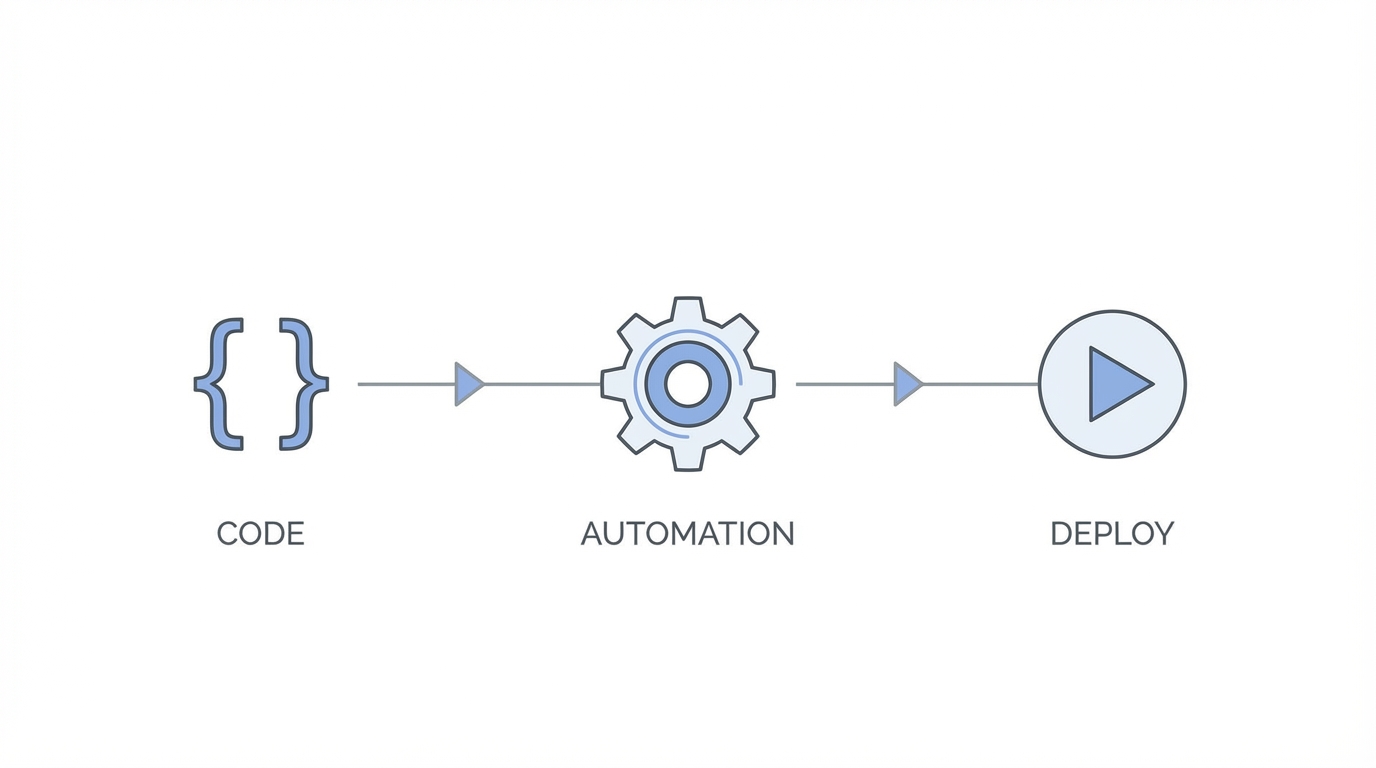
To implement an ai video marketing strategy that actually scales, you need a repeatable technical workflow. This process involves using Claude Code as the central "brain" to control various specialized tools and APIs. Below is a three-step playbook to get started.
Step 1: Scripting and Technical Prompting
Instead of writing one script, you use Claude Code to generate a matrix of scripts based on high-performing hooks. You can feed your project a CLAUDE.md file—a strategy recommended by Stormy AI for maintaining brand context—that contains your brand voice and historical performance data. Claude then generates technical prompts designed specifically for video models.
Step 2: Generation via Kling AI and MiniMax
For high-fidelity creator videos, kling ai for business and MiniMax (Hailuo) are the current industry leaders. You can use Claude Code to programmatically send prompts to these APIs. For example, MiniMax / Hailuo is exceptional at maintaining face consistency, which is vital for making an AI-generated character feel like a consistent brand "creator." Claude handles the batching, ensuring that you receive dozens of 5-10 second clips representing different visual angles and hooks.
Step 3: Automated Stitching with FFmpeg
The true power of Action AI lies in post-production. Rather than opening Premiere Pro, you can instruct Claude Code to use FFmpeg, a powerful command-line tool, to stitch the generated clips together. As noted in insights from Paul Dervan, marketers are now using Claude to write the FFmpeg commands that overlay text, add background music, and insert a call-to-action (CTA)—all from a single terminal command.
Integrating Real Human Insights: Creator Discovery

While AI can generate the video, the "soul" of the ad often comes from modeling real human success. Before you scale, you must identify which creator styles are actually working. This is where tools like Stormy AI become essential. By using an AI-powered search engine to find creators within your niche, you can analyze their engagement rates and content styles to use as a blueprint for your AI generation.
Using the MCP Market (Model Context Protocol), you can even connect Claude Code to influencer discovery skills. For instance, you might run a command like npx skillfish add apify-influencer-discovery and ask Claude to "Filter for creators with >4% engagement and zero recent brand overlaps with competitors." This data-driven approach ensures that your AI video ads aren't just high-quality, but also strategically aligned with what your audience already likes.
Technical Prompt Engineering for Video Overlays
The difference between an ad that looks like "AI slop" and one that converts is the quality of the technical instructions. When using Claude Code to control your automated video editing workflow, your prompts must be specific about timing, typography, and visual hierarchy. Experts at Hashmeta argue that Claude's value is maximized when it handles the tedious task of character limits and technical constraints.
For effective overlays, your instructions to Claude should include:
- Z-index Management: Ensuring text overlays don't cover the subject's face.
- Dynamic Subtitles: Using Claude to generate timestamped SRT files for captions.
- Vibe-Specific Color Grading: Applying LUTs (Look Up Tables) via FFmpeg to ensure the AI-generated clips match your brand's aesthetic.
The Future of Dashboard-less Analytics
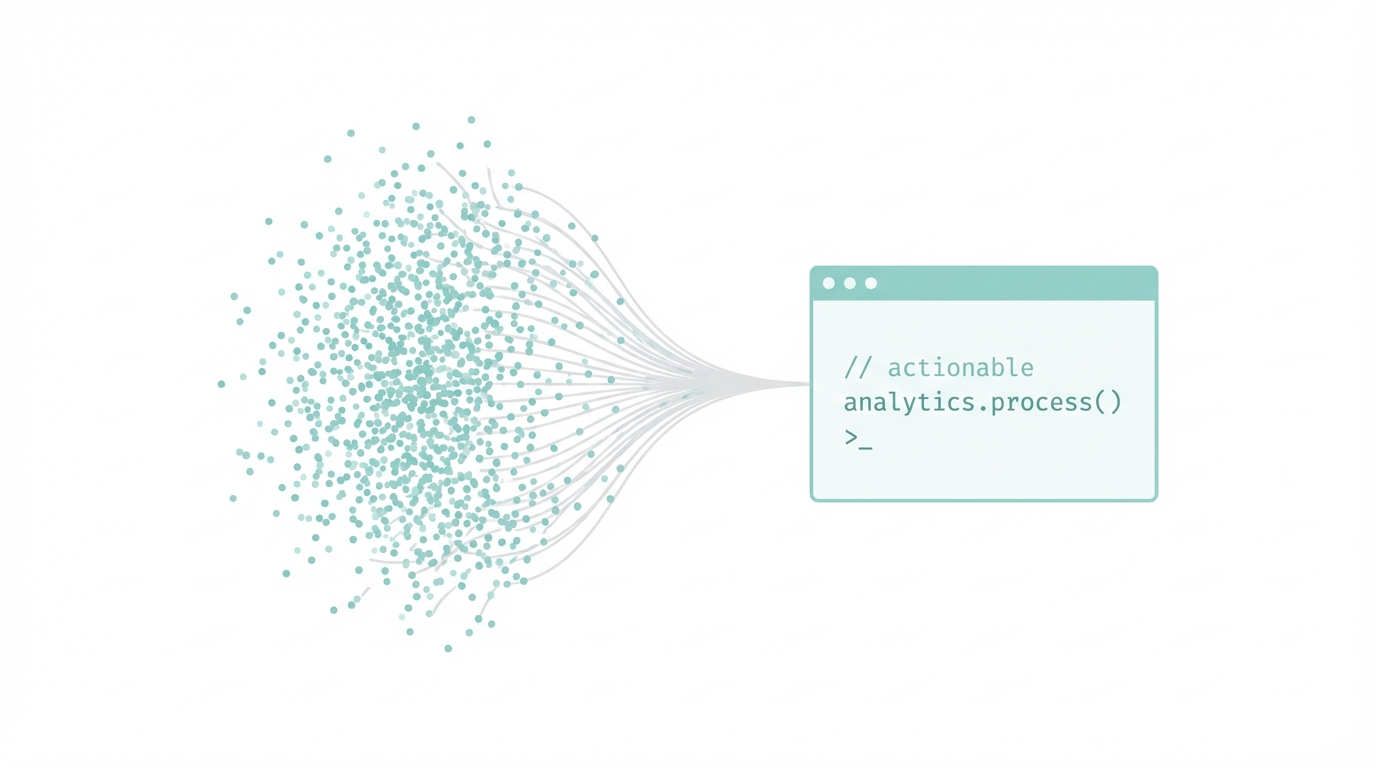
Once your ads are running, the automation doesn't stop. The trend is moving toward "dashboard-less" marketing. Instead of staring at static charts, growth leads are using Claude Code and tools like Syncari to ask questions in plain English. You can ask, "Which creator-style video had the highest ROI in the last 14 days?" and receive a real-time table of data pulled directly from your ad manager and Stormy AI's creator CRM.
This allows for a closed-loop system: the AI analyzes performance, identifies the winning "vibe," and automatically triggers the generation of 10 more variations based on that success. This level of responsiveness is impossible with a human-only team, giving AI-enabled brands a significant competitive advantage in the ad auction.
Ethical Considerations and Common Pitfalls
Despite the power of kling ai for business, there are significant risks to over-automation. Privacy is a primary concern; Landrum Talent recommends that marketers use enterprise-grade AI accounts to ensure that proprietary campaign data is not used for model training. Additionally, while AI can handle the production, it should not handle 100% of creator outreach. As noted by LinkNow, creator relationships still require a human touch; use AI to draft personalized intros, but keep a human in the loop for final approval.
Furthermore, automating content audits is a huge time-saver—reducing 8-hour tasks to 2 hours, according to Digital Applied—but human oversight is still required to catch "hallucinated" metrics or cultural nuances that an AI agent might miss.
Conclusion: Building Your AI Production Engine
Scaling creator video ads in the age of AI requires a fundamental rethink of the creative process. By embracing Claude Code and the "Vibe Marketing" philosophy, brands can transform their marketing departments into high-output software engines. The combination of automated discovery, programmatic generation via Kling AI, and terminal-based editing with FFmpeg allows for a 90% cost reduction and a 10x increase in creative testing.
The goal is not to replace the marketer, but to free them from the 12 hours of weekly "context-switching" and data entry. By leveraging Action AI, you can focus on the high-level strategy and creative direction, while the agents handle the heavy lifting of production and optimization. If you're ready to start finding the right creators to build your AI models around, you can discover creators on Stormy AI and begin your journey toward fully automated, high-performance video advertising.