In 2026, the hardest currency to earn isn't capital—it’s attention. While legacy sports franchises struggle with aging demographics and dwindling broadcast numbers, a collegiate summer league team from Georgia has cracked the code. The Savannah Bananas don’t just play baseball; they have pioneered a viral marketing playbook that has resulted in a 3-million person waiting list for tickets. Their secret? A relentless commitment to "Banana Ball," a strategy that treats every game as a content engine for the TikTok generation.
As we navigate the current digital landscape, the Bananas’ success offers a masterclass in how to leverage the creator economy to build a community that doesn't just follow a brand, but obsesses over it. This isn't just about baseball; it's about how any brand—from e-commerce to B2B SaaS—can turn passive observers into high-intent leads.
The 'Banana Ball' Content Strategy: Viral Highlights Over Traditional Coverage
 18:04
18:04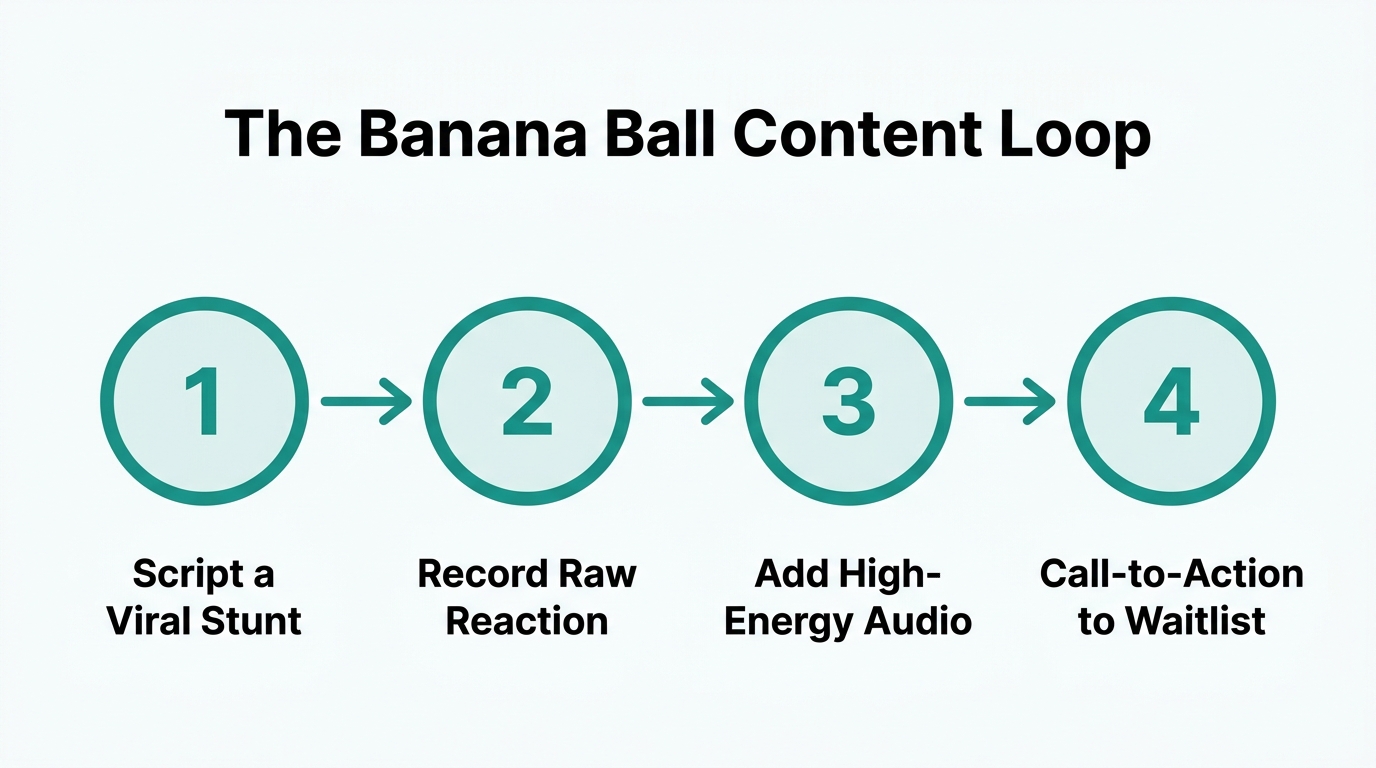
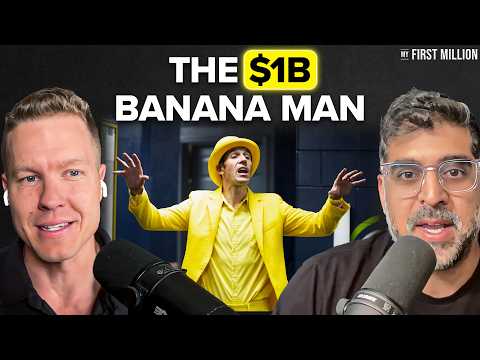
Traditional sports broadcasting is built on a linear narrative: the game starts, plays out over three hours, and ends. Jesse Cole, the founder of the Savannah Bananas, realized early on that this format was failing. He observed that while the players were having fun, the fans were often bored. In response, he created "Banana Ball," a modified version of baseball designed for maximum pace and entertainment.
In 2026, brand engagement is no longer about the product itself; it is about the story told around the product. The Bananas prioritize viral highlights—players dancing in the batter's box, pitchers on stilts, and fans catching foul balls for outs—over the actual score of the game. This strategy is tailor-made for YouTube and short-form video platforms.
"The Savannah Bananas now have more social media followers and higher engagement than every single Major League Baseball team combined, including the Yankees and the Dodgers."
By focusing on "shareable moments," the Bananas have effectively turned their players into creators. This shift has allowed them to bypass traditional media gatekeepers and speak directly to their audience. For marketers this year, the lesson is clear: stop producing commercials and start producing entertainment.
| Metric | Traditional MLB Team | Savannah Bananas (2026) |
|---|---|---|
| Content Focus | Game results and stats | Viral entertainment and fan experience |
| Social Strategy | Broadcast highlights | Creator-led short-form video |
| Ticket Access | Dynamic pricing/Open market | 3-Million person lottery/waiting list |
| Engagement Rate | Industry Average | Outperforms entire league combined |
Leveraging the 'Everyday Guy' Persona: Building Brand Trust in 2026
One of the most powerful elements of the Savannah Bananas’ influencer marketing trends is the persona of Jesse Cole himself. Usually seen in a bright yellow tuxedo, Cole embodies the "Everyday Guy" who just happens to be obsessed with his customers. This authenticity is a rare commodity in an era of AI-generated polished corporate facades.
By showing the "struggle season"—the early days of sleeping on air mattresses and selling their house to keep the team alive—the Coles built a deep emotional connection with their fans. They didn't start as billionaires; they started as entrepreneurs in the "pain cave." This narrative creates unshakeable brand trust. Fans aren't just buying a ticket; they are supporting a journey.
The Math Behind a 3-Million Person Waiting List: Converting Followers to Leads
34:13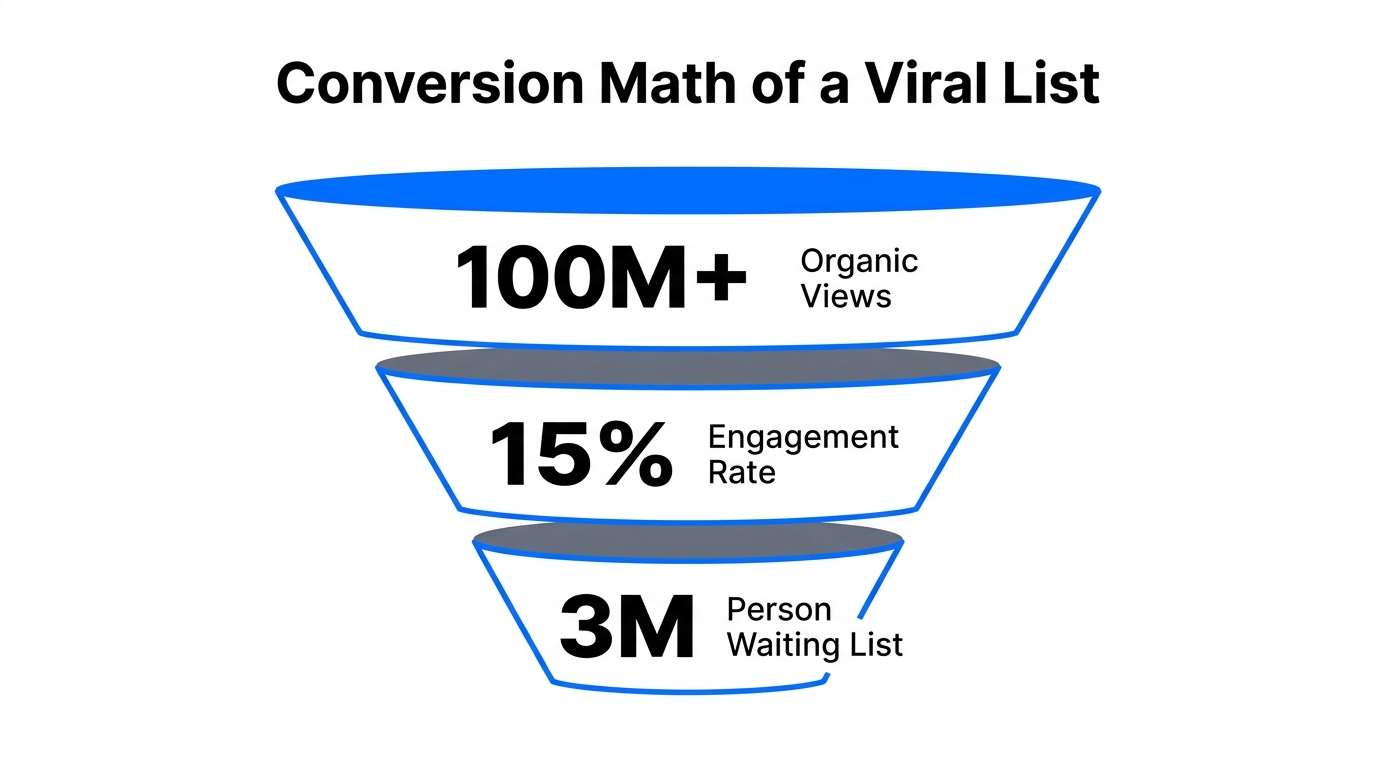
How does a social media following of millions translate into a 3-million person ticket waiting list? The Bananas use a scarcity-based lead generation model. While many brands focus on widening the top of the funnel, the Bananas focus on the "Fan First" experience to ensure high retention and high intent.
They treat their social platforms as a viral marketing playbook to drive traffic to their owned ecosystems. By the time a fan joins the waiting list, they have already consumed hours of content on Instagram and TikTok. This makes them a "warm" lead with a massive lifetime value (LTV). They also simplify the purchase process: a flat $25 ticket price with all taxes and fees covered by the team. This "unreasonable hospitality" removes friction and builds massive goodwill.
For brands looking to replicate this, the goal is to use social media to build the desire, and then use your own CRM or platform to capture the intent. Platforms like Stormy AI can help you discover creators who naturally fit this high-engagement, fan-first persona to scale your outreach efforts without losing that personal touch.
"You are only remembered for doing what is weird. Doing the expected gets you zero points; doing the unreasonable builds a brand that lasts forever."
Reverse-Engineering the Bananas Strategy for B2B and SaaS Brands
26:53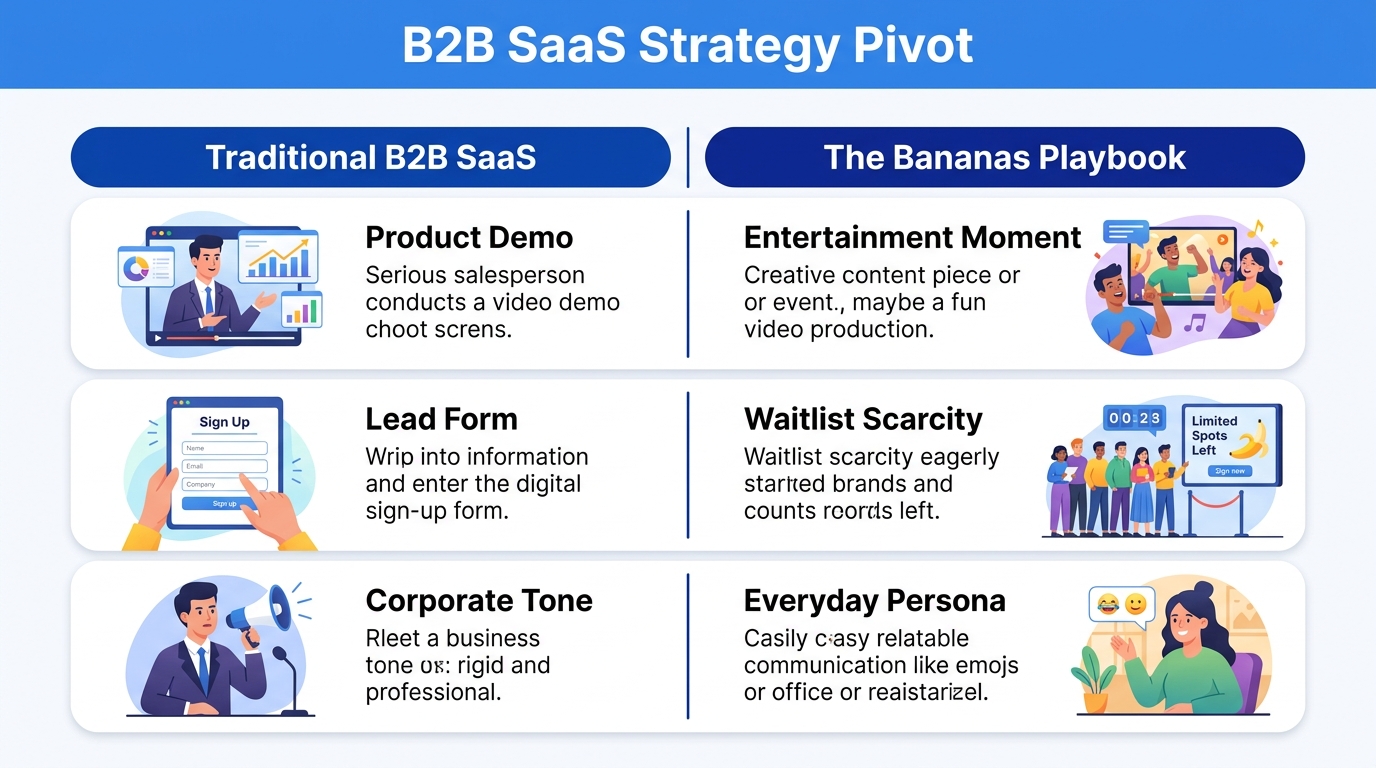
It is easy to see how this works for a baseball team, but can a SaaS company or a B2B service use these tactics? Absolutely. The core of the strategy is identifying the "boring" parts of your industry and making them "insane."
Step 1: Identify the Friction
Jesse Cole timed how long it took a pitcher to throw a ball and realized the "dead air" was killing the experience. In B2B, this might be a complex demo process or a gated whitepaper. Remove the friction to delight the user.
Step 2: Humanize the Content
Instead of corporate webinars, use Meta Ads Manager to promote behind-the-scenes content of your product team solving a specific customer problem. Use the "Everyday Guy" approach to make your engineers or CEOs the faces of the brand.
Step 3: Scalable Personalization
The Bananas reply to thousands of comments manually to build community. In a business context, this means using AI to handle the volume while keeping the soul. For example, using an AI-powered influencer platform like Stormy AI allows you to find UGC creators who can produce authentic content at scale, which you can then manage through a creator CRM to maintain those personal relationships.
The 'Idea Muscle' Routine: Generating 10 Content Ideas Daily
17:02The engine behind the Savannah Bananas’ social media marketing strategy 2026 is what Jesse Cole calls the "Idea Muscle." Since 2016, he has written down 10 new ideas every single day. He acknowledges that 80% of them are terrible, but the habit of flexing that muscle is what produces the 20% that go viral.
- Start with a Prompt: Open a dictionary or a random word generator. Use that word to brainstorm a marketing idea for your product.
- Observe the Giants: Cole studied Disney, PT Barnum, and the Grateful Dead. Don't look at your competitors; look at the best entertainers in history.
- The "Unreasonable" Filter: Take a standard industry practice and ask, "What would the unreasonable version of this look like?" (e.g., paying the customer's sales tax).
Conclusion: The Future of Brand Engagement
The Savannah Bananas have proven that even the most "traditional" or "boring" industries can be revitalized through the power of the creator economy. By prioritizing the fan experience, embracing an authentic persona, and relentlessly innovating their content, they have built a moat that no amount of traditional advertising can bridge. As we move through 2026, the brands that win will be the ones that stop trying to sell and start trying to entertain. Whether you are selling baseball tickets or enterprise software, the goal remains the same: be remarkable enough to be talked about.