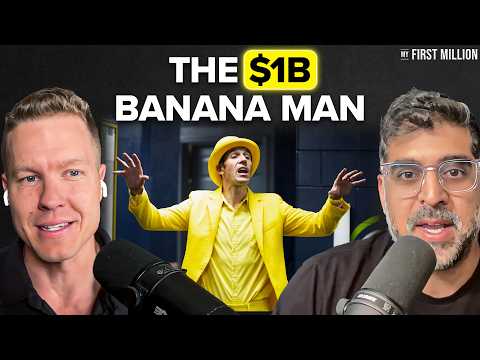
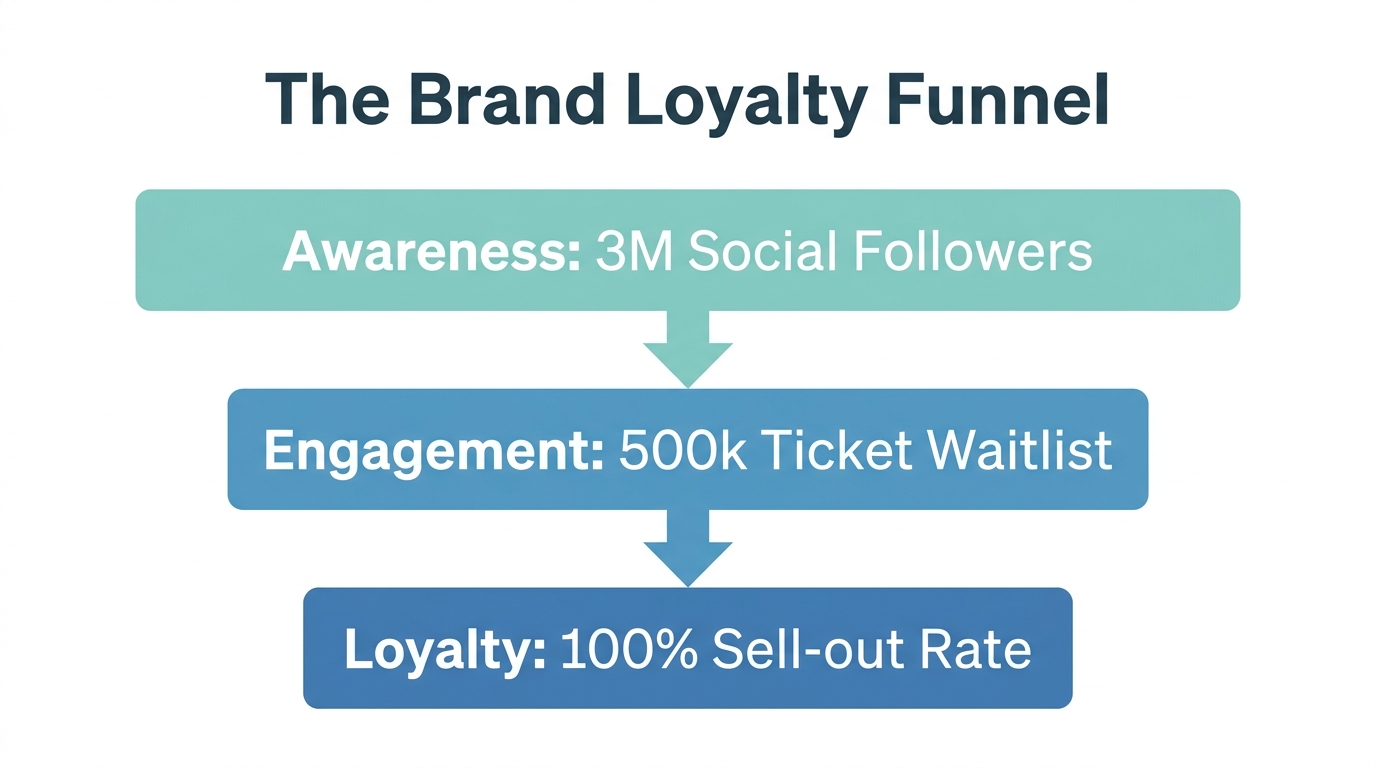
In 2026, the concept of market disruption is often associated with silicon-valley software or AI breakthroughs. However, one of the most profound business scaling strategies of the decade comes not from a lab, but from a baseball diamond in Georgia. The Savannah Bananas have transformed from a struggling minor-league experiment into a global entertainment powerhouse with a 3 million person waiting list for tickets and an estimated valuation nearing $1 billion.
By identifying a stagnant industry—traditional baseball—and ruthlessly cutting out everything that didn't serve the fan, founder Jesse Cole didn't just build a team; he built a category. Today, the Bananas have more social media engagement than every MLB team combined, proving that brand differentiation in 2026 is about more than just being better; it's about being unreasonable.
How to Identify 'Stagnant' Industry Norms Ripe for Disruption
 3:40
3:40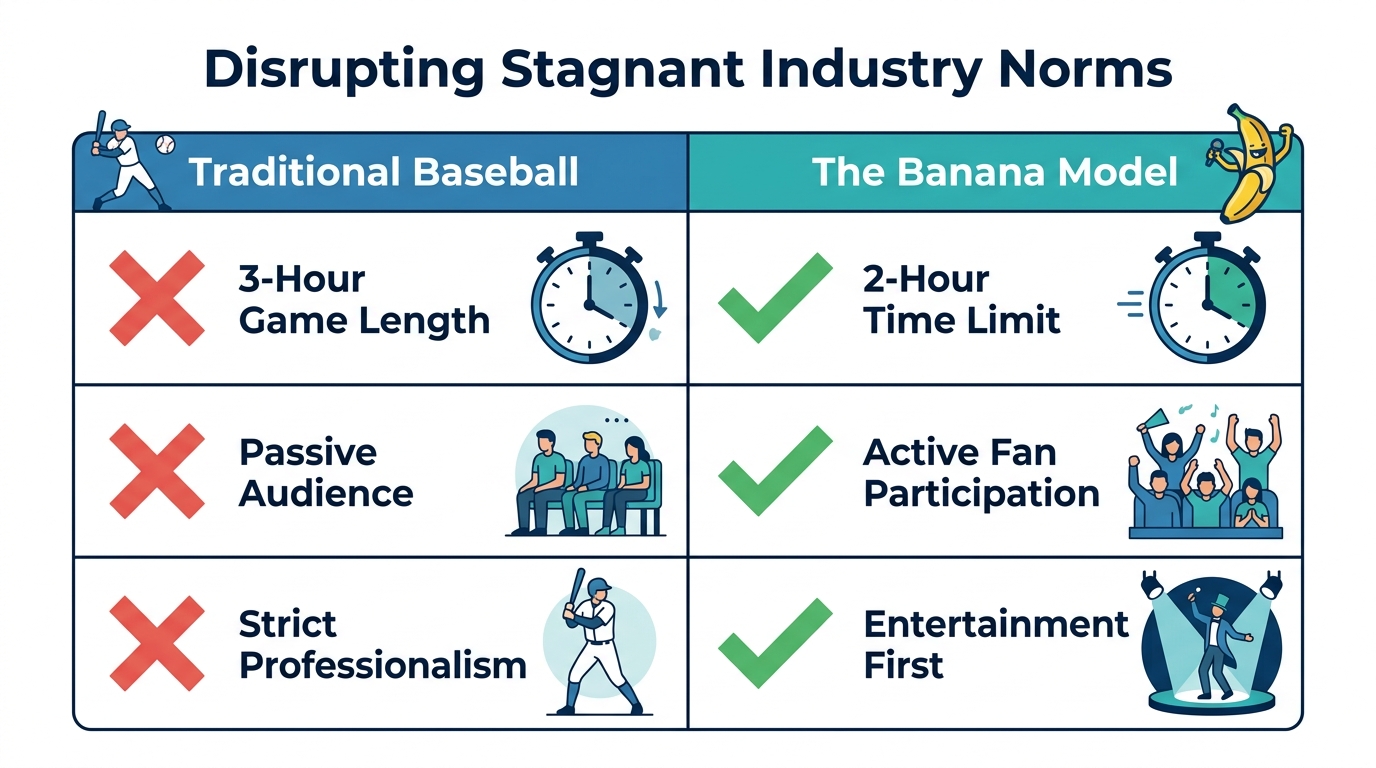
The story of the Savannah Bananas began when Jesse Cole, sitting on a bench during his college baseball years, realized that the sport he loved was, quite frankly, boring to watch. He noticed that while the players were engaged, the audience was checked out. This is the first lesson in market disruption: identifying where the 'industry standard' has become a liability.
When Cole took over the Gastonia Grizzlies—a team with only $268 in the bank and an average of 200 fans—he realized that "the way we've always done it" was the very thing killing the business. In 2026, many industries are currently in this 'struggle season.' Whether it's traditional e-commerce or legacy B2B services, if your customers are following the motions without excitement, you are ripe for a competitor to move in with product-led growth strategies.
Cole spent a decade reading about Disney, PT Barnum, and the WWE. He didn't look at other baseball teams for inspiration; he looked at entertainment giants. To scale in a digital-first world, you must benchmark against the attention economy, not your direct competitors. This is why tools like Stormy AI are essential for modern brands—they allow you to look past your niche and find creators and trends that are actually capturing attention across platforms like TikTok and YouTube.
The Savannah Bananas 'Retention Curve' Analysis: Using Data to Find the Boredom
One of the most tactical business scaling strategies Cole employed was the use of security footage. After games, he wouldn't just look at the score; he would watch the cameras to see exactly when fans left their seats. He monitored when they went to concessions, when they looked at their phones, and when they started heading for the exits.
This physical retention curve analysis is identical to how top creators like MrBeast analyze their digital content. In the digital world, we have analytics dashboards like Google Analytics; in the physical world, Cole had the bleachers. He noticed that every time a player stepped out of the box or a pitcher took too long, engagement plummeted.
"You don't worry about the details once you get big. You worry about the details so that you can get big. The 'insane' part of 'insanely great' is the price of admission."
By obsessing over these dips in the retention curve, Cole developed 'Banana Ball'—a version of baseball designed for the modern attention span. He implemented rules that seem crazy to traditionalists but are remarkably effective for growth:
- Two-hour time limits: No game goes over two hours, ensuring families get home by bedtime.
- No Bunting: Bunting is considered 'wimpier' and is banned to keep the action high.
- Foul Ball Outs: If a fan catches a foul ball, the batter is out—turning the audience into active participants.
- Stealing First: Batters can steal first base on any pitch, keeping the defense on their toes.
This data-driven approach to 'fun' is what separates successful niche marketing from gimmicks. It's about using product-led growth to solve the actual problem: the customer's boredom.
Developing a 'Non-Strategy': Why Disagreement is a Competitive Advantage
9:50Most companies have a strategy that everyone agrees with. They want "great customer service" or "high-quality products." As marketing experts often note, if everyone agrees with your strategy, it isn't a strategy. It's just table stakes. A real strategy requires doing things that your peers would actively disagree with.
The Savannah Bananas' strategy is filled with these 'unreasonable' decisions. For example, they offer a flat $25 ticket that includes all-you-can-eat concessions and covers all sales taxes. From a traditional accounting perspective, paying a fan's sales tax is 'foolish.' But from a brand differentiation perspective, it's a massive win.
| Feature | Traditional Minor League Baseball | Savannah Bananas (Banana Ball) |
|---|---|---|
| Game Length | 3+ hours (unpredictable) | Strict 2-hour limit |
| Ticket Pricing | Variable + hidden fees | Flat $25 (Taxes included) |
| Food | Expensive concessions | All-you-can-eat included |
| Fan Interaction | Passive observation | Active participation (Foul ball outs) |
| Social Media | Score updates & news | Viral entertainment & behind-the-scenes |
This 'unreasonable hospitality'—a concept championed by leaders like Will Guidara—builds a moat of goodwill that competitors cannot easily replicate. When you do something weird, you become memorable. In 2026, being 'weird' is the only way to break through the noise of Google Ads and Meta Ads. You want your customers to say, "I can't believe they did that."
Scaling a 'Traveling Circus' in a Digital-First World
35:46The Bananas have evolved from a local team to a traveling circus, much like the Harlem Globetrotters or Monster Jam. Scaling this model in 2026 requires a digital-first brand mindset. They aren't just selling tickets; they are selling a viral experience.
The logistics of a world tour are grueling, but the Bananas leverage platforms like TikTok to ensure every city they visit is already sold out months in advance. Their social media isn't an afterthought; it's the primary engine of their 70-100 million dollar revenue. They use video content to build characters—like the 'Dancing First Base Coach' or the 'Banana Nanas' (a senior citizen dance team)—that fans feel connected to before the bus even rolls into town.
"We didn't just build a baseball team; we built a media company that happens to play baseball on a world tour."
For brands looking to replicate this business scaling strategy, the lesson is clear: Your product is the content, and your content is the product. Whether you are using Canva to design your tour merch or Stormy AI to find the right influencers to document the journey, the goal is to create a 'money bus' that generates momentum wherever it goes.
Building a 'Down' Team Culture: Hiring for Creative Risk-Taking
30:31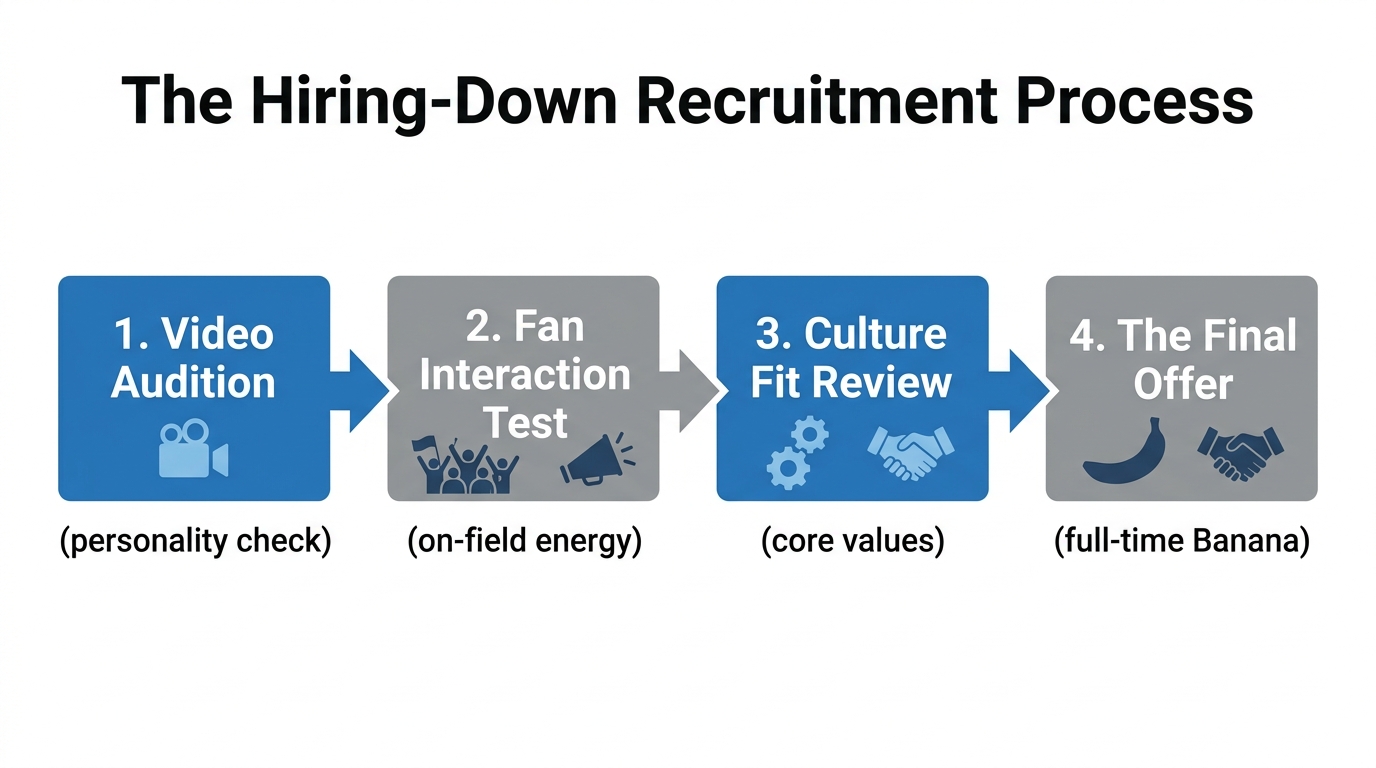
You cannot execute an unreasonable strategy with a 'reasonable' team. Jesse Cole's success is largely due to his hiring philosophy, which he often shares on LinkedIn. He doesn't just look for skill; he looks for people who are 'down.'
What does it mean to be 'down' in 2026? It means being willing to raise a 'fragile newborn idea' without shooting it down with data or 'best practices' immediately. High-growth experimentation requires a culture where the CEO can suggest a 'Grandma Beauty Pageant' or 'Bear Growth Hormone' scandal, and the team says, "Let's figure out how to make that work."
Steps to Build a 'Down' Culture:
- Prioritize 'Down-ness' over Pedigree: Look for employees who have a history of trying 'weird' projects or side hustles.
- The 10-Idea Daily Rule: Cole writes 10 ideas every day to flex his creative muscle. Encourage your team to do the same, even if 80% of the ideas are terrible.
- Protect Fragile Ideas: Create a 'safe zone' for brainstorming where the word 'no' is replaced with 'how.'
- Repeat the Propaganda: Use catchphrases like "Fans First" or "Insanely Great" constantly. In 2026, leadership is about being a 'propaganda artist' for your brand's values.
Conclusion: The 2026 Playbook for Disruption
The Savannah Bananas are proof that market disruption isn't reserved for the tech elite. Any industry—no matter how 'stagnant'—can be reinvented by obsessing over the fan experience and having the courage to be weird. By using retention data to cut the boring parts and building a 'down' culture to execute crazy ideas, Jesse Cole created a billion-dollar category of one.
As you look at your own business in 2026, ask yourself: What is the 'bunt' of my industry? What is the thing we all do that nobody actually likes? Stop doing it. Start your 'struggle season.' Write your 10 ideas today. Whether you're managing a global tour or sourcing creators through Stormy AI, the goal is the same: be unreasonable, be memorable, and always put the fan first.
For more insights on how to scale your brand using the latest in AI and creator marketing, follow our journey on Spotify and stay tuned to the Stormy AI blog.