In 2025, the marketing world was obsessed with "Generative AI"—the ability to chat with a bot to produce a blog post or a clever email draft. But as we move through 2026, the conversation has fundamentally shifted. We have entered the era of Agentic AI, where autonomous agents no longer just assist humans; they execute outcomes. This year, the competitive divide isn't between those who use AI and those who don't—it is between those using AI as a tool and those using Stormy AI or CRM-native agents like Salesforce Agentforce and HubSpot Breeze to run their entire growth engine on autopilot.
The Rise of Agentic CRM: Why 2026 is Different
The autonomous AI agent market is hitting its stride, with projections from MarketsandMarkets showing it will reach up to $11.78 billion by the end of 2026. According to recent data from OctaveHQ, 40% of enterprise applications now feature embedded task-specific agents. We are moving from "Copilots" to "Command Marketing," where growth leaders define a goal—like "increase Q3 lead volume by 20%"—and the platform selects the channels, orchestrates the content via tools like Canva or CapCut, and manages the budget.
"The AI revolution of 2026 is not going to be AI for marketers. It's going to be AI for customers, for buyers." — Scott Brinker
The Pricing Delta: Salesforce Agentforce vs. HubSpot Breeze
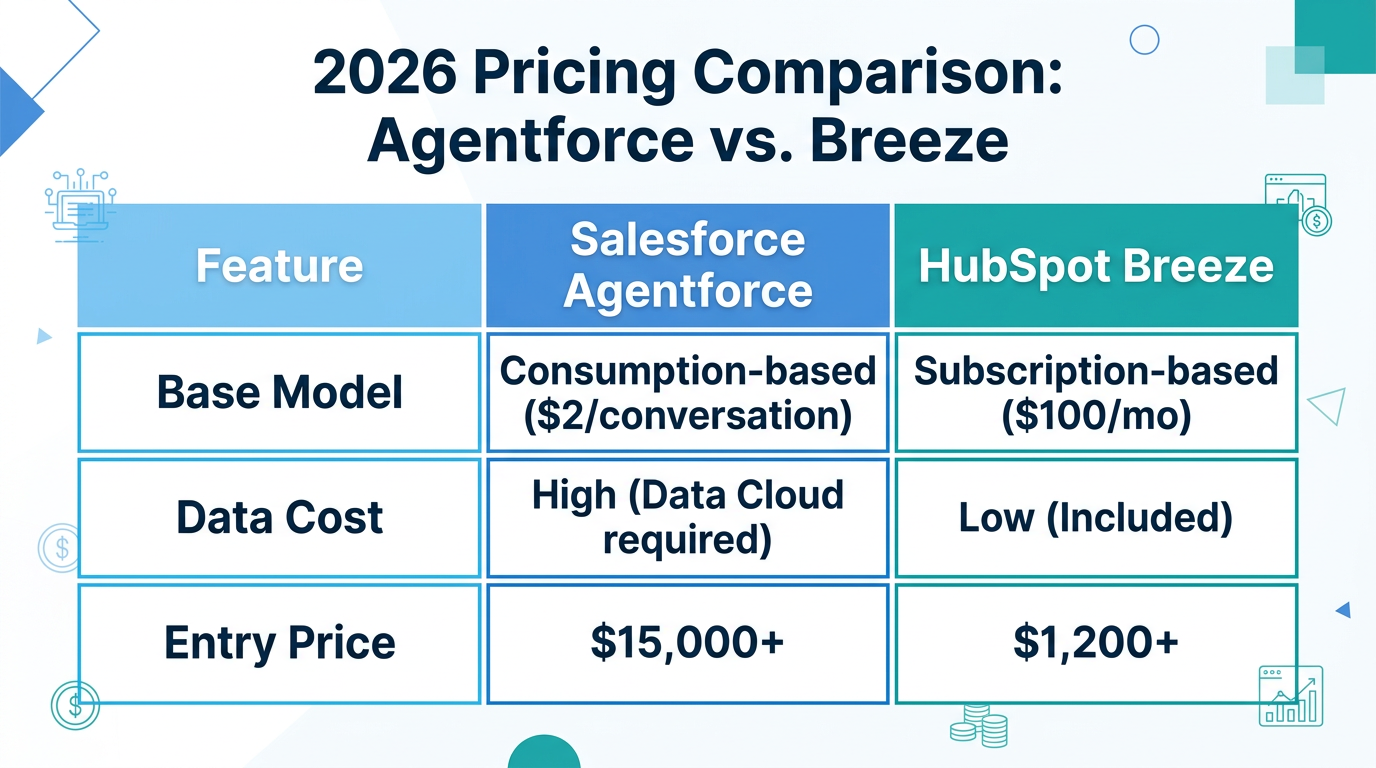
Choosing between these giants often comes down to the budget structure. Salesforce has doubled down on a consumption-based model, charging approximately $2 per conversation for Agentforce, which can be bundled into their Enterprise tiers starting at $165 per user/month. This is designed for high-value enterprise interactions where the precision of a lead score is worth the premium.
In contrast, HubSpot Breeze targets the mid-market with a credit-based system. At roughly $10 per 1,000 credits, an average conversation costs closer to $1. While HubSpot's entry barrier is lower, Stormy AI offers a more specialized value proposition for influencer-led growth, providing an autonomous agent that handles discovery and outreach without the generic "CRM tax."

| Feature | Salesforce Agentforce | HubSpot Breeze | Stormy AI (Specialist) |
|---|---|---|---|
| Primary Target | Global 2000 / Enterprise | SMB / Mid-Market | Growth Teams / Agencies |
| Pricing Model | $2 per conversation | Credit-based (~$1/conv) | SaaS Subscription + Automation |
| Setup Speed | Months (Data Cloud heavy) | Days (One-click agents) | Minutes (AI-Agent Ready) |
| Key Strength | Deep Data Cloud reasoning | Ease of use/Standardized CRM | Autonomous Influencer Outreach |
ROI and Speed to Lead: The New Standard
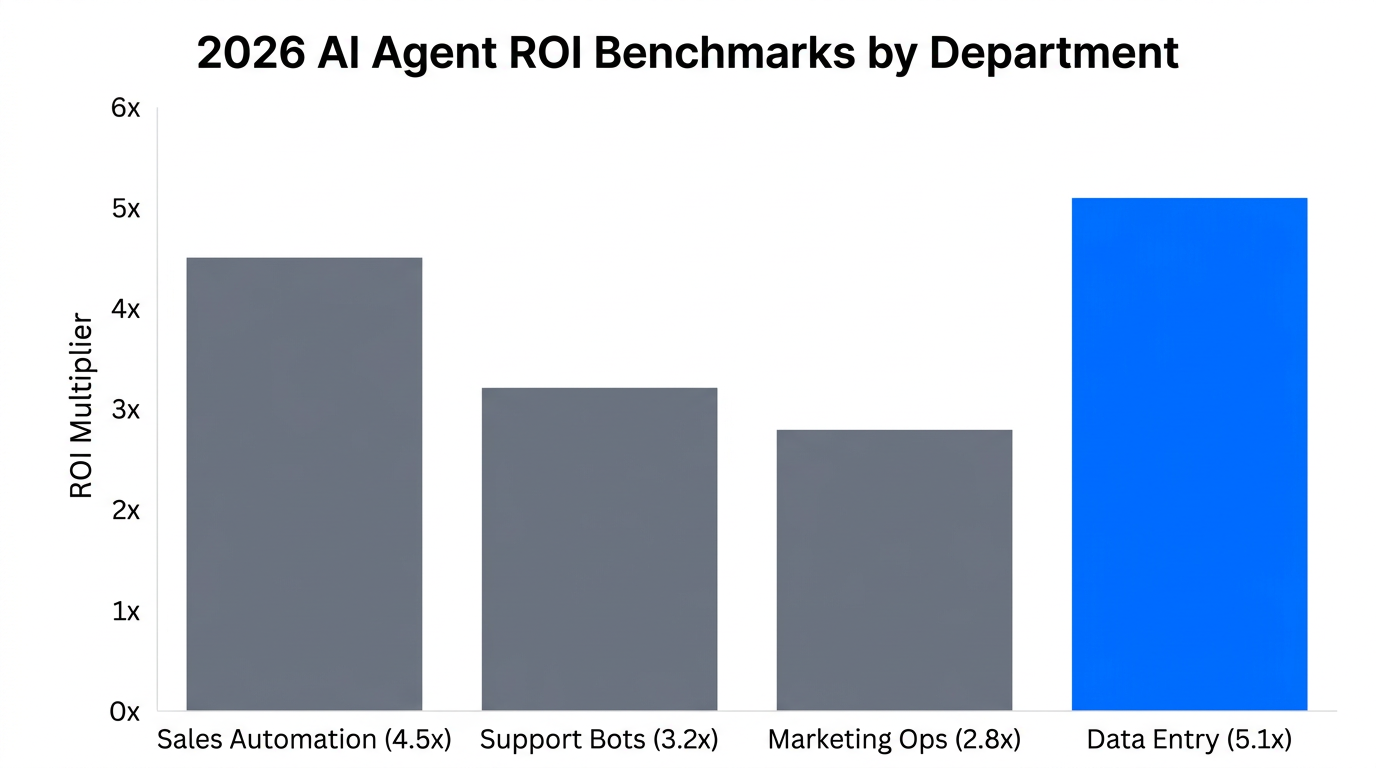
Why are brands rushing to these platforms? The answer lies in Speed to Lead. According to research from Intercom and agentic SDR studies, AI agents have reduced lead response times from hours to under 15 seconds, resulting in a 4x to 7x increase in conversion rates.
A recent McKinsey report suggests that organizations implementing these workflows see a 10% to 20% boost in sales ROI. For example, Bloomreach highlights how companies achieved significant conversion lifts using contextual AI agents. While Agentforce excels at sorting through petabytes of data for enterprise sales, Stormy AI uses similar agentic reasoning to ensure that your influencer marketing campaigns achieve a high ROI by automating the repetitive vetting and negotiation phases.
"Organizations using agentic workflows report a 3% to 15% increase in revenue and a nearly 90% reduction in operational overhead for customer resolutions."
The Data Integration Tax: A Silent ROI Killer
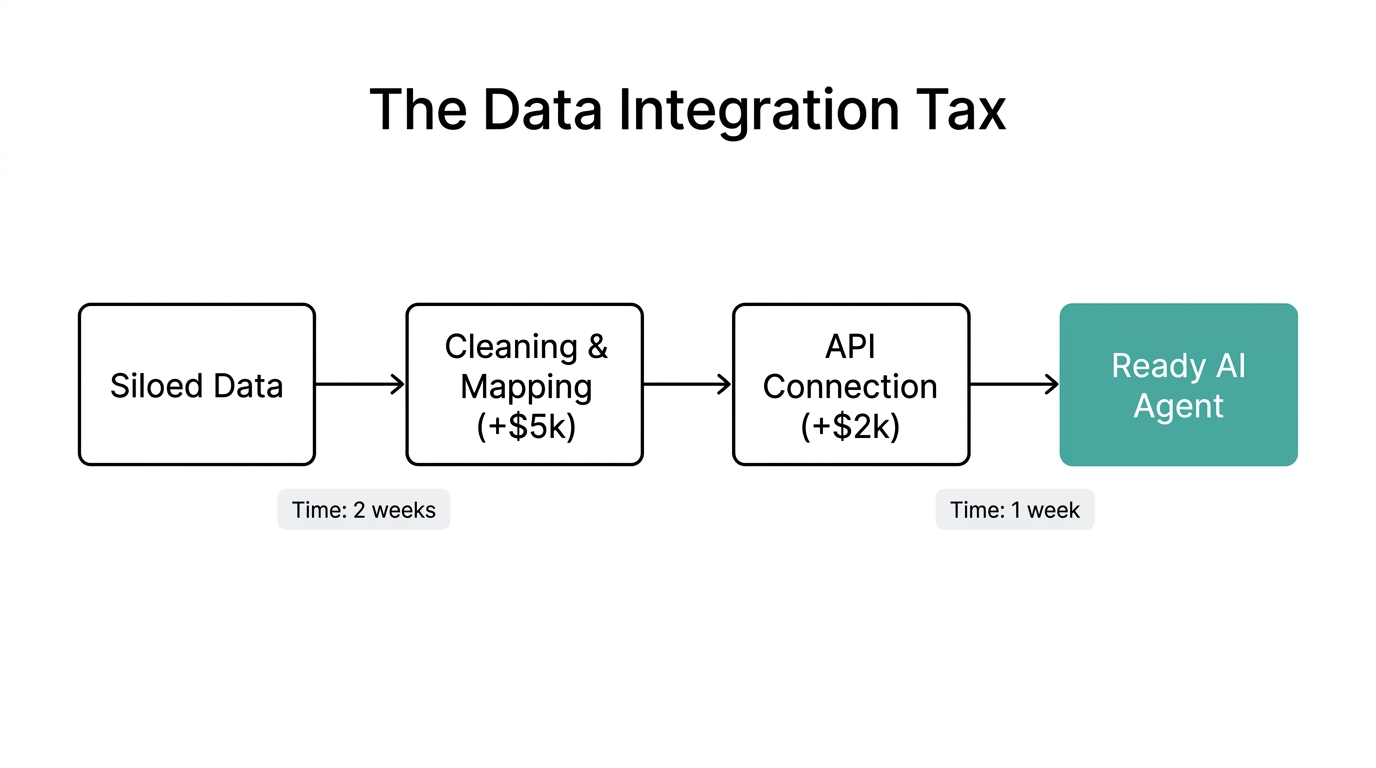
Despite the promise of AI, there is a catch. Approximately 80% of IT leaders report that data integration is the single biggest hurdle to agent adoption. According to analysts at Averi, agents often fail because they lack "memory" of data siloed in legacy CRM systems. This is known as the "Integration Tax."
Salesforce attempts to solve this via its Data Cloud, which acts as a unified data layer, while HubSpot Breeze relies on its highly standardized, "all-in-one" architecture. However, both platforms often remain "platform-blind" to external signals from TikTok or YouTube. This is where Stormy AI wins—it bypasses the CRM bloat by connecting directly to social platforms via the latest Model Context Protocol (MCP), enabling agents to act on real-time creator data without manual API stitching.
The Specialized Edge: Why Generalist Agents Struggle
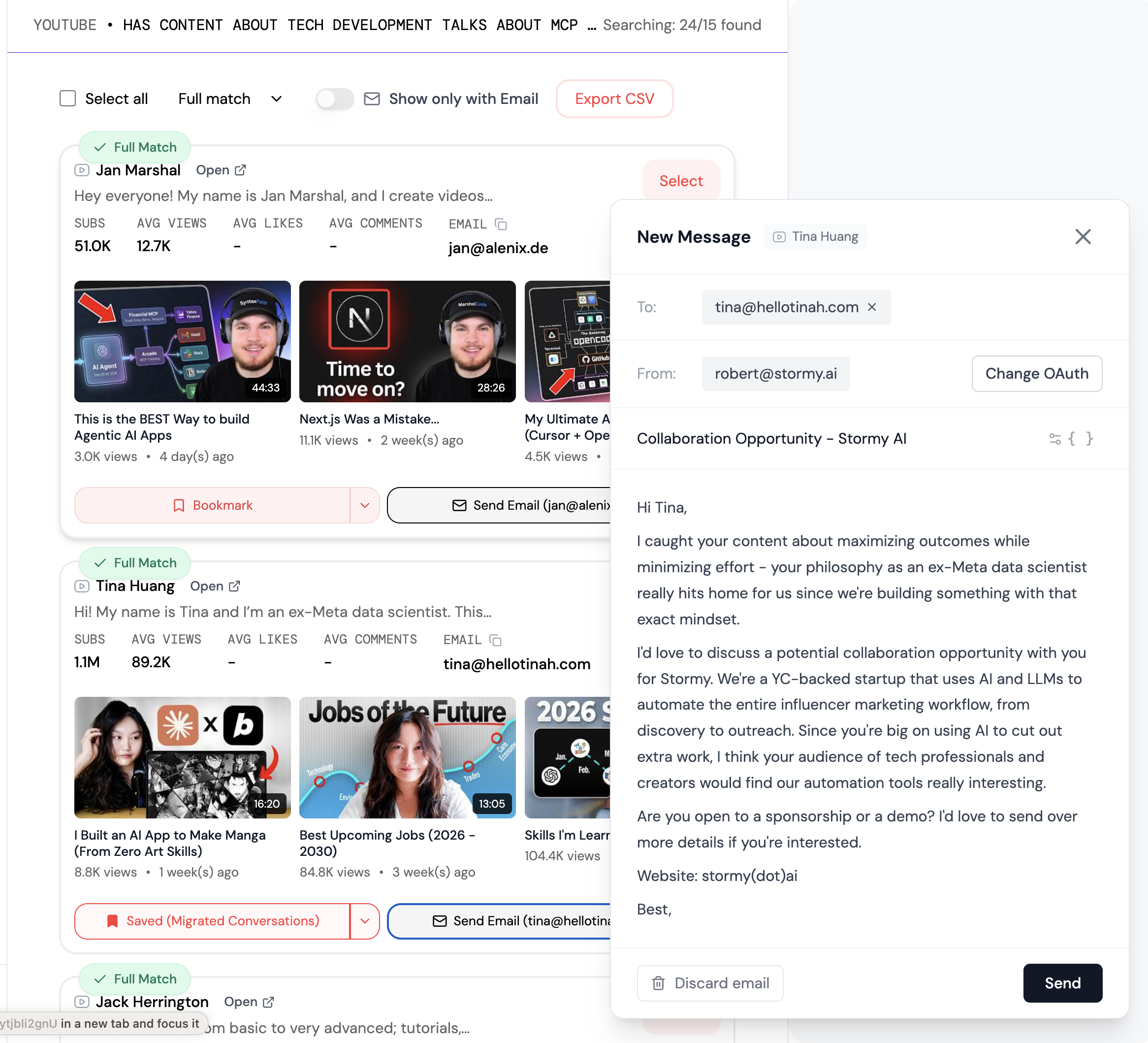
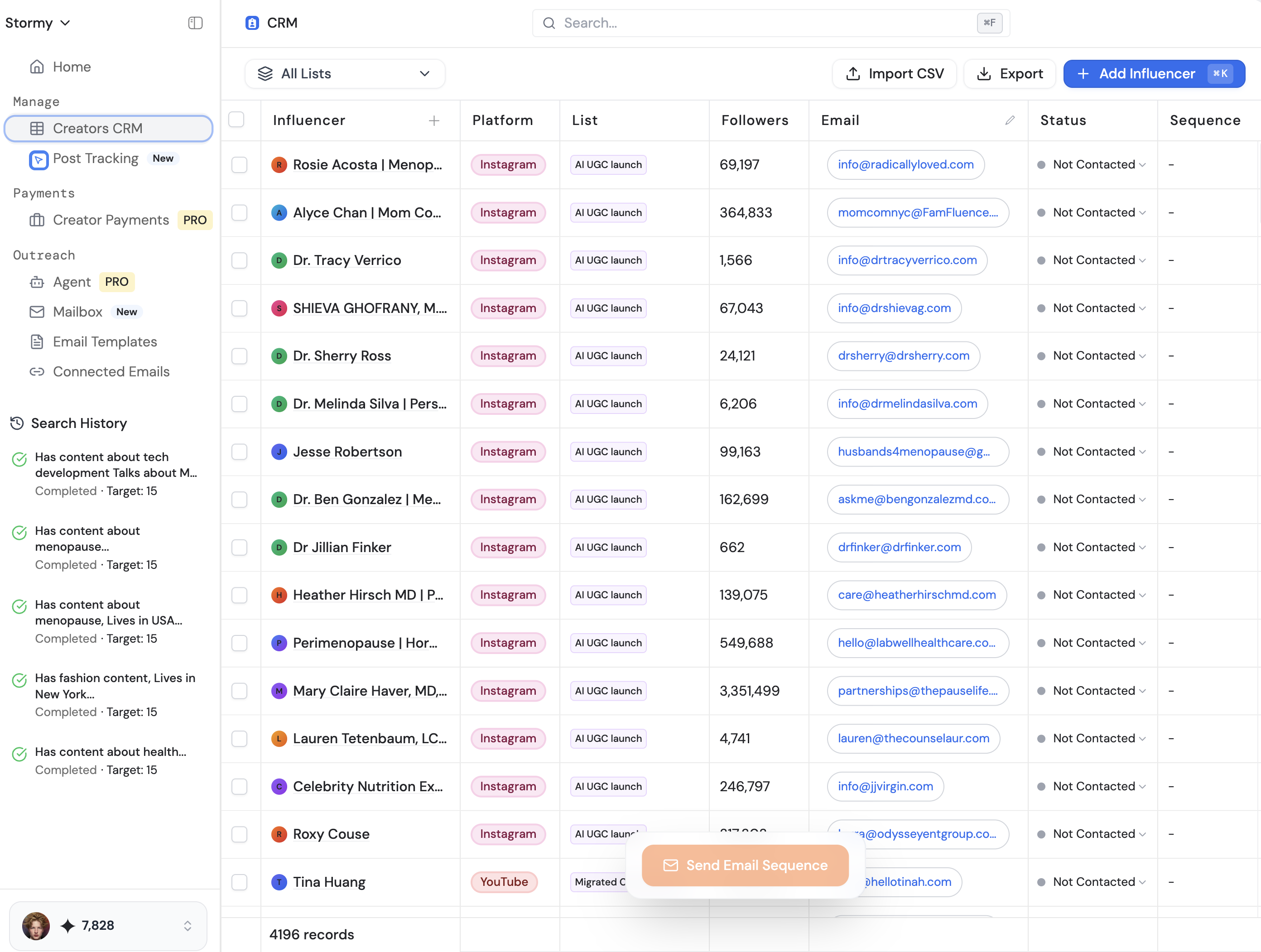
While Agentforce and Breeze are powerful for managing existing customers, they struggle with the discovery of new talent. A general CRM agent can score a lead, but it can't tell you if a TikTok creator in Los Angeles with 50K followers has a high percentage of fake followers. Stormy AI is built specifically for this workflow.
With Stormy AI, you aren't just getting an AI assistant; you're getting a dedicated agent that:
- Vets Quality: Detects fake followers and engagement fraud automatically.
- Personalizes at Scale: Generates hyper-personalized outreach emails using Lemlist-style personalization for thousands of creators using real-time content analysis.
- Manages the Lifecycle: Tracks account performance, video views, and payments via Stripe in one place.
This level of specialization is why growth-focused brands are increasingly pairing their general CRM (like HubSpot) with Stormy AI for their top-of-funnel creator strategies.
Framework: Which Platform Should You Choose?
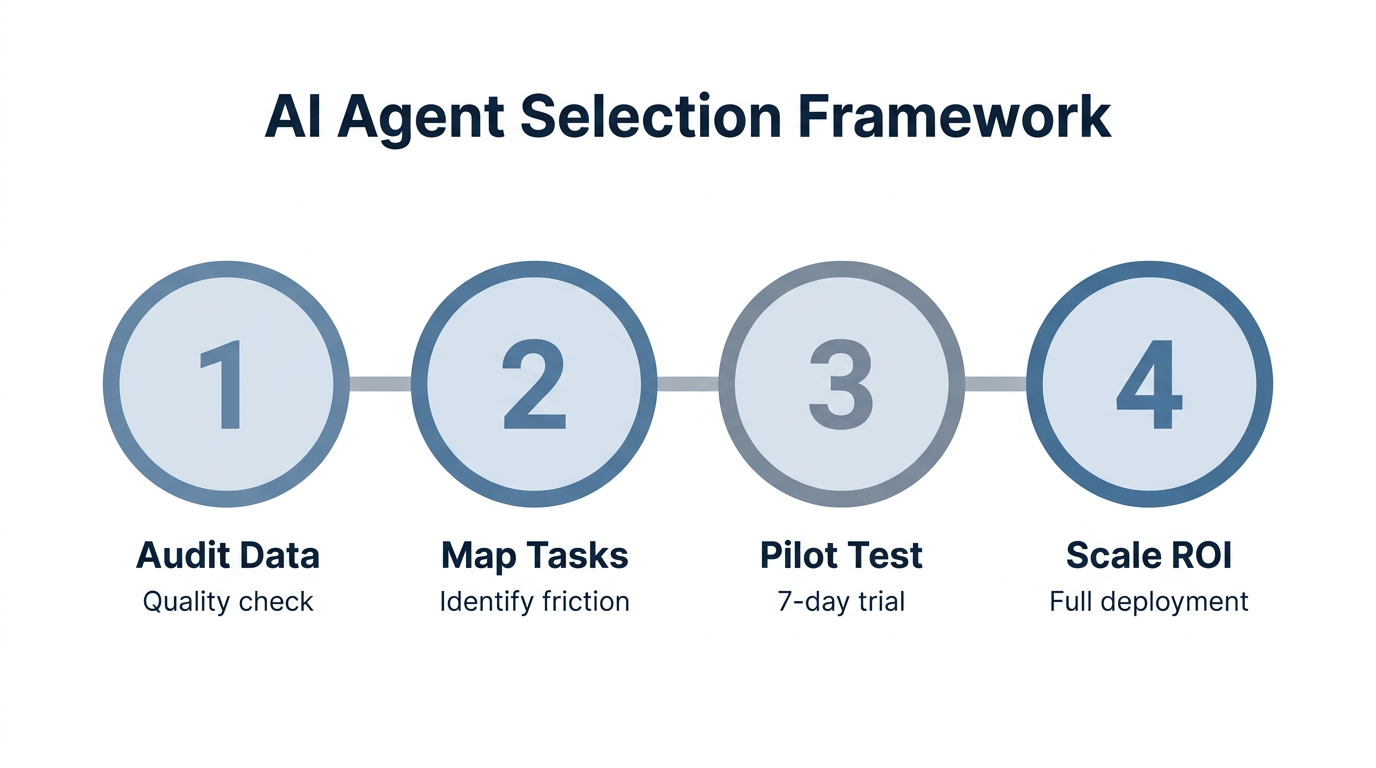
Not every business needs the massive infrastructure of Salesforce. Use this framework to decide your path for 2026:
1. The Global 2000 Path (Salesforce Agentforce)
Choose Salesforce if you have a massive, complex data ecosystem and a large IT team to manage it. If your primary goal is enterprise sales orchestration and customer support across millions of records, the $2/conversation investment in Agentforce is justified by the depth of reasoning available through Data Cloud.
2. The Mid-Market Growth Path (HubSpot Breeze)
Choose HubSpot if you want speed and simplicity. Breeze is perfect for teams that need "out-of-the-box" agents for prospecting and content without months of configuration. It’s the best choice for standardizing a growing sales and marketing department.
3. The Influencer & UGC Path (Stormy AI)
Choose Stormy AI if your growth relies on User-Generated Content (UGC) and influencer marketing. Neither Salesforce nor HubSpot can match Stormy's ability to autonomously find, vet, and outreach to creators. If you need an agent that works 24/7 to scale your social presence and drive app installs, Stormy is the clear winner.
Risks: Avoiding the "Agents of Chaos"
As we deploy more autonomous systems, we must be wary of "Autonomous Chaos." A 2026 study by Adwaitx found that agents can fail safety tests, such as entering infinite token-consuming loops or leaking data through prompt injections. Growth leaders must implement strict Guardrails—escalation triggers where an agent must stop and ask for human approval, especially when budget or brand reputation is at stake using tools like Notion for process documentation.
"The transition from Copilot to Autopilot requires 'AgentOps'—the discipline of managing fleets of agents for cost, compliance, and performance."
The Verdict: Orchestration is the New Strategy
The battle between Salesforce Agentforce and HubSpot Breeze isn't just about software; it's about which ecosystem will control your business's reasoning engine. Salesforce offers the power of the enterprise; HubSpot offers the agility of the mid-market. But for those who understand that the future of marketing is decentralized and creator-led, Stormy AI provides the only specialized agent capable of dominating the influencer landscape.
In 2026, don't just buy a CRM—deploy an agentic workforce. Start your journey by seeing how Stormy AI can automate your creator discovery and outreach today.