Most professionals drift into a new year without real clarity, essentially repeating the same mistakes while expecting different results. However, the most successful founders and creators—those who consistently operate at the highest levels of performance—understand that growth isn't just about looking forward; it’s about a rigorous, honest look back. As we prepare for 2026, the Sahil Bloom framework offers a transformative way to conduct a personal annual review that resets your direction, cleans up your priorities, and gives you a clear plan you can actually follow. By sitting with these seven simple questions, you can ensure that the coming year is a radical upgrade from the last, leveraging the data points you’ve already created in your daily life.
Why Reflection is the Precursor to Meaningful Growth
There is a profound difference between experience and insight. As highlighted in the Where It Happens podcast, many of us are in such a rush to set new goals and systems that we forget the most important data points just happened in the year we finished. Reflection is the process of sucking the information out of your previous experiences so you are armed to use it for future achievement. Without this step, goal setting for 2026 becomes a shot in the dark rather than a strategic evolution. True high-performers don't just 'do' things; they analyze the efficacy of their actions to ensure they aren't just moving fast in the wrong direction.
The goal of this productivity audit is to move beyond surface-level New Year’s resolutions. Instead of vague promises to "work harder" or "eat better," the Sahil Bloom framework forces a confrontation with your actual behaviors. Whether you are using Notion to track your progress or a simple pen and paper, the key is to deconstruct your 2025 experiences to find the 'software updates' your brain needs. By treating your life like a series of experiments, you can identify which habits should be scaled and which should be deprecated before January 1st arrives.
Question 1: What Did I Change My Mind On This Year?
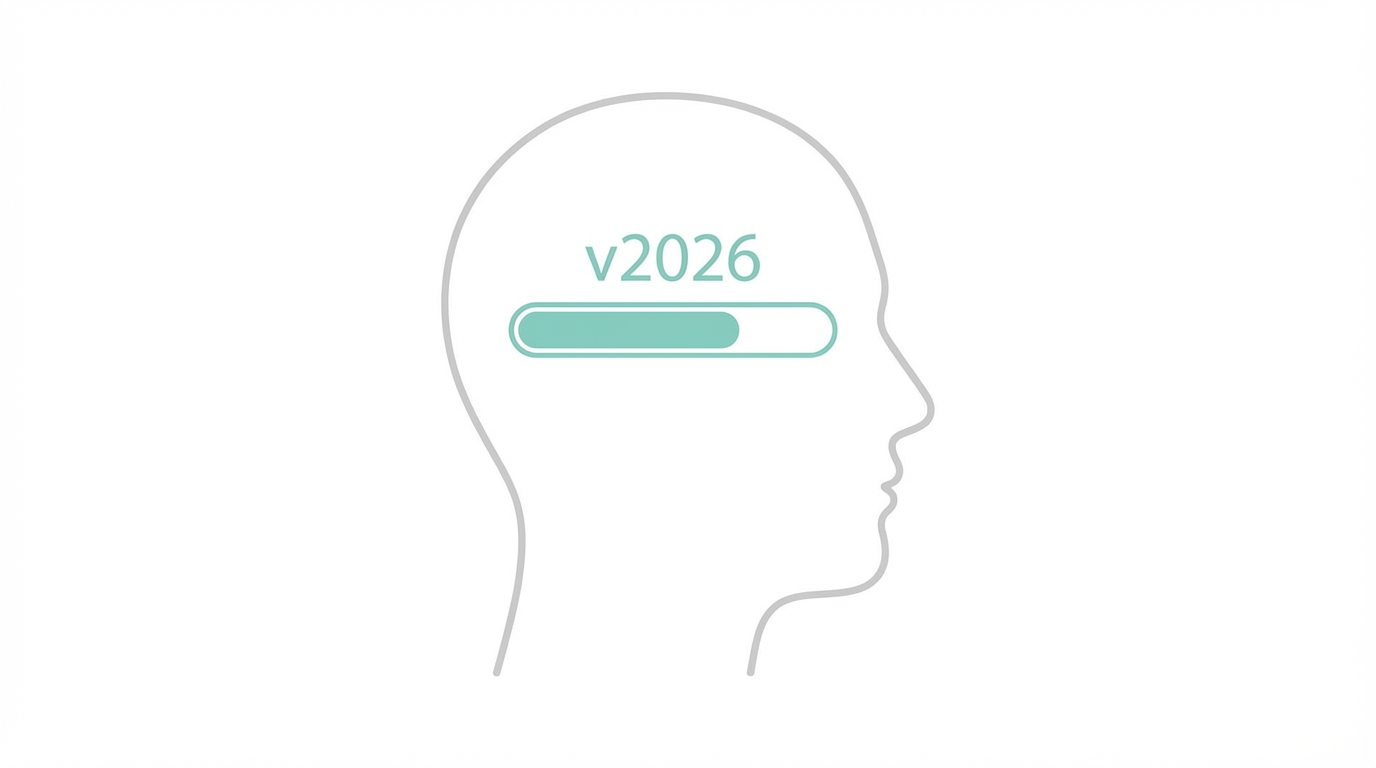
The smartest people are not those with all the right answers, but those who ask the right questions and are willing to embrace "software updates" for their brains. In a fast-moving professional landscape, the ability to reinvent yourself is a competitive advantage. If you aren't changing your mind, you aren't learning. To answer this question, Sahil suggests conducting a calendar audit. Open up your Google Calendar from January of last year and look at who you were spending time with and what you were working on. What mindsets or habits from that version of yourself make you cringe today? That cringe sensation is the most reliable indicator of growth.
Professional reinvention requires a willingness to be a "flip-flopper" when new evidence presents itself. For instance, you might have believed that achievement alone would change your life, only to realize that the process itself is where the value lies. Conversely, you might have shifted from a process-only mindset to realizing that certain profound achievements are worth leaning into fully. Identifying 2-3 key changes in your thinking allows you to solidify those new operating beliefs as you move into 2026. This isn't just about personal philosophy; it’s about how you approach your Meta Ads Manager strategy or how you lead your team.
Question 2 & 3: The Energy Creators vs. Energy Drainers
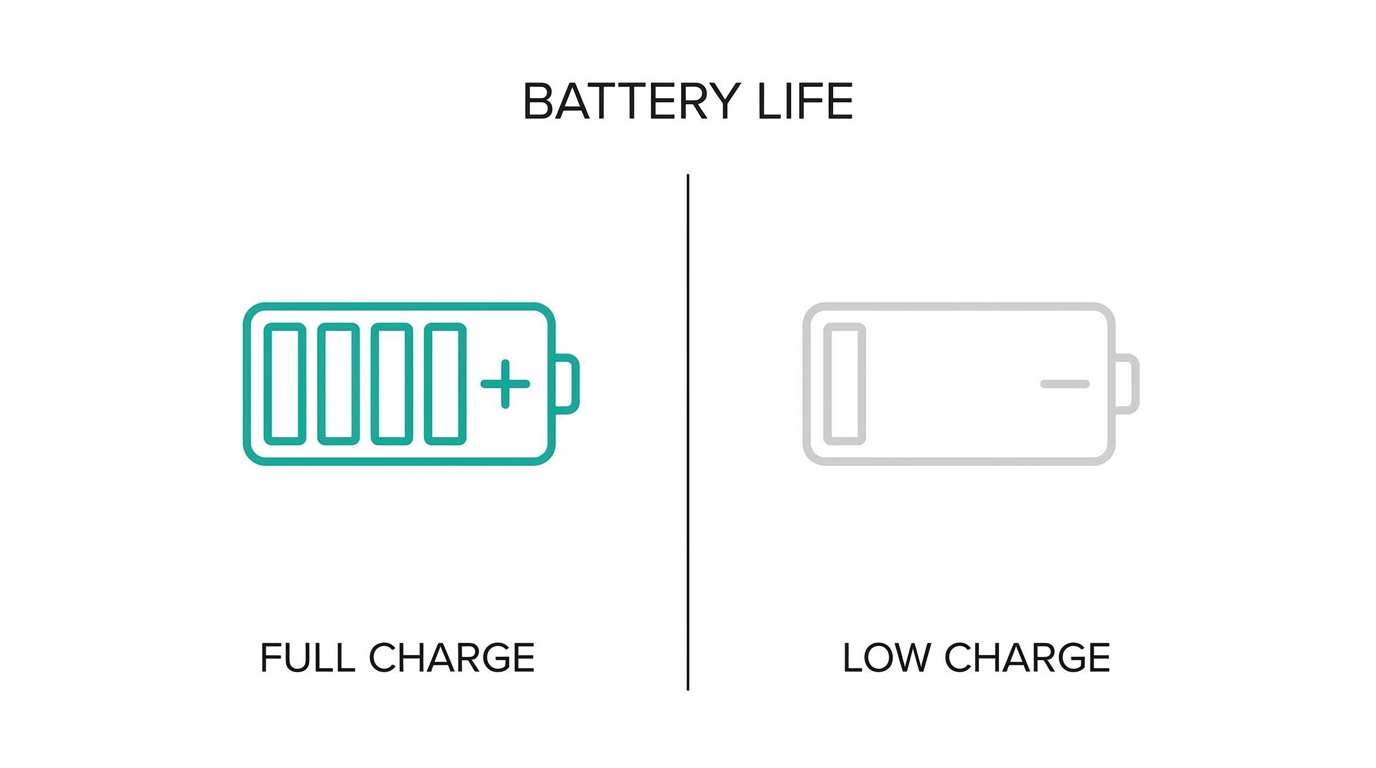
Your outcomes in life and business tend to follow your energy. When you lean into activities that provide a natural pull, you produce better work and experience less burnout. To conduct an effective energy audit, you must categorize your activities into three buckets: Personal, Professional, and People. Using your calendar once more, look for the 'green' spots—the moments where you felt a surge of motivation—and the 'red' spots—the moments that made you feel like you needed a nap. A crucial tip here is to focus on how you feel after an activity rather than during it. For example, a difficult workout or a deep writing session might feel draining in the moment, but the immediate aftermath provides a sense of breakthrough and accomplishment.
Identifying the "drainers" is perhaps more important than finding the creators. In your professional life, this often manifests as recurring meetings that could have been handled asynchronously. If you find yourself on back-to-back Zoom calls that leave you depleted, 2026 should be the year you implement an "Amazon-style" approach: send a memo or a Loom video in advance so the meeting can focus on strategic decisions rather than status updates. On the personal side, identify the "shower people"—the individuals who make you feel like you need a shower after spending time with them—and ruthlessly limit their access to your schedule. Managing your creator relationships and partnerships using a professional tool can also help offload the mental tax of administrative tracking.
Question 4: What Were the Boat Anchors in My Life?
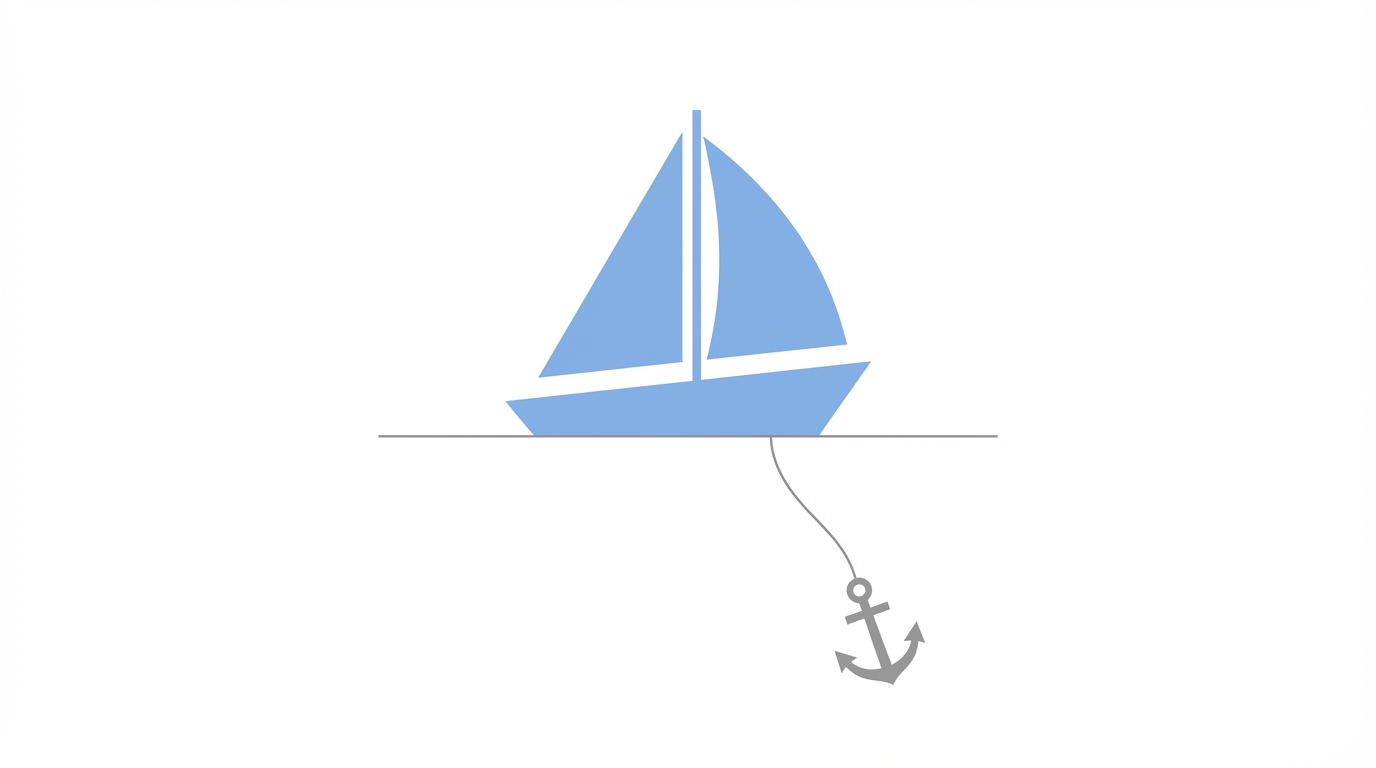

A boat anchor keeps you in place. If you try to drive your boat at full power with the anchor still in the seabed, you create massive drag and eventual engine failure. Boat anchors are the mindsets, behaviors, and self-limiting stories that hold you back from operating at full capacity. We often think the fastest way to make progress is to add a new habit or a new Shopify app, but the reality is that the fastest way to accelerate is to cut the line on something that is dragging behind you. This might be a belief that you need to be involved in every minor decision or a "strong-one complex" where you refuse to ask for help.
Identifying these anchors requires ego destruction. Since we are often blind to our own drag forces, this is an excellent exercise to perform with a "truth-teller"—a partner, a trusted friend, or even an AI co-pilot. You can use AI-powered tools to help identify these patterns. For example, if you describe your weekly routine to an AI, it can highlight where you are overthinking or where your incentives are pointed at the wrong games. If you are scaling a brand, an anchor might be manual creator discovery; platforms like Stormy AI streamline creator sourcing and outreach, removing the manual drag from your marketing department and allowing you to focus on high-level growth.
Question 5: What Did I Not Do Because of Fear?
Fear is almost always a byproduct of inexperience, not incapability. When we avoid an action because of fear, we are essentially protecting our egos from the possibility of failure. This self-protection often leads to self-rejection. In this part of the personal annual review, you must shine a light on the things you avoided in 2025. Were you afraid to go "all-in" on a project because if it failed, you’d have no excuses left? High-performers realize that fear thrives in the dark; by deconstructing the actual downsides versus the upsides—an exercise often called "fear setting"—the monster in the closet usually turns out to be nothing more than a shadow.
As you plan for 2026, ask yourself which "missions" are worth your total commitment. You can’t be all-in on five different things, but you can pick 1-2 areas where you will go down swinging. Whether that is launching a new product on TikTok Shop or finally writing that book, the goal is to eliminate the self-protection mechanisms that keep you from giving 100%. If you are proud of what you are building, you should be willing to promote it shamelessly. If you aren't willing to advocate for your work, why should anyone else? Action is the only known antidote to the fear of inexperience.
Question 6 & 7: Greatest Hits and Core Learnings
The final stage of the Sahil Bloom framework is to zoom out and synthesize your responses into 5-10 core learnings. One of the most valuable lessons shared by Sahil and Greg Isenberg involves the distinction between an idea and a founder. In the world of startup investing and partnerships, a common mistake is getting too attached to a specific product or business model while ignoring the talent magnet in front of you. A "missed" opportunity might look like a $30 million loss on paper, but the learning—that you should "hang around the hoop" with talented people regardless of their current idea—is worth far more in the long run.
When you synthesize your year, look for these "meta-rules" that will govern your 2026. Maybe your lesson is that people-first beats idea-first every time. Or perhaps you’ve learned that your Apple Search Ads strategy only works when paired with authentic influencer content. Whatever the insights, write them down and keep them visible. This isn't just a professional reflection exercise; it’s a manual for your future self. By the end of this process, you should have a clear understanding of what to double down on and what to leave behind in 2025.
Your Action Plan for an Extraordinary 2026
Conducting a personal annual review is a rigorous process, but it is the only way to ensure goal setting for 2026 is rooted in reality. Start by setting aside four hours this week to go through these seven questions. Use your Google Calendar as your primary data source, be brutally honest about your energy drainers, and identify the boat anchors that are keeping you stationary. Growth is a game of subtraction as much as it is a game of addition.
As you move into the execution phase, ensure you have the right tools to support your new, streamlined direction. If your 2026 strategy involves reaching more customers through authentic voices, using Stormy AI for creator discovery and automated outreach can free up your time for the high-level strategic work that creates energy. By applying the Sahil Bloom framework, you aren't just entering a new year—you’re entering a new level of performance.