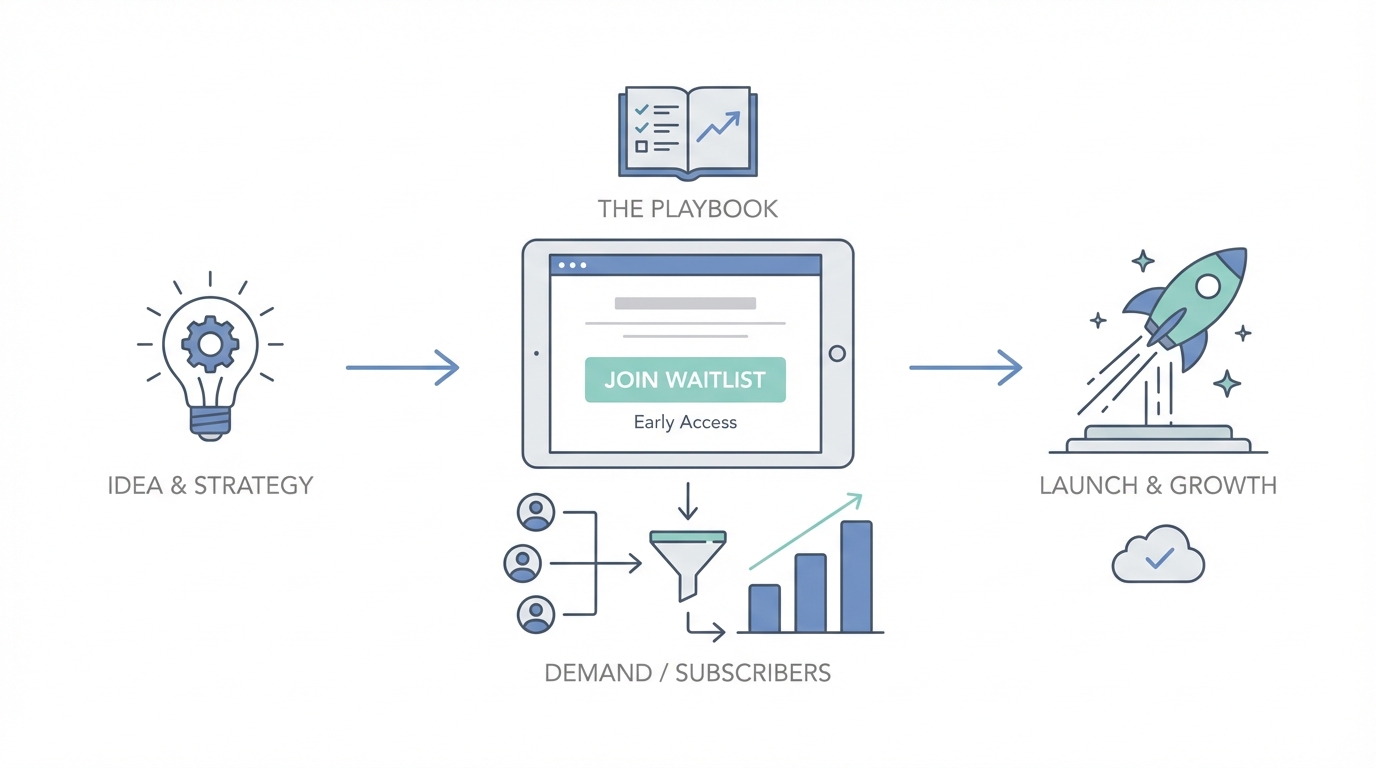
Building a successful software product today is no longer just about writing code; it is about engineering demand. Many founders fall into the trap of 'vibe-coding'—building features in a vacuum only to launch to the sound of crickets. The most successful bootstrapped companies, like Cleo and Mention, follow a different path. They treat their SaaS launch strategy as a psychological operation, using a waitlist-first approach to validate their ideas and secure revenue before the code is even fully polished. By mastering 'edu-sales' and artificial scarcity, you can build a list of eager customers ready to pay for your beta, turning your initial launch into a high-converting growth engine.
The Philosophy of Edu-Sales: Mastering the Art of the Subtle Sale
The biggest mistake founders make on platforms like LinkedIn and X is the hard sell. In the early stages of a SaaS journey, nobody cares about your feature list. They care about their problems. This is where edu-sales comes in—a content strategy that leads with value, education, and inspiration, while only subtly plugging the product as the natural solution. It is the 'Art of the Subtle Sale,' where you provide the map, and your product is the compass.
Instead of posting 'Join our waitlist for the best AI tool,' you share a spicy take on the industry or a narrative about a specific pain point. For example, if you are building an idea-validation tool, you might write a post about why 90% of startups fail due to lack of market data. You provide three actionable tips for validation and then, in the comments or as a brief bullet point, mention that you are building a tool to automate this process. This approach builds trust because the audience feels they are learning, not being sold to. The less you try to force the product down their throats, the more they will naturally gravitate toward it.
Step 1: Building the Scarcity Loop and High-Converting Waitlist
Once you have captured attention through edu-sales content, you need a place for that attention to land. A high-converting how to build a waitlist strategy relies on psychological triggers: validation, scarcity, and exclusivity. By creating a waitlist, you aren't just collecting emails; you are creating a 'velvet rope' effect. This artificially constrains supply relative to demand, making the eventual access feel like a reward rather than a transaction.
To execute this effectively, follow these tactical steps: 1) Create a landing page that focuses on one single outcome your product provides. 2) Use tools like Stripe to prepare for future payments, but keep the initial signup free. 3) Communicate clearly that there are limited spots. When Cleo launched, they capped their first cohort at 500 users. This wasn't just a marketing trick; it allowed the founders to manage technical bugs while creating a 'fear of missing out' (FOMO) that drove thousands of signups. When users see that only a few hundred people will get the 'early bird' advantage, their desire to join the list skyrockets.
Step 2: The 9-Day Nurture Sequence
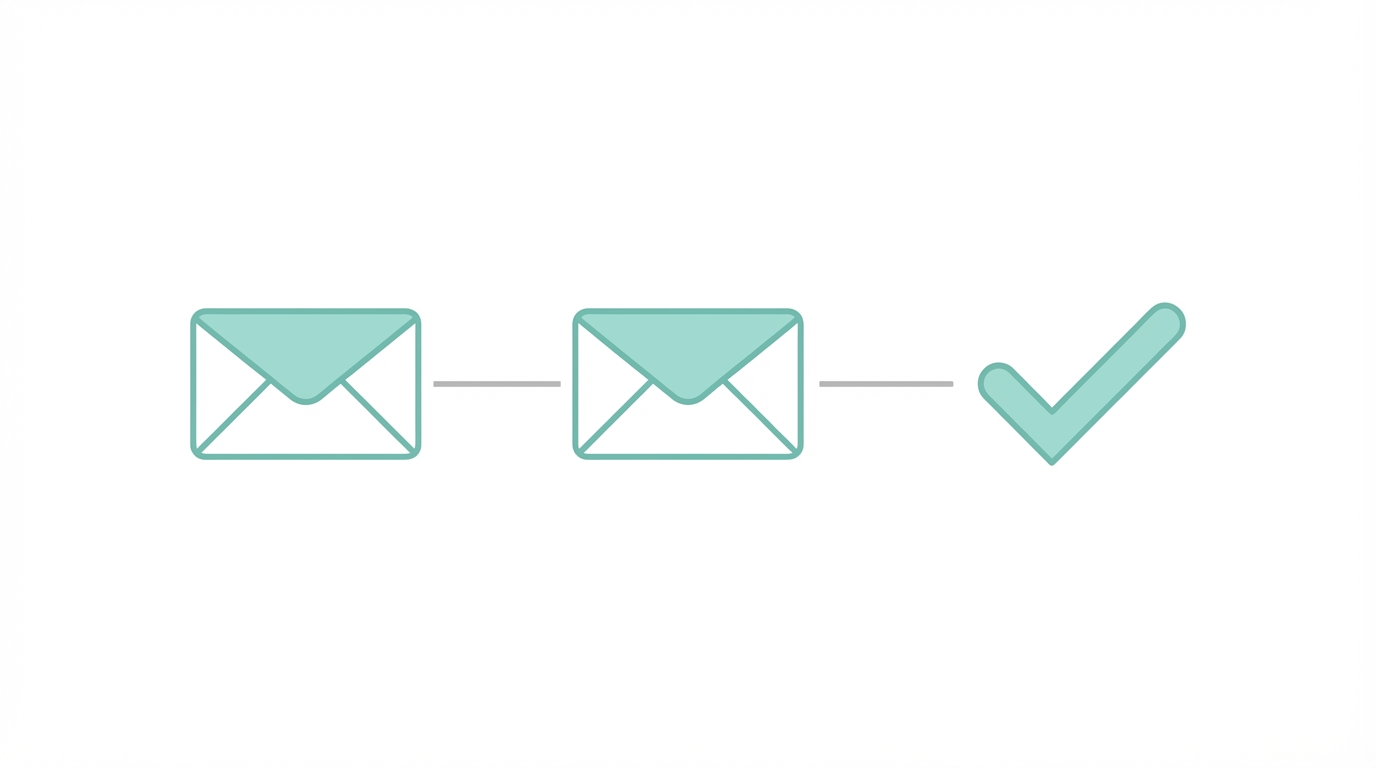
Collecting emails is only half the battle; you must prime those users for the actual launch. A dead waitlist is a wasted asset. You need a structured email nurture sequence that builds anticipation over time. This sequence should feel like a narrative, not a sales pitch. It should remind the user why they signed up and what life will look like once they have the tool in their hands.
A proven framework for this sequence includes:
The 9-Day Mark: The Educational Tease
Send an email that deep-dives into a specific problem your tool solves. Don't mention the launch date yet—just provide immense value.The 7-Day Mark: The Curiosity Gap
Show a screenshot or a video of the product in action. Focus on the 'magic moment' the user will experience.The 2-Day Mark: The Final Countdown
Explicitly mention the scarcity. Remind them that only 500 spots are available and that they will receive a special lifetime deal (LTD) if they are among the first to sign up. This sequence ensures that when the 'buy' button finally goes live, your audience is already mentally prepared to pull out their credit card.Step 3: Structuring Lifetime Deals and Early-Bird Discounts

For a bootstrapped SaaS growth model, cash flow is king. Launching with a lifetime deal (LTD) for your first cohort is a powerful way to inject capital into the business and reward your earliest supporters. However, you must be careful with the math. If your product uses expensive API tokens—like those from OpenAI—ensure your LTD price covers the long-term cost of service or includes usage caps.
A tiered pricing strategy works best: Cohort 1 gets the deepest discount (e.g., $59 for lifetime access). Cohort 2, launched a few weeks later, sees a price increase (e.g., $79). By the time you reach the public launch, you move to a recurring model (e.g., $99/month). This creates a 'now or never' mentality. Users who are on the fence in Cohort 1 will often convert in Cohort 2 once they see the price is actually trending upward. This strategy helped one SaaS reach $20,000 MRR in just 30 days by leveraging the momentum of early adopters who felt they were getting a steal.
Step 4: Rapid Iteration and Calendar Stacking

The true value of your first 500 users isn't just the revenue; it's the feedback. Most founders launch and then sit back to watch the dashboard. Successful founders 'stack their calendars.' You should aim to speak with at least 50 to 100 of your first users individually. This is the content marketing for SaaS secret that no one tells you: your best content comes from the words your customers use to describe their problems during these calls.
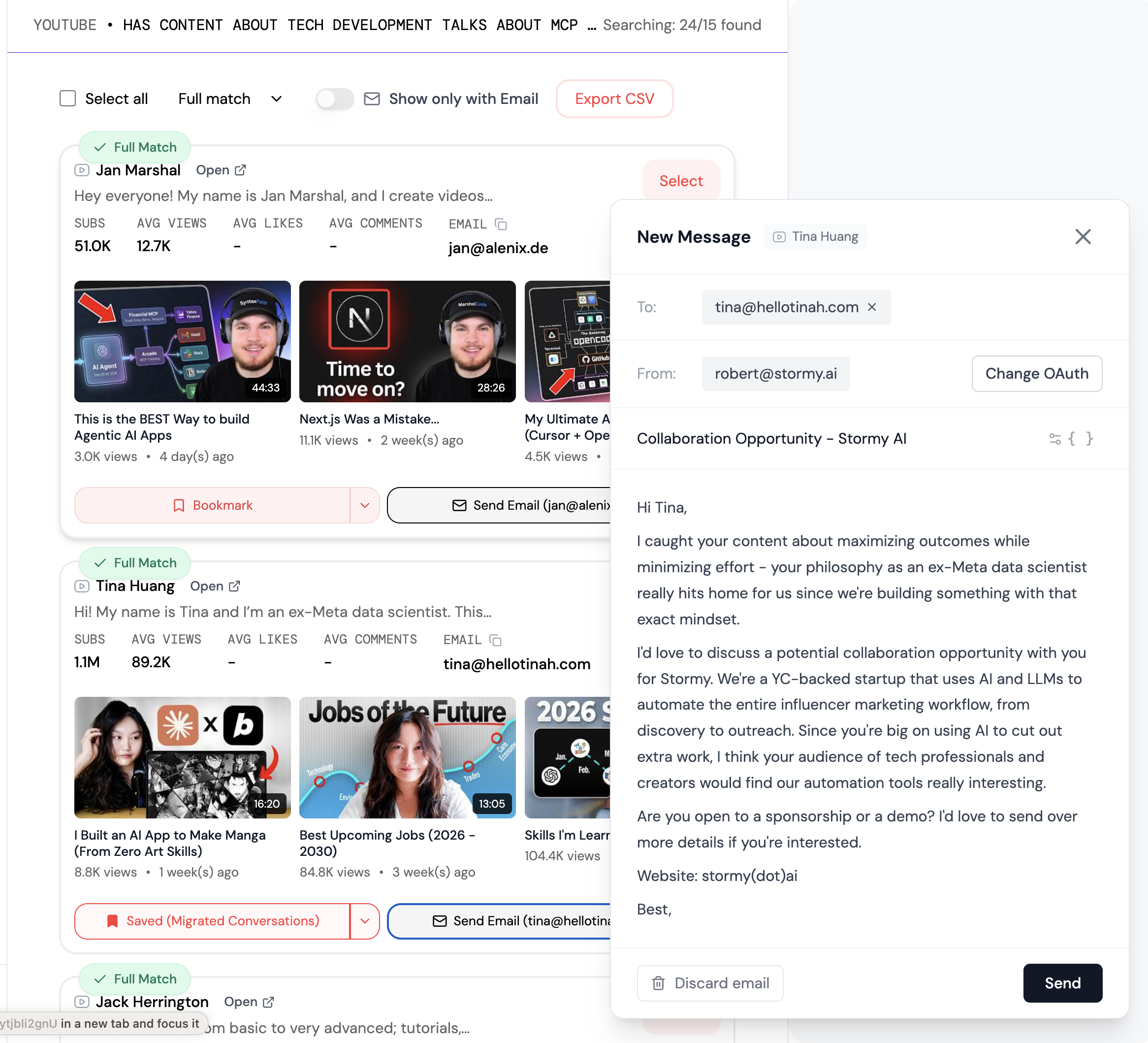
During this phase, your goal is to find the 'bugs' and the 'must-have' features. Ask users: 'What was the one thing that almost stopped you from buying?' and 'Which feature would you be most disappointed to lose?' This feedback allows you to iterate rapidly before the next cohort launch. If you are struggling to find the right creators or influencers to test your product, platforms like Stormy AI streamline creator sourcing and outreach, helping you discover niche-specific creators who can provide high-quality feedback or even help promote your next beta round to their own audiences.
Step 5: Relaunching and Scaling the Wave

After you have iterated with your first cohort, don't just open the doors to everyone. Repeat the waitlist process for a second cohort. This 'Wave Surfer' strategy allows you to maintain the scarcity while testing your improved features on a fresh group of users. Each relaunch is an opportunity to go viral again. By the time you reach a full public launch, you should have hundreds of testimonials, a refined product, and a proven SaaS launch strategy that can be scaled through paid ads or more aggressive outbound efforts.
When you are ready to scale, consider leveraging user-generated content (UGC). Seeing a real person use your tool is often more effective than any professional ad. You can use Stormy AI's creator discovery features to find influencers on TikTok or YouTube who already have the trust of your target market. Partnering with these creators to share their experience with your beta can drive a massive influx of signups for your next launch wave, keeping your acquisition costs low while your MRR continues to climb.
Conclusion: The Waitlist Advantage
The SaaS waitlist playbook is more than just a marketing tactic; it is a validation framework that protects your most valuable asset: your time. By leading with edu-sales, creating artificial scarcity, and nurturing your list with a narrative-driven email sequence, you build a community of advocates before you even officially launch. Remember, the goal is to solve a problem so effectively that people are willing to wait for the solution. Start building your list today, iterate with your first 500 users, and turn your launch into a predictable engine for bootstrapped SaaS growth.