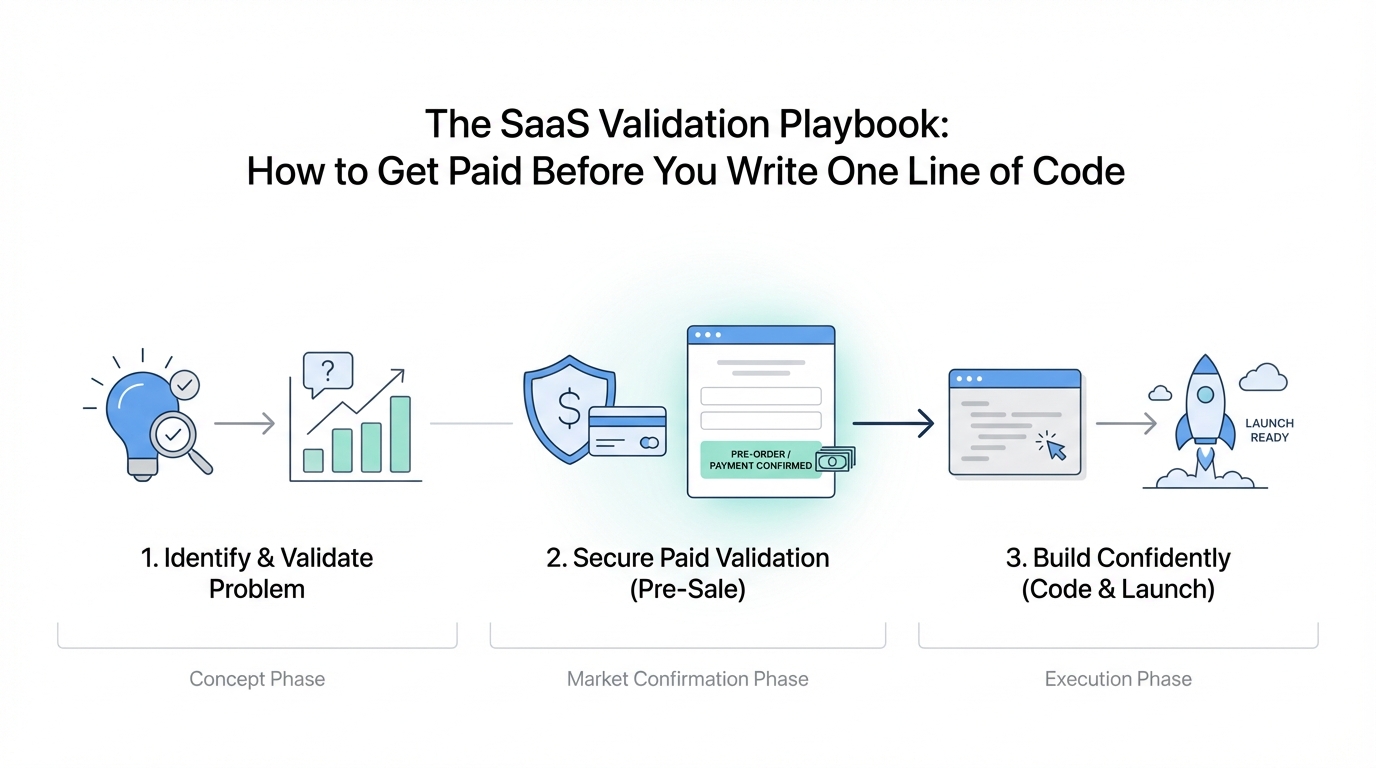
Most founders fall into a dangerous trap: they have a brilliant idea, quit their jobs, and spend six to twelve months locked in a room writing code. They build features, polish the UI, and obsess over the tech stack, only to launch to a chorus of crickets. This phenomenon is known as "Builder's Disease," and it is the most common reason why startups fail. The reality is that building software is the easy part; finding someone who will actually pay for it is the real challenge. If you want to build a successful business, you need to learn how to validate a saas idea before you write a single line of code.
The secret to modern startup success isn't just being "lean"; it is being cash-flow positive before you have a product. By using a combination of high-intent SEO research, AI-generated demos, and a specific "Deposit Framework," founders like Joseph and Teimmo (the creators of Setter AI) managed to reach $10,000 Monthly Recurring Revenue (MRR) by focusing on sales first. In this guide, we will break down the exact playbook they used to pre-sell software and secure $500 refundable deposits from customers before their app even existed.
The 'Builder's Disease' Trap: Why Building First is a Mistake
Builder's Disease is a psychological trap where founders believe that the value of their company lies in the code they write. Joseph, a former software engineer, experienced this firsthand when he spent an entire year building a product that ultimately gained zero traction. "I quit my job and spent a whole year building without any traction," he reflects. This is a common story in the world of indie hacking, where the urge to create overrides the necessity of market research.
To avoid this, you must shift your mindset from "builder" to "validator." The goal of lean startup validation is not to see if people like your idea, but to see if they will swipe their credit card for it. Genuine validation only happens when money changes hands. If a potential customer says "that sounds cool," you have failed. If they pay you a $500 deposit for a tool that doesn't exist yet, you have a business.
The High-Intent Keyword Strategy: Finding Your H1

The first step in the saas validation framework is identifying what your potential customers are searching for when they are in "buying mode." Instead of guessing, you should use data-driven tools like Ahrefs to find high-intent keywords. For Setter AI, the founders looked for keywords related to "cold call automation" and "AI appointment setters."
When performing keyword research, look for terms that meet three criteria:
- High Intent: The user is looking for a solution to buy, not just a definition (e.g., "best automated caller software" vs. "what is AI").
- Search Volume: There are enough people searching for this to sustain a business.
- Low Difficulty: You can realistically rank on the first page of Google with a simple landing page.
Once you find your "Hero Keyword," it becomes the H1 (main heading) of your landing page. This ensures that when Google indexes your site, it knows exactly what problem you solve. This strategy allows you to capture organic traffic from people who are actively seeking a solution, making them far more likely to convert into paying customers.
The Fake Landing Page Setup: Simulating a Finished Product

Once you have your keyword, you need a place for those visitors to land. This is where the fake landing page strategy comes in. Using platforms like Webflow, you can build a professional-looking site in hours. However, a landing page with just text isn't enough to validate a business idea effectively; you need to show the product in action.
Because the product doesn't exist yet, you can use AI to simulate it. The Setter AI team used ElevenLabs to generate high-quality AI voices for a fake video demo. This demo showed what the AI caller would sound like, giving prospects a tangible sense of the value proposition. "I created a completely fake demo for this product because the product wasn't there yet," Teimmo explains. They placed this video next to their H1 and a clear call-to-action (CTA).
For mobile app developers, this strategy is equally effective. You can create high-fidelity prototypes and then use Stormy AI to find and vet creators who can film "reaction" or "explainer" videos that make the app look and feel live. This creates social proof and trust before you've even started the development sprint.
The Deposit Framework: How to Ask for Money Early
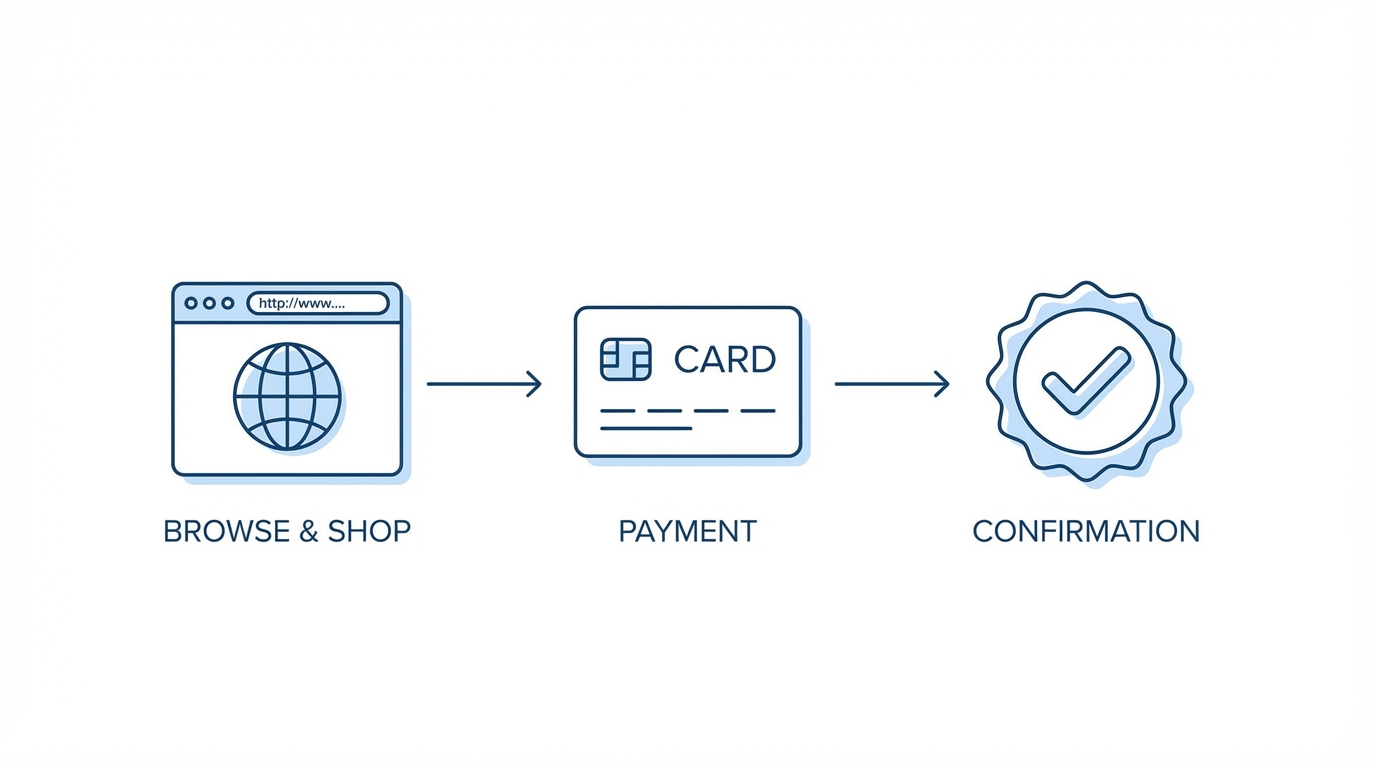
This is the most critical part of the saas validation framework. Once a prospect watches your demo and clicks your CTA, they should be directed to a Calendly link to book a discovery call. During this call, your goal is not to give a technical presentation, but to listen to their pain points and offer them a spot in your Beta Pilot Program.
The "Deposit Framework" works as follows:
- Diagnose the Pain: Ask the prospect how much they currently spend on the problem (e.g., "How many sales reps do you hire?").
- Present the Solution: Show them the fake demo again and explain how the finished product will solve their specific issue.
- The Close: Say, "We are launching in 4 weeks and only taking 10 companies for our initial pilot. To secure your spot and get the lifetime discount, we require a $500 refundable deposit."
- The Guarantee: Emphasize that if they aren't happy or if the product doesn't launch on time, the money is returned instantly via Stripe.
By asking for a deposit rather than a subscription, you lower the barrier to entry while still getting a firm financial commitment. Before the call, you can use the analysis tools in Stormy AI to vet the creator profiles of prospects if you are building in the influencer space, ensuring you are talking to high-quality leads. If 10 people pay you $500, you have $5,000 in the bank and a validated roadmap. If nobody pays, you've saved yourself months of wasted effort. "Sell to rich people, they pay better," is the advice the founders swear by, echoing the sentiments of Alex Hormozi.
Incubation: Using Warm Domains for Faster SEO
One pro-tip for how to validate a business idea quickly is to host your landing page on a "warm domain." A brand-new domain can take weeks or months to be trusted by Google. If you already own an older domain from a previous project or a personal blog, create a subfolder or subdomain for your new idea. This helps you get indexed within 24 hours.
After setting up the page, use Google Search Console to manually request indexing. This allows you to start receiving organic traffic from high-intent searches almost immediately. While you wait for SEO to kick in, Stormy AI is an AI-powered search engine that helps you find influencers across TikTok, Instagram, and YouTube to drive targeted traffic to your validation page, ensuring you get enough eyeballs to test your conversion rates.
Scaling the Validated Idea: The Growth Playbook
Once you have your first few deposits, it’s time to build. But the marketing shouldn't stop. The founders of Setter AI grew to 10K MRR by doubling down on three inbound channels:
- Free Tools: They built a "Free Sales Script Generator" to capture leads at the top of the funnel.
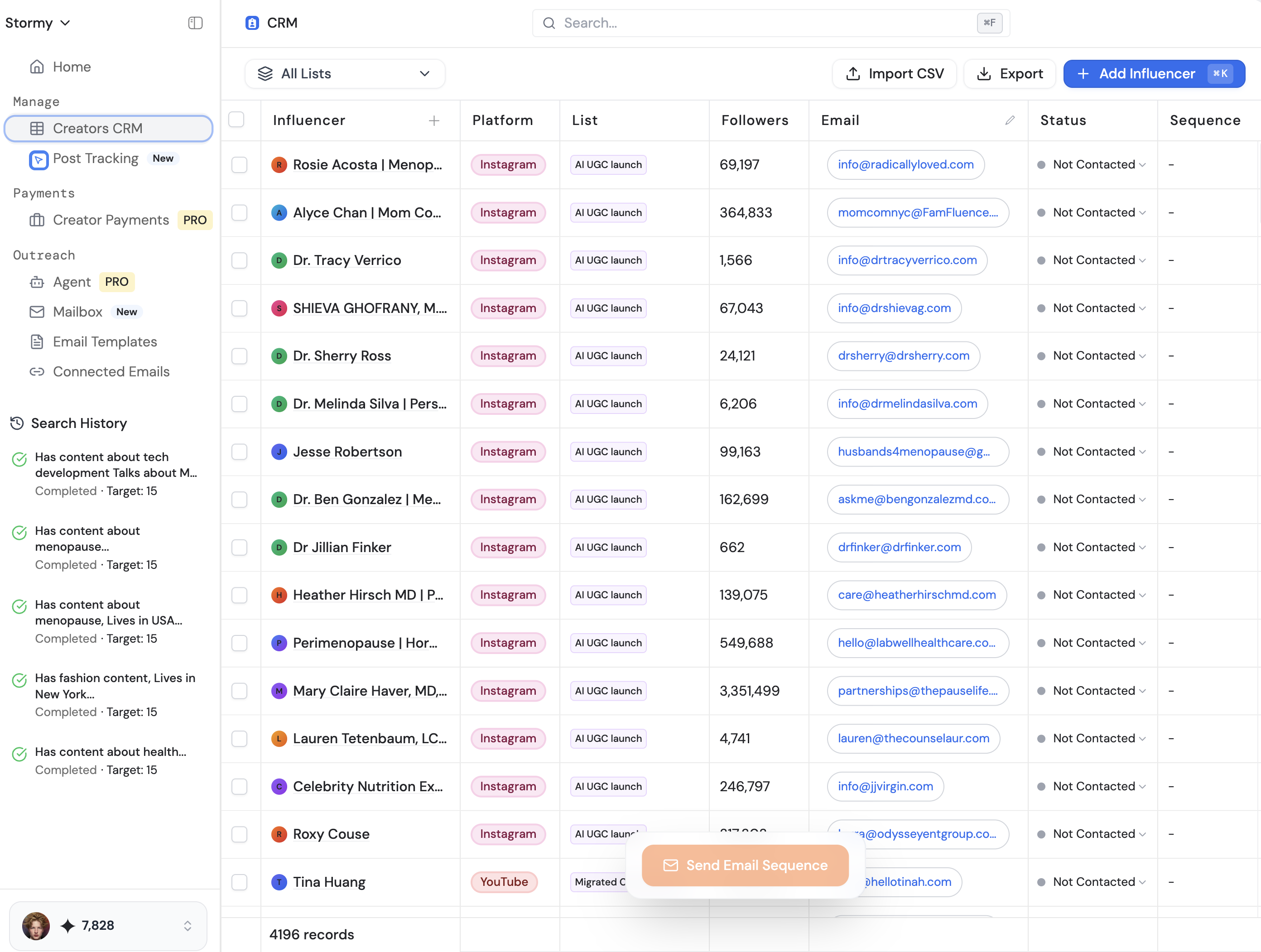
- Comparison Articles: They wrote blog posts comparing themselves to legacy giants to capture users looking for modern AI-native solutions. For those in the influencer space, highlighting the benefits of the Stormy AI Creator CRM over traditional manual tracking is a great way to show value. Tools like Answer the Public can help find these comparison queries.
- YouTube Long-Form Content: Video builds trust. "Most of the customers we closed came through watching at least one YouTube video before jumping on a call," Joseph notes.
To manage this growth efficiently, they utilized automation tools like Zapier to connect their lead forms to their CRM and Beehiiv for their email newsletter. This allowed them to maintain 90% profit margins by keeping their overhead low and their focus on high-ticket B2B clients.
The Lean Tech Stack for 2025
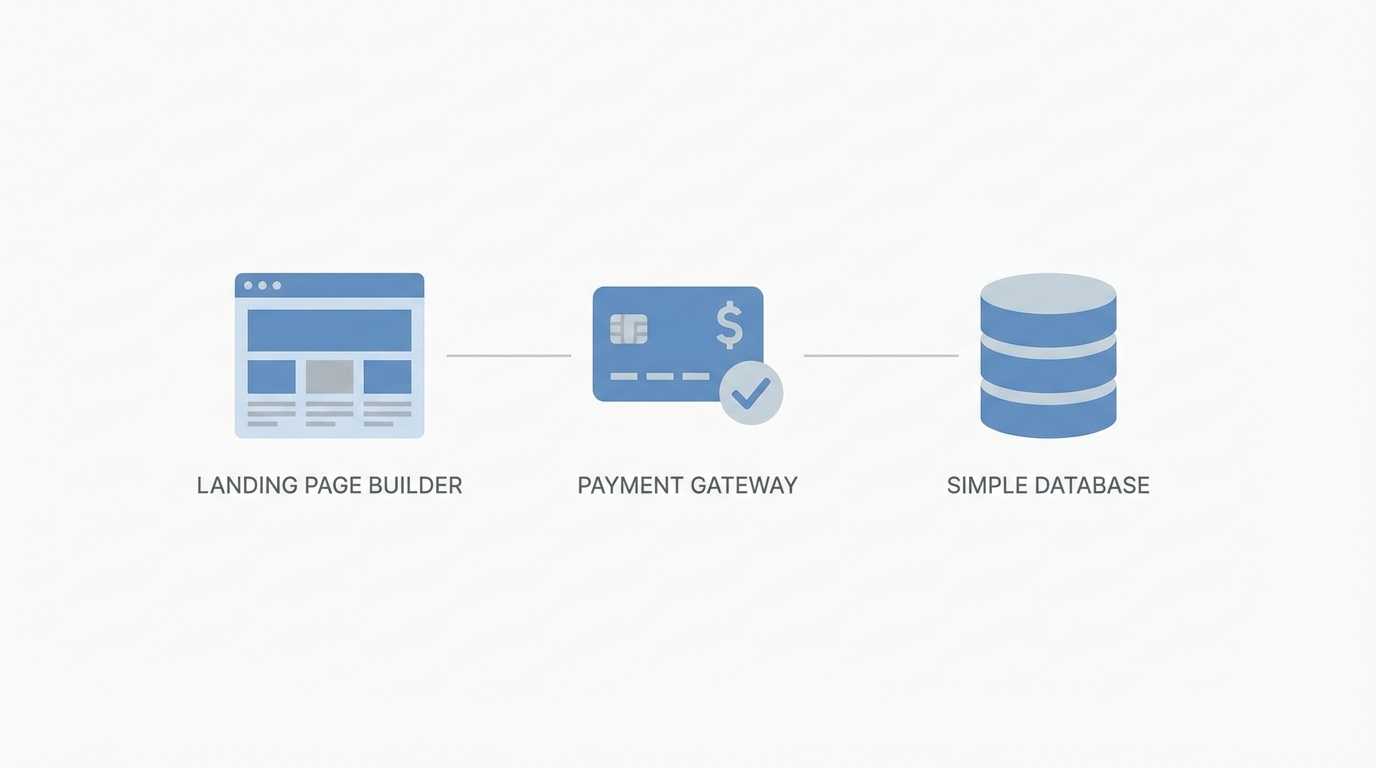
When you finally move from validation to building, don't overcomplicate the tech. The Setter AI stack is built for speed and scalability:
- Frontend: SvelteKit and TypeScript for a modern, reactive UI.
- Backend: A serverless stack hosted on Netlify.
- Database: Supabase and Render for PostgreSQL hosting.
- AI Logic: OpenAI API (specifically GPT-4) for the core agentic features.
- Growth Automation: Setting up an autonomous AI agent through Stormy AI to handle creator outreach and email follow-ups while the founders focus on the product.
- Coding Assistant: Cursor, which uses AI to speed up the development process by 10x.
By using Plausible Analytics instead of Google Analytics, they were able to track their 2,000+ signups with a much cleaner, more privacy-focused interface. This entire stack costs around $150-$250 per month, ensuring the business remains highly profitable even at the $10k MRR mark.
Conclusion: Stop Coding and Start Selling
The path to a successful SaaS is paved with validation, not features. If you follow the Deposit Framework, you eliminate the risk of building something nobody wants. Start by finding a high-intent keyword on Ahrefs, build a fake landing page with a simulated AI demo, and don't be afraid to charge $500 before you have a product.
As Joseph and Teimmo proved, the most valuable asset in a startup isn't the code—it's the commitment from your customers. Whether you are building an AI appointment setter or a new mobile app, your goal should be to get that first Stripe notification as quickly as possible. Once the money is in the bank, the path forward becomes clear. Charge early, charge high, and build only what your paying customers ask for.