In the hyper-competitive world of software, the dream of "building it and they will come" is a relic of the past. Today, launching a successful product requires more than just clean code and a sleek user interface; it demands a robust, repeatable SaaS SEO strategy that generates compounding returns over time. While many founders burn through venture capital on aggressive outbound sales and expensive paid ads, a growing cohort of bootstrapped entrepreneurs is proving that organic growth for SaaS can be engineered through community engagement, strategic content, and customer-led advocacy. By treating traffic as an engine rather than a one-time event, you can transition from the hustle of manual prospecting to the stability of passive inbound growth.
The Foundation of SaaS Content Marketing
The biggest mistake most founders make is waiting until after their product is "perfect" to start thinking about SEO. According to Mike, a serial founder who has scaled five separate apps to over $200,000 in monthly recurring revenue (MRR), the secret to a sustainable traffic engine is to start writing content on day one. Search engines like Google and AI models like ChatGPT require time to index, crawl, and trust your domain. If you delay your content strategy, you are essentially pushing your growth horizon back by months.
Instead of writing generic blog posts, the focus should be on high-intent pages that capture users at the moment they are looking for a solution. One of the most effective tactics in SaaS content marketing is the creation of "Alternative To" pages. These pages target users who are dissatisfied with a competitor or are simply exploring the market. By positioning your product against established players, you ride the wave of their existing search volume. This isn't about being combative; it's about providing a clear, design-focused choice for a specific niche.
Funding the SEO Runway with Lifetime Deals
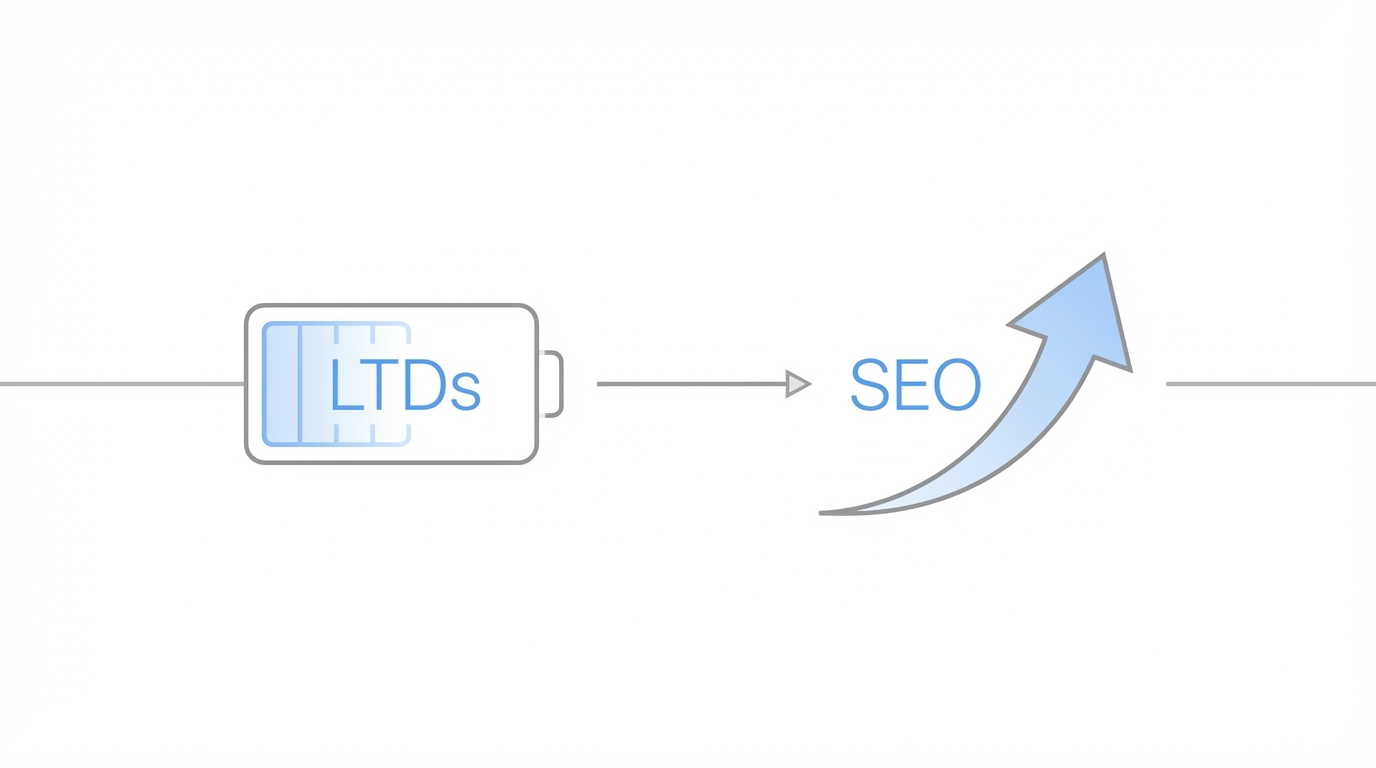
Organic growth is a marathon, not a sprint. It can take 12 to 24 months for a new domain to gain the authority needed to rank for competitive keywords. This creates a "valley of death" for bootstrapped startups where costs are high and inbound traffic is low. This is where the Lifetime Deal (LTD) strategy becomes a financial catalyst. By offering your product for a one-time fee—typically between $59 and $100—you can generate a significant influx of upfront capital.
Successful founders often use platforms like AppSumo to reach a massive audience of early adopters. The goal isn't just immediate cash; it is to build a war chest of $100,000 or more. This capital is then reinvested directly into the SaaS SEO strategy. Instead of worrying about next month's server bills, you use that money to hire writers, build backlinks, and sustain a two-year runway while your content matures in the search rankings. It turns your early users into the financiers of your long-term organic engine.
The Reddit Marketing Playbook for Startups

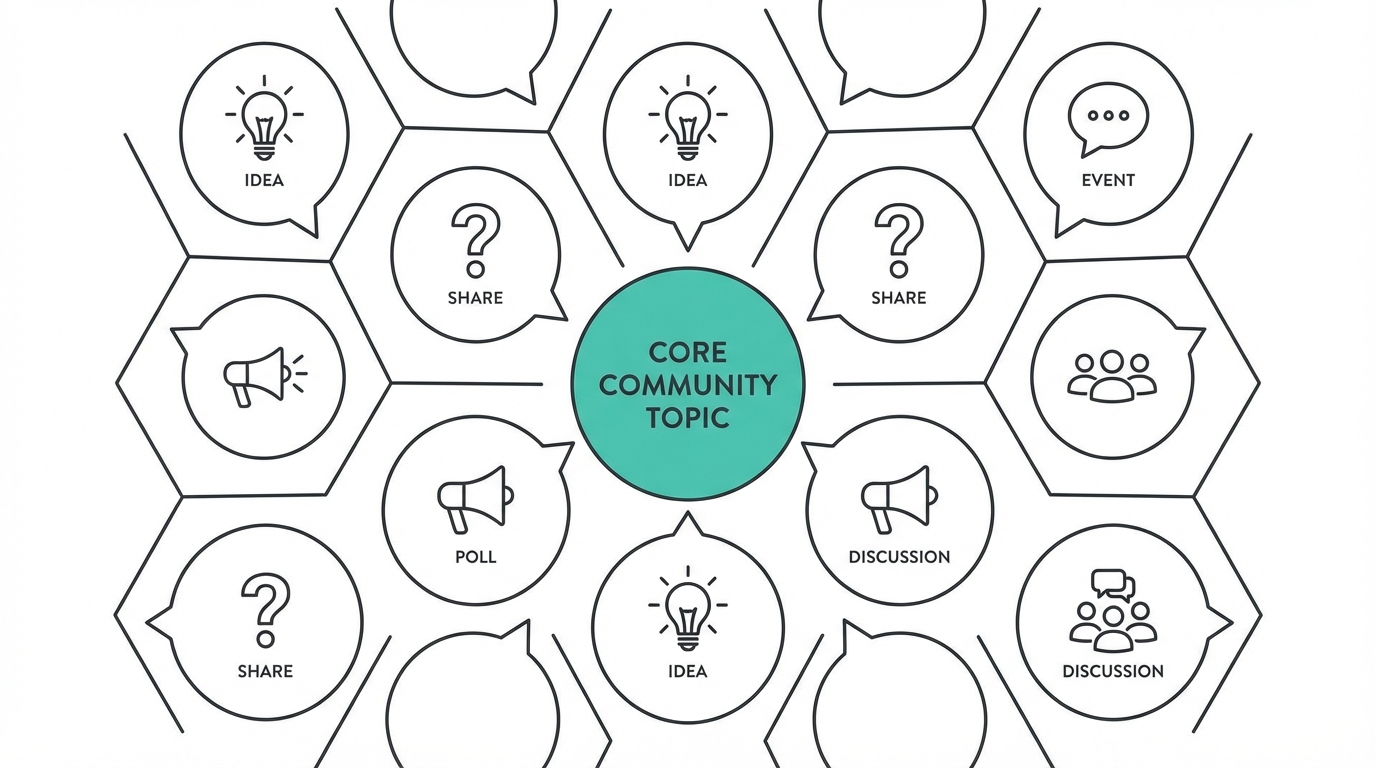
While Google provides long-term stability, community platforms provide immediate feedback and highly qualified leads. Reddit marketing for startups is often misunderstood as a place to drop links and hope for the best. In reality, the most successful founders treat Reddit as a listening post. They scan subreddits where their target audience hangs out and look for people asking specific questions or complaining about existing tools.
The key to winning on Reddit is authentic, helpful engagement. Instead of a hard sell, provide a detailed answer to a user's problem. If your product genuinely solves that problem, mention it casually. This transparency builds trust in a way that traditional ads never can. For companies focusing on mobile app marketing and UGC campaigns, Stormy AI provides an AI-powered search engine across TikTok, YouTube, and Instagram that can be used to find creators to fuel social proof. When you help a community member solve a problem, you aren't just gaining one customer; you are creating a public record of your expertise that will be indexed and searched for years to come.
The 10-Step SaaS Growth Playbook
To replicate the success of top-tier founders, you need a repeatable framework. This playbook is designed to minimize risk and maximize the chances of building a product that "cannot fail."
Step 1: Pick a Proven Idea
Innovation is risky. Instead of trying to invent a new category, look for ideas that have already been validated on platforms like Product Hunt. Find products with high demand but poor user experience or outdated design. If people are already paying for a solution, you know the market exists.
Step 2: Define a Lean MVP
Study your competitors and identify the core features their customers actually use. Don't overbuild. Your Minimum Viable Product should solve the primary pain point with exceptional design and high-quality UX.
Step 3: Launch a Private Lifetime Deal
Before going to major marketplaces, launch a private LTD to your own list or small niche groups. This helps you raise initial capital—often upwards of $30,000—without the high fees of larger platforms.
Step 4: Never Offer Free Accounts
One of the most counterintuitive rules is to always charge from day one. If users pay for a product, they are more likely to use it and provide meaningful feedback. Free users often clutter your support tickets without contributing to your long-term growth.
Step 5: Engage in Private Communities
Utilize private Facebook groups, X (formerly Twitter), and specialized forums to find your first 100 advocates. These are the people who will help you refine your product roadmap.
Step 6: Start SEO and Content Indexing
As mentioned, start your SaaS content marketing immediately. Write competitor comparison pages and blog posts that answer specific "how-to" questions related to your niche. Use tools like Framer to quickly deploy high-performance landing pages that search engines love. To amplify these efforts, you can use Stormy AI to set up an autonomous AI agent that discovers and outreaches to niche creators on a schedule while you sleep.
Step 7: Scale with AppSumo
Once your product is stable, launch on a major marketplace. This gives you access to a global database of buyers. You can choose between the standard marketplace or a curated "Select" offering depending on your growth goals.
Step 8: The Final "Last Call" Deal
Close your lifetime offering with a final private deal. Increase the price and create a sense of urgency. Once this deal closes, your product moves exclusively to a monthly recurring revenue (MRR) model.
Step 9: Dominate Software Review Sites
Your LTD customers are your early ambassadors. Reach out to them and ask for honest reviews on platforms like G2 and Trustpilot. High ratings on these software review sites are critical for converting future inbound traffic.
Step 10: Transition to Passive Inbound
By the time your LTD capital starts to run low, your SEO efforts should be kicking in. The goal is to have enough MRR and domain authority to sustain the business through passive search traffic and community referrals.
Leveraging Review Sites for Domain Authority

A successful software review sites strategy is about more than just a high star rating. These platforms often have massive domain authority, meaning their "Best Software for X" lists often rank higher than your own website in the early stages. By dominating these sites early through your LTD ambassadors, you secure "second-hand SEO." When a potential customer searches for your category, they see your product at the top of G2 or Trustpilot, which builds instant credibility.
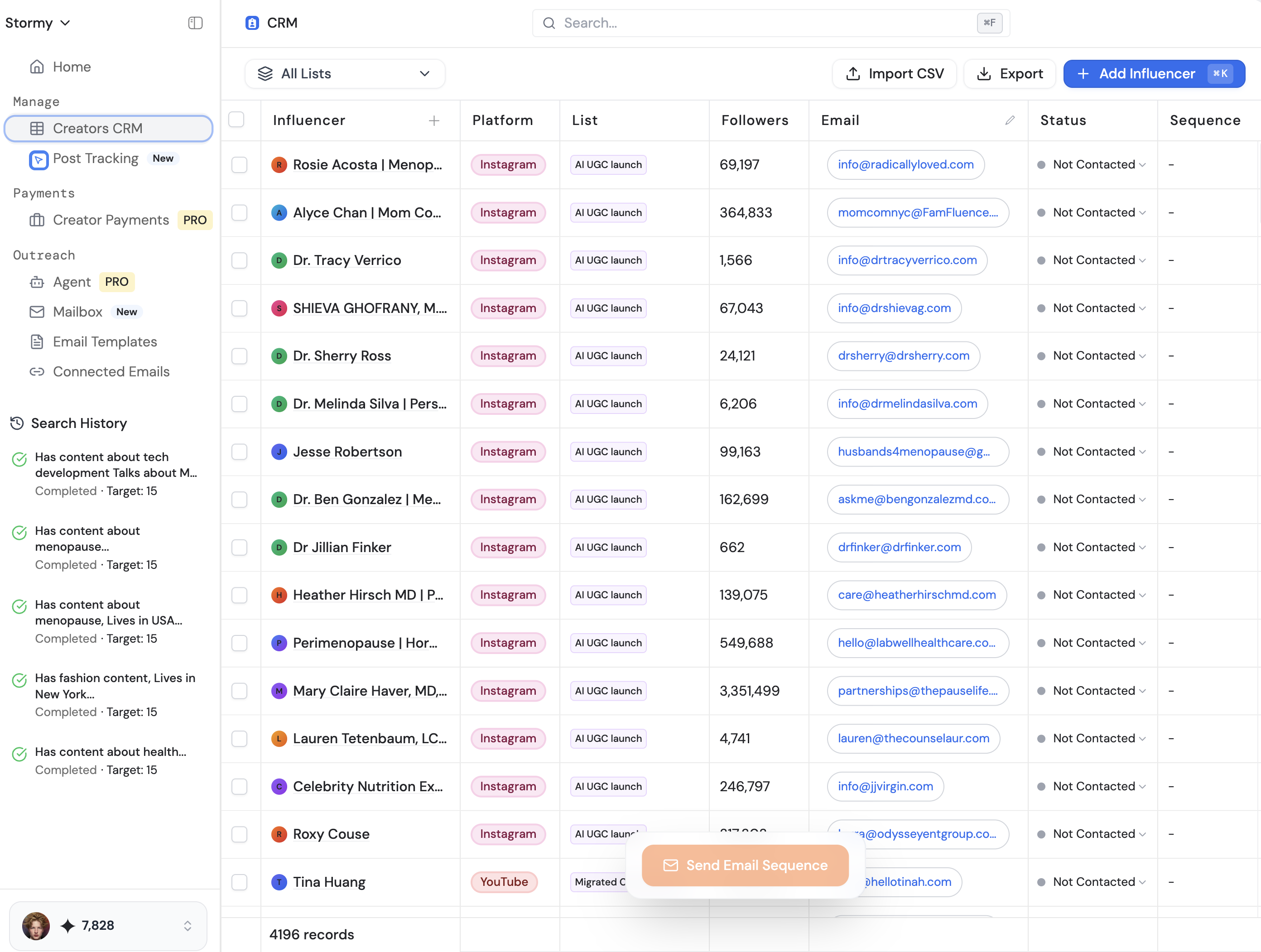
Furthermore, reviews provide a goldmine of user-generated content (UGC). You can repurpose these testimonials into social media ads or landing page social proof. For app developers, integrating this feedback into your marketing strategy—perhaps even finding creators through Stormy AI and using its AI-powered quality reports to vet for fake followers before booking video testimonials—can significantly lower your customer acquisition cost (CAC). Using Stormy AI's built-in creator CRM helps manage these relationships and track every interaction as you scale from dozens to thousands of partners.
Technical Stack and Lean Operations
To maintain a sustainable engine, you must keep your operations lean. The goal is often to build for high salaries and profit, rather than a risky venture-backed exit. This means using proven, reliable technology stacks. Many successful founders stick to frameworks like Laravel for the backend and Vue or React for the frontend. Using established tools ensures that your team can move fast and that you aren't fighting the technology itself.
Communication and collaboration are equally important. As your organic growth engine starts to hum, tools like Slack and Figma keep the team aligned on UX and design, which are the silent drivers of conversion. By keeping the team tech-heavy and small, you ensure that the profits generated by your SEO efforts remain within the founding team rather than being drained by excessive overhead. While legacy tools like Captiv8 or Tagger were built for a different era, modern founders prefer agile, AI-native platforms like Stormy AI to handle their entire outreach and creator management workflow.
Conclusion: Building Your Long-Term Growth Engine
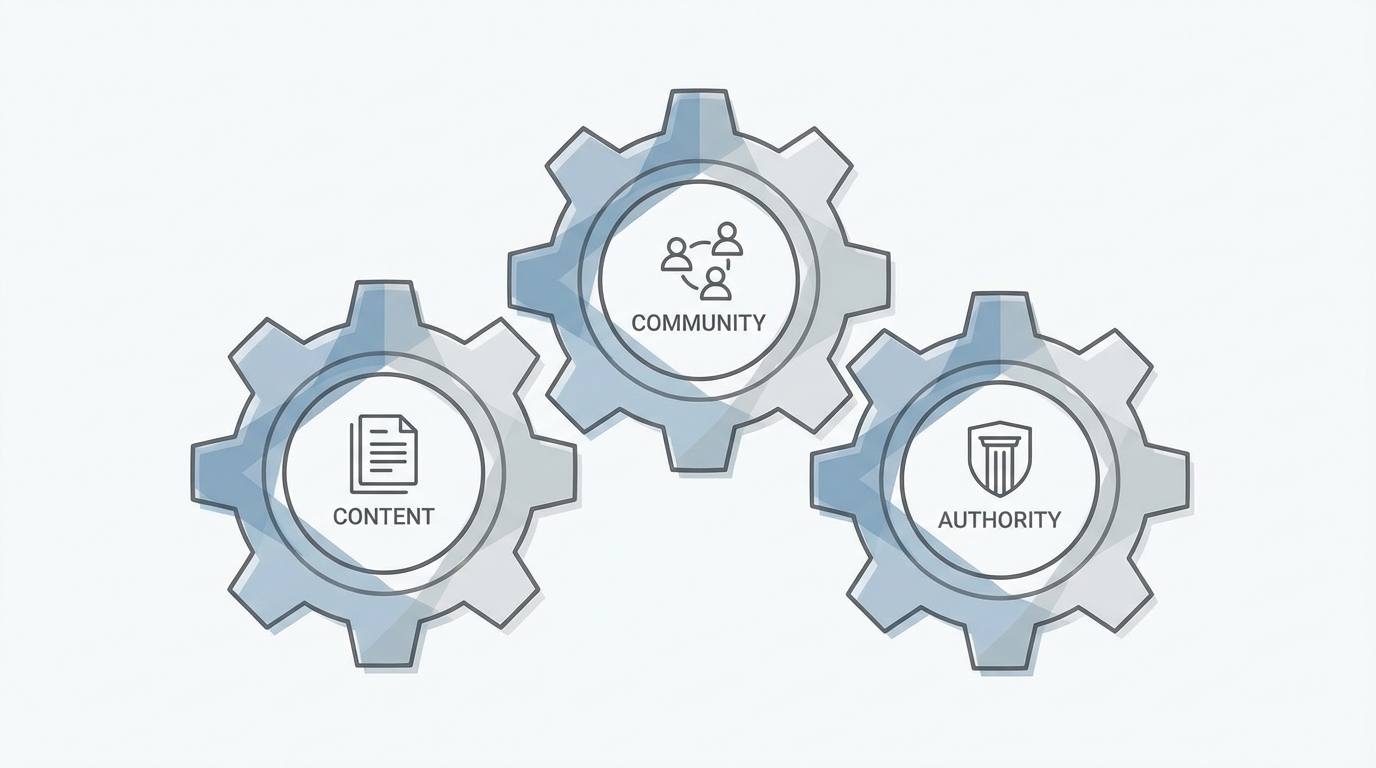
Building a sustainable traffic engine for a SaaS product requires a shift in mindset. You are not just building software; you are building an ecosystem of content, community trust, and customer advocacy. By starting your SaaS SEO strategy early, leveraging the capital from lifetime deals to fund your content runway, and engaging authentically on platforms like Reddit, you create a business that is resilient to market shifts.
The ultimate takeaway is to focus on boring businesses that work. You don't need to chase the latest AI trend to be successful. Instead, find a problem that people are already paying to solve, design a better experience, and use the 10-step playbook to engineer your own organic growth. As your domain authority grows and your review scores climb, the friction of selling disappears, replaced by a steady stream of inbound customers who already trust your brand. It is time to stop chasing the next viral hit and start building your sustainable traffic engine today.