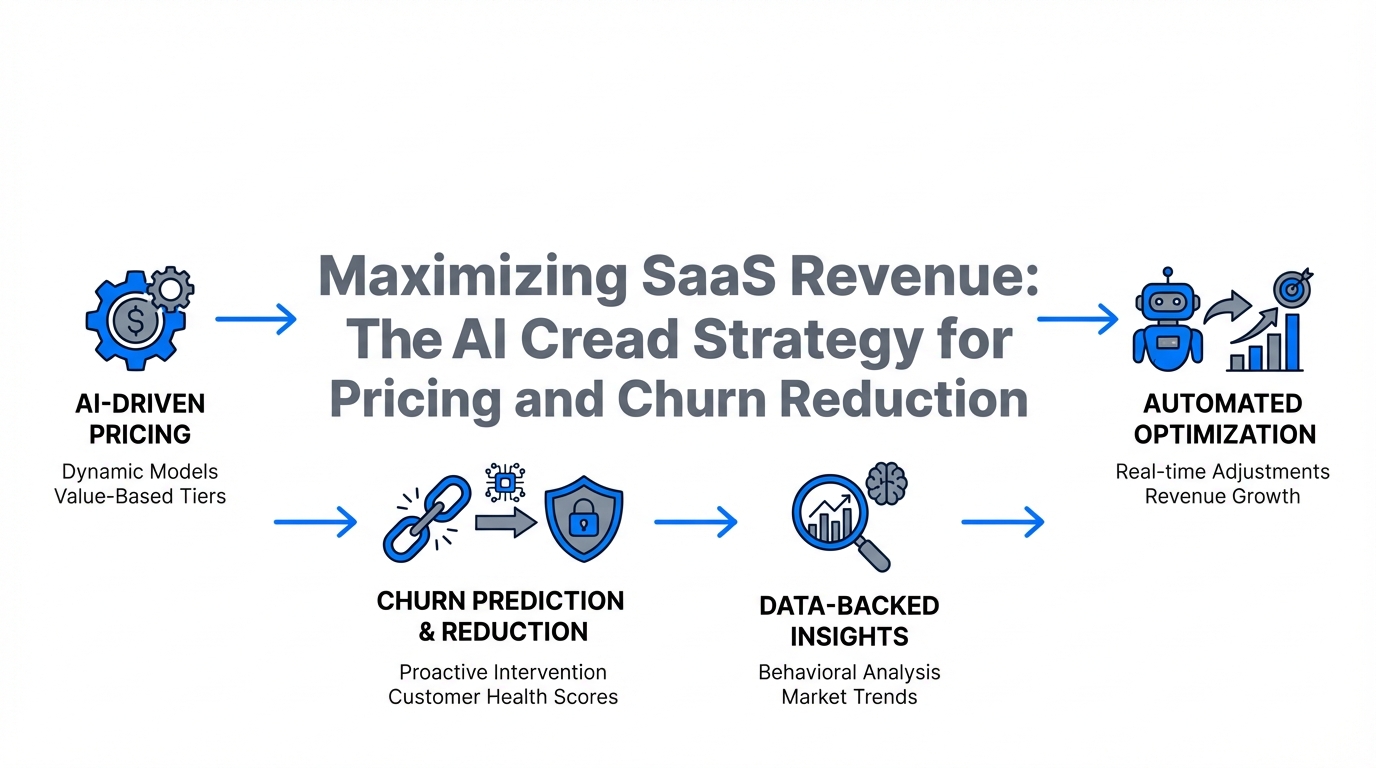
Building a successful software-based business while working a demanding 9-to-5 is often cited as the ultimate entrepreneurial challenge. However, Pauline, the founder of AI Crea, proved it is entirely possible by scaling her AI-powered home renovation tool to $8,000 MRR (monthly recurring revenue) while still employed at IBM. Her journey, detailed in a recent Starter Story interview, offers a masterclass in modern SaaS monetization strategy. By balancing user needs with aggressive validation and smart automation, she transformed a side project into a six-figure business in one of the most saturated markets today.
The Genesis of AI Crea: Solving Problems in Saturated Markets
The core value proposition of AI Crea is deceptively simple: users upload a photo of a room, select a design style (like Scandinavian or Modern), and the AI generates a photorealistic renovation in seconds. While the AI space is crowded, Pauline found success by focusing on a specific niche—real estate agents and homeowners who need to visualize potential. The strategy wasn't just about the technology; it was about validating the idea before writing extensive code.
Pauline emphasizes that her first few years as an indie hacker were filled with failures. The turning point came when she started asking more questions and building less. When she landed on the idea for AI Crea, she didn't wait for a perfect product. She built a functional but "low quality" MVP in a month and showed it to real estate agents she found on LinkedIn. When they said, "I want to buy this now," she knew she had a winner.
"The sooner you ship, the better. It is really hard to imagine what your clients want if you don't have clients yet."Decoding the Hybrid SaaS Pricing Model
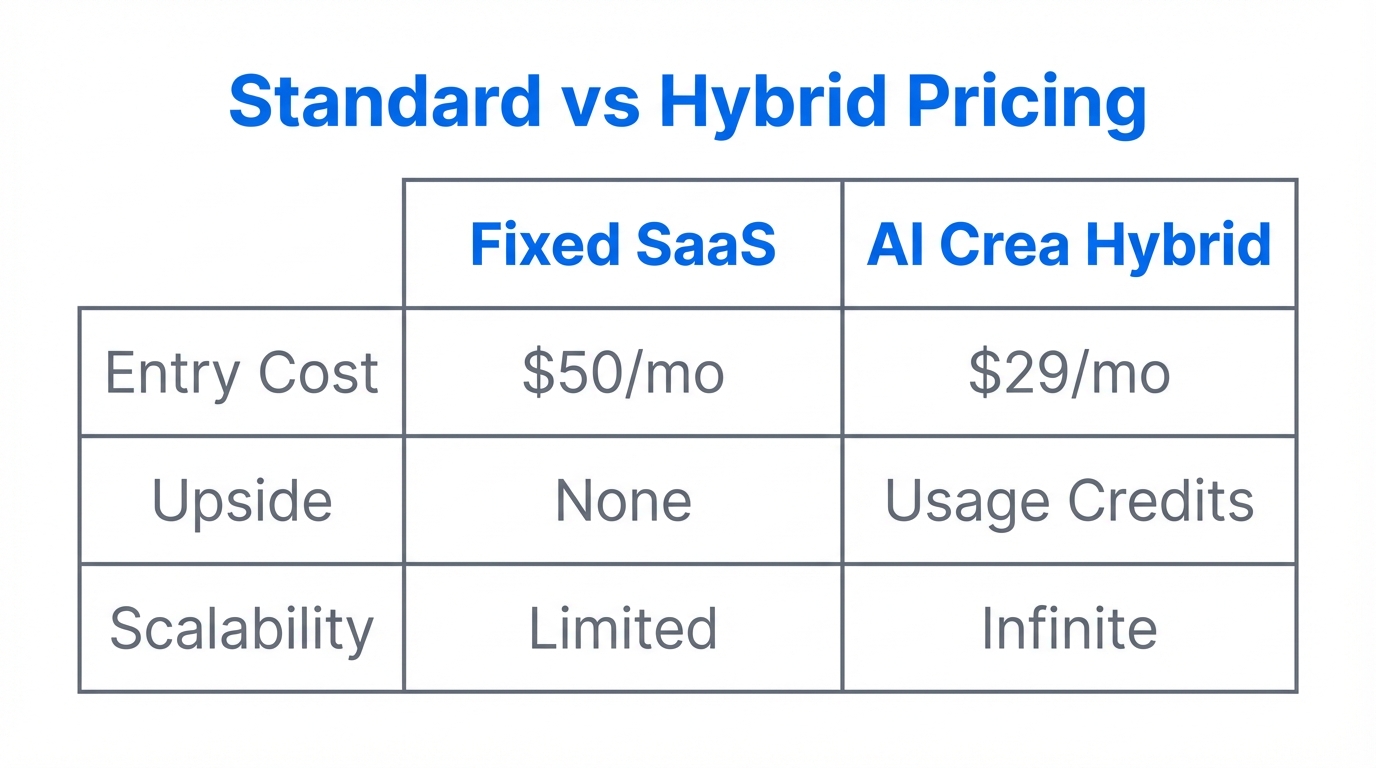
One of the most debated topics in the industry is the choice between a subscription vs one-time payment. AI Crea uses a hybrid SaaS pricing model to capture the widest possible range of customers. For users who only have a single project, a one-time payment for a fixed number of photos makes sense. For power users, such as real estate professionals, a monthly subscription offers recurring value and extra features.
| Pricing Tier | Target Audience | Primary Benefit |
|---|---|---|
| One-Time Payment | One-off homeowners | Low commitment, clear cost |
| Monthly Subscription | Real estate agents | Recurring features, lower cost per use |
| Yearly Subscription | Power users / Agencies | High retention, lowest churn |
Pauline notes that pricing is not just about revenue; it's about brand perception. If you price too low, your product is perceived as "low cost" or "cheap," which can actually increase your customer support overhead. Higher prices often attract more serious users who require less hand-holding. When choosing your SaaS monetization strategy, you must consider how much support you are realistically able to deliver as a solo founder or small team.
Mastering Retention: How to Reduce Churn Rate Drastically
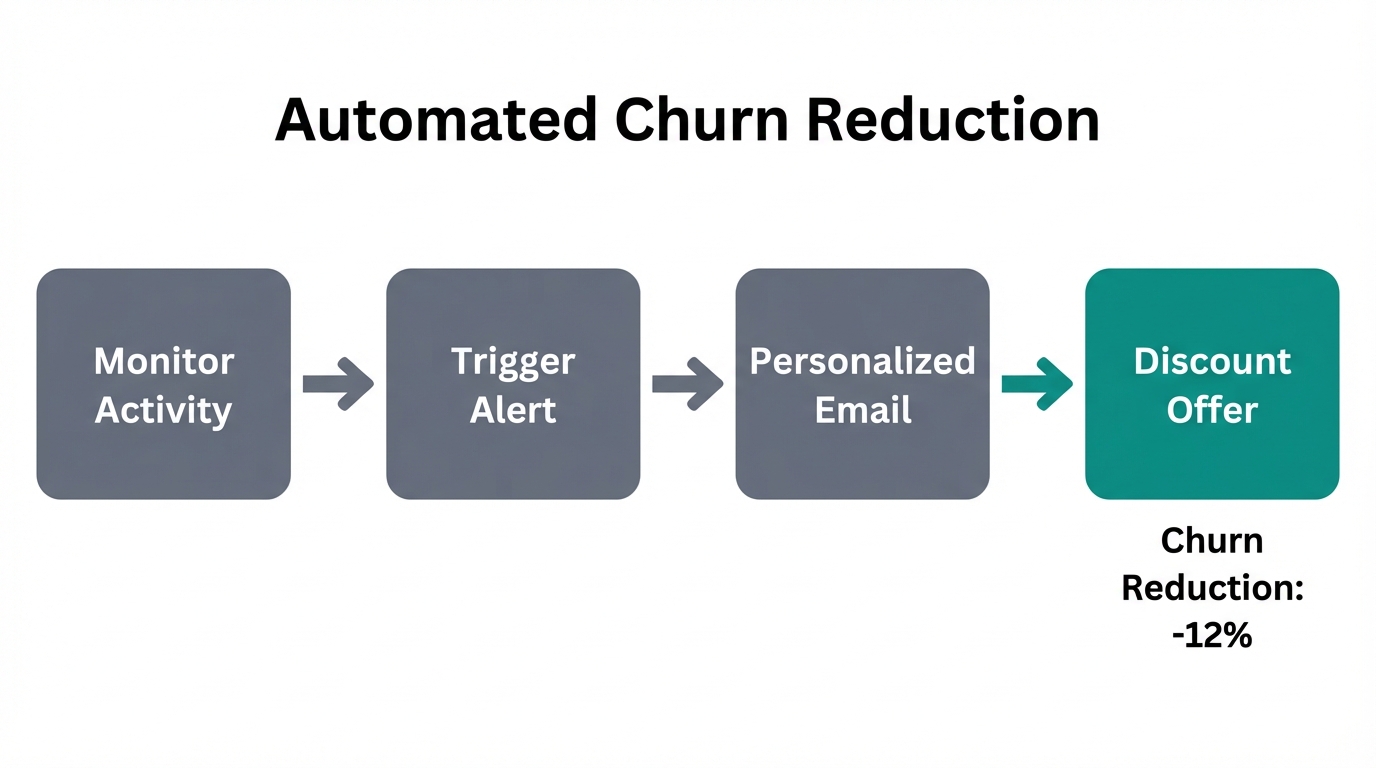
For any subscription business, churn is the silent killer. Pauline initially struggled with high churn until she implemented three specific changes that fundamentally stabilized her revenue. If you are wondering how to reduce churn rate, these three pillars are essential:
- Implementing Yearly Plans: By offering a yearly option, Pauline locked in users for a longer duration. This gave them more time to integrate the tool into their workflow, making it a "sticky" part of their business.
- Offering Free Trials: Transparency builds trust. By allowing users to see the result of the AI before asking for a credit card, AI Crea ensured that only satisfied users converted to paid plans.
- Continuous Quality Improvements: Over a year, Pauline focused on making the output look less like an "AI hallucination" and more like a professional photo. Product quality is the ultimate retention tool.
"It sounds stupid, but by adding a yearly plan, users are engaged for a year, so they use the service better."Where to Find Your First 1,000 Customers
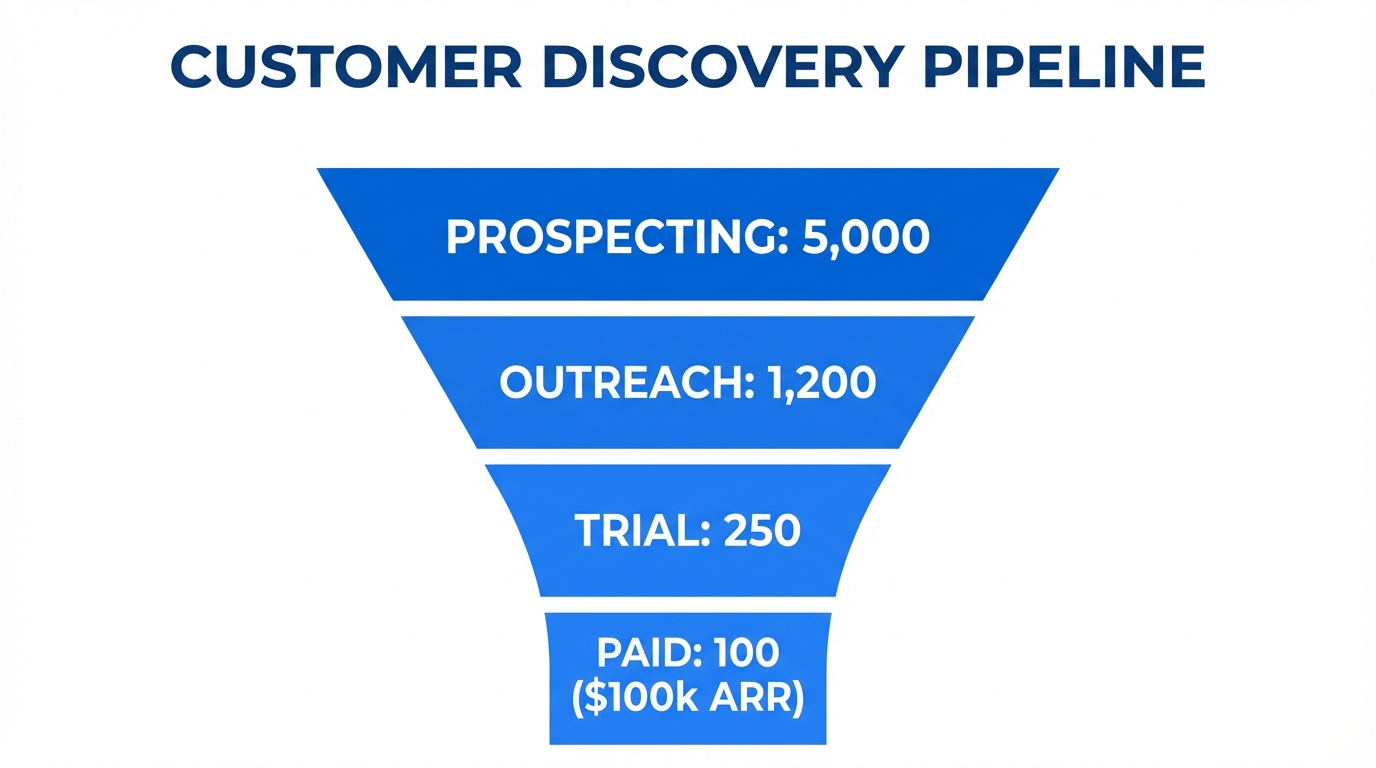
A great product is useless if nobody knows it exists. Pauline’s marketing strategy is rooted in being where her customers hang out. For real estate agents, that meant focusing on Facebook and physical networking events. For her other tools, like Next.js directories, she leverages her audience on Twitter and launches on Product Hunt to gain high-quality backlinks.
As your user base grows, managing these relationships becomes a full-time job. This is where automating creator and customer outreach becomes vital. For brands looking to scale via influencer partnerships rather than just direct ads, platforms like Stormy AI can help source and manage UGC creators at scale, allowing founders to focus on product development while the AI handles discovery and initial outreach.
The Marketing Tech Stack for $100k ARR
Pauline doesn't shy away from investing back into the business. Her current stack is designed for maximum efficiency with minimal manual labor:
- Marketing Automation: She uses Brevo for email automation to keep users engaged throughout their lifecycle.
- Newsletter & Community: She leverages Beehiiv for her newsletter and Discord for team communication.
- Social Scheduling: Buffer is used to maintain a consistent presence on Twitter and LinkedIn without spending all day on social media.
- Customer Support: Crisp provides a live chat window that allows her to answer user questions in real-time.
By automating the "boring" parts of the business with tools like Brevo, she can spend her time on high-impact tasks like improving AI models or exploring new niches.
The Future of AI SaaS: Integration Over Innovation
Pauline believes the biggest opportunity in the AI space isn't necessarily building the next foundational model, but rather inserting AI into existing products. For example, an AI that helps users answer emails directly within their inbox or a plugin that enhances existing CRM data. This philosophy of "service-based AI" is what makes AI Crea successful—it takes a complex technology and applies it to a very specific, manual task (renovating or staging a home).
For founders looking to replicate this success, utilizing an AI-powered creator CRM can be the differentiator. Just as Pauline uses automation to manage her real estate clients, tools like Stormy AI allow you to discover and vet creators who can produce the content that feeds your marketing engine, all while you sleep.
"Invest in yourself. You are the common point of every project you build."Conclusion: The Blueprint for SaaS Growth
The story of AI Crea is a testament to the power of the SaaS pricing model when combined with rapid validation and a focus on retention. Pauline didn't build a perfect app; she built a useful one and refined it based on real-world feedback. By implementing yearly plans to reduce churn rate and utilizing marketing automation tools like Beehiiv and Brevo, she created a sustainable, high-margin business that allowed her to leave her corporate job.
If you are looking to start your own journey, remember her three core pieces of advice: ship fast, ask for feedback constantly, and don't wait for the perfect product. Your first version will likely be flawed, but as Pauline demonstrated, those flaws are the stepping stones to a $100,000 per year business.