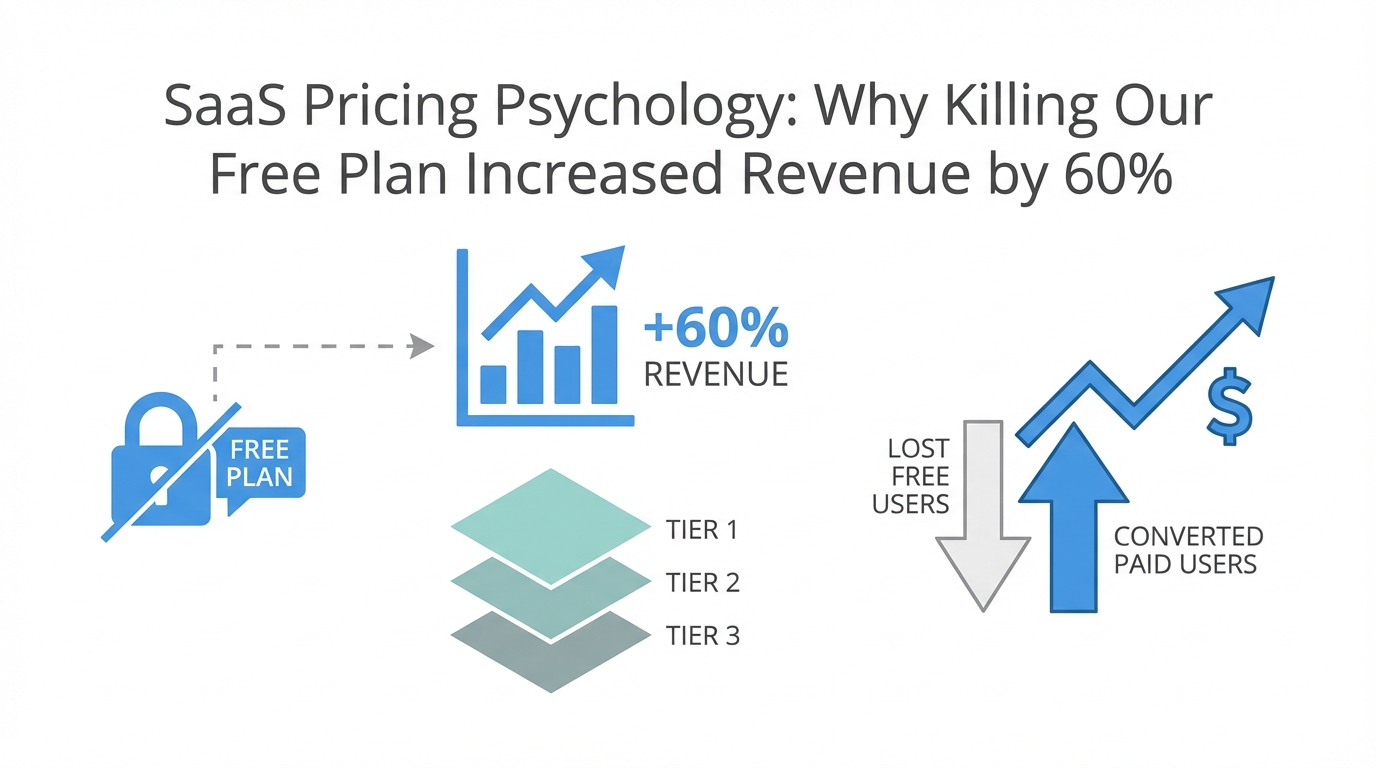
In the world of micro-SaaS, there is a pervasive myth that growth is a game of volume. Founders are often told that the freemium model is the golden ticket: attract thousands of users for free, and eventually, a percentage will convert to paid subscribers. However, as many developers soon discover, a massive user base can be a double-edged sword. If those users don't provide value, they quickly become a drain on infrastructure, support, and focus. This phenomenon, often called the "Free Plan Trap," can stifle even the most innovative products.
Take the story of Leandro, the founder of SyncToSheets, a tool that performs a single, high-value function: syncing Notion databases to Google Sheets. After building his MVP in just two weeks, Leandro amassed over 70,000 users. Yet, despite the massive adoption, the business only reached its true potential when he made the difficult decision to kill the free plan. By transitioning to a paid-only model, he saw his revenue jump from $5,000 to $8,000 MRR in just two months—a 60% increase that fundamentally changed his subscription business model.
The Data Behind the Decision: Why More Users Isn't Always Better

When analyzing saas pricing models, the decision to eliminate a free tier must be rooted in hard data. For Leandro, the data was clear: a vast majority of the 70,000 users were consuming resources without ever intending to pay. In any software business, every user has a cost—whether it's the compute power required to sync data or the time spent answering support tickets. When your free users outnumber your paying customers by a ratio of 150 to 1, you aren't running a business; you're running a charity with high overhead.
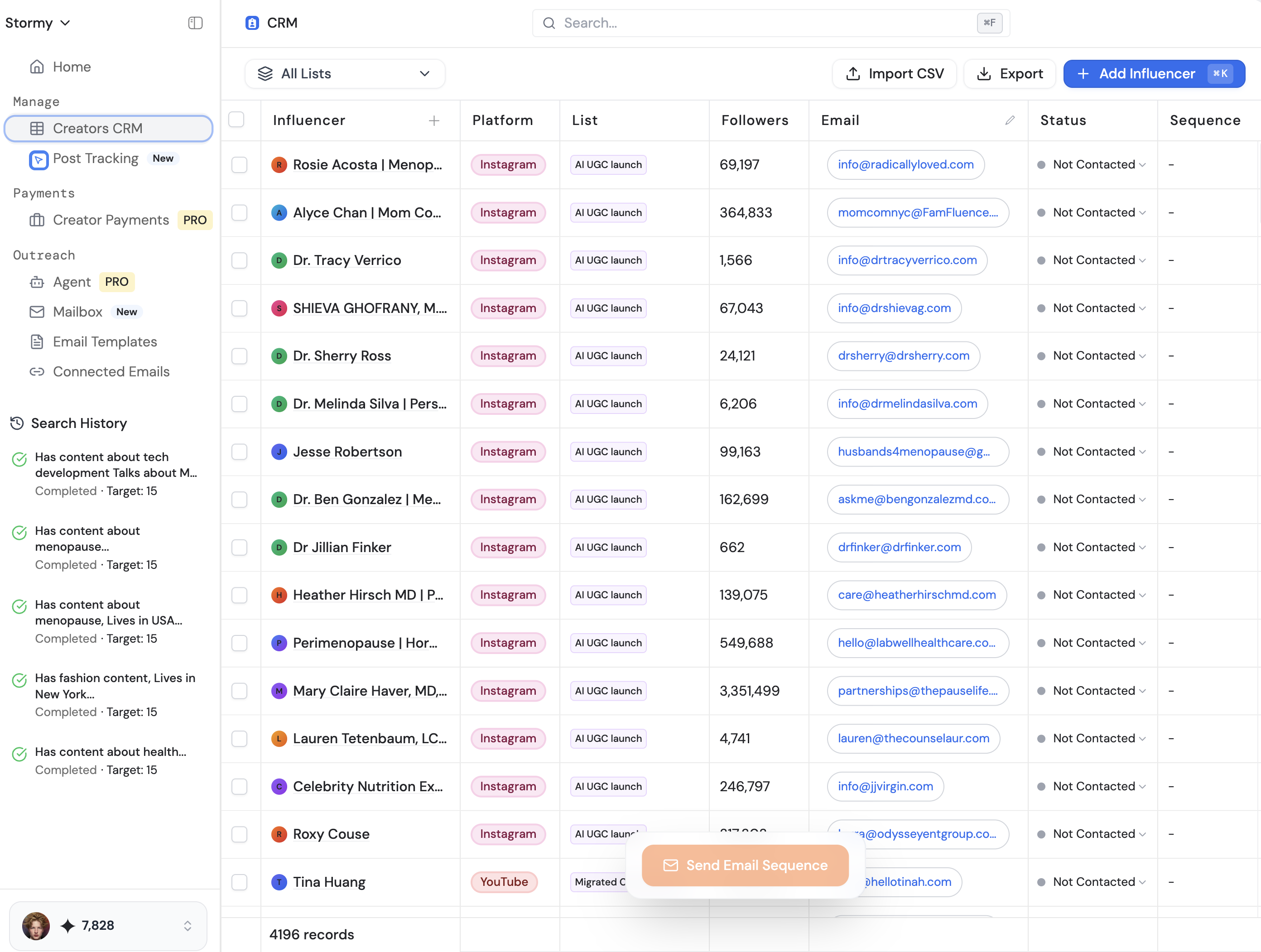
The risk of the freemium model is that it often attracts "low-intent" users who aren't actually solving a high-stakes problem. Much like how brands need to filter through millions of social media accounts to find real influence, SaaS founders must filter for real customers. This is where modern tools help bridge the gap. For example, if you are scaling a creator-led growth strategy, using Stormy's influencer analysis can help you vet the quality of creators before you invest, ensuring you aren't wasting resources on "empty" engagement. Similarly, in SaaS, you must vet your user base to ensure they have a genuine willingness to pay.
The 'Willingness to Pay' Test: Using Price as a Filter

One of the most effective ways to increase SaaS MRR is to treat price as a filter. A common mistake among solo founders is pricing their product too low out of fear. Leandro discovered that by charging from the beginning, he could avoid wasting months building features for people who would never open their wallets. This is a crucial lesson for anyone looking to build a sustainable subscription business model.
When you introduce a paywall, you immediately eliminate the "tire kickers." The users who remain are those who derive significant value from the software. For SyncToSheets, these were users who needed their Notion data in Sheets for professional accounting, reporting, or inventory management. These are high-quality, low-churn customers because the cost of the software is negligible compared to the time it saves them.
Just as Stormy's AI search allows brands to filter for creators by niche, engagement, and audience quality to find the perfect match, SaaS pricing acts as a manual filter to find your perfect customer segment. If your app "does only one thing," that one thing must be valuable enough to justify a subscription. If it isn't, no amount of free users will save the business.
Risk Management: Handling the 'Angry User' Backlash
The biggest fear founders have when moving from freemium vs paid is the inevitable backlash. When Leandro announced the removal of the free plan, people were angry. This is a standard psychological reaction: users feel they are losing an "entitlement." However, managing this transition requires a focus on operational efficiency rather than people-pleasing.
To manage the transition, consider these steps:
- Grandfathering: Allow existing free users a grace period or a discounted "early bird" rate to transition to a paid plan, a strategy often discussed by pricing experts at ProfitWell.
- Transparent Communication: Explain the why. Tell your users that to maintain a 90% profit margin and provide 10/10 support, the business must be sustainable.
- Automated Outreach: Use tools to handle the volume of communication. For instance, scaling personalized messages to your user base is similar to how brands use Stormy's AI outreach to contact hundreds of creators with hyper-personalized emails. You can automate the notification process while keeping the "human" feel that prevents churn.
Ultimately, the users who complain the loudest are often the ones who contribute the least to your bottom line. By filtering them out, you free up your mental energy to focus on the 450+ paying customers who actually drive SaaS revenue growth.
Pricing for Micro-SaaS: Monthly Subscriptions vs. Lifetime Value (LTV)
In niche markets, the saas pricing model you choose determines your long-term viability. Many micro-SaaS founders fall into the trap of offering "Lifetime Deals" (LTDs) to get a quick cash injection. While this can help with initial validation on platforms like Product Hunt, it is often a death sentence for apps with recurring costs.
Leandro’s tech stack—using Apps Script, Google Cloud, and Firebase—incurs real-time compute costs. If you sell a lifetime deal for $50 but the user stays for five years, your profit margin eventually hits zero. This is why a monthly or annual subscription is almost always superior for tools that provide ongoing utility. By focusing on MRR (Monthly Recurring Revenue), you ensure that every new customer adds to a compounding growth curve rather than a mounting liability.
Operational Efficiency: Maintaining 90% Profit Margins
One of the most impressive aspects of Leandro's business is his 90% profit margin. Achieving this level of efficiency requires two things: a lean tech stack and automated systems. Leandro uses Paddle as his payment processor to handle global taxes and compliance, and Tidio for customer support.
Automating the boring parts of the business allows the founder to focus on "moving the needle." In the creator economy, this is equivalent to using an AI agent from Stormy that autonomously discovers and outreaches to creators while you sleep. Whether you are managing an app or an influencer marketing campaign, automation is the only way to scale without increasing your headcount.
For those looking to build their own profitable plugins, identifying "hidden" marketplaces is a key strategy. While the Google Workspace Marketplace worked for Leandro, other platforms like the monday.com marketplace offer massive, underserved enterprise audiences. Building where the customers already are—and where their willingness to pay is high—is the fastest path to a $9k/month "one-thing" app.
Connecting SaaS Growth to the Creator Economy
Modern SaaS revenue growth is no longer just about SEO and cold emails. It’s about leveraging the power of User-Generated Content (UGC) and influencer partnerships. When a respected creator in the productivity space shows how they use a tool like SyncToSheets to automate their workflow, the conversion rate is significantly higher than any traditional ad.
For app developers, this means finding the right "micro-influencers" who command high trust in niche subreddits or on YouTube. Using Stormy's post tracking, developers can monitor exactly how these mentions translate into traffic and installs. By combining a paid-only pricing model with high-trust creator marketing, you create a filter that only brings in the most qualified, ready-to-pay users.
Conclusion: Your Pricing is Your Product's Identity
Killing your free plan is more than just a financial decision; it is a statement about the value of your work. As Leandro’s journey shows, a smaller group of dedicated, paying customers is worth more than a sea of free users who don't move the needle. By choosing the right saas pricing models, automating your operations, and vetting your growth channels, you can build a high-margin business that runs on autopilot according to the principles of Micro-SaaS development.
If you're ready to stop guessing and start scaling with data-driven creator marketing, explore Stormy AI today. Whether you need to find the perfect niche creators or automate your entire outreach workflow, Stormy provides the AI-native tools to help your SaaS grow from a "one-thing" app to a revenue powerhouse.