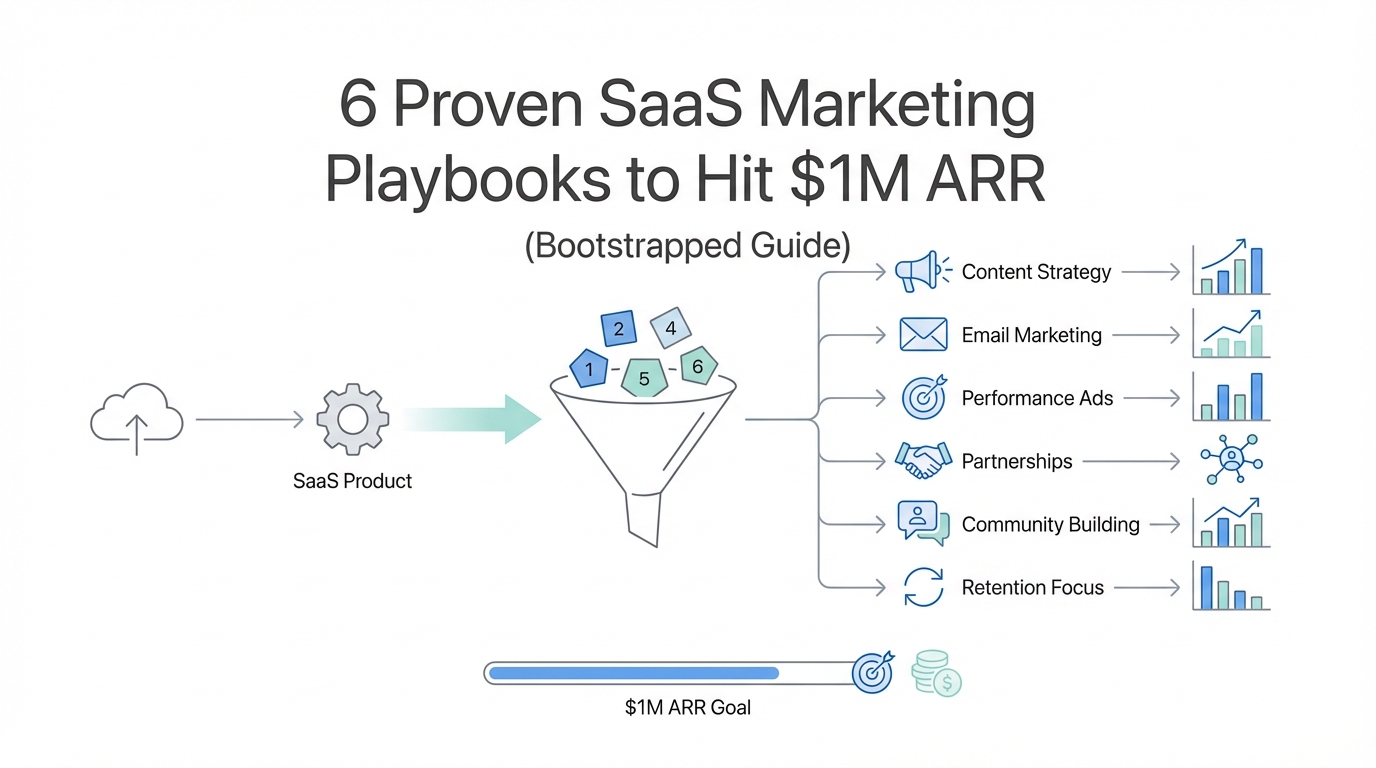
Building a SaaS in 2025 and 2026 isn't just about 'vibe-coding' a great product; it’s about mastering the distribution channels that actually move the needle for self-funded founders. While VC-backed companies burn millions on broad awareness campaigns, bootstrapped heroes like Rob Hoffman and Marc Lou are hitting $20,000 to $300,000 MRR by reverse-engineering growth. This guide breaks down the most tactical SaaS marketing playbooks used by profitable companies today to hit the elusive $1M ARR mark without a single cent of outside funding.
The Waitlist Strategy: Building Scarcity Through Edu-Sales
The first playbook, successfully deployed by Cleo to reach $61,000 MRR in just 53 days, is the high-velocity waitlist. Most founders treat a waitlist as a static landing page, but the secret lies in a three-step cycle: content to email to webinar. This strategy relies on 'edu-sales,' the art of providing massive value while subtly teasing your product as the solution.
Step 1: Create Edu-Sales Content
Instead of hard-selling, create content that teaches your audience something they desire. For example, if you are building an AI content tool like Cleo, post a guide on how to go viral on LinkedIn and mention your tool as just one of several steps. By leveraging the credibility of others or sharing 'spicy' takes, you attract attention without triggering the audience's sales filters. This creates a high-trust environment where users want to join your waitlist to get the 'edge' you're describing.
Step 2: Scarcity-Based Beta Launch
Once you have a list of 10,000+ emails, do not open the floodgates to everyone. Launch to a limited cohort (e.g., the first 500 users) and offer a lifetime discount (e.g., $59 instead of $99/mo). This artificial constraint drives immediate action. As noted in the growth of IdeaBrowser, focusing on high-quality data trends to validate these early ideas is crucial before scaling. Always ensure you do the math on AI token costs before offering lifetime deals to avoid scaling yourself into bankruptcy.
The Wave Surfer Strategy: Riding Viral Trends
The 'Wave Surfer' strategy is perfect for bootstrapped SaaS growth because it piggybacks on existing momentum rather than manufacturing it. A prime example is TrustMRR, which hit $24,000 MRR in 30 days by solving a problem that was trending in real-time on social media.
Step 1: Identify the Viral Signal
Monitor high-profile influencers in your niche. When a major figure like Peter Levels tweets about a problem—such as the prevalence of fake revenue screenshots—that is your signal. Marc Lou shipped TrustMRR within 48 hours of that viral complaint. This is 'trendjacking' at its finest.
Step 2: Build Virality into the Product
If your product is inherently shareable, like a verified revenue badge, users will market it for you. However, since viral attention often lacks high purchase intent, the monetization strategy shifts. Instead of subscriptions, lean into advertising revenue. By selling exclusive sponsorship spots to other entrepreneurs, you can monetize the massive influx of traffic that a viral tool generates.
The Language Arbitrage Strategy: Marketing on Easy Mode
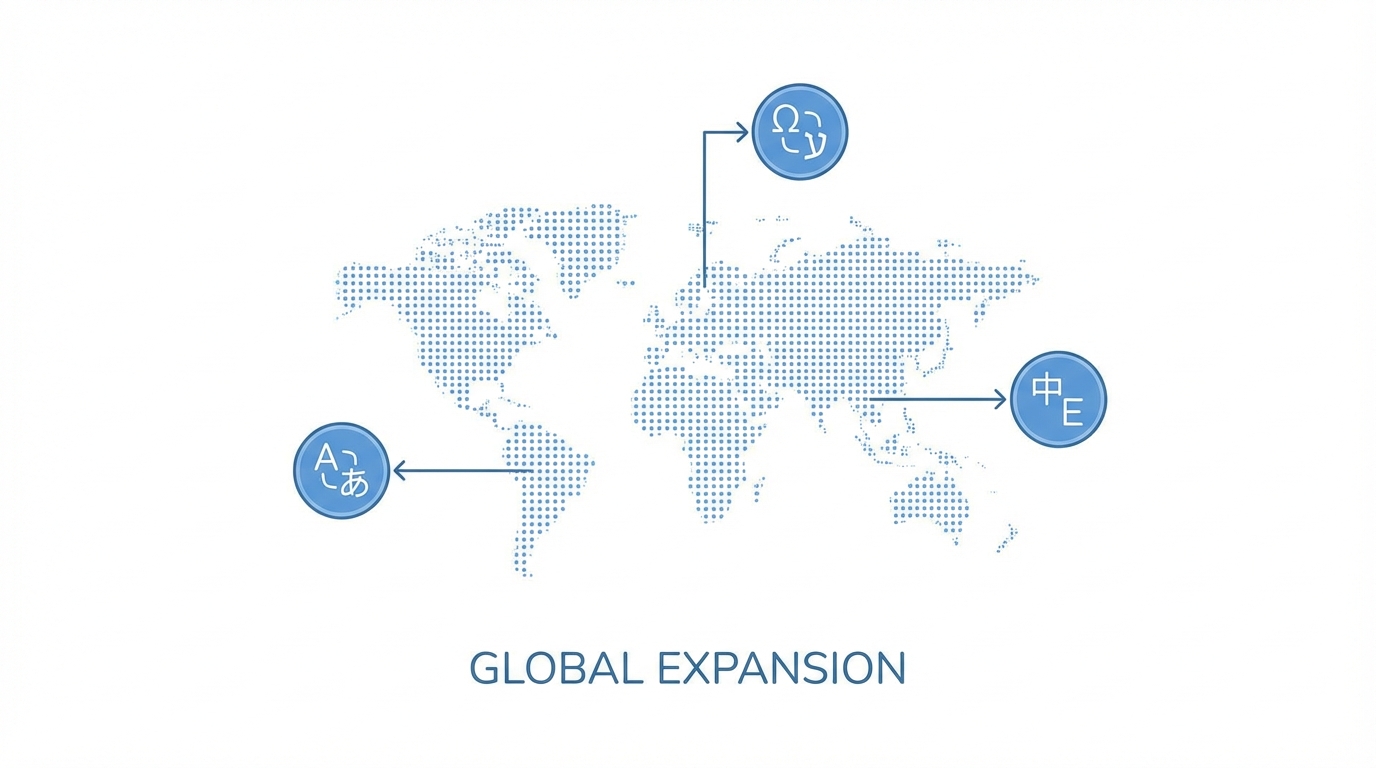
If you find the English-speaking SaaS market too competitive, the language arbitrage strategy is your unfair advantage. Companies like TeachEzy have reached $65,000 MRR simply by taking a proven American business model (like Kajabi) and making it '100% French.'
Step 1: Identify Proven Models
Look for billion-dollar SaaS categories in the US that lack a dominant player in Europe or Latin America. By localizing the software, the jokes, and the national identity (e.g., using a 'Made in France' badge), you capture a loyal audience that prefers native-language support.
Step 2: Capitalize on 'Green' SEO
SEO in languages other than English is often described as 'marketing on easy mode.' While English keywords for 'course platforms' might have a 90+ difficulty score, the equivalent terms in French or Spanish often show a 'sea of green' in tools like Semrush. This allows you to dominate search results and secure SaaS acquisition channels that would cost ten times more in the US market.
The AI Search Strategy: Dominating ChatGPT and Perplexity
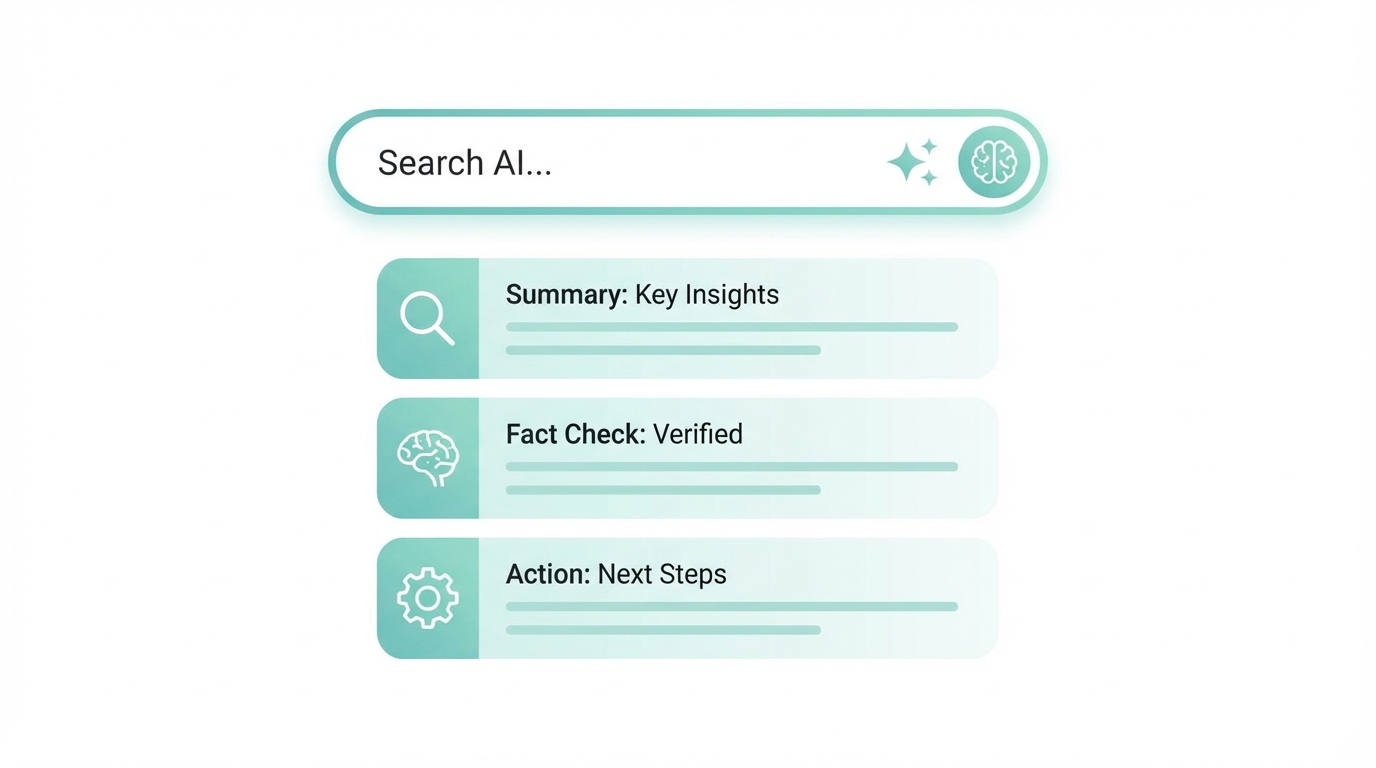
In 2025, AI search strategy is the new 'OP' (overpowered) marketing channel. Tools like Tally.so, which generates $338,000 MRR, have seen conversion rates from AI search engines that are 17x higher than traditional Google search traffic.
Step 1: Invest in 'Bottom-of-Funnel' Pages
AI models like ChatGPT and Perplexity prioritize highly comprehensive, structured data. To rank, you must build alternatives pages (e.g., 'Tally vs. Typeform') and 'versus' articles. These pages serve as the primary citations for AI agents when users ask, 'What is the best free form builder?'
Step 2: Optimize for Curated Recommendations
Because AI search provides 3-4 curated answers instead of 1,000 blue links, being in that top list is vital. Research shows that Stormy AI and similar discovery engines are becoming the primary way users find new software, making it essential to have your brand mentioned across high-authority blogs and comparison sites that these AI models crawl.
The Signal Search Strategy: Faceless Accounts and Loom Videos
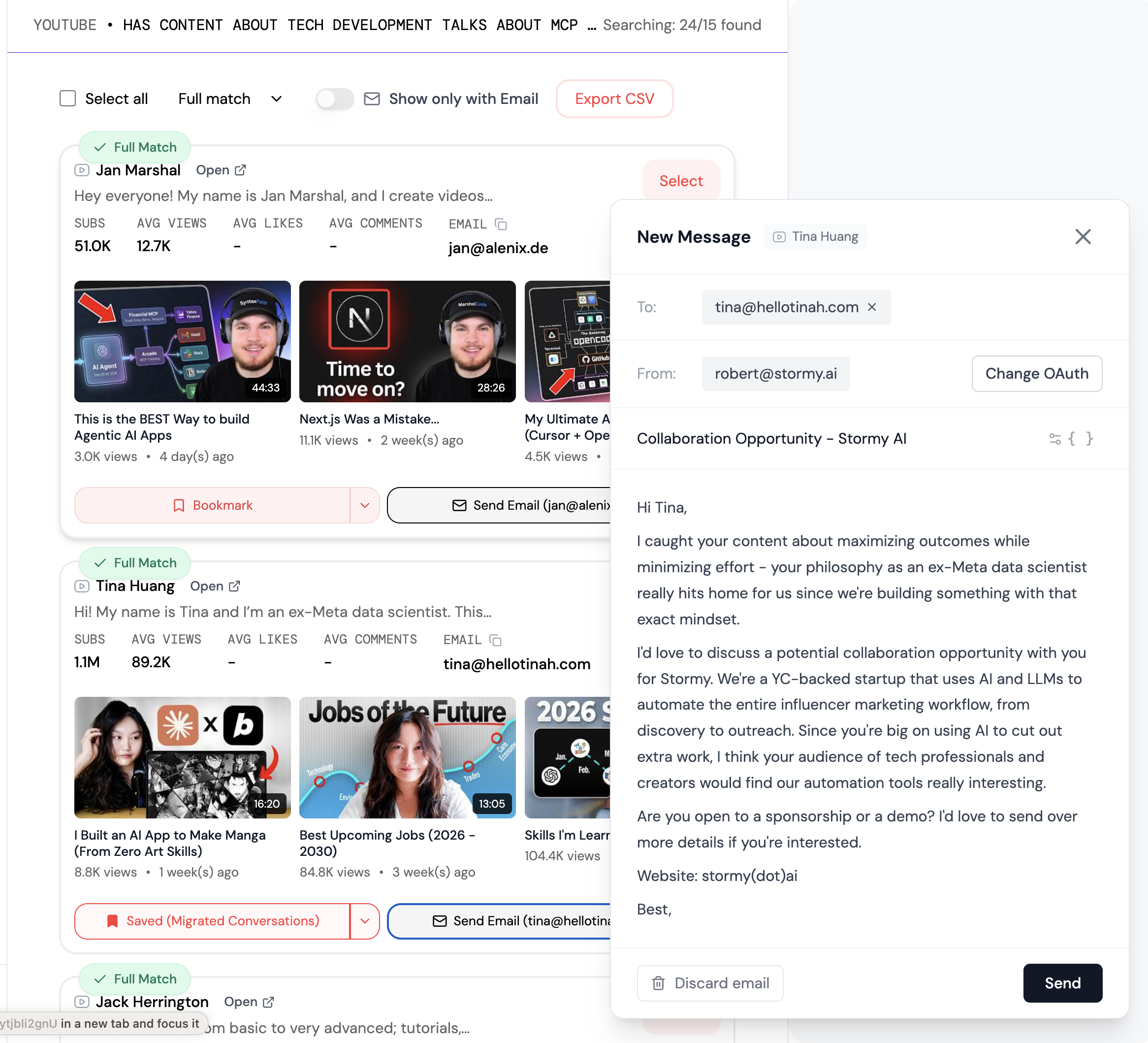
The Signal Search Strategy, used by LocalRank to hit $47,000 MRR, focuses on testing individual features via 'faceless' social media accounts and unpolished video content. This is a software marketing strategy for those who want to avoid the 'personal brand' trap.
Step 1: The 'Loom Video' Distribution
You don't need a high-production studio. A simple Loom video shared on YouTube can drive 80% of your sales even with a fraction of the views compared to viral X posts. YouTube builds deeper trust; a user watching a 10-minute demo is far more likely to convert than someone scrolling past a meme. When you need to scale this outreach or find UGC creators to make these videos for you, using Stormy AI can help you discover and manage creator relationships at scale.
Step 2: Introduce Enterprise Tiers
One of the fastest ways to 4x your revenue is to introduce an Enterprise plan. LocalRank jumped from $5k to $20k MRR by simply adding a $400/mo 'Scale' plan. There is always a subset of your audience with significantly more budget than the average user—failing to offer a high-ticket tier is leaving money on the table.
The High-Ticket Ad Strategy: Profitability Through VSLs
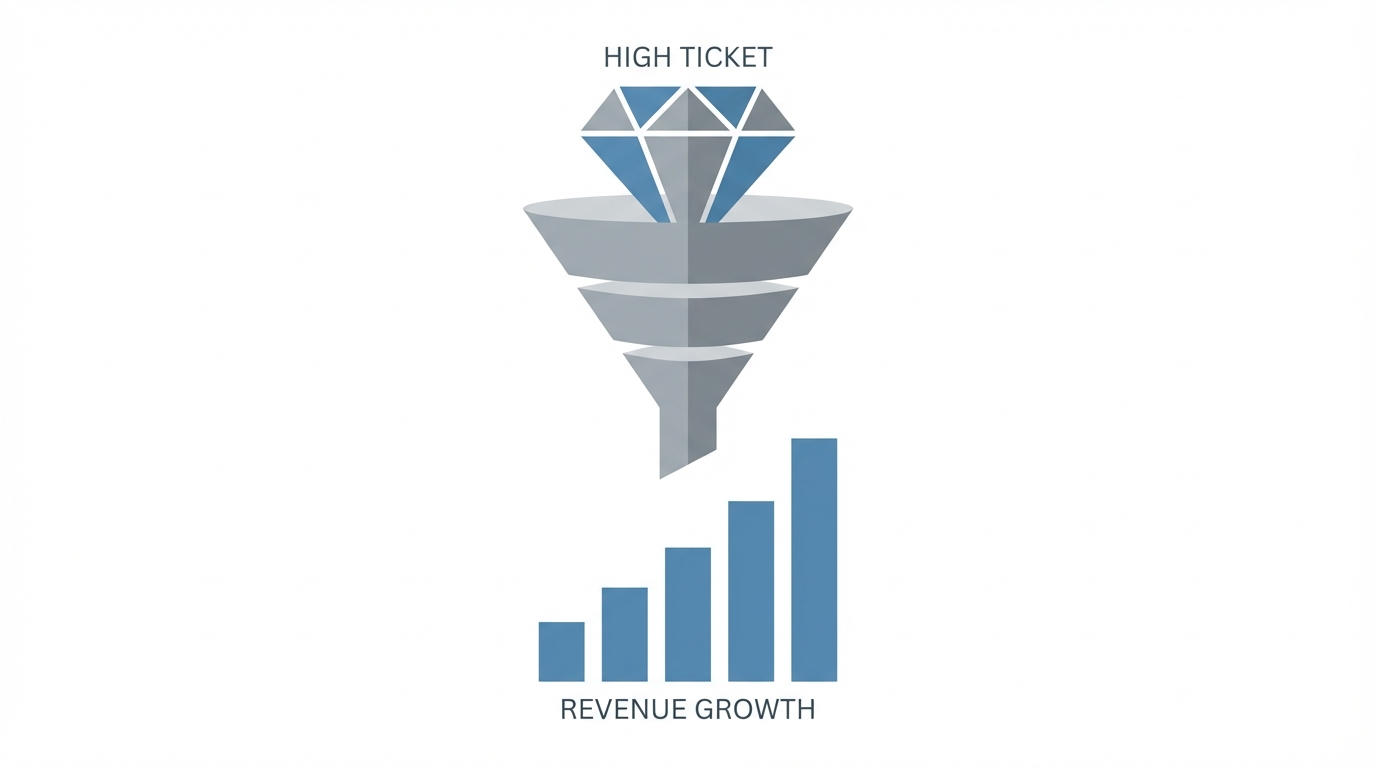
Finally, the high-ticket ad strategy used by MailScale ($100,000 MRR) proves that paid acquisition can work for bootstrapped companies, but only under specific conditions.
Step 1: The $1,000 Rule
Paid ads on platforms like Meta Ads or LinkedIn rarely work for $50/mo SaaS products. The cost to acquire a customer (CAC) will often exceed the initial revenue. To run ads profitably from day one, you need an enterprise offer or a high-ticket package ($1,000+). This provides the margin necessary to spend $300-$500 to acquire a single lead.
Step 2: The Video Sales Letter (VSL)
Instead of sending cold traffic to a signup page, send them to a VSL (Video Sales Letter). A VSL acts as a 24/7 salesperson, pre-selling the prospect on your value proposition using the AIDA (Attention, Interest, Desire, Action) framework. While some founders find 'spammy' landing pages distasteful, data consistently shows that high-intensity VSLs on simple pages often drive the highest conversion rates for B2B SaaS.
Conclusion: Choosing Your SaaS Acquisition Channel
Growth for a bootstrapped SaaS in 2026 isn't about doing everything; it's about choosing the playbook that aligns with your strengths. Whether you are riding viral waves with TrustMRR, dominating AI search with Tally, or running high-ticket ads with MailScale, the key is speed of execution. Start by building a waitlist, iterate with your first 500 users, and never be afraid to charge what your product is actually worth. By mastering these SaaS marketing playbooks, hitting $1M ARR is no longer a matter of luck, but a matter of following a proven mathematical framework.