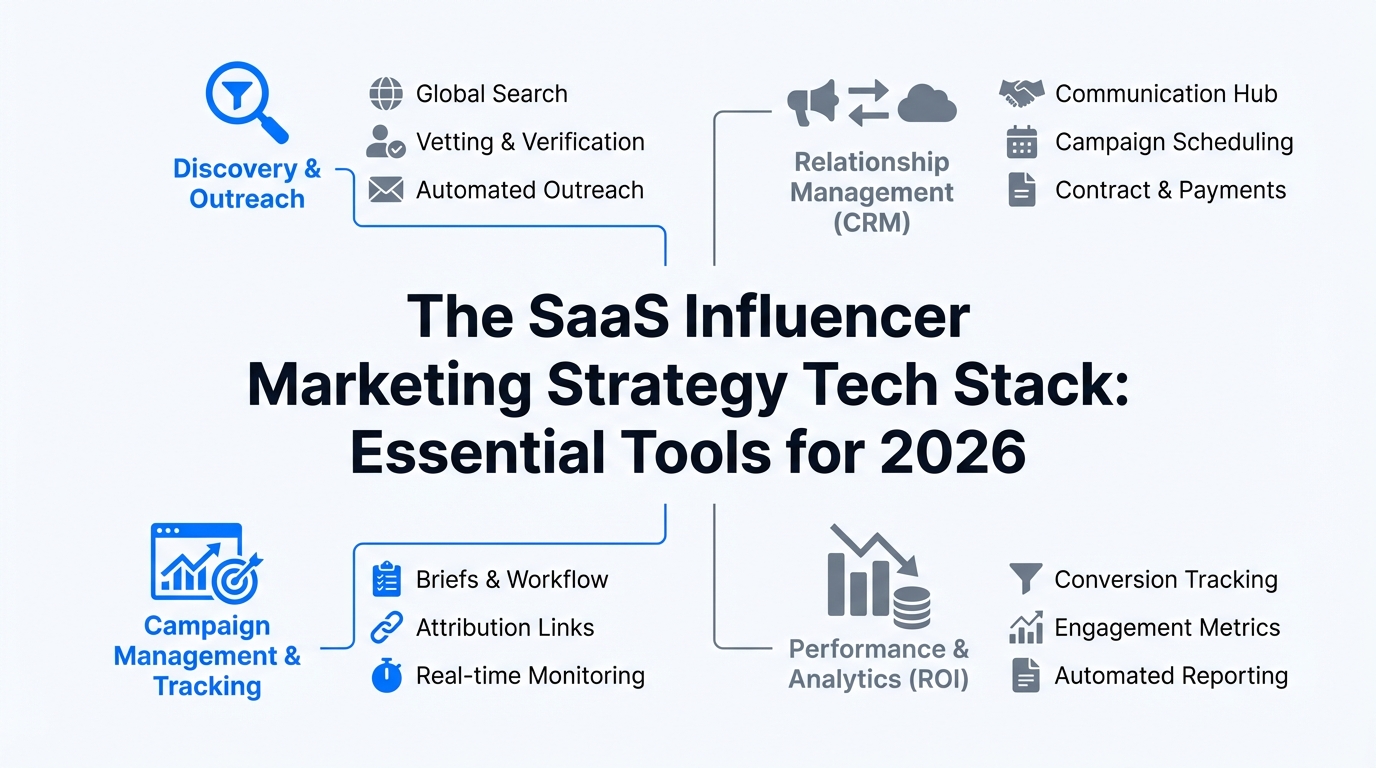
In the rapidly evolving landscape of B2B growth, the traditional sales funnel is being rewritten. By 2026, the reliance on cold outreach and generic display ads has dwindled, replaced by a sophisticated ecosystem of peer-to-peer recommendation and technical authority. For SaaS companies, the challenge is no longer just finding a SaaS influencer marketing strategy that works, but building the underlying software infrastructure to manage, scale, and track these partnerships at an enterprise level. As buyers increasingly retreat into private communities like Discord or Slack and look to industry experts for guidance, your tech stack becomes the differentiator between a high-ROI engine and a black hole of marketing spend.
The 2026 SaaS Market Landscape: By the Numbers
To understand the necessity of a robust B2B marketing tech stack, one must look at the sheer scale of the industry's shift. According to research from Grand View Research, the global influencer marketing platform market is projected to reach $34.1 billion by 2026. This isn't just a consumer trend; the B2B sector is catching up fast. Currently, 86% of U.S. marketers plan to integrate influencer marketing into their core media strategy by the end of 2026, as noted by Backlinko.
The driver behind this adoption is a widening "trust gap." Data from Forrester indicates that 75% of B2B buyers trust brands more when they are affiliated with industry experts or recognized influencers rather than traditional corporate marketing. For SaaS brands, the financial incentive is clear: specialized B2B campaigns often hit an ROI of $5.20+ for every dollar spent when attribution is correctly handled, according to Influencer Marketing Hub.
Discovery and Vetting: The First Pillar of the Stack
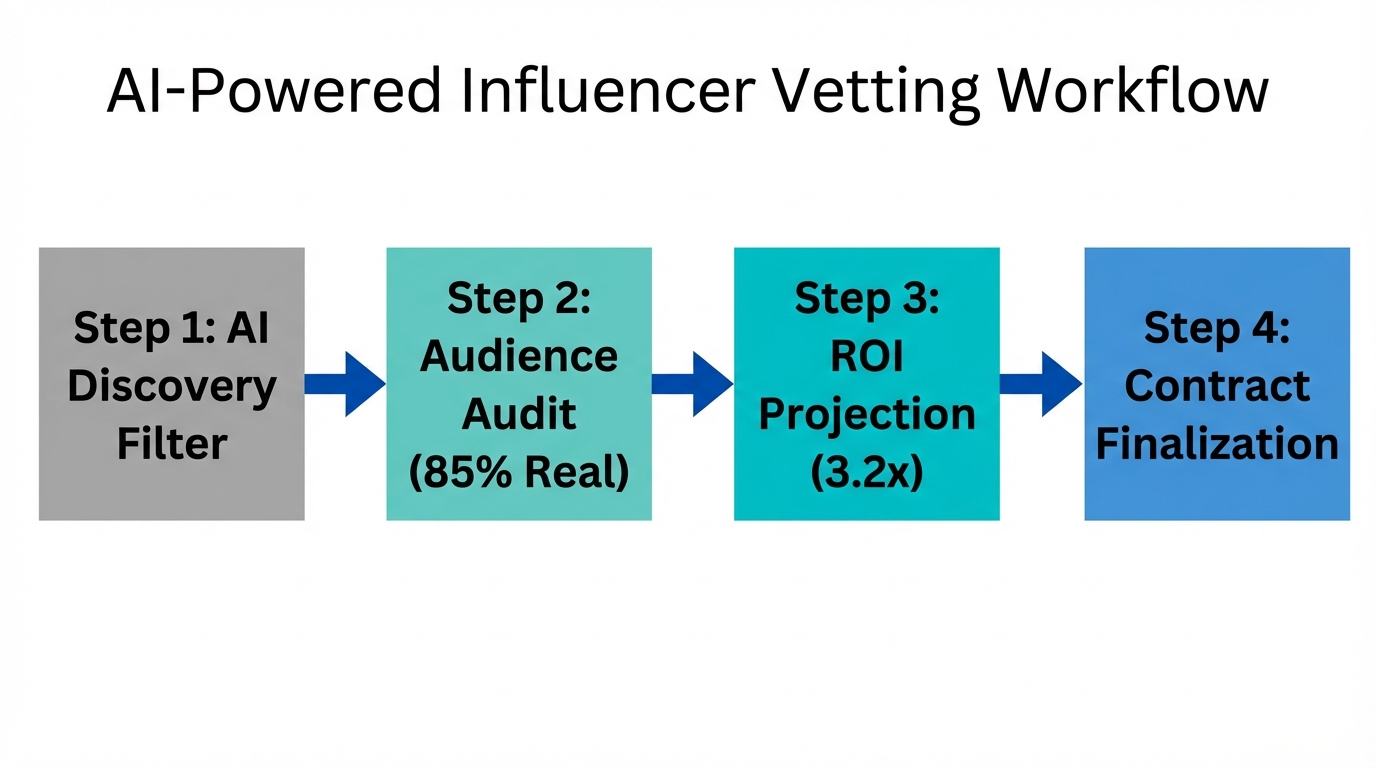
Finding the right creator in 2026 requires more than a simple keyword search. The market has bifurcated into platform-specific specialists and horizontal AI discovery engines. For LinkedIn-specific B2B thought leaders, tools like Favikon have become essential for identifying creators who hold actual sway in the professional sphere. However, for a holistic SaaS growth tool set, you need to look across the entire social graph.
While some legacy database-driven platforms allow for basic filtering, modern enterprise teams are moving toward AI-powered creator discovery platforms that can screen for "synthetic followers" and bot-inflated engagement. This vetting process is critical in 2026 because technical credibility is more important than reach. A niche developer with 2,000 followers on a platform like GitHub or X (formerly Twitter) is often 10x more valuable for a DevOps SaaS than a lifestyle influencer with a million followers.
"In 2026, the brands that win will be those that stop acting like corporations and start acting like members of the community. Reach is secondary to technical credibility." — Jason Lemkin, Founder of SaaStr.
Streamlining Relationship Management: The New SaaS CRM
Once you’ve identified your partners, the challenge shifts to management. The "one-off" sponsored post is effectively dead in the B2B world. Leading SaaS brands now sign 6–12 month "Ambassador" contracts to align with the typical 3–9 month B2B buying cycle. Managing these long-term relationships requires specialized influencer management software.
For smaller teams or those focused heavily on newsletter sponsorships, Passionfroot has emerged as a streamlined standard. However, enterprise-grade programs require a more robust CRM that can handle deep audience demographics and automated follow-ups. Platforms like Stormy AI streamline creator sourcing and outreach by providing an integrated Creator CRM that tracks every interaction, negotiation, and payment in one place, ensuring that your marketing and sales teams are never operating in silos.
Automating Payments and Compliance: Managing Hybrid Structures
In 2026, payment structures for SaaS influencers have become increasingly complex. The industry has moved toward a hybrid model: a flat fee for content creation plus a performance-based commission for successful trials or demos. Managing this manually is a recipe for disaster.
Robust platforms like impact.com are often used for managing these hybrid payments. They allow SaaS brands to automate compliance, track global tax requirements, and ensure that creators are paid accurately based on real-time conversion data. While effective for affiliate tracking, modern teams often prefer AI-native platforms to handle the initial relationship vetting before scaling through these legacy financial systems.
| Feature | Newsletter Focus | Enterprise Ambassador Focus | AI-Led Discovery |
|---|---|---|---|
| Tool Category | Passionfroot | Impact / CRM | Stormy AI |
| Primary Use | Sponsorships | Payments & Scaling | Discovery & Vetting |
| Best For | Emerging SaaS | Established SaaS | High-Growth Teams |
The Importance of 'Dark Social' Tracking
One of the biggest mistakes SaaS marketers make is chasing follower counts while ignoring Dark Social. In 2026, a significant portion of SaaS referrals happens in private Slack channels, Discord communities, and encrypted DMs. This traffic is "invisible" to standard analytics tools.
To capture this, your SaaS influencer marketing strategy must include:
- Personalized Landing Pages: Give every top-tier influencer a unique URL on your domain using builders like Framer or Webflow.
- Unique Discount Codes: Even if your SaaS doesn't usually offer discounts, use "vanity codes" to track which creator drove the initial interest via Stripe-integrated promotions.
- Post-Purchase Attribution: Use "How did you hear about us?" surveys during the onboarding process to catch the influence that pixel tracking misses.
Integrating Your Influencer Stack with Your CRM
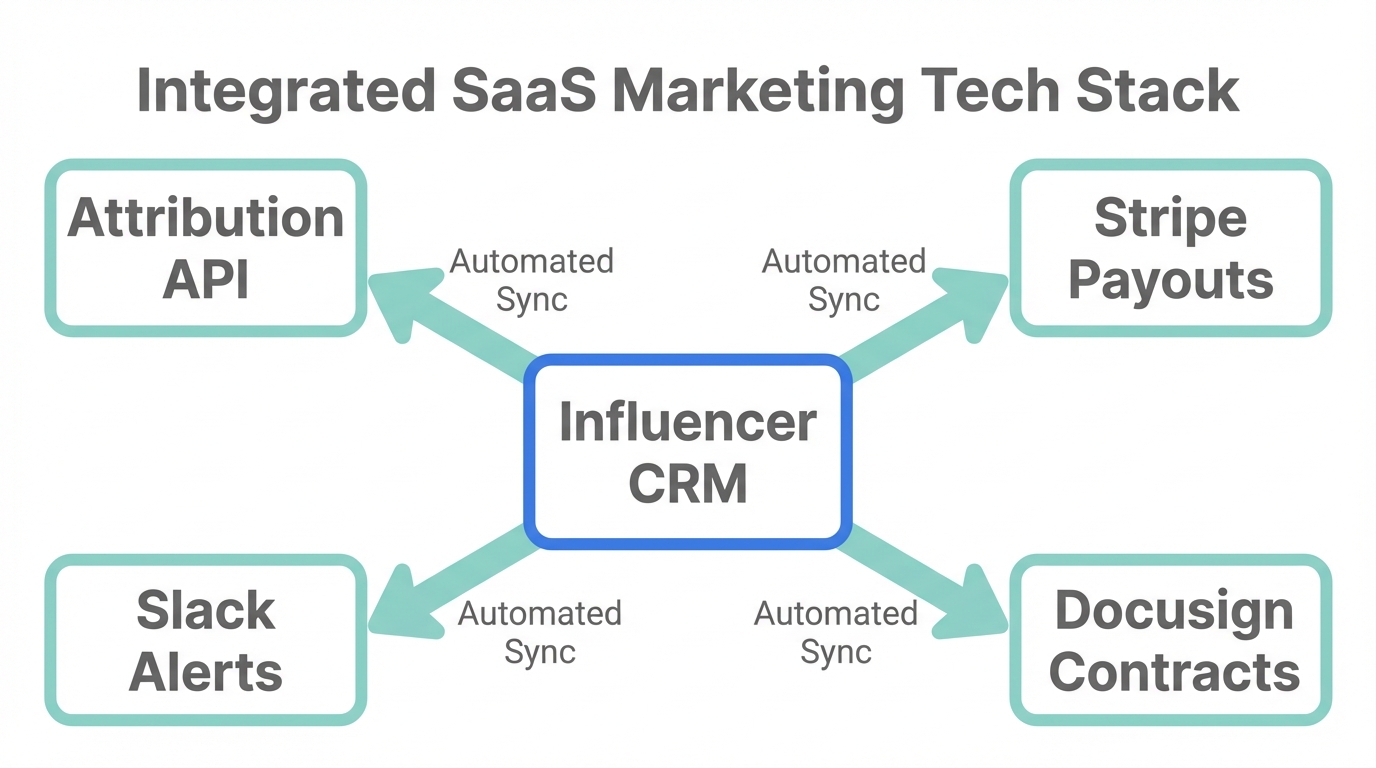
The final piece of the 2026 puzzle is integration. Your influencer efforts should not live in a vacuum. By integrating your influencer marketing platforms with your general sales CRM—such as HubSpot or Pipedrive—you can track Assisted Conversions. This allows you to see if a high-value lead engaged with a creator's content four months before finally booking a demo.
Platforms like Stormy AI simplify this by allowing you to source and manage UGC creators at scale while providing the data necessary to feed into your broader growth stack. When your sales team can see that a prospect has been consuming a specific influencer’s tutorials, it changes the entire dynamic of the sales call.
"CMOs who use AI to automate the data but focus the human element on creator relationships will outperform those who treat influencers as static billboards." — David Teicher, CEO of Qru Media.
The 2026 SaaS Influencer Playbook
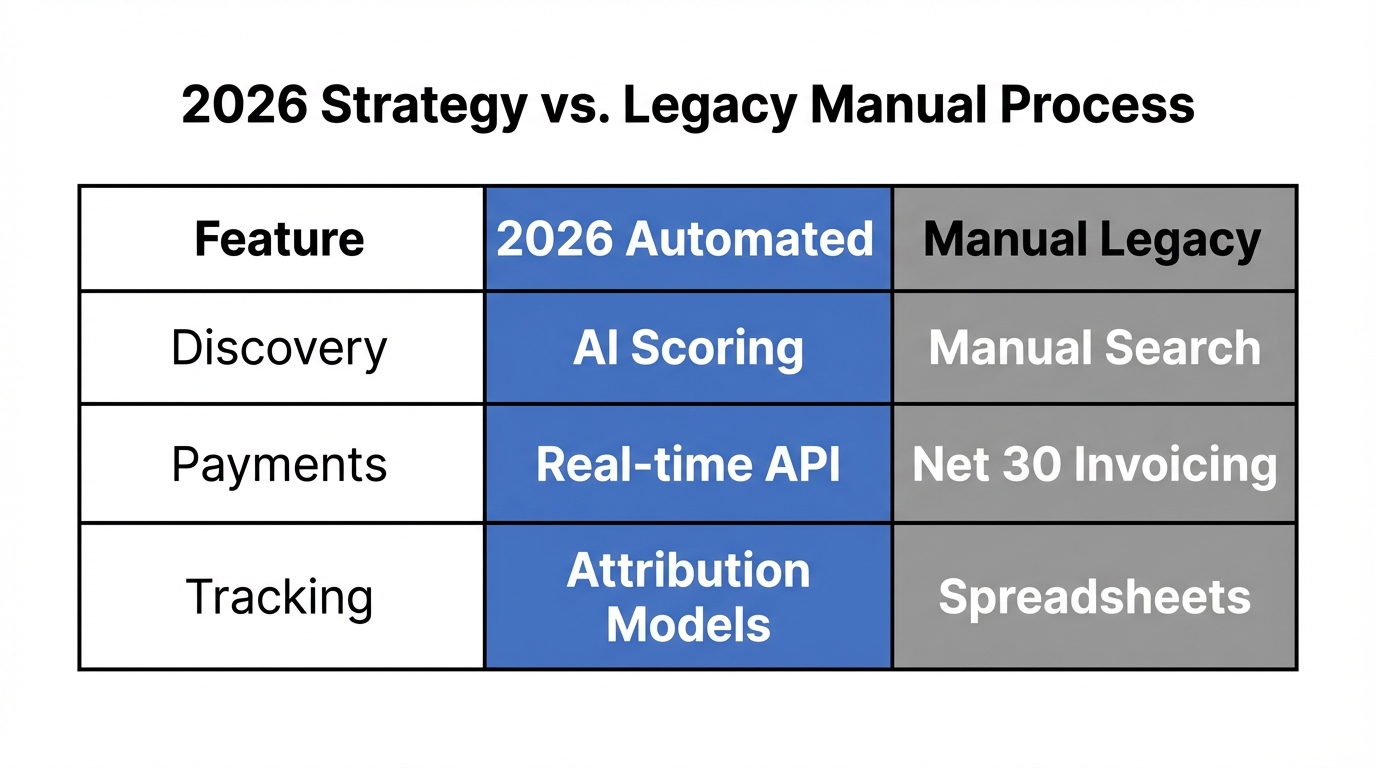
- Step 1: Identify the Micro-Tool Entry Point. Instead of a hard sell, have influencers share a "free micro-tool" (like a calculator or template) to drive high-intent traffic.
- Step 2: Vet for Technical Credibility. Use AI-powered tools to ensure the influencer’s audience matches your ICP (Ideal Customer Profile).
- Step 3: Establish Always-On Partnerships. Move away from campaigns and toward long-term ambassador contracts managed in a centralized CRM.
- Step 4: Scale with Paid Amplification. Use whitelisting to push high-performing creator content to a wider, yet targeted, audience.
- Step 5: Track Assisted Conversions. Look beyond the first click to see how social proof influences the long B2B sales cycle via Google Analytics 4.
Conclusion: Building for Authenticity
The SaaS influencer marketing strategy of 2026 is built on a foundation of authenticity and infrastructure. As we move away from polished corporate webinars toward "lo-fi" screencasts and raw, product-led education, the tools you choose to support these creators will define your success. By investing in a B2B marketing tech stack that prioritizes technical credibility over vanity metrics, you can bridge the trust gap and build a sustainable growth engine. Whether you are using Stormy AI to discover and vet creators or using complex attribution models to track Dark Social, the goal remains the same: stop acting like a corporation and start acting like a trusted member of the community.