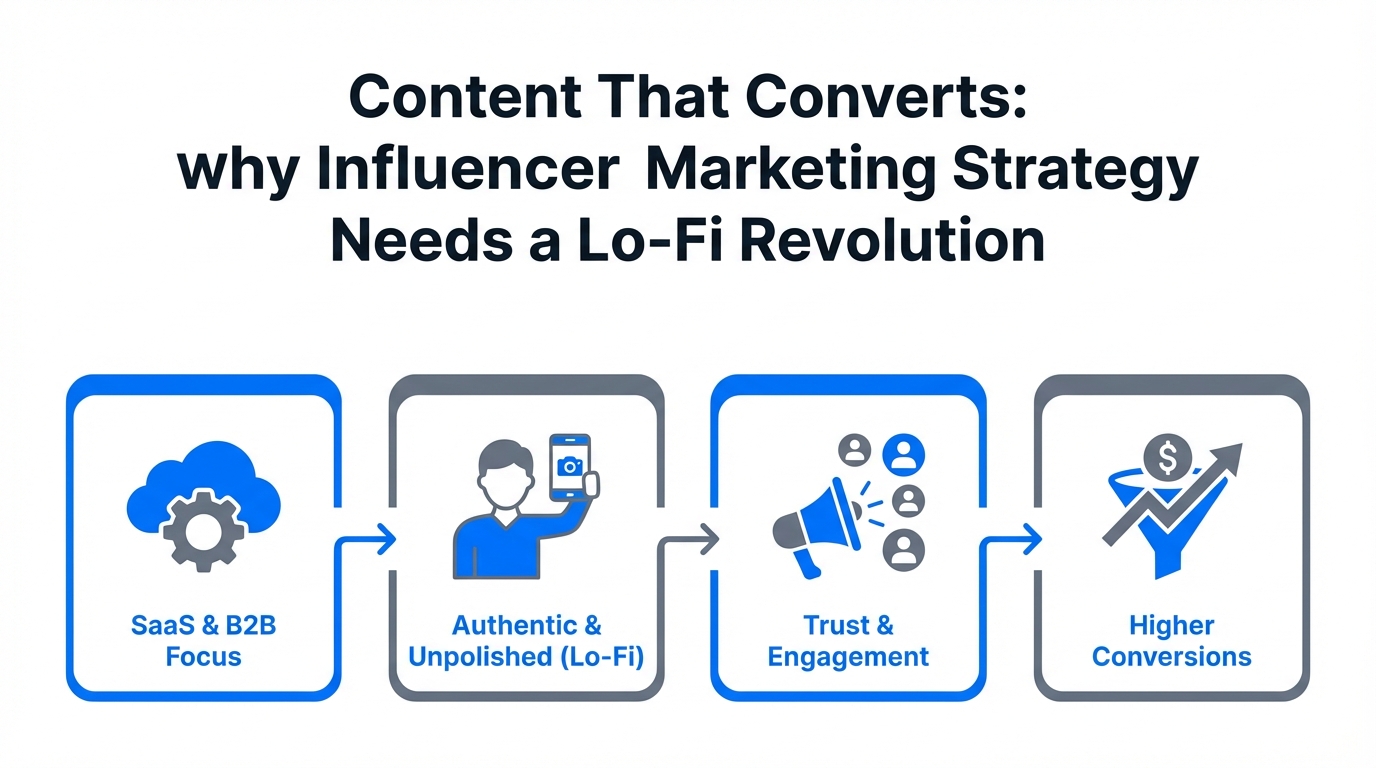
The era of the $50,000 corporate brand video is effectively over. For B2B SaaS companies, the shift toward a modern SaaS influencer marketing strategy has moved away from the boardroom and into the home office. Today’s buyers aren't looking for a polished commercial; they are looking for a raw, honest look at how a tool actually solves a problem in a real-world workflow. In an age where 75% of B2B buyers trust industry experts more than traditional brand outreach, according to Forrester, the secret to high-converting content lies in the "lo-fi revolution."
The Death of the Scripted Commercial: Why Raw Content Wins
As we head toward 2026, the global influencer marketing platform market is projected to reach $34.1 billion, as reported by Grand View Research. This massive growth isn't being driven by high-production studios, but by creators filming raw screencasts and "day-in-the-life" workflows. For SaaS brands, this means moving away from scripted ads and toward product-led education.
Why does this work? Because authenticity lowers the barrier to trust. When a recognizable expert shares their screen, fumbles slightly with a menu, and then shows a breakthrough automation, it feels like a recommendation from a peer rather than a sales pitch. This approach directly addresses the B2B trust gap, helping brands achieve the average $5.20+ ROI often seen in specialized B2B influencer campaigns cited by the Influencer Marketing Hub.
"In 2026, the brands that win will be those that stop acting like corporations and start acting like members of the community. Reach is secondary to technical credibility."
Creative Guardrails vs. Scripts: The New Influence Framework
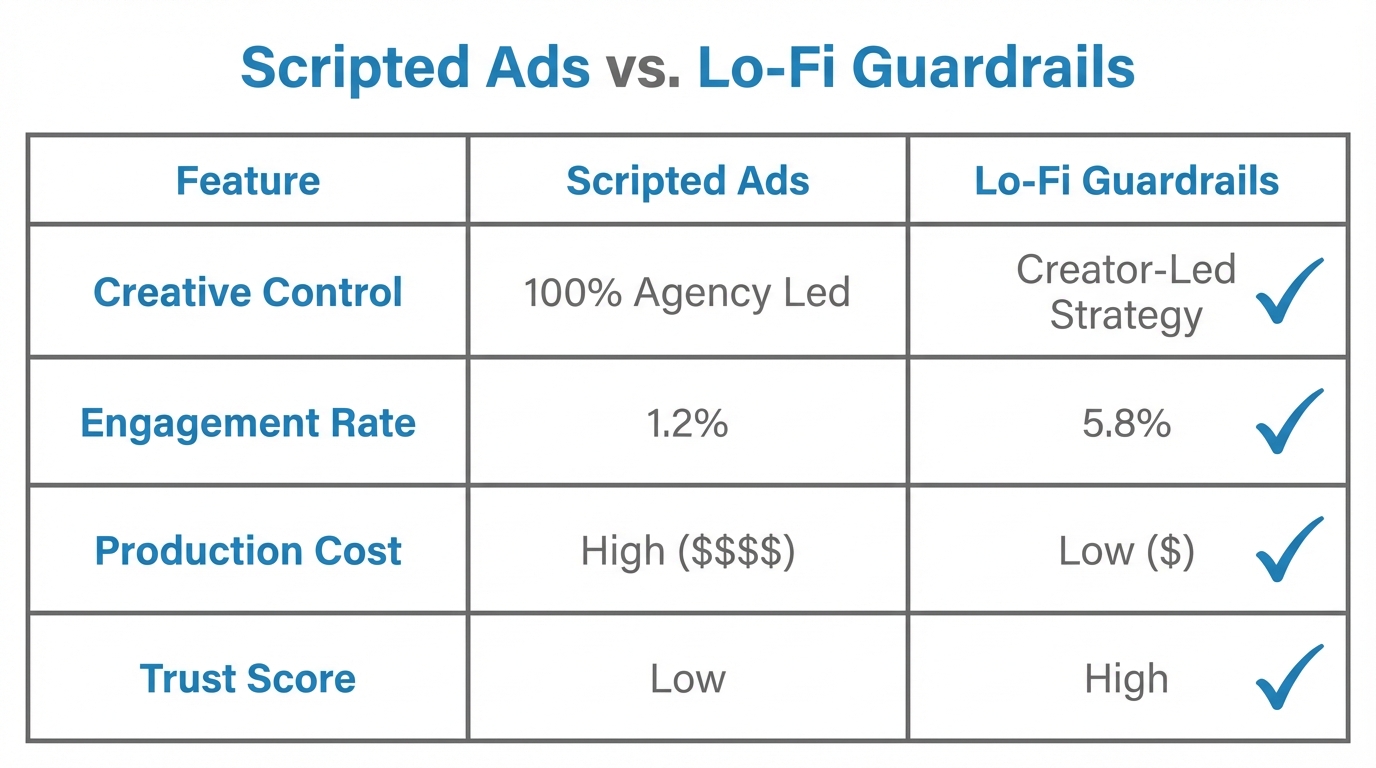
One of the biggest mistakes in an influencer content strategy is over-scripting the creator. In 2026, audiences have developed sophisticated "BS detectors." If a video feels like a script written by a legal department, viewers will scroll past. Instead of rigid scripts, successful SaaS brands provide creative guardrails.
- Define the Problem: Tell the creator the exact pain point their audience faces.
- Identify the Solution: Show the 2-3 specific features that solve that pain.
- Give Creative License: Allow the creator to use their own voice, slang, and editing style.
By giving creators freedom, the content remains native to the platform. Whether it’s a quick tip on TikTok Ads Manager or a deep dive on LinkedIn, the goal is to make the software look like a natural part of a high-performer's toolkit. Leading brands are also shifting toward "always-on" ambassador programs, signing 6-12 month contracts to ensure the product becomes a recurring character in the creator’s narrative.
| Feature | Old School SaaS Ads | 2026 Lo-Fi Strategy |
|---|---|---|
| Production | High-budget, studio-lit | Raw, home-office, screencasts |
| Messaging | Corporate script | Personal stories & workflows |
| Relationship | One-off sponsored post | 6-12 month Ambassador roles |
| Primary Metric | Impressions / Reach | Assisted Conversions / Trust |
The 'Wall of Love' and Community-Led Growth
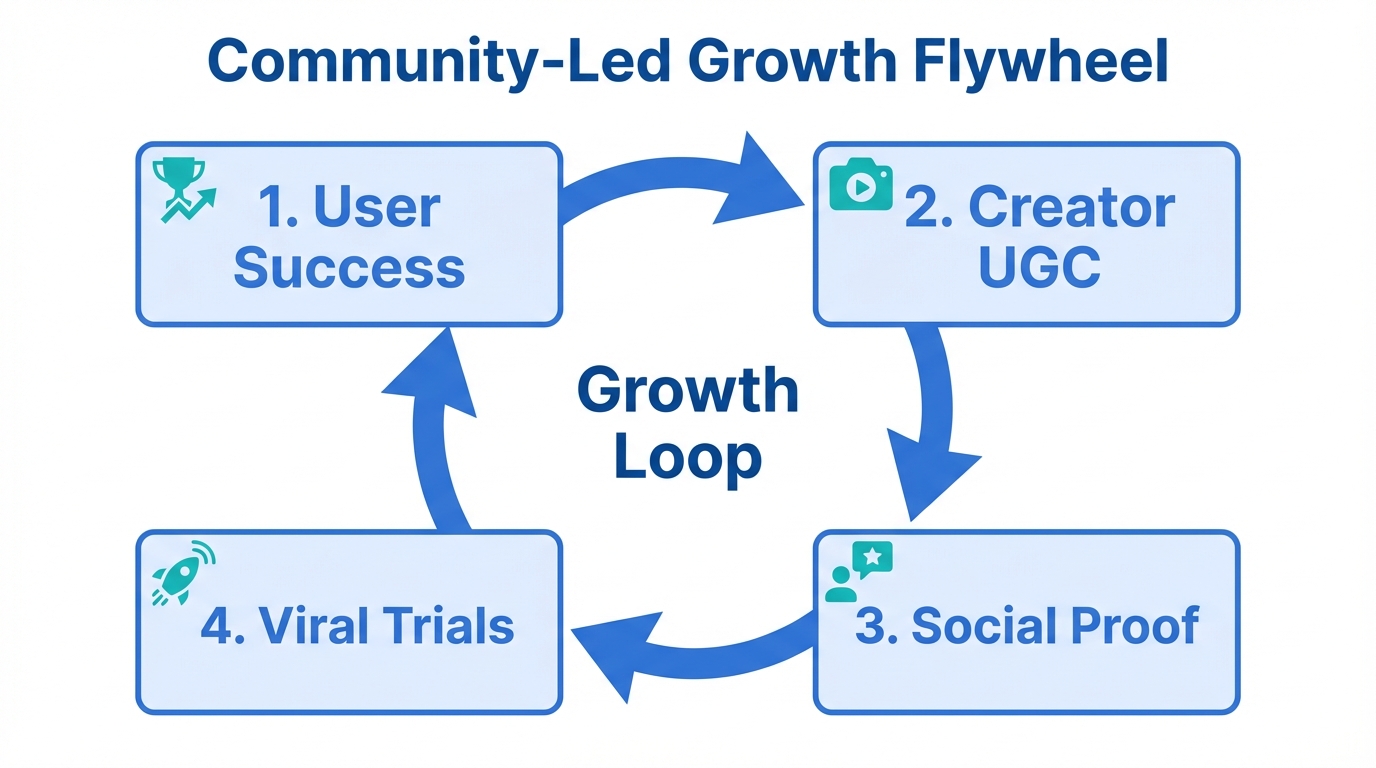
Software is no longer just bought; it is joined. Community-led growth is about incentivizing your most passionate users—often micro-influencers—to share their real-world "hacks" in private spaces like Slack, Discord, or niche newsletters. This creates what marketers call a "Wall of Love," where organic social proof becomes your strongest sales tool.
Slack famously used this strategy to humanize their enterprise software, encouraging users to share custom integrations and productivity tips. For modern SaaS, this often happens on "Dark Social"—the invisible traffic from private messages and groups. To track this, brands use unique influencer discount codes or personalized landing pages. Tools like Stormy AI can help source and manage these UGC creators at scale, ensuring you find the niche experts who actually hold sway in specialized communities.
"CMOs who use AI to automate the data but focus the human element on creator relationships will outperform those who treat influencers as static billboards."
Integrating B2B Social Commerce: The 1-Click Trial
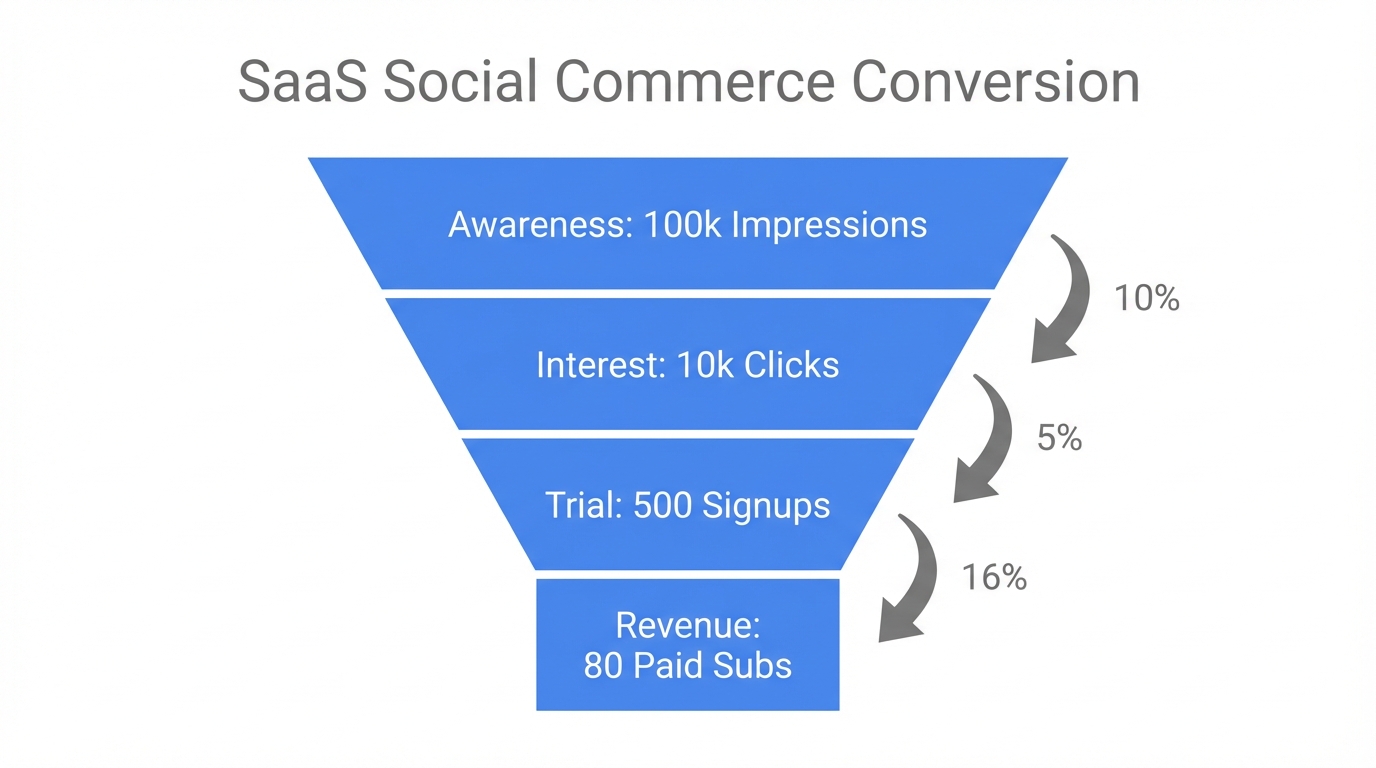
The friction between seeing a product on social media and signing up for a trial is the ultimate conversion killer. In 2026, B2B social commerce is bridging this gap. Platforms like YouTube and LinkedIn now offer native shopping and lead generation features that allow for 1-click trial signups directly within the video description.
Instead of sending a user to a generic homepage, influencers can distribute a "micro-tool"—such as a free ROI calculator or a project template—that requires a simple signup to access. This provides immediate value and captures high-intent leads without the friction of a full product demo. When combined with influencer whitelisting—where the brand runs ads through the creator's handle using Meta Ads Manager—the reach of these 1-click trials can be scaled surgically to specific professional demographics.
Scaling Like the Giants: Lessons from Monday.com and Notion
How do the biggest SaaS brands maintain a personal feel at a massive scale? Monday.com achieved a reach of over 17.9 million by moving away from generic ads toward expert-led, value-heavy content. They leaned heavily into whitelisting, taking the best-performing organic videos from creators and boosting them as paid social ads to hit specific KPIs.
Similarly, Notion built a global ambassador program where power users—productivity YouTubers and Notion consultants—create and sell templates. This created a self-sustaining loop where the creators are financially incentivized to keep the brand top-of-mind for their audience. To emulate this, you need a robust tech stack to handle the complexity of attribution. Connecting influencer touchpoints to CRM deals requires advanced tools like Dreamdata or HockeyStack for deep pipeline analysis.
The Path Forward: Investing in Authenticity
A successful product-led growth content strategy is no longer about how many eyes you can get on a banner; it's about whose hands your software is in. To win in the 2026 SaaS landscape, marketers must embrace the lo-fi revolution, prioritize long-term ambassador relationships over one-off posts, and leverage AI to track the "long funnel" of B2B decision-making.
Start by identifying 5-10 micro-influencers who already use your product—or a competitor's—and offer them the freedom to show their audience how they actually work. The goal is to move from being a vendor to being a recommendation. By focusing on technical credibility and raw value, your SaaS brand can build a moat of trust that traditional advertising simply cannot replicate.