In 2026, the landscape of software growth has reached a critical tipping point. Traditional paid acquisition channels that once fueled the SaaS boom have seen customer acquisition costs (CAC) soar to unsustainable heights, forcing growth leads to look elsewhere for scalable efficiency. Enter the new era of SaaS influencer marketing strategy. What was once dismissed as a B2C trend has matured into a core strategic pillar, with the global influencer marketing industry projected to exceed $40 billion by the end of 2026. For B2B brands, this isn't about viral dances; it is about programmatic authority, technical trust, and the decentralization of brand voice.
The Economics of SaaS Influence: Why the $5.78 ROI Matters
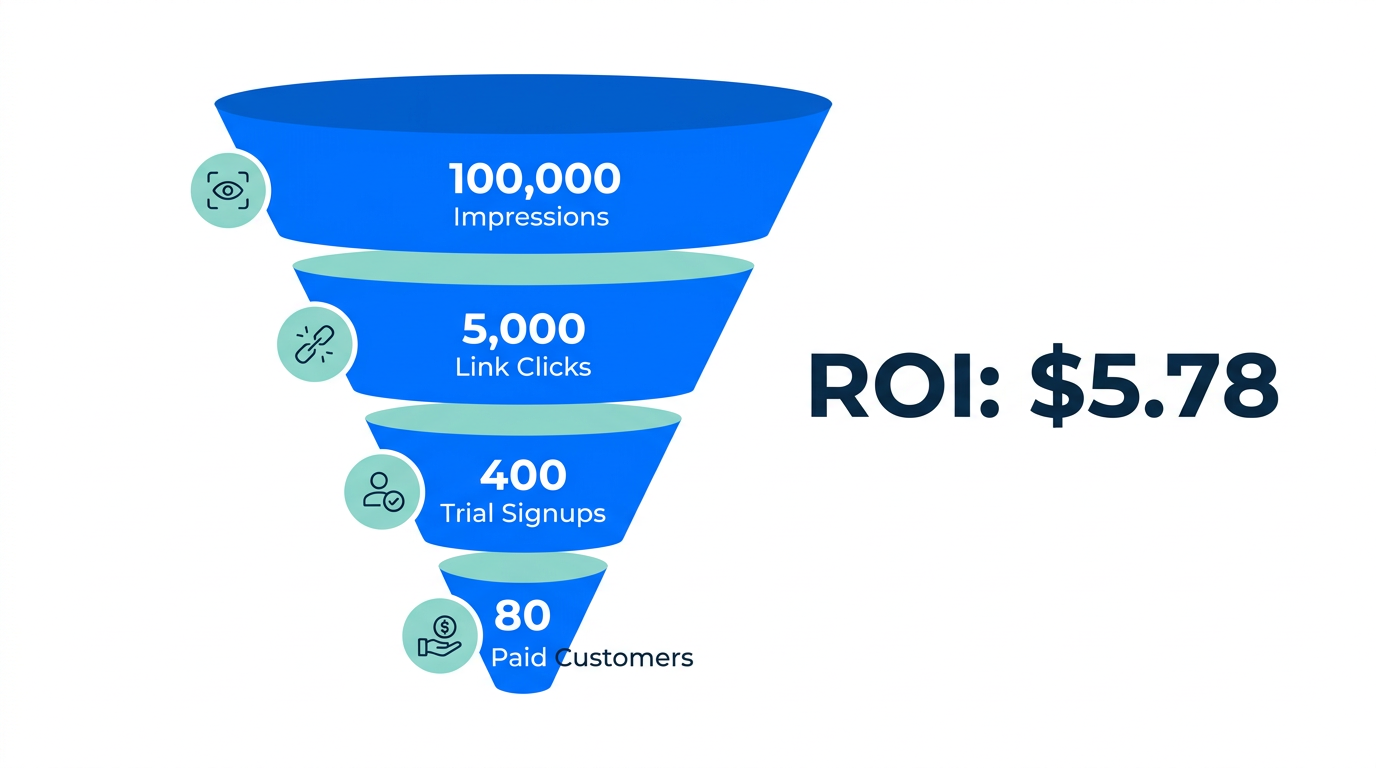
The primary driver behind the mass adoption of influencer marketing in the SaaS sector is the undeniable return on investment. Recent benchmarks from Influencer Marketing Hub reveal that SaaS brands are earning an average of $5.78 for every $1 invested in influencer partnerships. This efficiency is why 86% of marketers now integrate creators into their annual plans, with B2B budgets growing by a staggering 34% year-over-year. When compared to the diminishing returns of traditional Google Ads or Meta Ads, the case for influence becomes a mathematical certainty.
"In 2026, influence is no longer an experiment; it is the most capital-efficient engine for B2B trust-building and lead generation."From Reach to Relevance: The Rise of the Subject Matter Expert
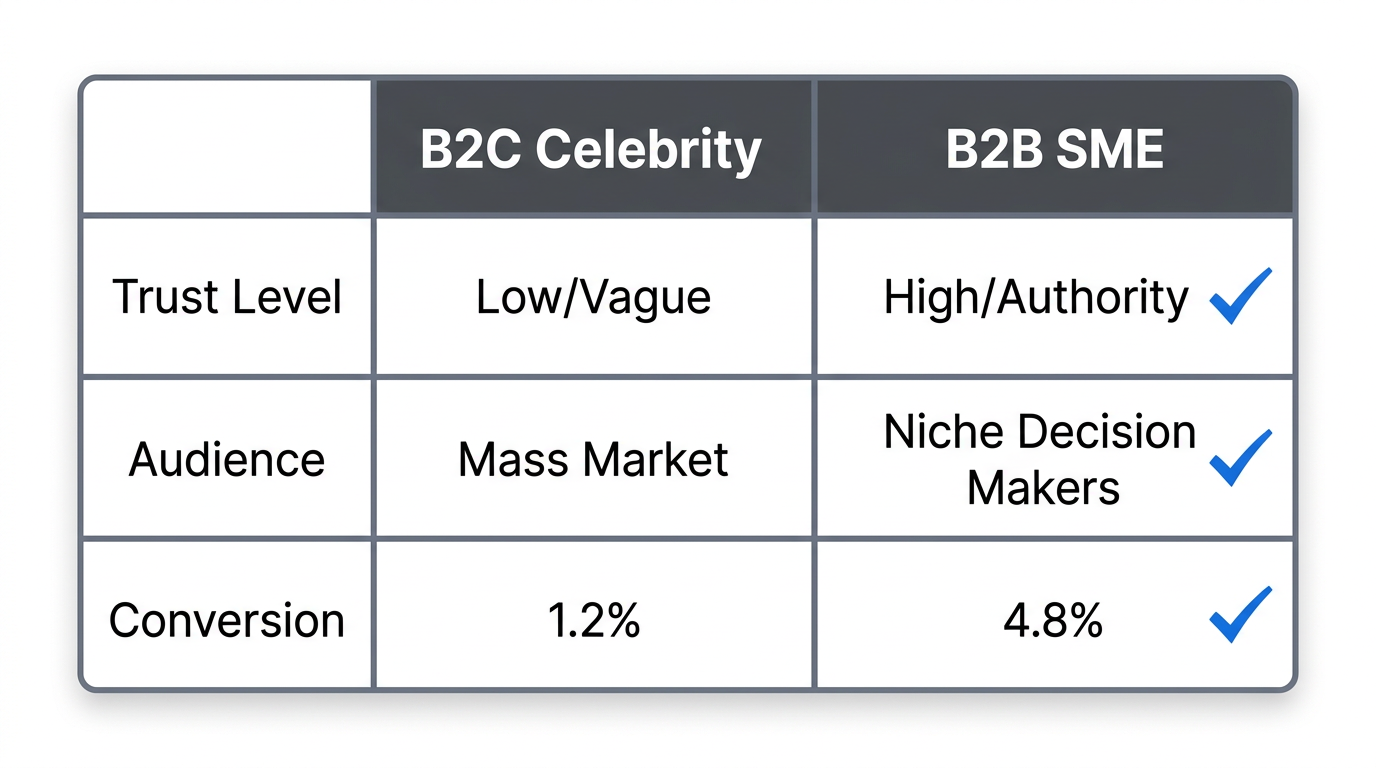
The 2026 SaaS influencer marketing strategy has moved away from the "mega-influencer" model. Reach is a vanity metric; relevance is the only currency that converts. Today’s B2B buyers are highly skeptical of corporate messaging, with 87% of buyers trusting peer recommendations and industry experts over branded content. This shift has placed micro-influencers (those with 10k–100k followers) at the center of the ecosystem. These creators deliver higher engagement rates than celebrities at roughly 1/10th of the cost.
For a SaaS company, an "influencer" might be a Senior DevOps Engineer on LinkedIn, a productivity guru on YouTube, or a data scientist with a popular Beehiiv newsletter. These Subject Matter Experts (SMEs) provide something a celebrity cannot: technical validation. When a CTO sees another CTO walk through a security integration live, the friction of the sales cycle evaporates. This is "use-case-led messaging" in action, where the software is shown as a solution to a specific, visceral problem.
Building an 'Always-On' Programmatic Ambassador Program
One-off shoutouts are dead. In 2026, the most successful SaaS brands have transitioned to programmatic influencer marketing. This involves treating creators as long-term brand ambassadors or even co-product developers. Instead of a single post, brands are building "always-on" engines that consistently place their software in front of relevant audiences. This strategy ensures that your brand is present in the "dark social" spaces where buyers actually make decisions—private Slack communities, Discord servers, and niche industry groups.
| Feature | Legacy Influence (2024) | Programmatic Influence (2026) |
|---|---|---|
| Relationship | Transactional/One-off | Long-term/Ambassador |
| Content Style | Scripted/Ad-like | Raw/Product-Led Demo |
| Primary Goal | Brand Awareness | Customer Acquisition & LTV |
| Discovery | Manual Search | AI-Native Vetting |
To scale these programs, brands are integrating creators into their technical stack. For instance, syncing creator performance data with a CRM like HubSpot allows growth teams to track the full funnel from an influencer's first mention to the final conversion. Programmatic success requires moving from a "campaign" mindset to a "channel" mindset.
Decentralizing Brand Authority: Case Studies from Monday.com and HubSpot
How do the giants do it? Monday.com famously collaborated with content experts to produce educational resources during the remote work transition. By attaching their tool to a broader professional movement, they moved beyond being a "task manager" to being an essential part of the modern workflow. Similarly, the HubSpot Inbound Ambassadors program uses industry experts to deliver specialized training and certifications, effectively turning their most vocal fans into an outsourced sales force.
"The future of SaaS marketing is not owning the message, but empowering the experts who own the audience."Another standout example is Kittl, which utilized micro-influencers to create real-world application videos on TikTok. These weren't ads; they were tutorials that showed designers exactly how to solve a problem in under 60 seconds. This approach resulted in highly saved and shared content, proving that technical relevance outweighs production value in 2026. This level of authenticity is why SaaS customer acquisition trends are shifting toward decentralized authority.
Vetting for Technical Relevance with AI-Native Discovery
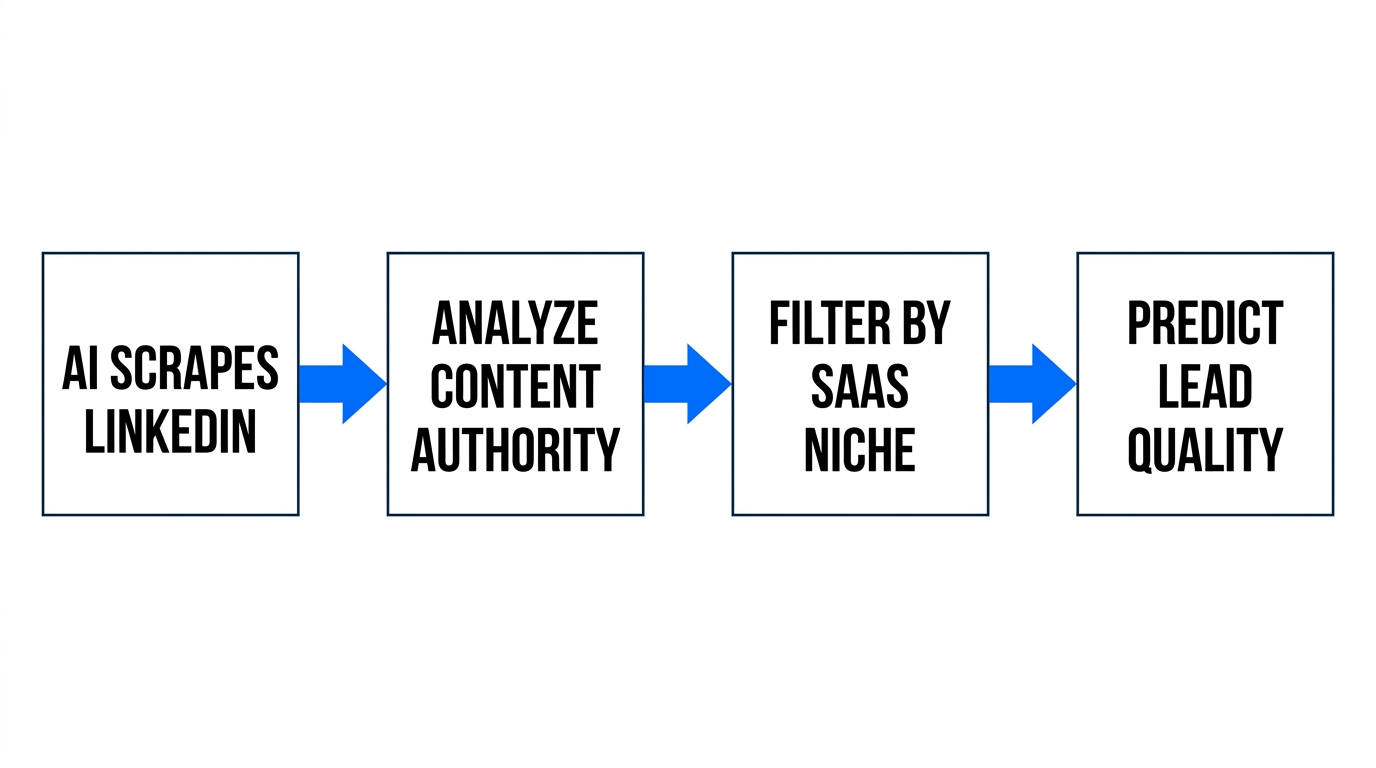
The biggest hurdle in scaling a B2B influencer marketing 2026 program is discovery. You cannot find technical experts by searching for popular hashtags. You need tools that understand audience quality and technical nuance. Modern platforms like Stormy AI have revolutionized this process by allowing growth leads to search using natural language. Instead of filtering by "marketing," you can search for "creators who talk about React.js and have an audience of CTOs in Northern Europe."
AI discovery goes beyond demographics. It analyzes the sentiment of the comments and the depth of the technical discussions. If a creator's audience is asking deep questions about API integrations rather than just saying "great post," you have found a high-value SME. Using Stormy AI, brands can instantly detect engagement fraud and focus their budget on creators who actually move the needle for technical SaaS products.
The 2026 SaaS Influencer Playbook: A Step-by-Step Guide
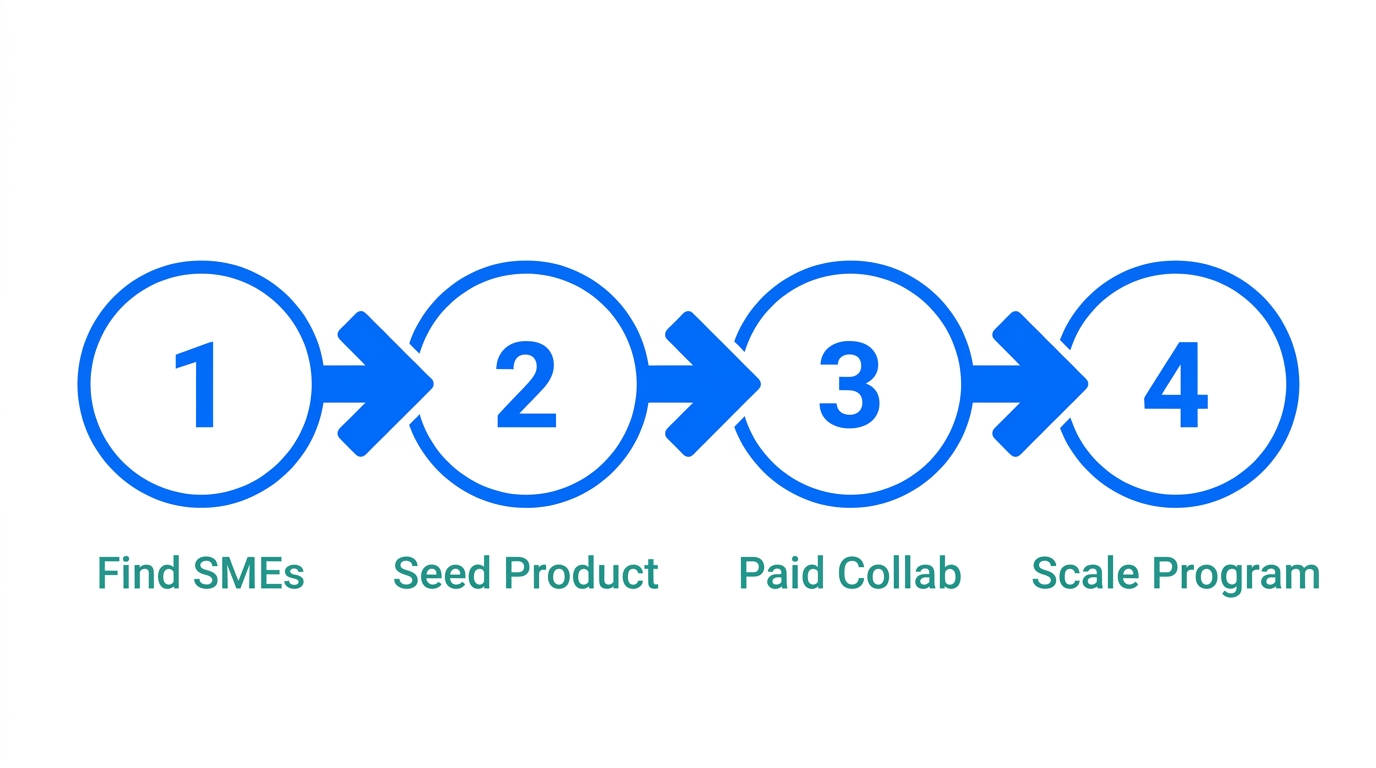
To transition your influencer efforts from an experiment to a revenue driver, follow this structured playbook:
Step 1: Identify Your SMEs
Use AI-native discovery tools to find experts who already have the ear of your ICP. Look for those who host webinars, write technical newsletters on Substack, or have a high Domain Rating (DR) on their personal blogs. You can verify their SEO authority using Ahrefs to ensure their backlinks will provide lasting SEO value to your domain.
Step 2: The "Sandbox" Demo
Do not send creators a script. Instead, give them "sandbox" access to your SaaS. Ask them to record a raw, unedited walkthrough of a specific feature. This builds technical credibility that polished marketing videos simply cannot match. According to Forget the Funnel, influencers must be "strategic executors" who help users navigate the full journey from discovery to onboarding.
Step 3: Multi-Channel Synchronization
Maximize your investment by repurposing influencer content. A technical video launched on YouTube can be sliced into TikTok clips, summarized for a LinkedIn post, and featured in an email sequence via Klaviyo. This synchronization ensures your message is omnipresent.
Step 4: Automate the Outreach
Scale your program by using AI agents to handle the heavy lifting of outreach and follow-up. Modern platforms allow you to set up automated agents that discover and contact creators on a daily schedule, allowing your team to focus on relationship management rather than manual data entry.
"Humanizing your SaaS content is the only way to stand out in a world flooded with AI-generated corporate noise."Common Pitfalls to Avoid in 2026
Even with the best strategy, many SaaS brands fail by treating influencers as standard ad units. Here are the most common mistakes to watch for:
- Vanity Metric Obsession: Choosing an influencer because they have 1 million followers on a platform where your audience doesn't hang out.
- Over-Editing: Strip-mining the authenticity out of a creator's voice by forcing them to use corporate-approved jargon.
- Vague Briefing: Not setting clear KPIs. Whether you want 200 demo sign-ups or a specific number of newsletter joins, be explicit about the goal.
- Ignoring Disclosure: Failing to follow FTC guidelines, which can lead to legal headaches and a complete loss of audience trust.
The Future of B2B Acquisition
As we navigate 2026, the SaaS influencer marketing strategy is no longer optional—it is a mandatory component of a modern growth stack. By shifting from celebrity reach to SME authority, and from manual spreadsheets to AI-native discovery, CMOs can drive a predictable $5.78 ROI. The brands that win this year will be those that stop treating influencers as "ads" and start treating them as the strategic partners they are. Ready to scale? Start by identifying your first cohort of experts and giving them the tools to tell your story authentically.