The landscape of B2B software marketing has shifted from corporate boardrooms to home-office desks. As we look toward 2026, the global influencer marketing platform market is projected to reach $34.1 billion, according to Grand View Research. For SaaS companies, this isn't just about finding celebrities; it is about establishing technical credibility through the voices that your Ideal Customer Profile (ICP) already trusts. In an era where traditional ads are often tuned out, 86% of US marketers are expected to integrate influencer marketing into their media strategy by 2026, per Backlinko. This guide provides a comprehensive playbook for SaaS brands to transition from one-off transactional posts to high-performing, long-term creator partnerships.
The Informal Content Revolution: Why Lo-Fi Wins in 2026
For years, B2B SaaS marketing relied on highly polished webinars and corporate-style product demos. However, 2025 has signaled a definitive shift toward the "Informal Content Revolution." Buyers are no longer looking for perfection; they are looking for proof. High-quality production often acts as a barrier to trust, whereas conversational, "lo-fi" content—such as raw screencasts and home-office tutorials—humanizes the software and makes it feel accessible. According to Forbes, this trend focuses on removing the corporate mask to build a genuine connection with users.
This shift is particularly evident on platforms like LinkedIn, which has evolved into the central hub for the b2b creator economy. Campaigns like "Notion Faces" have demonstrated that viral, community-driven trends can thrive in a professional environment, proving that SaaS tools can be both functional and culturally relevant. When creators share their real-world workflows, they bridge the gap between a product's features and its actual utility, which is a core component of a modern saas content marketing strategy.
"The key to modern B2B growth isn't more ads—it's more authentic voices telling your product's story through their own workflows."
Transitioning to the 'Always-On' Ambassador Model
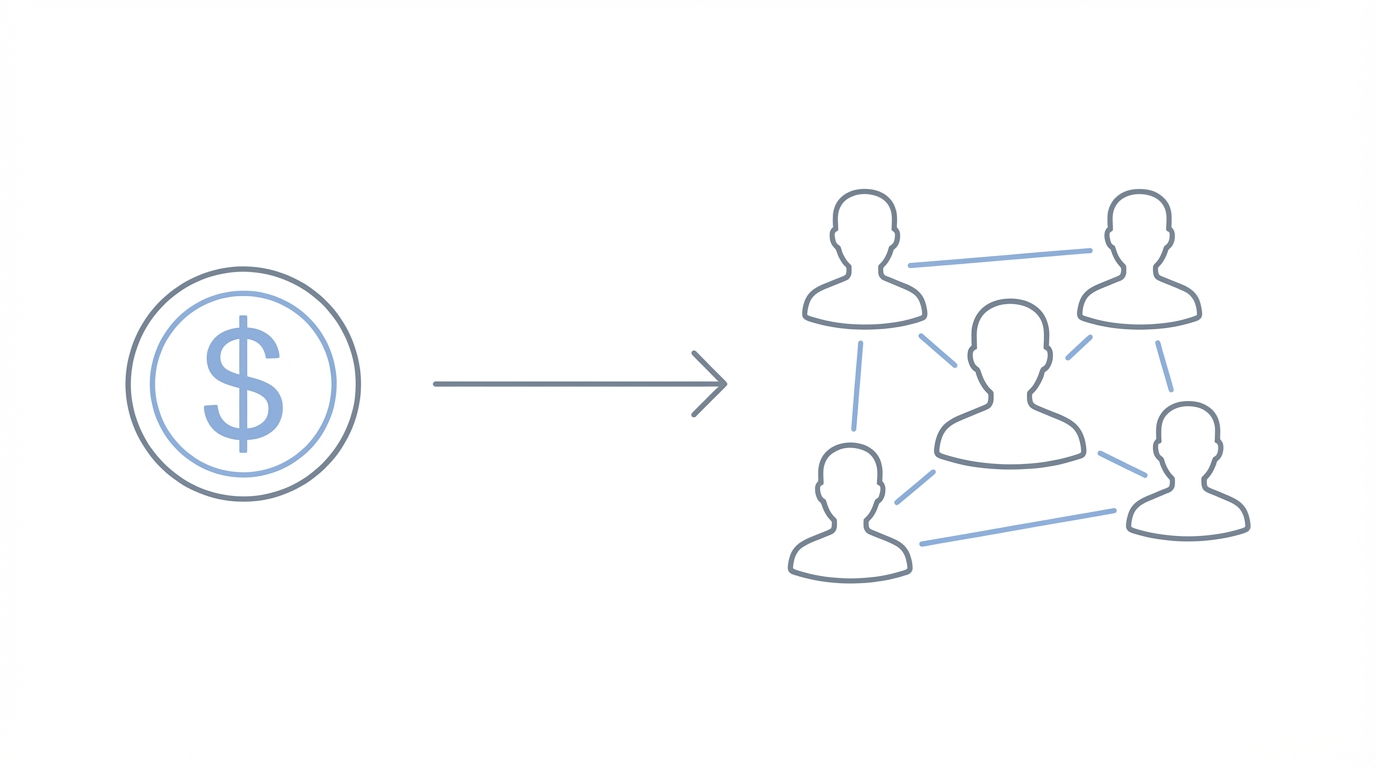
One of the biggest mistakes SaaS brands make is treating saas influencer marketing as a series of one-off transactions. A single sponsored post rarely generates the compound interest required for sustained saas growth marketing. Instead, leading brands are moving toward 6–12 month "Ambassador" roles. These long-term partnerships allow the tool to become a natural part of the creator’s daily output. As noted by Social Media Today, this "always-on" approach builds the brand into the influencer's ecosystem, making endorsements feel like genuine recommendations rather than paid interruptions.
The financial benefits are clear. Brands earn an average of $5.78 for every $1 spent on influencer marketing, and for B2B tech specifically, this ROI can reach over $5.20 when attribution is handled correctly [source: Influencer Marketing Hub]. By securing creators for longer durations, you also lock in rates and ensure consistent visibility among their audience. Always-on marketing ensures your brand remains top-of-mind during the long decision-making cycles typical of B2B software purchases.
The Benefits of Product-Led Educational Content
In the SaaS world, content that teaches is content that sells. Deep-dive video reviews and step-by-step tutorials have been shown to have a significantly lower Cost Per Acquisition (CPA) than short, punchy ad reads. For example, Notion found that creators who produced long-form content explaining how they *actually* use the tool for their business drove higher quality signups than those who just did a quick shoutout. According to Ben Lang, former Head of Community at Notion, the goal should be to get creators to actually use the product, not just produce an ad read.
The 2026 SaaS Influencer Playbook: Step-by-Step
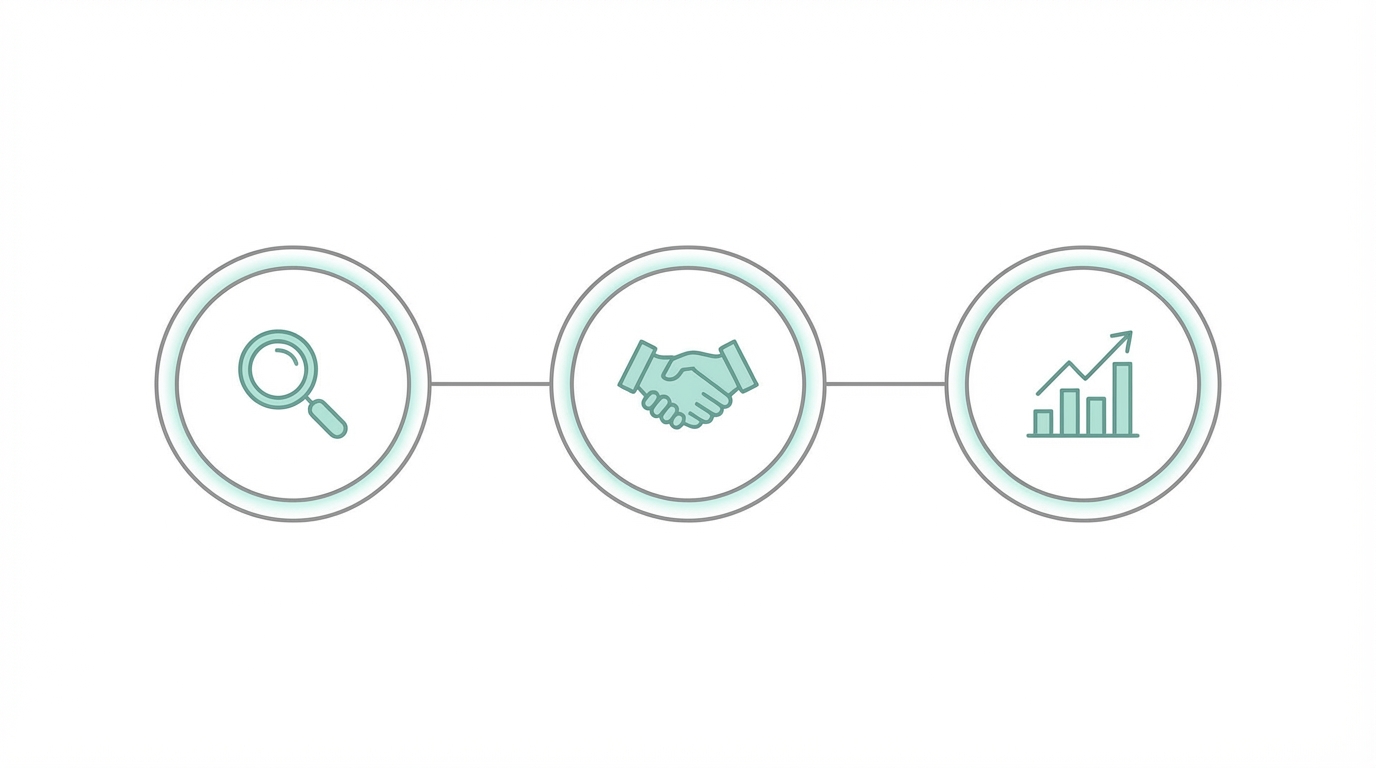
Step 1: Define Your ICP Alignment
Before reaching out to creators, you must define your Ideal Customer Profile. In the b2b influencer marketing strategy, reach is secondary to relevance. A niche micro-influencer with 5,000 highly engaged developers is vastly more valuable than a lifestyle influencer with 500,000 general followers. Focus on whether the creator's audience includes the decision-makers you need to reach—such as CTOs, HR Managers, or Product Owners. Failing to research the audience composition is a common pitfall that leads to wasted spend.
Step 2: Source and Vet with Precision
Vetting for technical SaaS tools requires a deep dive into creator authenticity. You need to ensure the influencer’s engagement is real and that their audience isn't inflated by bots. While legacy tools like impact.com or Tagger have served the industry for years, they often lack the modern AI-native depth required for today's market. Authenticity is the currency of 2026. Use tools that provide an "authenticity score" to verify that you are paying for real eyeballs and real influence.
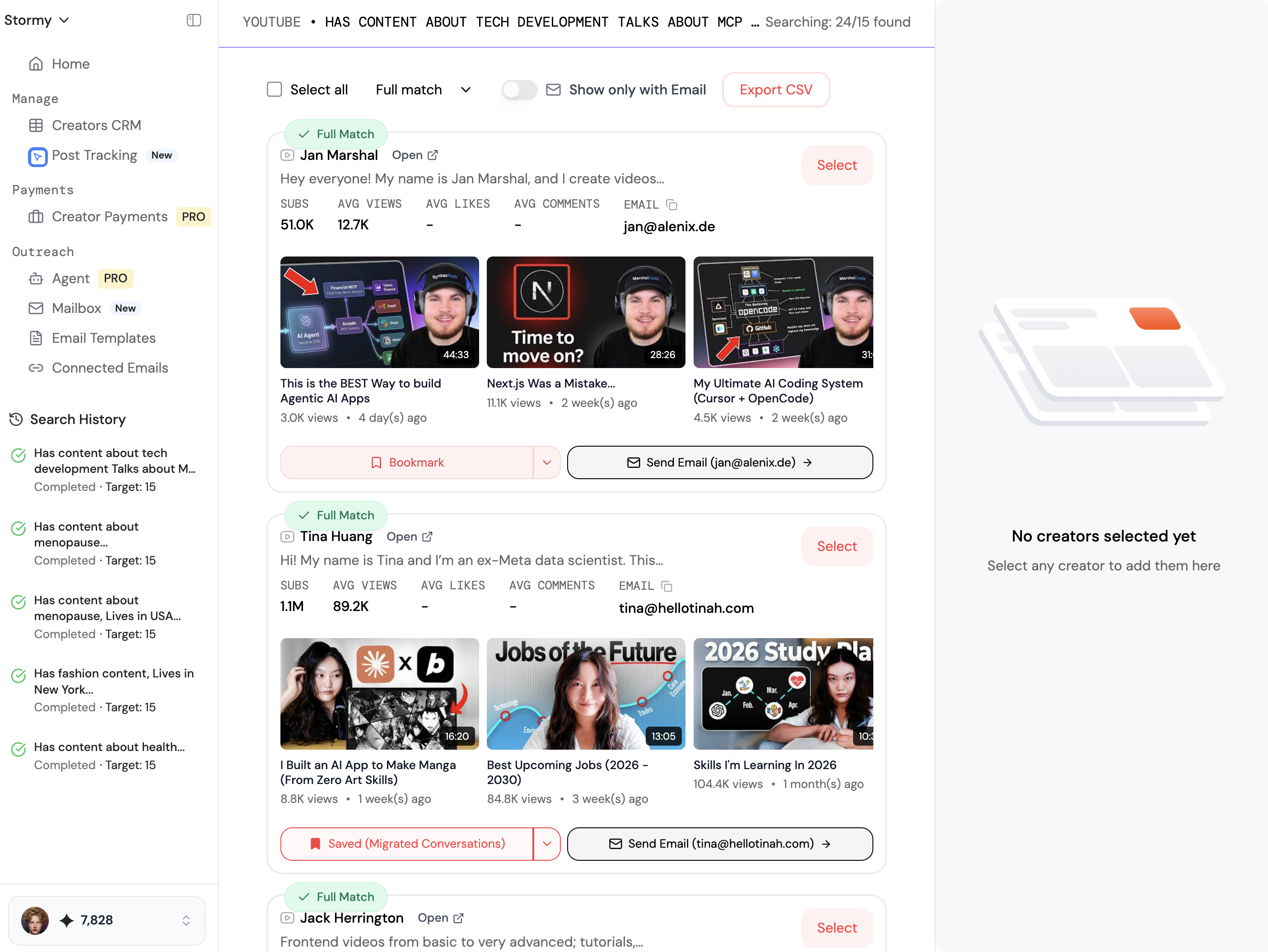
When searching for these creators, platforms like Stormy AI can help source and manage UGC creators at scale, allowing you to filter by niche and verify audience quality in seconds. This ensures that every creator in your pipeline is a direct match for your technical requirements.
Step 3: Execute the Outreach
Personalization is non-negotiable in B2B. Creators in the tech space are often inundated with templated requests. To stand out, your outreach should reference specific content they’ve created and explain exactly why your software fits their workflow. Loosening your "grip on the wheel," as Rachel Hepworth, CMO of Notion, suggests, allows creators to communicate your brand values from their own unique perspective, which resonates better with their audience.
"Measure content engagement and lead generation over downloads. Businesses don't need a large audience—they need the right audience." — A. Lee Judge
The SaaS Influencer Authenticity Checklist
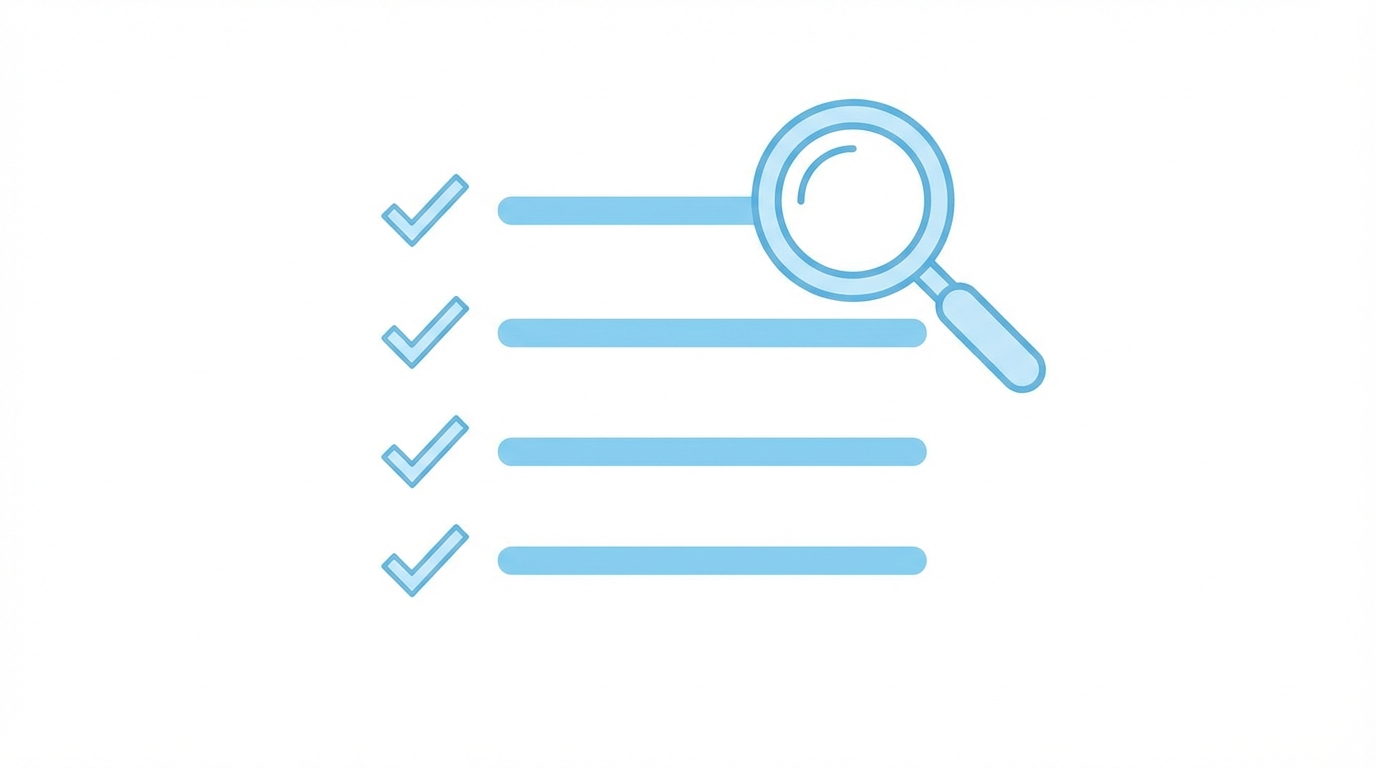
To avoid the common mistakes of influencer marketing for software, use this checklist to audit every potential partner before signing a contract:
- Audience Relevance: Does the creator's audience match your ICP? Check job titles in the comments section.
- Engagement Quality: Are the comments substantive, or are they just emojis and "great post" spam?
- Technical Competence: Can the creator actually explain how your software works without a script?
- Platform Fit: Is the content optimized for the platform (e.g., long-form on YouTube, professional on LinkedIn)?
- Historical Performance: Have they worked with other SaaS brands, and what was the sentiment of that content?
Using advanced AI vetting tools to automate this process can save your team dozens of hours. Managing these relationships effectively requires a central source of truth. A dedicated influencer CRM allows you to track deal stages, negotiations, and historical performance in one place, ensuring no creator falls through the cracks. Using an integrated tool like Stormy AI to handle your creator CRM and outreach can streamline the transition from discovery to campaign launch.
Case Studies: How Leading SaaS Brands Scaled
Notion’s Ambassador Community
Notion scaled to a $10 billion valuation by empowering a community of productivity experts. They didn't just pay for ads; they built an Ambassador Program. By partnering with YouTubers who showed their actual setups, they created a massive library of educational content that acted as a perpetual lead generation engine. Their success is a testament to the power of letting creators own the narrative, as highlighted in this community deep dive.
Monday.com’s Reach Expansion
During the rapid shift to remote work, monday.com partnered with industry experts to produce value-based content rather than hard sells. This strategy generated 17.9 million in potential reach, which was 1,790% above their initial goal. By focusing on how their tool solved specific remote-work challenges, they established themselves as the go-to solution during a critical market shift, according to TopRank Marketing.
Slack’s Wall of Love
Slack famously used a "Wall of Love" on Twitter (now X) and combined it with founder-led outreach to tech influencers. By showcasing how other respected companies used the tool, they built a foundation of social proof that fueled their explosive growth prior to going public. This focus on social proof and organic advocacy remains a cornerstone of successful saas growth marketing.
The Future of SaaS Growth is Human-Centric
As we move further into 2026, the brands that win will be those that stop acting like corporations and start acting like members of the community. The b2b creator economy offers a way to bypass ad fatigue and build genuine relationships with your customers. By embracing the Informal Content Revolution, investing in long-term ambassador roles, and focusing on product-led education, your SaaS brand can drive significant growth while lowering CPA. Now is the time to audit your current strategy: are you chasing empty reach, or are you building a network of authentic voices that drive real business results?