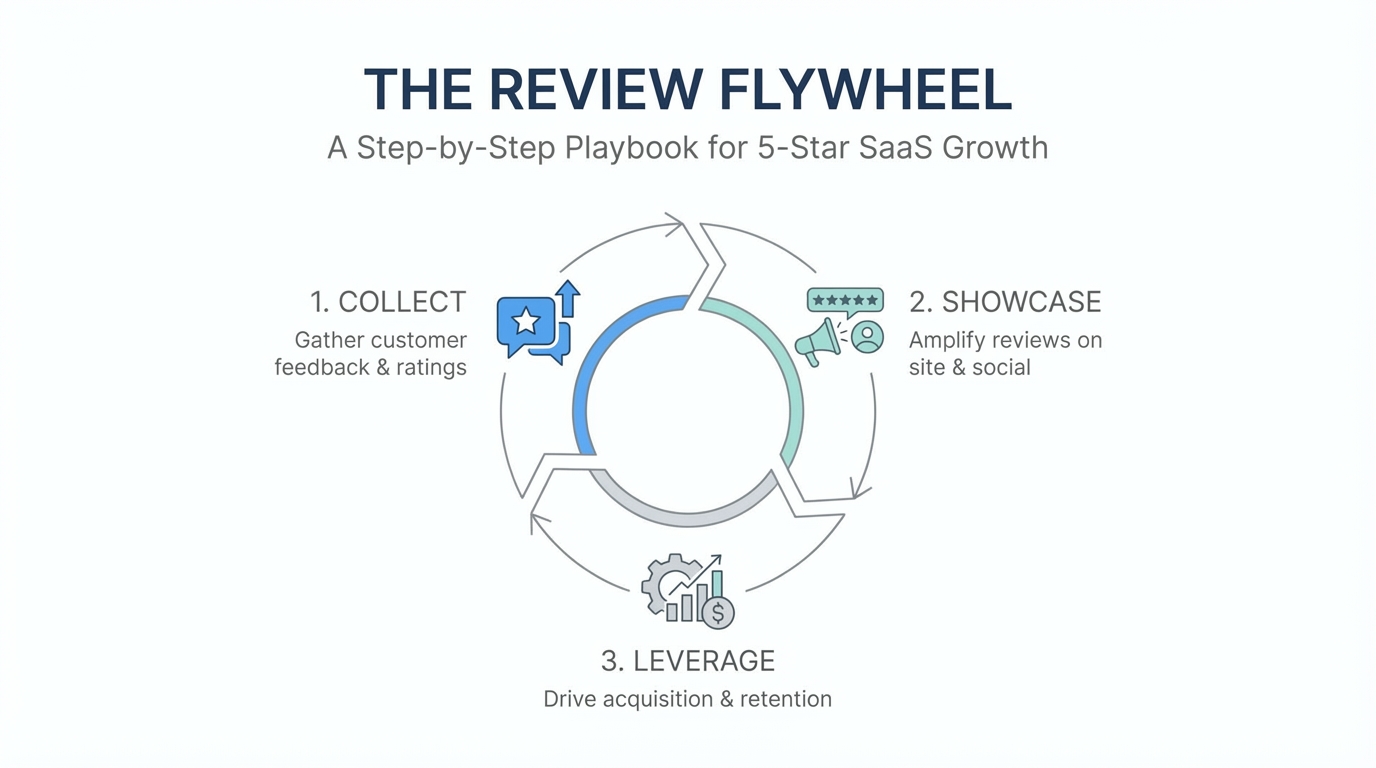
Imagine building a software business that generates $4.5 million in annual recurring revenue (ARR) with a marketing budget of exactly zero dollars. For Erikas, the co-founder of Kaching Bundles, this isn't a hypothetical scenario—it is his daily reality. By leveraging the power of established marketplaces like the Shopify App Store, his team has bypassed the traditional, expensive customer acquisition costs that plague most startups. Instead of burning cash on Facebook ads, they have mastered the art of the "Review Flywheel," a system where customer support functions as the primary marketing engine. This guide breaks down the exact playbook they used to dominate platform rankings and achieve 90% profit margins.
The 95% Rule: Why Support is Your Best Marketing Channel

Most SaaS founders view customer support as a cost center—a necessary evil to be minimized through automation or outsourcing. However, the secret to SaaS growth hacking in a platform-driven world is understanding that 95% of your organic growth comes from a single source: your existing users' public praise. According to Erikas's insights on Starter Story, the overwhelming majority of their 5-star reviews aren't generated by the product alone, but by technical support interactions. When a user reaches out with a problem, they are at their most engaged; solving that problem instantly creates a peak emotional moment that is ripe for a review request.
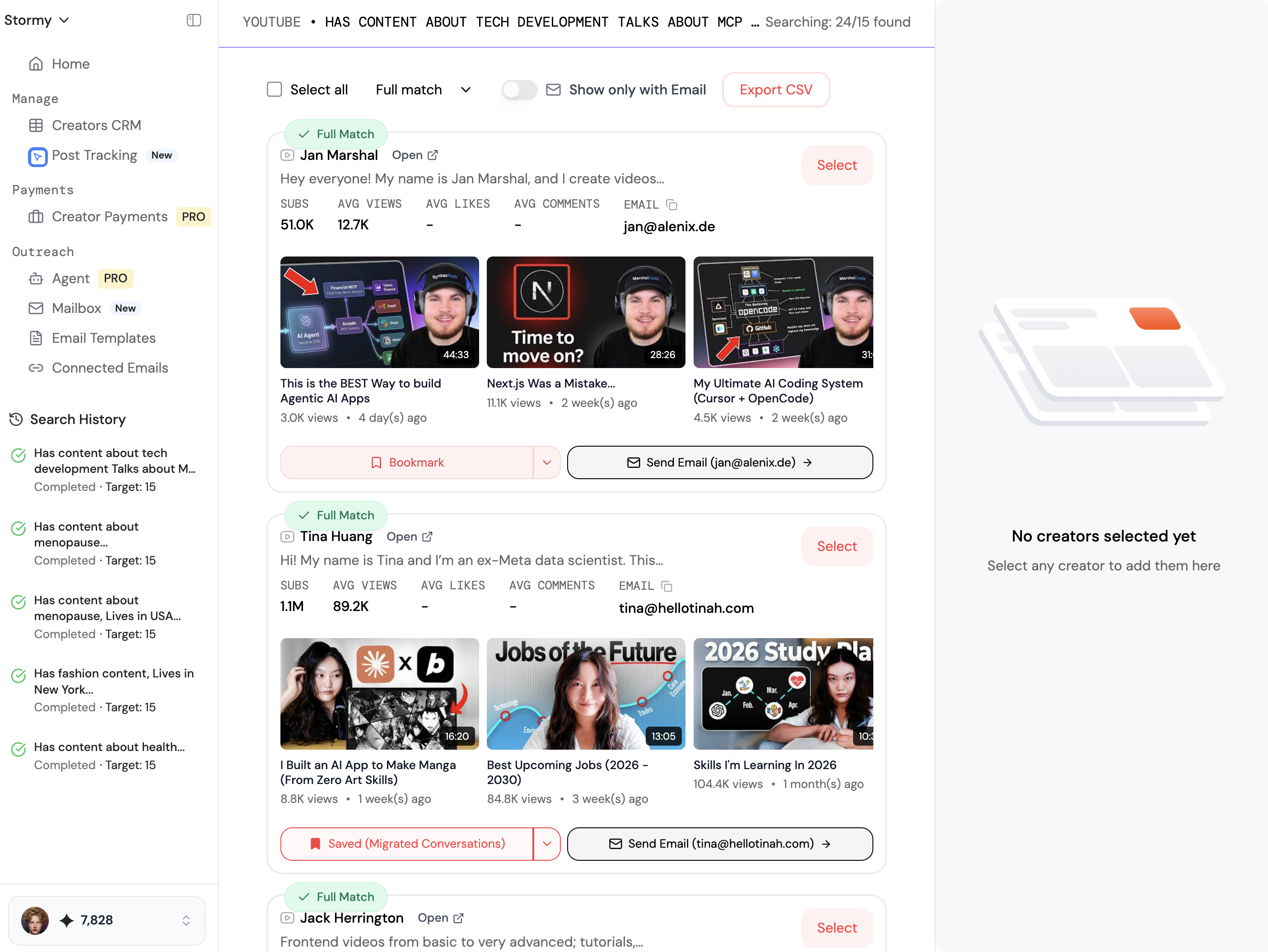
In the world of app marketplaces, visibility is everything. Algorithms favor apps with high velocity and high-quality ratings. To capitalize on this, you need a way to identify which users are most likely to become advocates. While Erikas focuses on internal support, many brands use Stormy's AI search to find influential users and TikTok Shop creators within their niche who can amplify these positive experiences across TikTok and Instagram. By treating every support ticket as a marketing opportunity, you shift your focus from passive maintenance to active growth.
How to Gamify Review Collection for Support Teams
If you want to increase app ratings, you cannot leave review collection to chance. You must incentivize your team to ask for them. Erikas implemented a gamified bonus system that transformed his support staff into a high-performance growth team. The centerpiece of this strategy is the "Persuader of the Month" award. This isn't just about who gets the most reviews; it's about the conversion rate of tickets to 5-star ratings. By tracking these metrics in a monthly leaderboard, the team remains motivated to provide "top-notch" service that compels users to leave feedback that drives social proof.
Managing these high-stakes relationships requires a robust organization. Just as Erikas uses Slack and Intercom to handle his internal communication and customer queries, many modern marketing teams utilize Stormy's creator CRM to manage their relationships with high-value users and influencers. This centralized dashboard allows you to track every interaction, ensuring that no potential 5-star advocate falls through the cracks. When you reward your team for successful "persuasion," you turn how to get app store reviews from a question into a repeatable process.
Automating the Feedback Loop with Value-Based Triggers
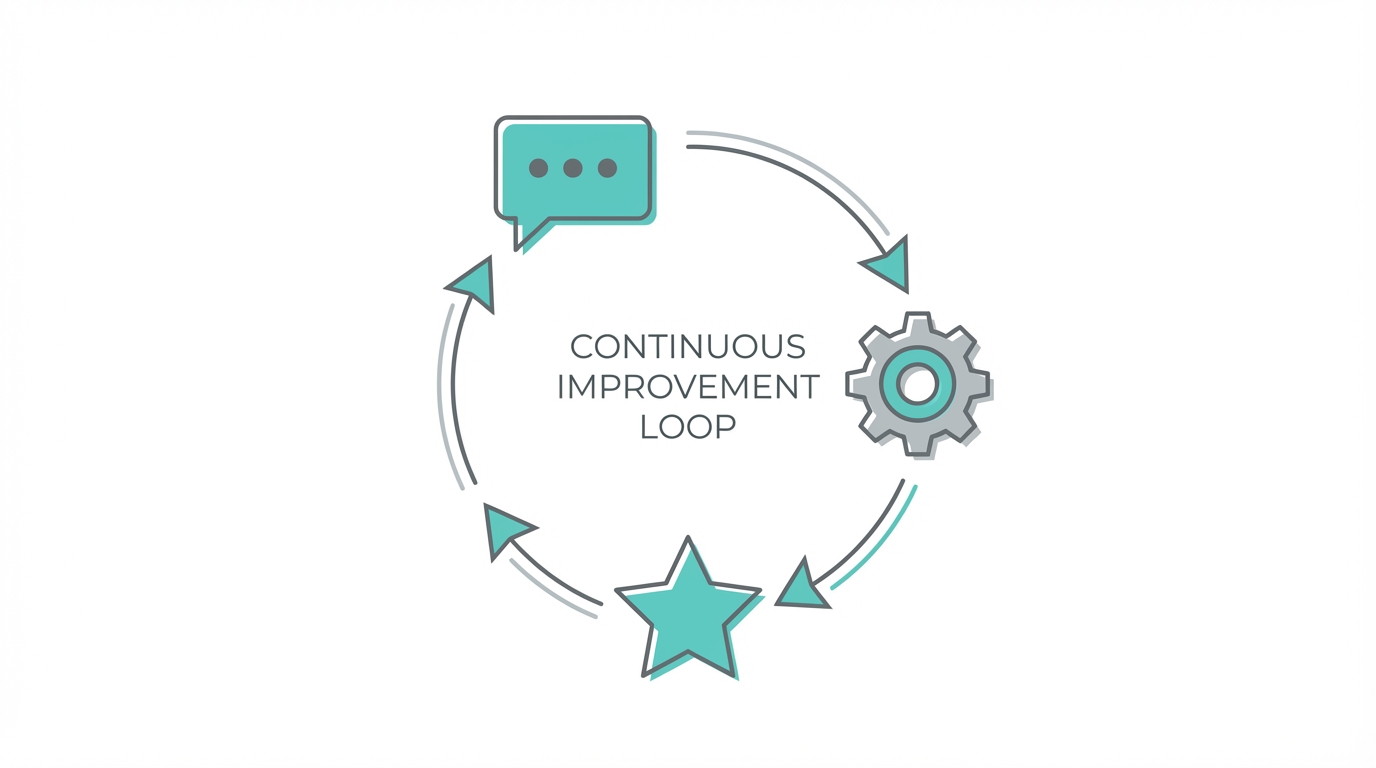
While manual outreach is vital, SaaS growth hacking requires automation. One of the most effective ways to trigger a review request is through "Monthly Performance Emails." For Kaching Bundles, this means sending an automated report showing exactly how much additional revenue the app generated for the merchant that month. By anchoring the request to a tangible financial win, the conversion rate for reviews skyrockets. You aren't just asking for a favor; you are asking them to acknowledge the value they've already received.
Beyond internal emails, tracking how these reviews impact your broader brand awareness is crucial. Forward-thinking companies use Stormy's post tracking to monitor how their product is mentioned across social media, allowing them to see the ripple effect of their 5-star reputation. If a user posts a positive video on TikTok, your team should be there to engage instantly. This creates a multi-channel feedback loop where customer retention strategies and public marketing work in perfect harmony. Tools like feature.vote can further this loop by letting users see that their feedback directly influences your product roadmap.
Technical Support as a Marketing Moat
A critical component of a successful SaaS customer support strategy is the skill level of the support agents. Erikas notes that all their agents are technical enough to dig into a customer's code and fix issues on the spot. This is a massive competitive advantage over legacy companies or VC-backed firms that may move slowly or require multiple levels of escalation. When a support agent can fix a CSS conflict or a JavaScript error in minutes, the customer's perceived value of the product triples.
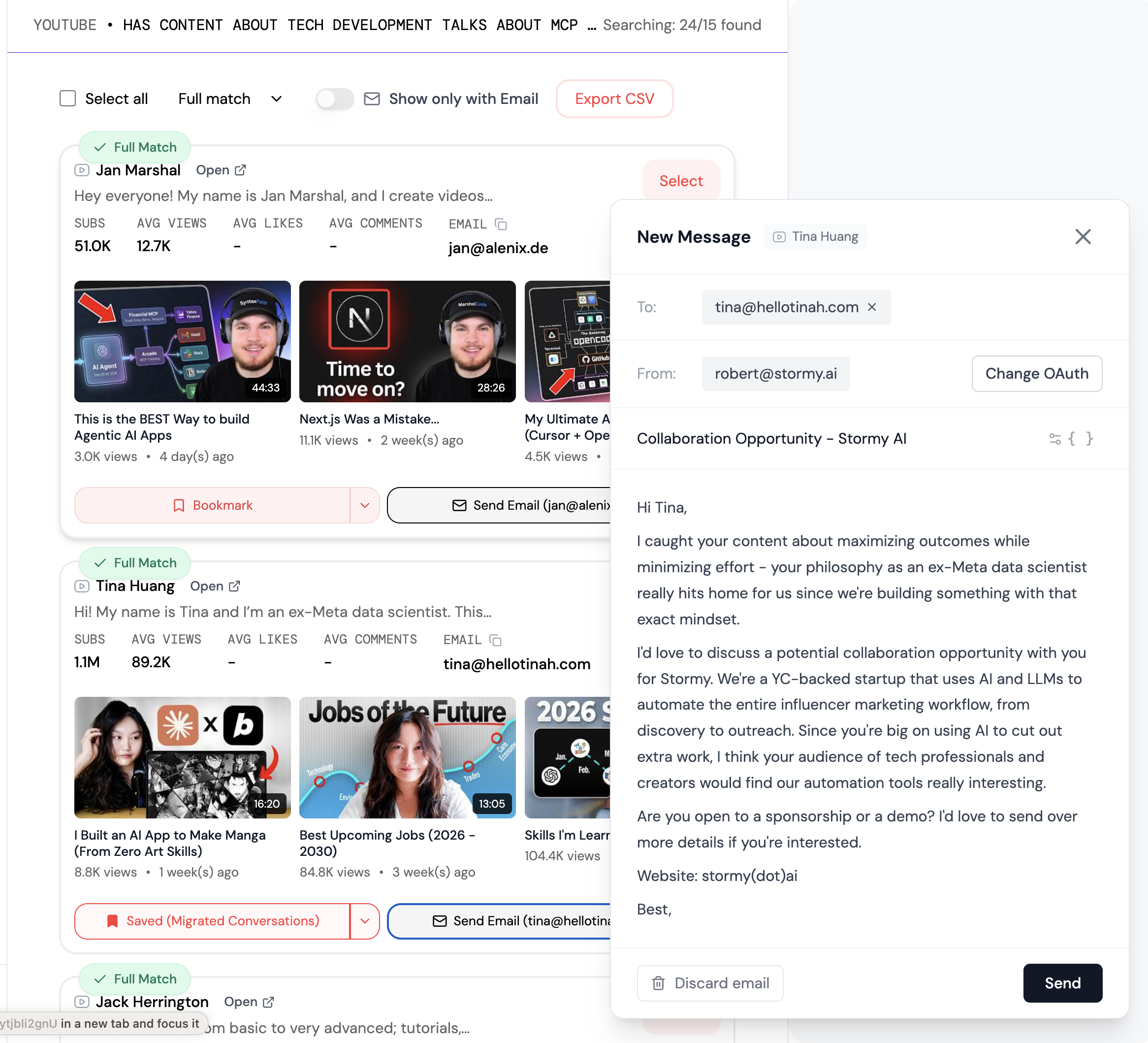
This technical depth acts as a moat. Smaller indie hackers often lack the resources for 24/7 technical coverage, while larger corporations are bogged down by bureaucracy. By using tools like Linear for rapid task management and Mantle for deep analytics, a lean team can out-maneuver giants. For brands that partner with creators, this technical reliability is just as important as influencer vetting. Before you scale, you can use Stormy's influencer analysis to ensure your partners align with your high-quality brand standards, but your technical support is what will keep their referred customers from churning.
Risk Mitigation: The 'No-Questions-Asked' Refund Buffer
In the pursuit of 5-star growth, protecting your ranking is just as important as gaining new reviews. A single 1-star review can do more damage to your SEO ranking than ten 5-star reviews can do good. To mitigate this risk, Erikas employs a strict 'no-questions-asked' refund policy. If a customer is unhappy for any reason, the priority is to resolve the situation and remove the friction immediately, even if it means losing a month's subscription fee. The cost of a refund is negligible compared to the long-term loss of organic traffic caused by a plummeting rating.
This approach is a cornerstone of effective customer retention strategies. It builds trust and ensures that the public narrative around your product remains overwhelmingly positive. To maintain this high level of quality control, brands must constantly monitor their external perception. By setting up an autonomous AI agent on Stormy, you can ensure that you are proactively reaching out to customers and creators before issues escalate into public complaints. Proactive outreach, combined with a generous refund policy, creates a "safety net" for your brand's reputation on marketplaces like monday.com or Shopify.
Conclusion: Building Your Own Growth Flywheel
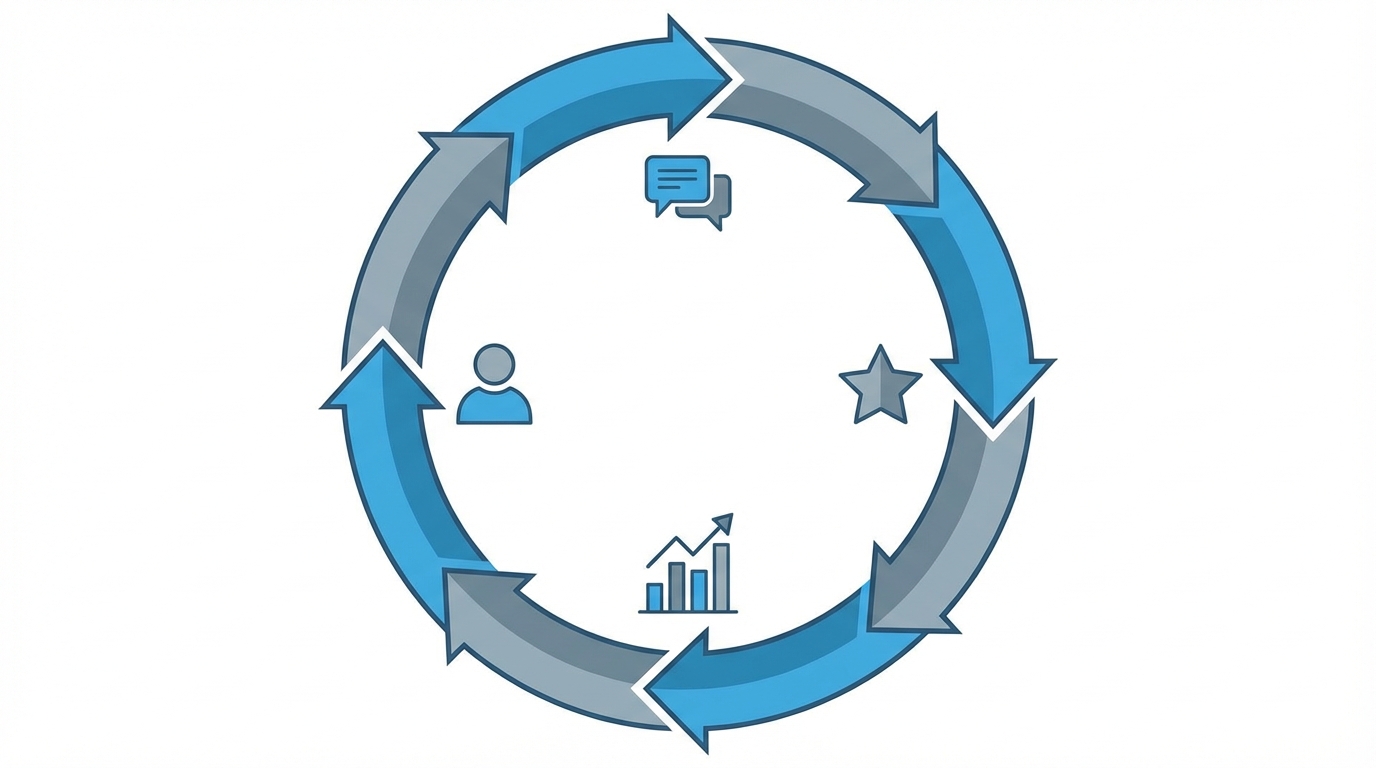
The journey from a $2-per-hour designer to a $4.5 million SaaS founder is built on a simple realization: in a platform ecosystem, your reputation is your currency. By shifting your perspective and seeing customer support as your primary marketing channel, you can build a highly profitable, lean business that grows while you sleep. Start by gamifying your support tickets, automating your value-based outreach, and hiring technical talent that can solve problems instantly. Most importantly, never sacrifice your long-term ranking for short-term revenue; use refunds as a tool to keep your 5-star streak alive. If you are ready to scale your outreach and find the creators who will fuel your next growth phase, explore how Stormy AI can automate your discovery and management process today. Your 5-star journey starts with a single, satisfied customer.