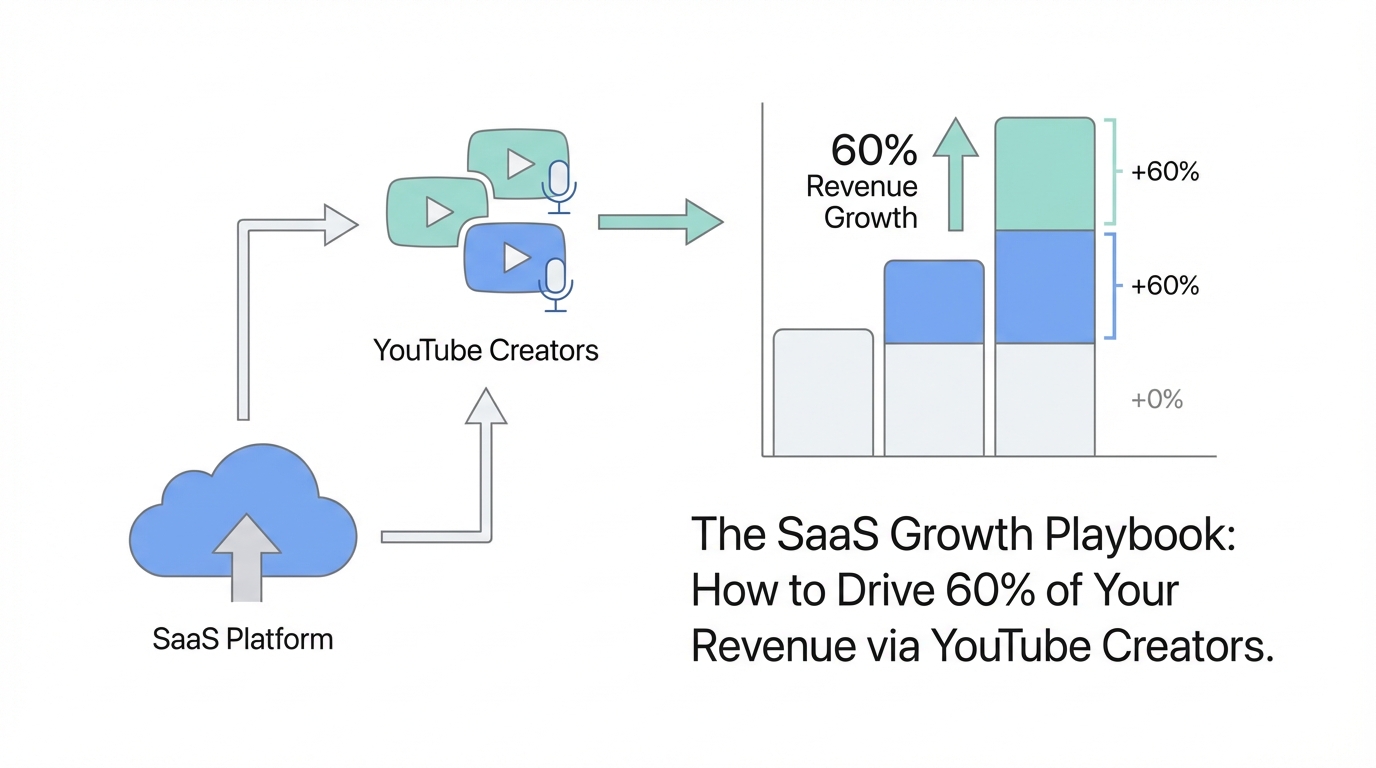
Building a SaaS product in 2025 is easier than ever, but growing one has never been more difficult. Many founders spend years building the perfect software only to realize that distribution is the real bottleneck. Lo ck, a successful founder who has launched over 10 SaaS companies, learned this the hard way. After spending five years developing an app that zero people used, he shifted his focus from builder-centric thinking to a distribution-first strategy. By leveraging long-form video, he scaled his ventures like Minea to over $750,000 Monthly Recurring Revenue (MRR) and his latest project, Drop Magic, to $45,000 MRR in just four months. Today, over 60% of his revenue is driven directly by YouTube creators.
The Shift from Builder-Centric to Distribution-First Growth

The traditional SaaS model of "build it and they will come" is effectively dead. Lo ck’s early failure was rooted in a common mistake: focusing entirely on feature shipping while ignoring how the product would actually reach users. This transition from a builder to a problem solver is the core of any successful SaaS growth hacks 2025 framework. Instead of building in the dark, modern founders must treat distribution as a core product feature. The key to this distribution is finding partners who already have the attention of your target audience.
When you look at YouTube distribution for startups, you are essentially outsourcing your marketing to experts who understand narrative, engagement, and audience trust. Platforms like Stormy AI, which is an AI-powered platform for creator discovery, especially for mobile app marketing and UGC campaigns, help bridge this gap by identifying the right creators who align with your niche, ensuring you don't waste budget on mismatched audiences.
Why YouTube Long-Form Outperforms TikTok and Instagram
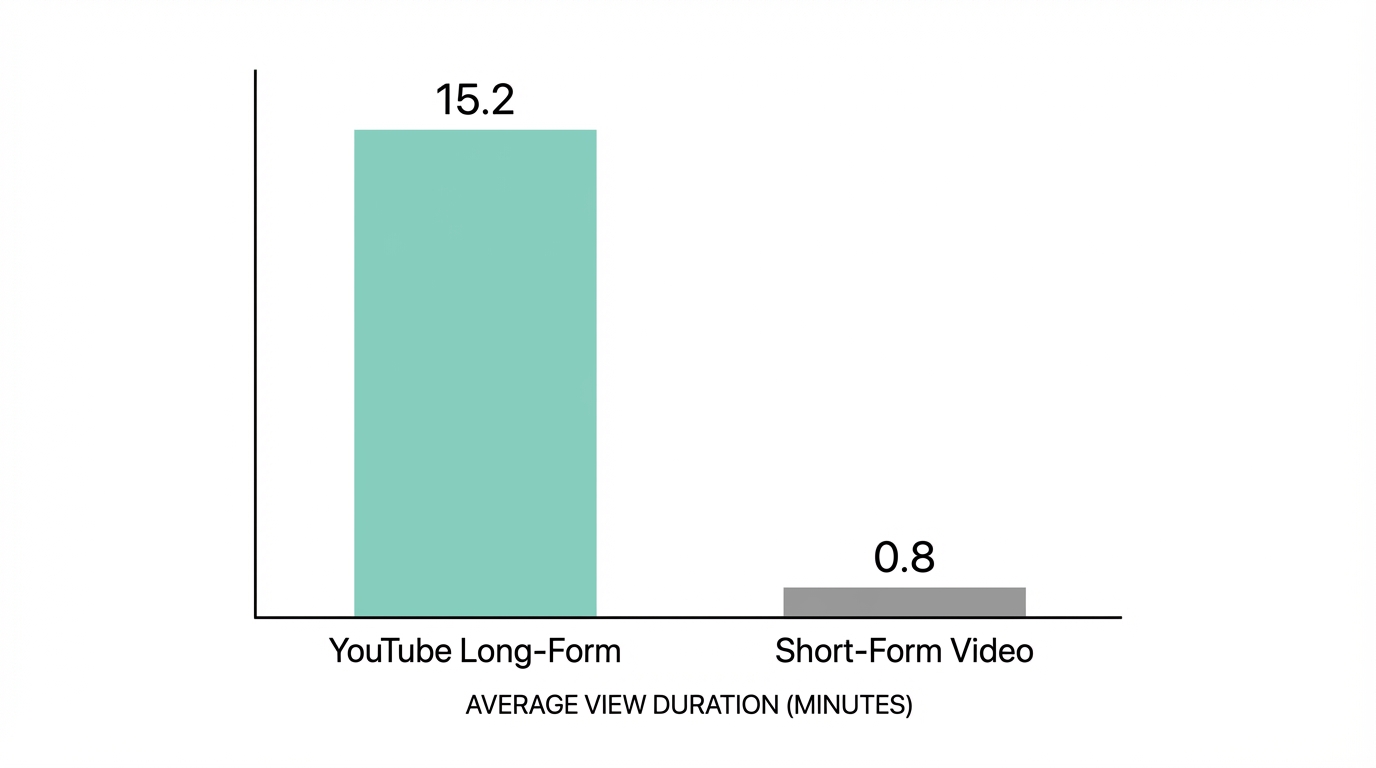
While TikTok and Instagram are excellent for what Lo ck calls ‘burner awareness,’ they often fail to drive the deep conversion needed for SaaS products. Short-form video is fleeting; users scroll past ads in seconds. In contrast, long-form YouTube content is a conversion machine. A 10-to-20-minute video allows a creator to walk through your software, show the problem it solves, and demonstrate the user interface in real-time.
For B2B and SaaS brands, the influencer marketing ROI for software is significantly higher on YouTube because of the intentionality of the viewer. People go to YouTube to learn, solve a problem, or find a tool. When a creator they trust recommends a product like Minea, the high-intent environment leads to a higher retention rate and lower churn compared to impulsive clicks from a TikTok feed.
The AI-Positive Investment: Building Long-Term Organic Traffic
One of the most overlooked benefits of YouTube is that it is an AI-Positive investment. Unlike social media posts that disappear in 24 hours, YouTube videos act as a permanent archive. These videos continue to generate traffic for years. Lo ck notes that his companies still receive conversions from videos filmed over three years ago. This creates a compounding effect on your B2B YouTube marketing efforts.
Furthermore, as AI search engines and LLMs like OpenAI or Gemini index the web, they prioritize high-authority video transcripts. By having hundreds of creators talk about your SaaS on YouTube, you are effectively training AI discovery engines to recommend your tool when users ask for solutions in your category. This is a critical component of a modern Stormy AI campaign strategy.
The 4-Step Creator Playbook for SaaS Growth
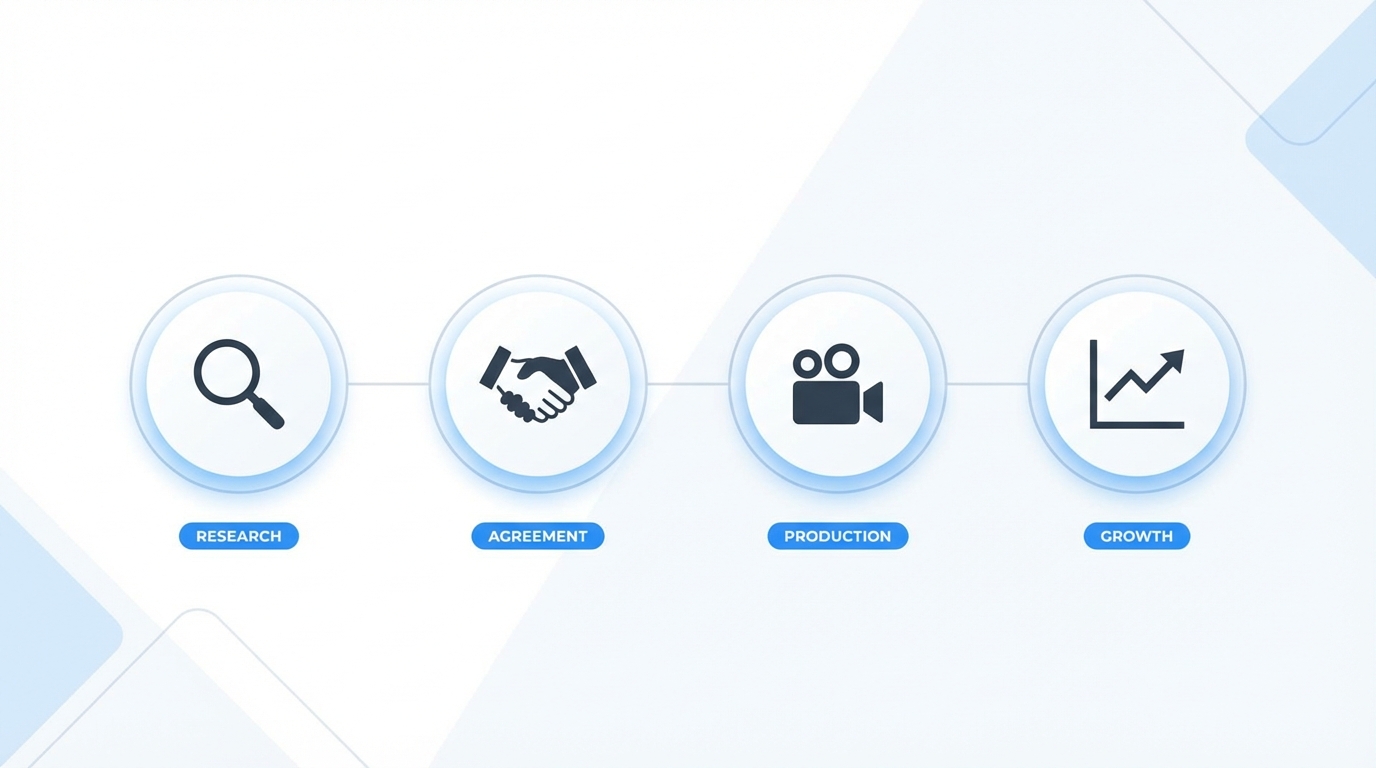
Scaling to 500+ creator partnerships requires a systematic approach. Lo ck’s playbook is designed to minimize risk while maximizing reach. Here is how to execute it:
Step 1: Discover and Identify
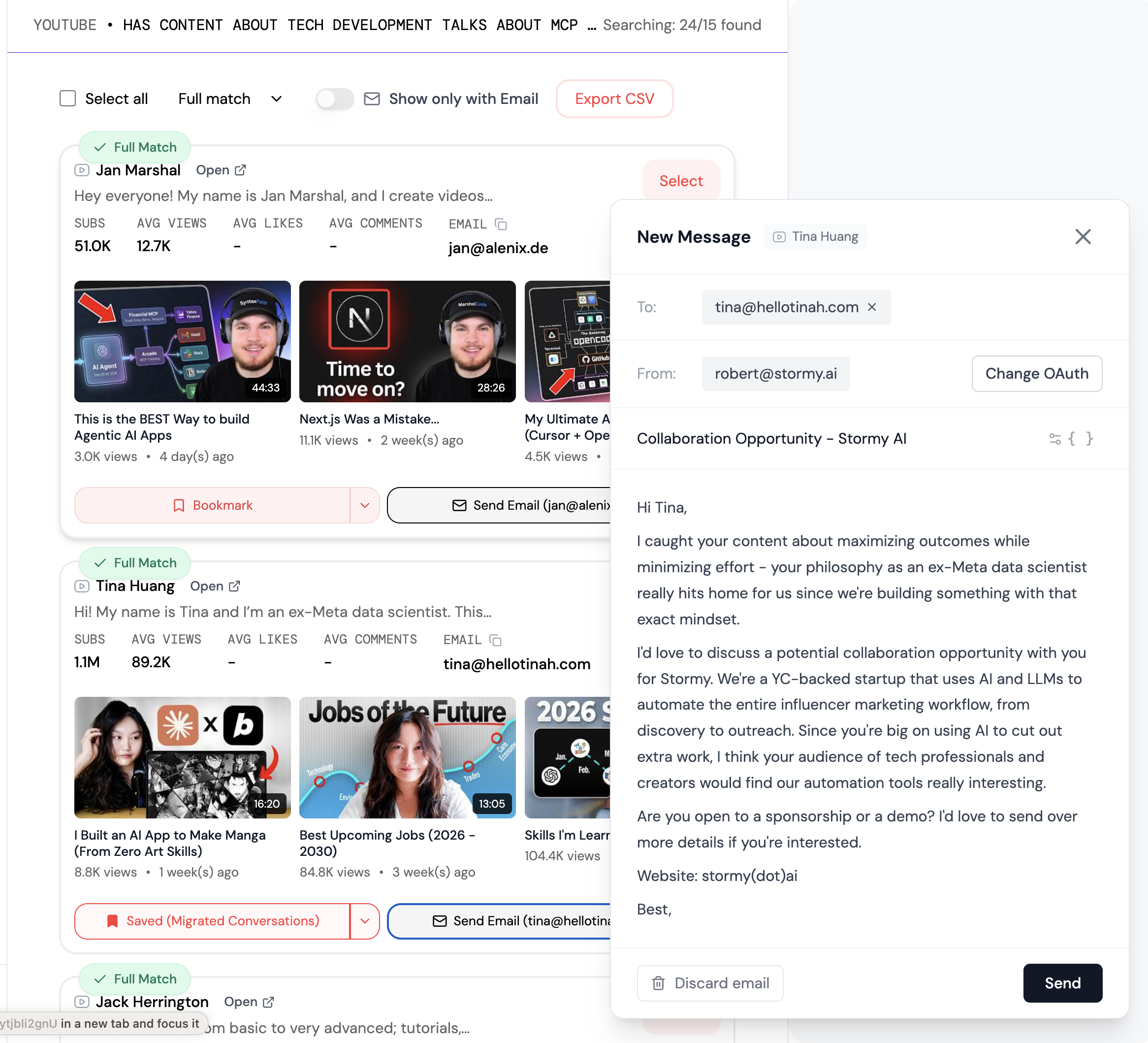
Start by searching for keywords relevant to your niche. Look at your competitors and see which creators are reviewing them. Are they using micro-influencers or industry giants? You can use Stormy AI to search across TikTok, YouTube, and Instagram with natural-language prompts to find creators most likely to convert for your specific software category.
Step 2: Vetting Metrics
Don't be fooled by follower counts. Focus on engagement rate (views divided by followers), which should ideally be over 10%. Additionally, look for a minimum of 100 comments per video. This indicates an active, loyal community rather than a passive audience. Most importantly, use Stormy AI to vet creators for fake followers and engagement fraud automatically before signing any deals.
Step 3: Multi-Angle Outreach
Lo ck recommends a seven-email sequence for outreach, with each email focusing on a different marketing angle. Don't stop at email; reach out on X (Twitter) and Instagram to stay top-of-mind. To scale this process, you can use Stormy AI to set up an autonomous AI agent that discovers, outreaches, and follows up with creators on a daily schedule while you sleep.
Step 4: Structuring the Deal
Always start with a test video. Offer a combination of a fixed fee and a performance-based commission. If the first video breaks even within a month, move to a package deal of three to four videos. This allows you to negotiate a lower per-video rate while providing the creator with long-term stability.
The Creator as Co-Founder: De-risking Distribution
A sophisticated move in the 2025 SaaS playbook is bringing a creator onto the founding team. By giving a creator equity, you de-risk the distribution from day one. For example, when launching Drop Magic, Lo ck partnered with a creator who could immediately secure $10,000 MRR through their existing audience. This provides an immediate feedback loop for product development.
Creators act as the "front row man," bringing back invaluable insights from their community. They know exactly which features the audience is asking for and which marketing angles resonate most. This allows for rapid iteration on scripts, funnels, and pricing without the high cost of traditional customer acquisition.
The Repurposing Strategy: One Video, Ten Channels
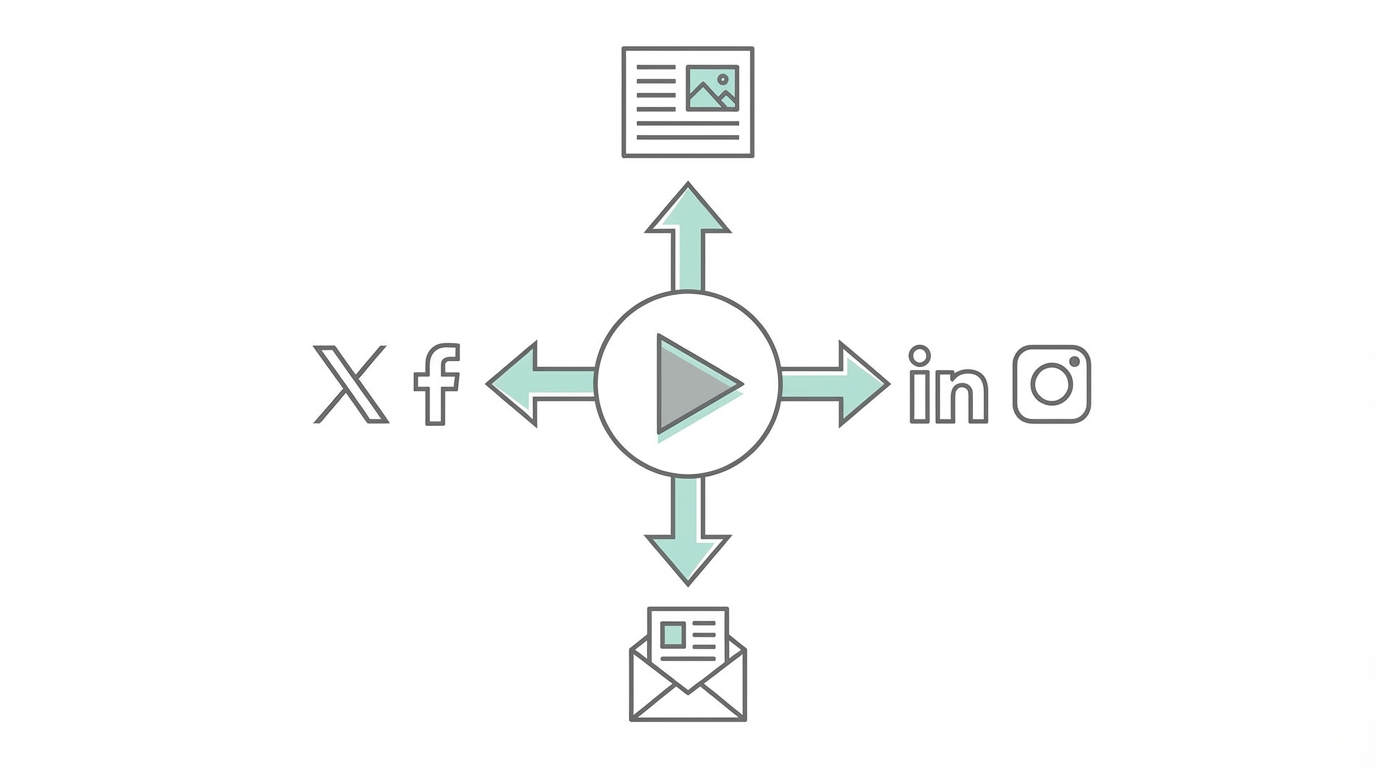
The magic of long-form YouTube content is that it serves as the raw material for your entire marketing stack. A single 15-minute integration can be chopped into YouTube Shorts, TikToks, and Instagram Reels. More importantly, these clips can be used as high-performing creative for paid social campaigns. Using Meta Ads Manager or Google Ads to boost creator-led content (UGC) often results in a significantly lower Cost Per Acquisition (CPA) than brand-produced ads.
The Modern SaaS Tech Stack for Rapid Scaling
To support this level of growth, your technical infrastructure must be lean and scalable. Lo ck utilizes a stack focused on speed and AI integration. By using Supabase for database management and Next.js with Vercel for hosting, he can ship MVPs in weeks rather than months. Error tracking through Sentry and background jobs via Trigger.dev ensure the product remains stable as traffic spikes from creator mentions.
For marketing operations, managing 500+ creators requires a dedicated CRM. While legacy tools like Captiv8 or Tagger exist, modern teams are moving toward AI-native platforms like Stormy AI to manage all creator conversations, deal stages, and payments in one place. This allows the team to maintain an 80% profit margin by keeping overhead low while maximizing the output of every creator partnership.
Conclusion: Building a Predictable Revenue Engine
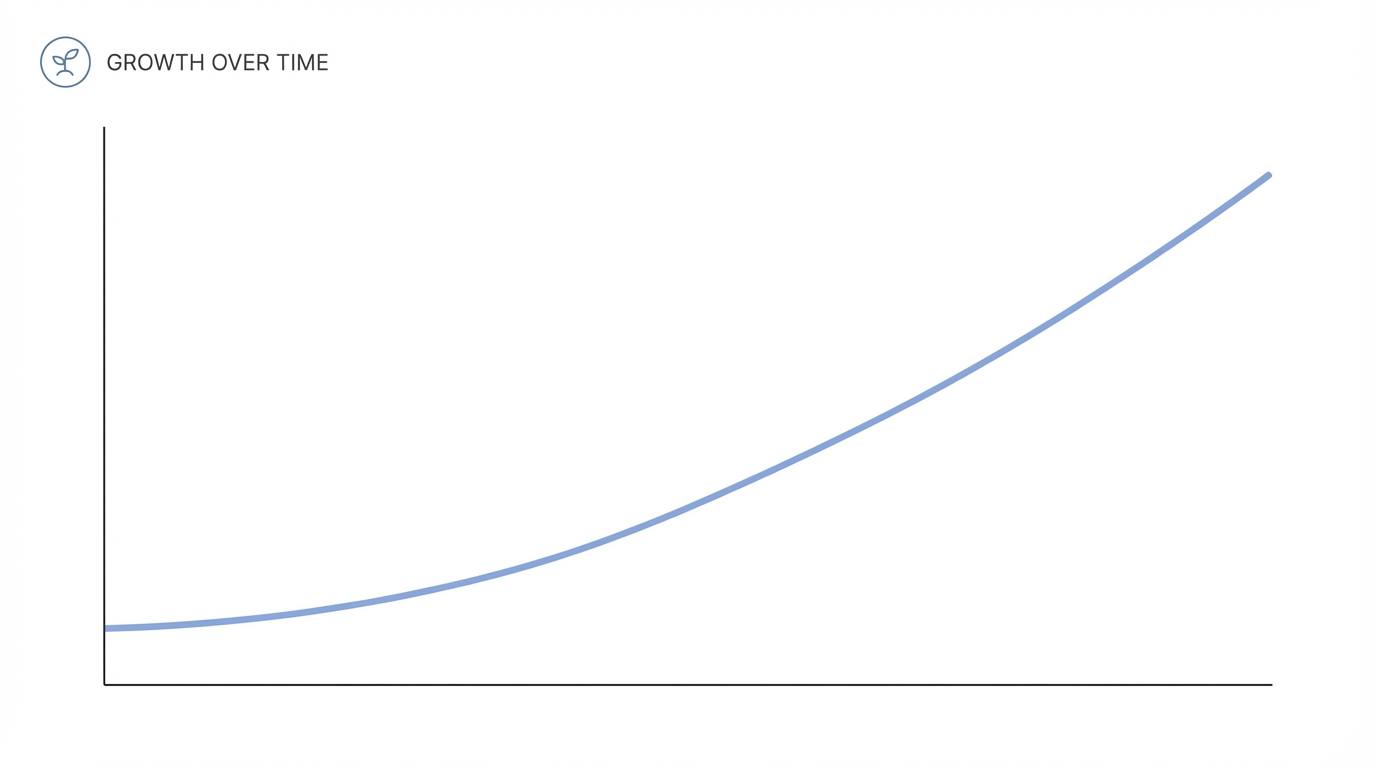
The ultimate goal of using YouTube creators is to build a predictable marketing engine. Unlike the volatility of TikTok's algorithm, YouTube offers baseline view counts that allow you to forecast ROI with surprising accuracy. By following this playbook—finding the right creators, vetting their engagement, and structuring smart deals—you can move away from the stress of building features in a vacuum and toward a sustainable growth model.
As Lo ck advises, do not get emotionally attached to your project. Use data, milestones, and traction as your only source of truth. If your product isn't gaining traction with creators, pivot. If it is, double down and scale. In the age of AI and endless content, the distribution-first approach isn't just a hack; it's the only way to survive.