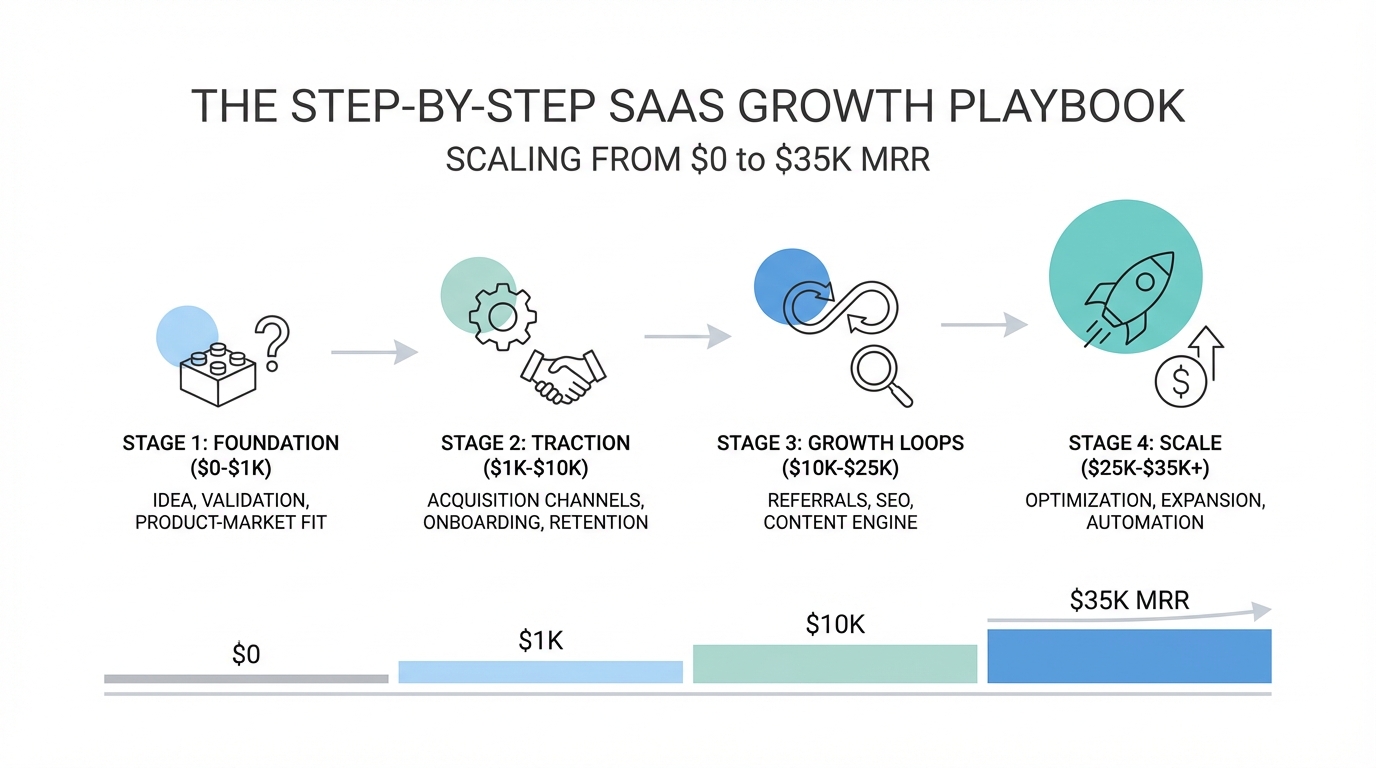
Scaling a software company from a concept to a thriving business generating $35,000 in Monthly Recurring Revenue (MRR) is often viewed as a Herculean task—considering nearly 90% of startups fail. However, the reality of modern SaaS growth strategy is far more accessible. By transitioning from rapid paid validation to compounding organic growth, solo founders and small teams are building highly profitable machines without the need for massive overhead or external funding. The journey from $0 to $35K MRR isn't about reinventing the wheel; it’s about identifying what works, executing with precision, and leveraging AI-powered automation to outpace the competition.
The Validation Framework: Building What Already Works
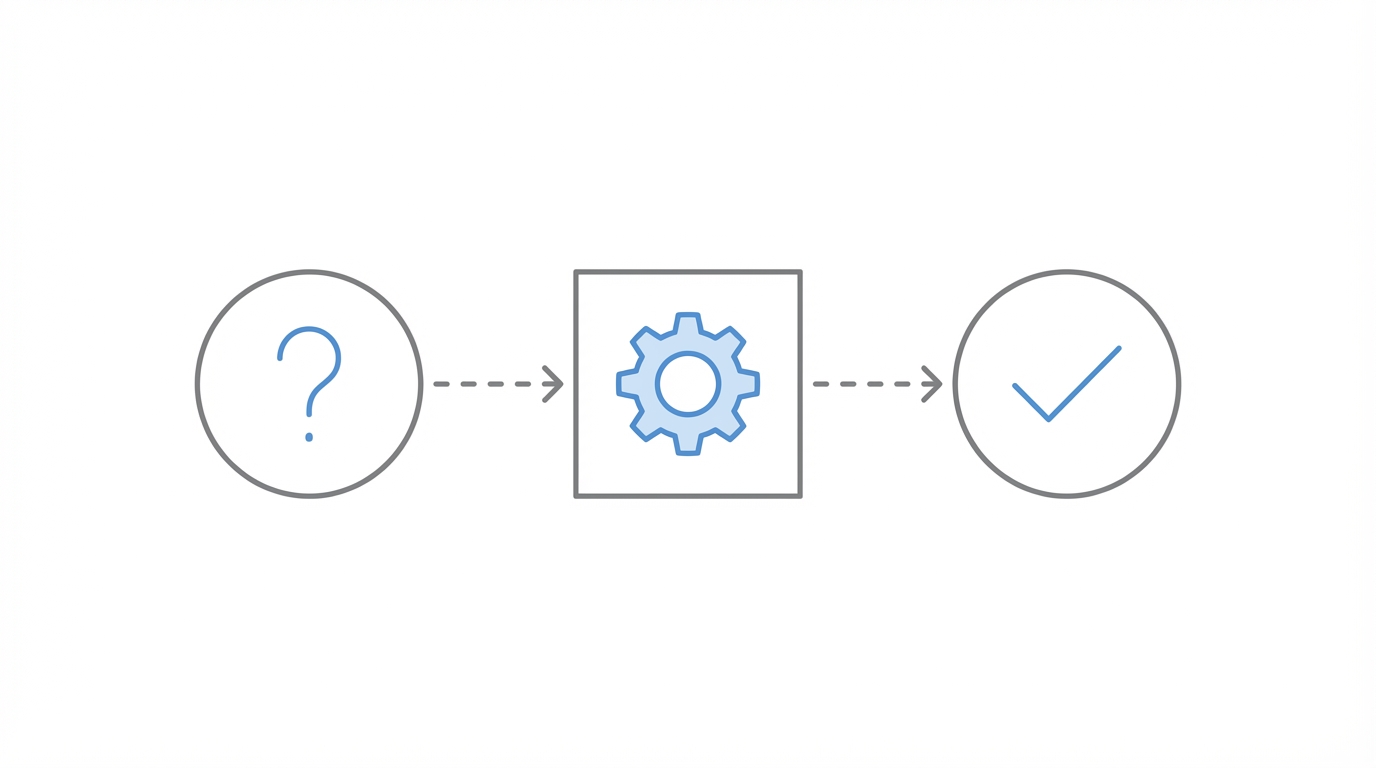
Before writing a single line of code, successful founders like Samuel Rondon—who scaled three apps to $35K MRR—emphasize a "better, not newer" philosophy. The biggest risk in knowing how to scale a startup is building something nobody wants. To mitigate this, the first step is to find an existing product with proven traction on platforms like Indie Hackers and identify a way to make it just 1% better. This ensures that the market demand is already validated by paying customers.
When researching potential ideas, look for products where founders are openly sharing Stripe or Twitter MRR screenshots. This is the ultimate proof of utility. A solid validation filter includes four key criteria: you would use the product yourself, it has visible traction, the current players aren't spending millions on traditional marketing, and the technical complexity is low enough to maintain as a lean team. Once you've identified a niche, you can use Ahrefs to analyze their traffic sources. If they are growing via both SEO and paid ads for SaaS, you have found a goldmine.
Phase 1: Using Paid Ads for Immediate Market Feedback
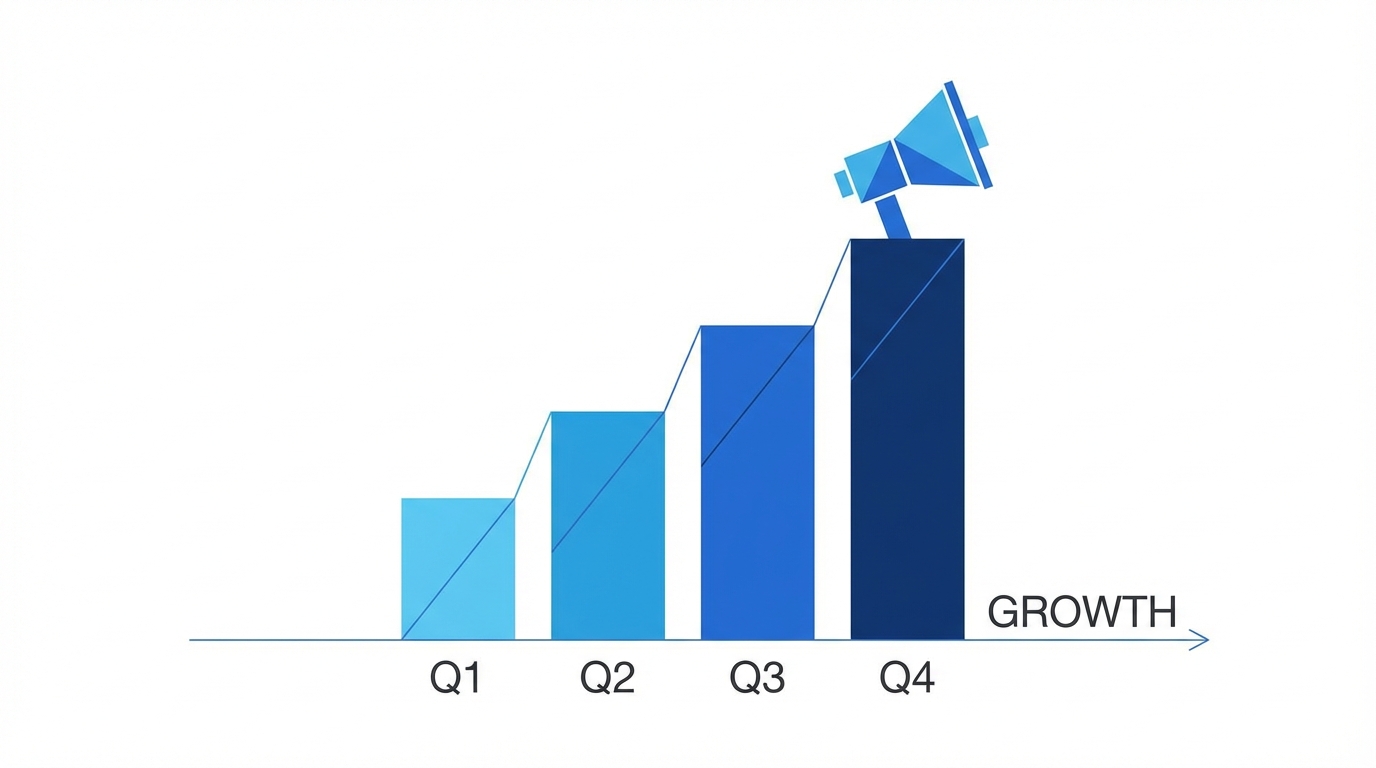
In the early days of a startup, speed is your greatest asset. Waiting months for organic search traffic to kick in is a luxury most founders can't afford. This is where Meta (Facebook/Instagram) and Google Ads become essential. Running targeted ads allows you to buy immediate market feedback and validate your value proposition within days, especially as SaaS ad benchmarks show high intent in search categories.

For a tool like StoryShort.ai, which automates short-form video creation, Meta ads were the primary driver of initial growth because the product is highly visual. However, for utility-based tools, Google Ads often performs better as it captures high-intent searchers looking for a specific solution. The goal here isn't just to make sales, but to observe user behavior and refine your onboarding flow. To truly optimize this phase, many founders now use Stormy AI's influencer analysis to vet creators who can run authentic promotions, ensuring that your ad spend isn't wasted on bot traffic or disengaged audiences.
Phase 2: Transitioning to SEO for a Long-Term Moat
While paid ads are great for validation, they are ultimately a variable cost that can eat into your margins. To achieve sustainable SaaS growth, you must build a long-term 'moat' through a robust SaaS SEO strategy. Organic traffic compounds over time, reducing your Customer Acquisition Cost (CAC) and increasing the overall valuation of your company. If you ever decide to sell your SaaS, having a steady stream of free organic traffic makes the business significantly more attractive to buyers.
The transition from ads to SEO should begin as soon as you have initial traction. Start by targeting long-tail keywords that your competitors might be overlooking. By using Stormy's AI search, you can identify niche creators and platforms where your target audience hangs out across TikTok, YouTube, and newsletters, allowing you to build a backlink profile that boosts your domain authority. The focus should be on creating high-quality, utility-driven content that answers specific user queries related to your software's core functionality.
Automating Content Production with AI SEO Tools
The primary hurdle to SEO has always been the sheer volume of content required to rank. However, modern founders are leveraging AI to automate 90% of the writing process. Tools like Outrank.so can generate SEO-optimized articles and post them directly to your blog, allowing a solo founder to compete with established marketing teams. This isn't about spamming; it's about following Google's helpful content guidelines by using AI to draft the foundations based on high-intent keywords, which you then polish for brand voice.
This automated approach allows you to scale your content output across multiple categories simultaneously. Whether you're building a tool for LinkedIn scraping like UserArtemis.co or a coding assistant, your SEO strategy should focus on solving the pain points of your users. Combining AI-driven content with high-quality design inspiration from platforms like Mobbin ensures that when users do land on your site, they are greeted by a professional, high-converting interface.
Building a Viral Engine: Affiliate Marketing for Software
One of the most powerful levers for scaling from $10K to $35K MRR is affiliate marketing for software. By turning your users and niche influencers into a commission-based sales force, you effectively outsource your marketing with zero upfront risk. According to Forrester research, affiliate marketing can be a significant driver of high-ROI revenue.
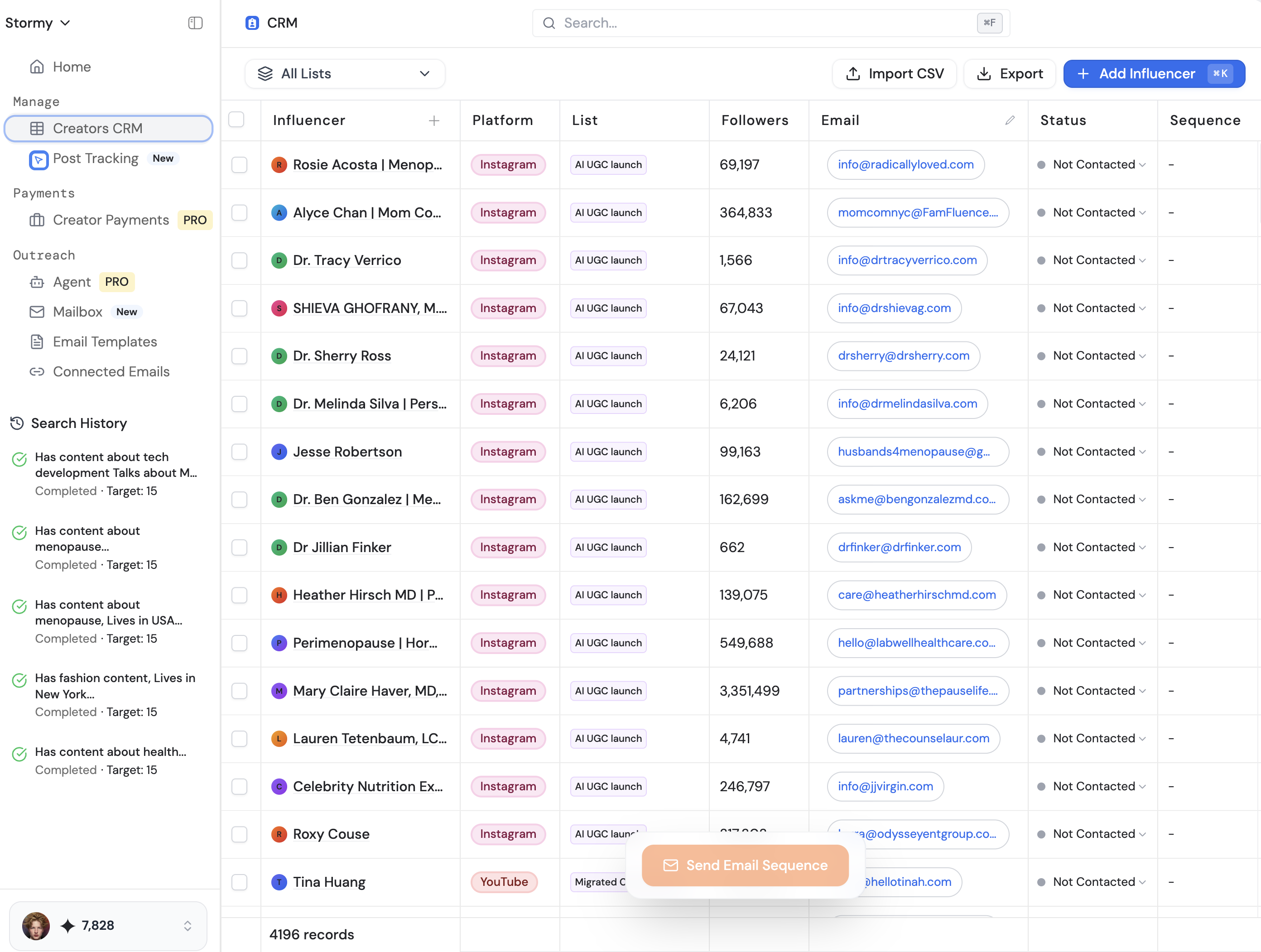
Affiliates do more than just drive sales; they create social proof. When a YouTuber creates a tutorial on how to use your tool or a blogger writes a review, it generates both immediate traffic and long-term SEO benefits through backlinks. To manage these hundreds of relationships without losing your mind, Stormy's creator CRM provides a centralized dashboard to track every interaction, negotiation, and payment in one place. This infrastructure is what allows a business to handle thousands of customers with a skeletal staff.
The Technical Stack for Seamless Scaling
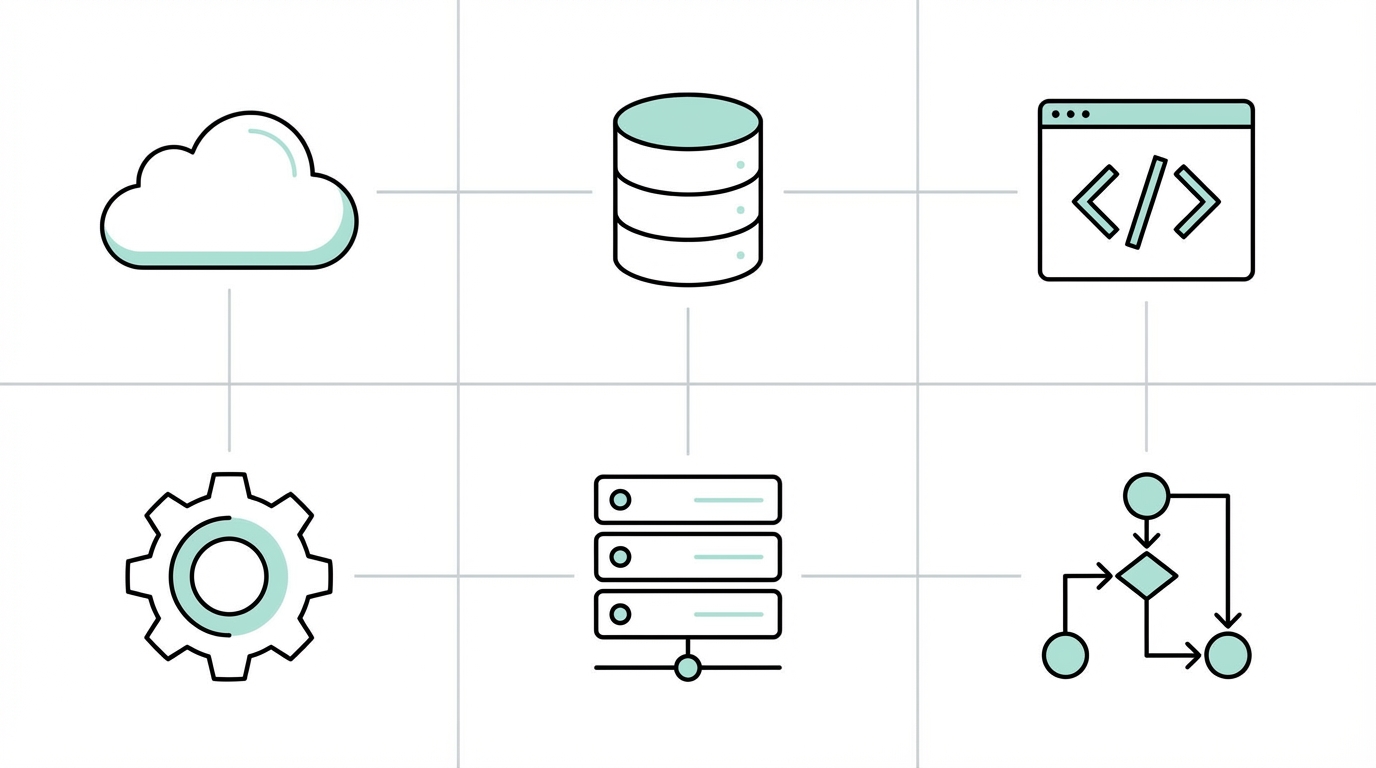
Scaling technically is just as important as scaling your marketing. A modern, efficient tech stack prevents your app from breaking under the weight of new users. Most high-growth SaaS founders today rely on Next.js and Node.js for their flexibility and speed. These frameworks, combined with deployment platforms like Vercel, allow for rapid iteration and global scalability without managing complex server infrastructure.
For payments and subscription management, Stripe remains the industry gold standard. It handles everything from global tax compliance to failed payment recovery, which is critical when you're managing thousands of customers. If you are building an app today, you can even use AI coding tools to generate 90% of the initial codebase. The goal is to build a Minimum Viable Product (MVP) in two weeks, launch it with ads, and then iterate based on actual user data rather than assumptions.
The Power of Faceless Video and UGC
A burgeoning trend in SaaS growth is the use of faceless YouTube and TikTok channels. By creating automated, UGC-style (User-Generated Content) videos that showcase your product in action, you can drive massive attention without ever appearing on camera. As noted in HubSpot's state of marketing report, short-form video is currently the highest ROI social format.
This automated video approach, often referred to as "programmatic video marketing," can be tracked and optimized just like any other channel. Using Stormy's post tracking and analytics, founders can monitor which videos are driving the most engagement and adjust their content strategy accordingly. This creates a 24/7 visibility engine that works while you sleep, feeding your funnel with fresh leads from social platforms where your audience is already spending their time.
Conclusion: Your Roadmap to $35K MRR
Scaling a SaaS to $35K MRR is a marathon of strategic phases. It begins with rigorous validation—building products in markets that already show a willingness to pay. From there, you use paid ads for SaaS to ignite the engine and gather data. As the product matures, you shift your focus to SEO and affiliate marketing to build a sustainable, compounding moat that protects your margins and grows your brand organically.
The modern founder's advantage lies in AI-powered tools. Whether you are using AI to write code, generate SEO content, or discover the perfect influencers to promote your brand, the ability to automate the mundane is what separates those who struggle from those who scale. If you're ready to start your journey, begin by identifying a successful product, making it 1% better, and using Stormy AI's outreach and email tools to connect with the creators who will help take your growth to the next level.