In 2026, the old mantra of "build it and they will come" has been completely cremated. The SaaS landscape is more crowded than ever, and the barrier to entry for building software has dropped to near zero thanks to advanced AI agents. Today, the winners aren't those who write the cleanest code; they are the founders who master a B2B SaaS distribution strategy with surgical precision. This is the story of how founders are leveraging intent-based marketing and AI-assisted development to scale from zero to $40,000 Monthly Recurring Revenue (MRR) in record time.
We recently analyzed the success of Mickey, the founder of Late, a social media API that hit $40K MRR in just seven months. His secret wasn't chasing viral TikTok trends or building a massive personal brand on X. Instead, he focused on a single, high-intent channel: Google Search. By combining the speed of Claude Code for development with a disciplined search engine strategy, he turned his startup into a "math problem" where $1 in ads returned $2.50 in revenue.
The 2026 Distribution Shift: Why One Channel is 100x Better Than Ten
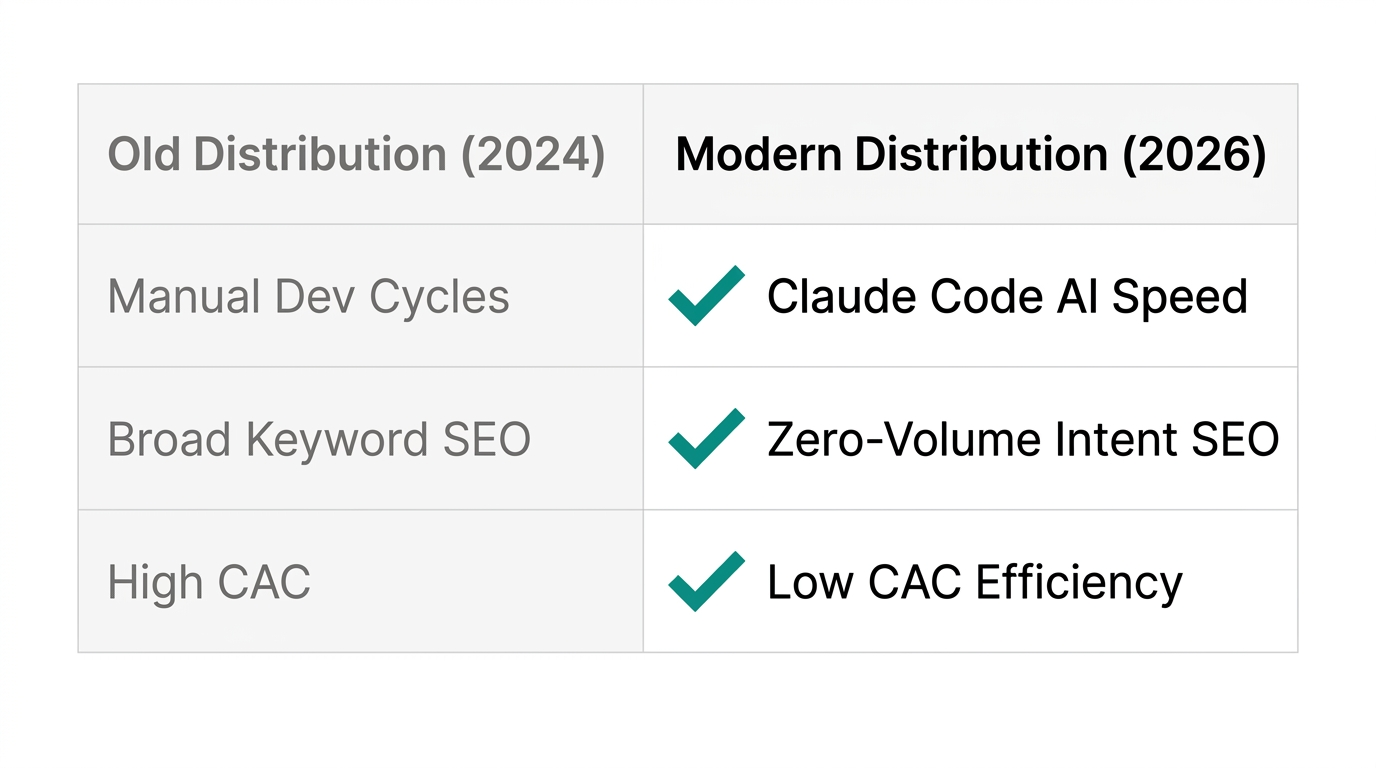
The most common mistake founders make in 2026 is "mediocrity spread." They try to be on LinkedIn, TikTok, Reddit, and Threads simultaneously, hoping something sticks. But as Mickey notes in his Starter Story interview, "Picking one growth channel and getting really good at it was 100 times better than being mediocre at ten channels."
In the current market, Google Search marketing for startups remains the king of intent. While social media is great for awareness, Google captures users at the exact moment they have a problem they are willing to pay to solve. If someone searches for a "social media scheduling API," they aren't looking for entertainment—they are looking for a checkout button.
"The key to $40K MRR isn't creating demand through viral content; it's capturing the high-intent demand that already exists in the search bar."The 5-Step SaaS Playbook: From Zero to $40K MRR
Access the free template and playbook designed to help you identify successful product opportunities.
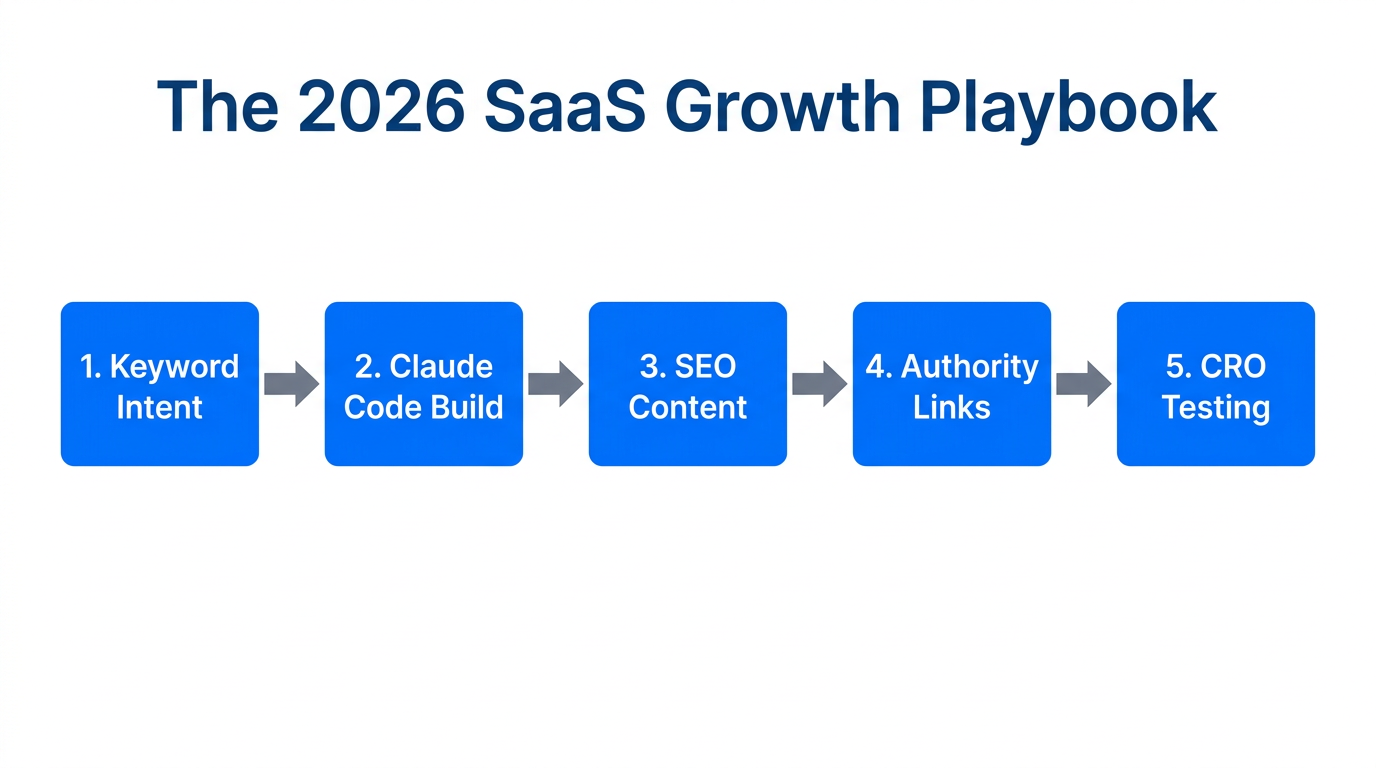
Scaling a SaaS today requires a methodical approach. You cannot rely on luck. You need a system that treats growth like a predictable engine. Here is the framework used to hit $40K MRR in less than a year.
Step 1: Identifying Core High-Intent Keywords
Don't start with broad industry terms. Start with the keywords that are "closest to the money." Use tools like Ahrefs to find keywords with 300-800 monthly searches that have low competition but extreme commercial intent. For a social media API, that means targeting "Twitter automation tool" or "Instagram scheduling API" rather than just "social media tips."
Step 2: The 'First Week Sprint' Method
Speed is your only advantage as a startup. Instead of trickling out one blog post a week, use the First Week Sprint. Push 10-15 high-quality articles or landing pages immediately. These should be in-depth guides that solve the specific problem the user searched for. This builds immediate SEO momentum and gives Google's crawlers enough data to start ranking your site.
Step 3: Launching Paid Search as an Accelerator
While SEO (Search Engine Optimization) compounds over time, Google Search Ads provide immediate feedback. Mickey spent roughly $8,000 per month on ads to generate $15,000 in MRR. The trick is to create custom landing pages for every single ad group. If someone clicks an ad for an "Instagram API," they should land on a page that specifically mentions Instagram, not a generic homepage.
| Strategy Phase | Focus Area | Expected Outcome |
|---|---|---|
| Phase 1: Organic | Long-tail high-intent keywords | Compounding traffic & $8K+ MRR |
| Phase 2: Paid | Automated bidding (Target CPA) | Immediate feedback & $15K+ MRR |
| Phase 3: Scale | Double down on high ROI keywords | $40K+ MRR Milestone |
Step 4: Optimizing Based on Unit Economics
Once you have data coming in from PostHog or Google Search Console, you must optimize. Stop spending on keywords that get clicks but no signups. In 2026, successful SaaS founders act like portfolio managers—reallocating budget from low-performing "informational" keywords to high-performing "commercial" keywords.
Step 5: Benchmarking Your CAC
Your goal is to keep your Customer Acquisition Cost (CAC) under 30% of your first-year revenue. If a customer pays you $1,000 in their first year, you should ideally spend no more than $300 to acquire them. This ensures that even with a standard churn rate, your business remains highly profitable from day one.
Leveraging Claude Code to Reclaim Your Time
Learn how modern AI tools allow anyone to build applications without deep coding knowledge.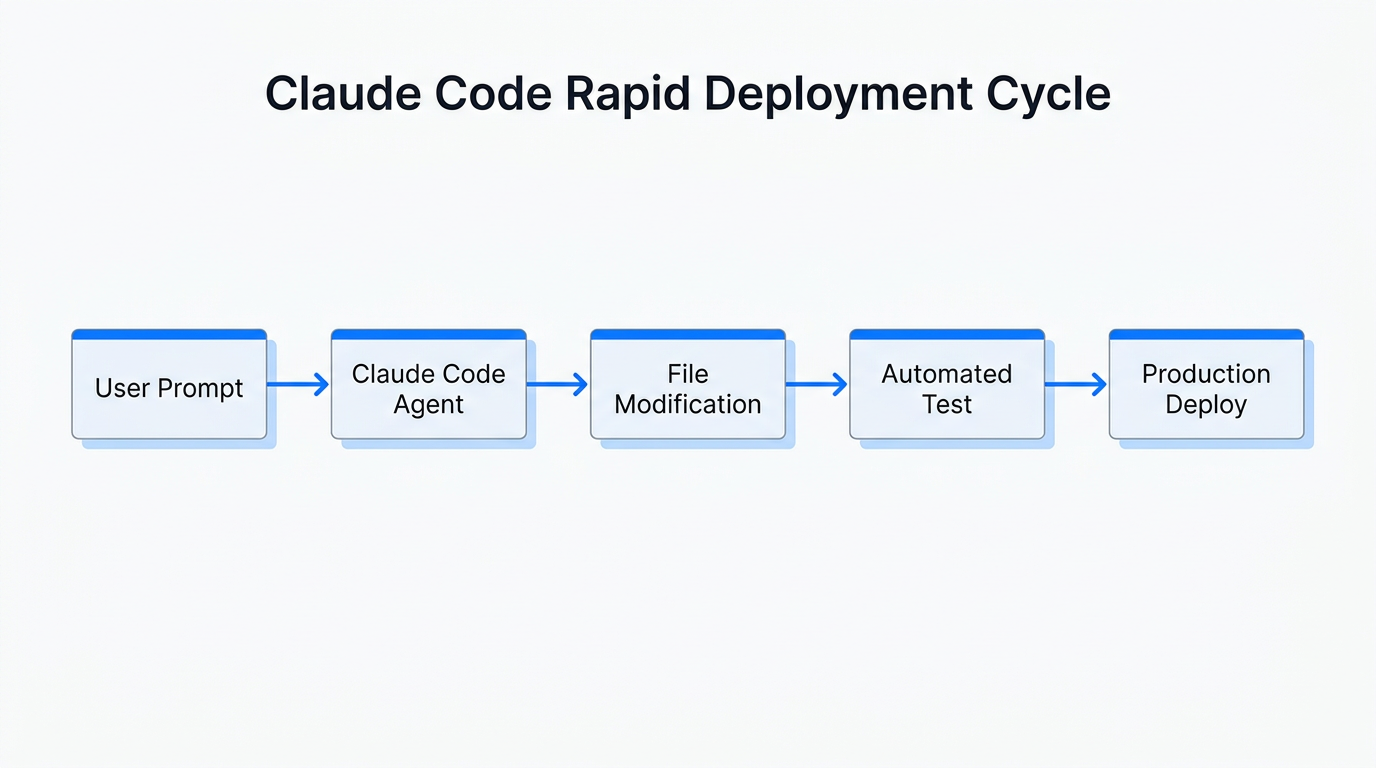
The most significant shift in this SaaS growth playbook 2026 is the division of labor. In previous years, founders spent 90% of their time coding and 10% on marketing. In 2026, that ratio has flipped. By using Claude Code, founders can generate entire features, debug complex API integrations, and write documentation in seconds.
Claude Code allows you to maintain a "developer-friendly" product without needing a 10-person engineering team. This speed allows you to spend the vast majority of your day on distribution. Remember: the best product doesn't always win; the best-distributed product does.
"In 2026, coding is a commodity. Distribution is the only true moat."When your technical hurdles are minimized by AI, you can focus on building advanced marketing systems. For instance, once you have your search engine strategy running, you can look into influencer-led growth. Platforms like Stormy AI can help you discover and outreach to creators who can amplify your tool's reach on platforms like TikTok and LinkedIn, providing the social proof that drives search intent even higher.
Zero to 40K MRR Case Study: The Numbers
Discover how this specific strategy allowed the team to hit forty thousand monthly recurring revenue.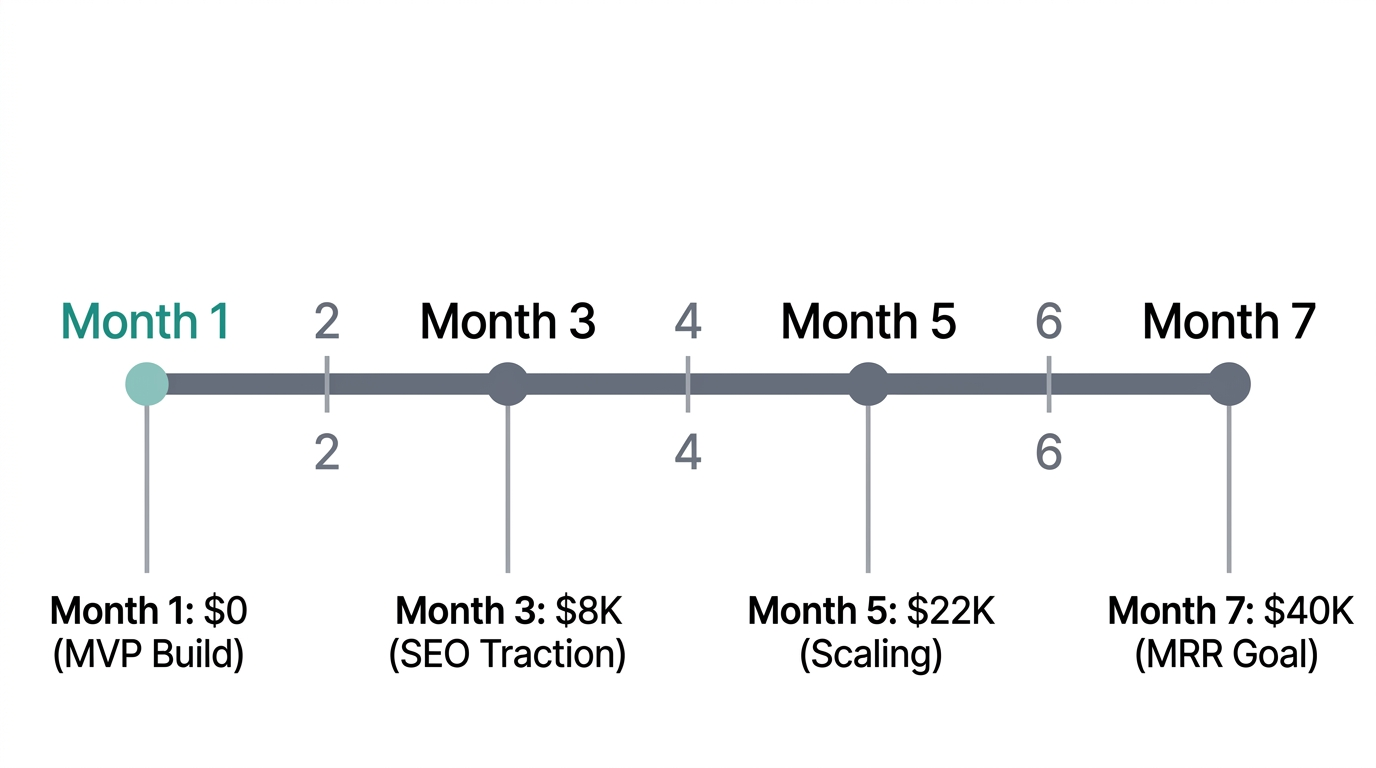
Let's look at the actual unit economics of a successful 2026 SaaS launch. Mickey's app, Late, utilized a tiered pricing model that targeted developers. Because they focused on high-intent search, their conversion rate was significantly higher than industry averages.
- Total Signups: 50,000+
- Paying Users: 700+
- Churn Rate: Less than 10%
- Ad Spend: $8,000/month
- Revenue from Ads: $15,000 MRR
- Revenue from Organic: $8,000 MRR
By treating the business as a math problem, the founder was able to scale predictably. Every time they identified a keyword that was profitable, they simply increased the budget on Google Ads until they hit the ceiling of search volume for that term.
The Verdict: Is SEO Dead in 2026?
Explore the reality of Google search rankings and why organic traffic remains a powerhouse today.You will often hear pundits claim that "SEO is dead" because of AI search engines. The reality is more nuanced. Informational SEO—the kind that answers simple questions—is indeed struggling. However, Intent-Based SEO is more valuable than ever. People still use Google to find tools, services, and software. If you can position your SaaS as the answer to a specific "I need to buy X" query, you will continue to thrive.
To win in 2026, you must combine the power of AI-assisted development via Claude Code with a relentless focus on search-based distribution. Start by pushing your first 15 articles, launch your first $50/day ad campaign, and measure your CAC relentlessly. If the math works, keep pouring gasoline on the fire until you hit that $40K MRR milestone.
Ready to scale your creator outreach alongside your search strategy? Use Stormy AI to automate the discovery and management of influencers who can drive even more high-intent traffic to your brand.