In the high-stakes world of consumer software, 2026 has become the year of the "Micro-Exit." While most founders spend years grinding toward a hazy acquisition, Caleb Dean managed to sell his app, Runify, after just 26 days of revenue. The buyer didn't just pay for existing cash flow; they paid for a perfectly engineered market validation that proved a massive revenue ceiling before the first line of production code was ever written. This wasn't luck—it was the execution of the Runify Framework, a repeatable strategy for identifying and disrupting high-revenue app niches without reinventing the wheel.
By the time Runify hit the App Store, it already had 2,000 waitlist signups and 90 paying customers for a product that literally didn't exist yet. The secret? Finding a proven niche, adapting a successful model from a parallel market, and leveraging aggressive organic distribution. Whether you are a solo dev or an agency founder, the 2026 app market research playbook starts with data, not intuition.
The $100k/Month Benchmark: Why You Need a Crowded Room
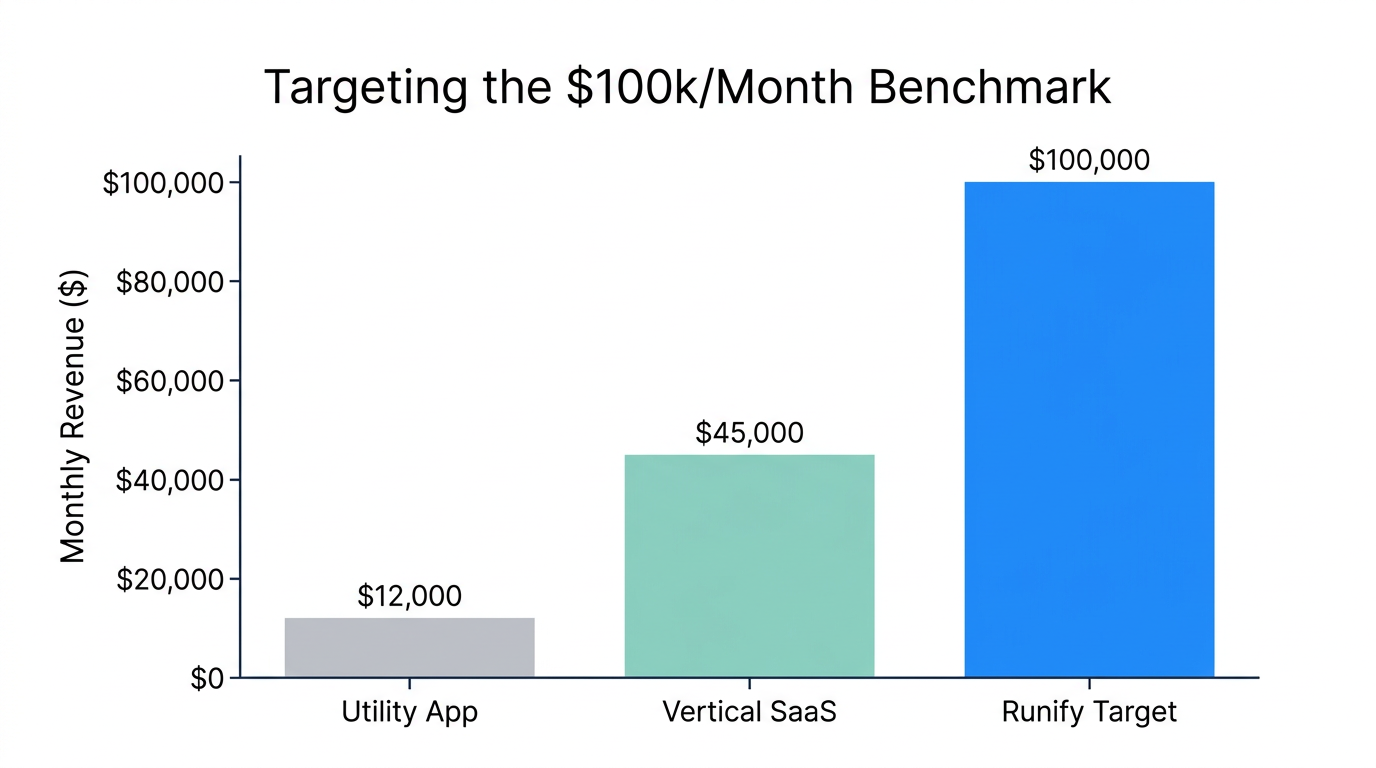
The biggest mistake app entrepreneurs make is looking for "blue oceans"—niches with zero competition. In 2026, a lack of competition usually signals a lack of monetization potential. The Runify Framework dictates that you should only enter a niche if you can find at least three apps hitting a minimum of $100,000 in monthly revenue.
Why three? One app could be a fluke or a legacy giant. Two apps show a trend. Three apps prove a sustainable, competitive market where users are actively opening their wallets. Caleb Dean didn't start with a blank slate; he looked at Sensor Tower data for apps like Liftoff, a gamified fitness app generating over $700,000 per month. Seeing those numbers provided the "permission" to build. If people were paying six figures a month for ranked gym workouts, they would almost certainly pay for ranked running.
"If you find a niche with no competition, you haven't found a gold mine—you've found a graveyard. High-revenue competitors are the ultimate proof of user demand."Cross-Niche Adaptation: Cloning the Success, Not the App
Caleb explains how he adapted a successful gym app concept specifically for the running niche.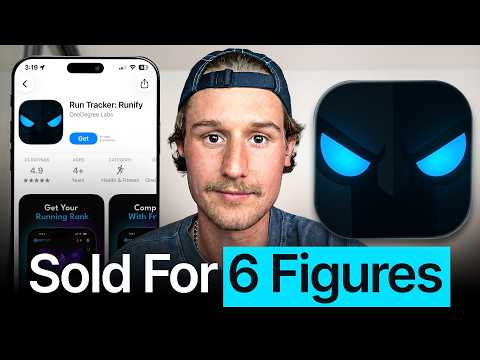
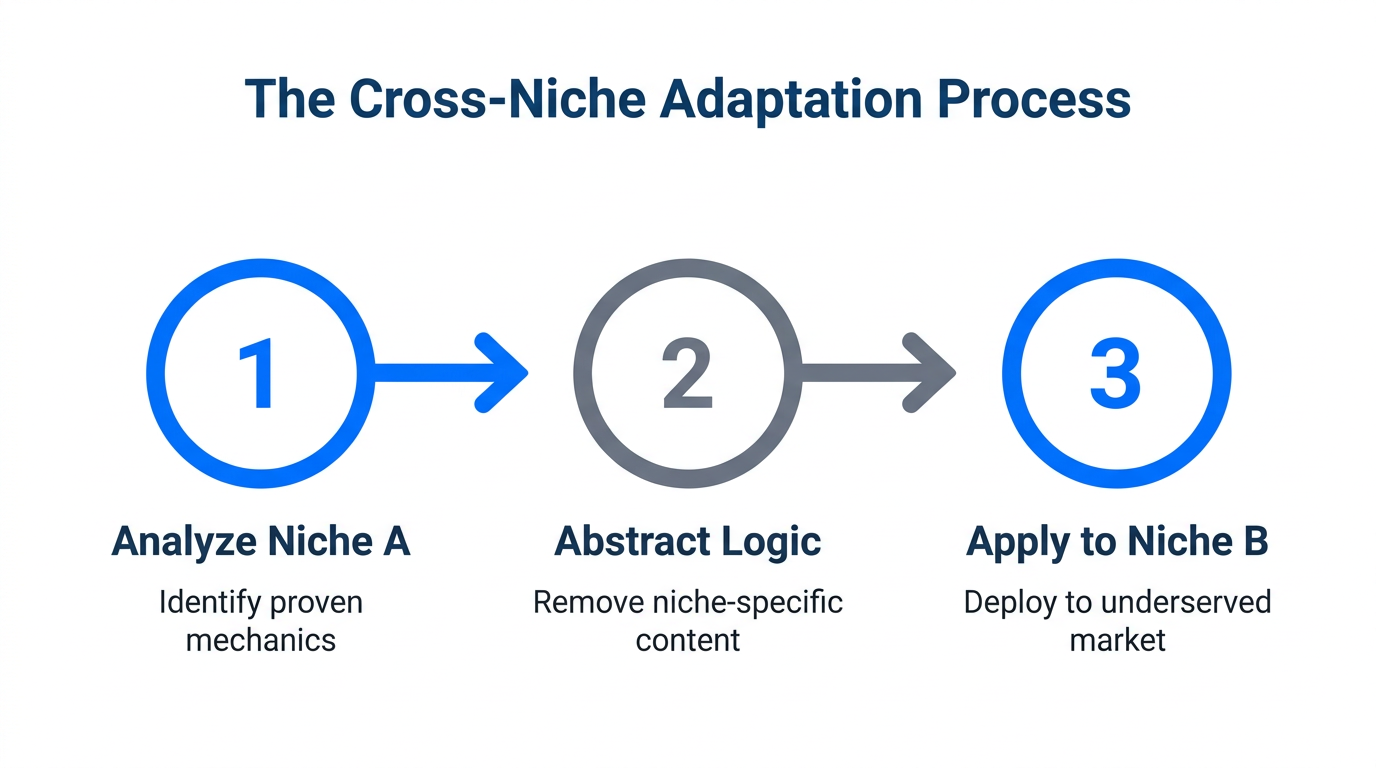
The core of the Runify business model is Cross-Niche Adaptation. This isn't about being a "copycat" in the same category; it’s about taking a proven mechanics/incentive structure from Category A and applying it to Category B. Runify successfully cloned the "ranking" model of Liftoff (Gym) and ported it over to the Running market. Running is a massive Total Addressable Market (TAM), yet most apps were either utilitarian trackers like Strava or basic coaching tools.
By implementing a rank-to-run system—where GPS data earns you divisions and medals—Runify gamified an existing habit. To validate this, Caleb used ChatGPT to build a simple HTML landing page with a Stripe link. He didn't build the app first. He built the distribution engine first.
The 30-Minute Validation Checklist
- Identify the Alpha: Find an app in a parallel niche doing $200k+ MRR (e.g., a "ranked" app for gym-goers).
- Draft the Pivot: Can this mechanic (ranking, streaks, AI-generated plans) be applied to a different high-intent habit?
- The Ghost Landing Page: Use a tool like Framer or a ChatGPT-generated HTML site to pitch the concept.
- The $5 Test: Offer an "Early Adopter" lifetime deal for $5. If 50-100 people pay, you have a business.
The VC-App Warning: Spotting Distorted Markets
Why you should be cautious when analyzing the profitability of heavily VC-funded competitor apps.Not all six-figure revenue is created equal. When performing competitor analysis, you must distinguish between bootstrapped profitability and venture-backed growth. Many top-grossing apps in 2026 are subsidized by venture capital, meaning their Customer Acquisition Cost (CAC) is intentionally higher than their Lifetime Value (LTV).
Take an app like Reframe (a quit-drinking app). On Sensor Tower, it shows massive revenue—$400k+ per month. However, a deeper look reveals they have raised $24 million. They are likely spending $50,000 to acquire $10,000 in MRR, playing a ten-year market domination game. As a bootstrapped founder, you cannot compete in a niche where the "winning" apps have a 12-month payback period funded by a Series B.
| Metric | Bootstrapped (Runify Model) | VC-Backed (Reframe Model) |
|---|---|---|
| Primary Goal | Day 1 Profitability | Long-term Market Dominance |
| Distribution | Organic (IG/TikTok/SEO) | Paid (Meta/Apple Search Ads) |
| Validation | 90 people paying $5 upfront | Raising $24M on user growth |
| Payback Period | Instant (pre-orders) | 6-12 months |
Avoid niches where the top 3 players have raised over $10M. These companies can afford to outbid you on every keyword in Apple Search Ads. Instead, look for niches where the leaders are App Studios or independent founders who must be profitable to survive.
"High revenue without a high funding round is the green light every app founder should look for. It means the product—not the bank account—is doing the heavy lifting."Distribution Mechanics: 9 Reels a Day and AI Agents
Caleb details the organic distribution strategy on Instagram and TikTok that fueled their rapid growth.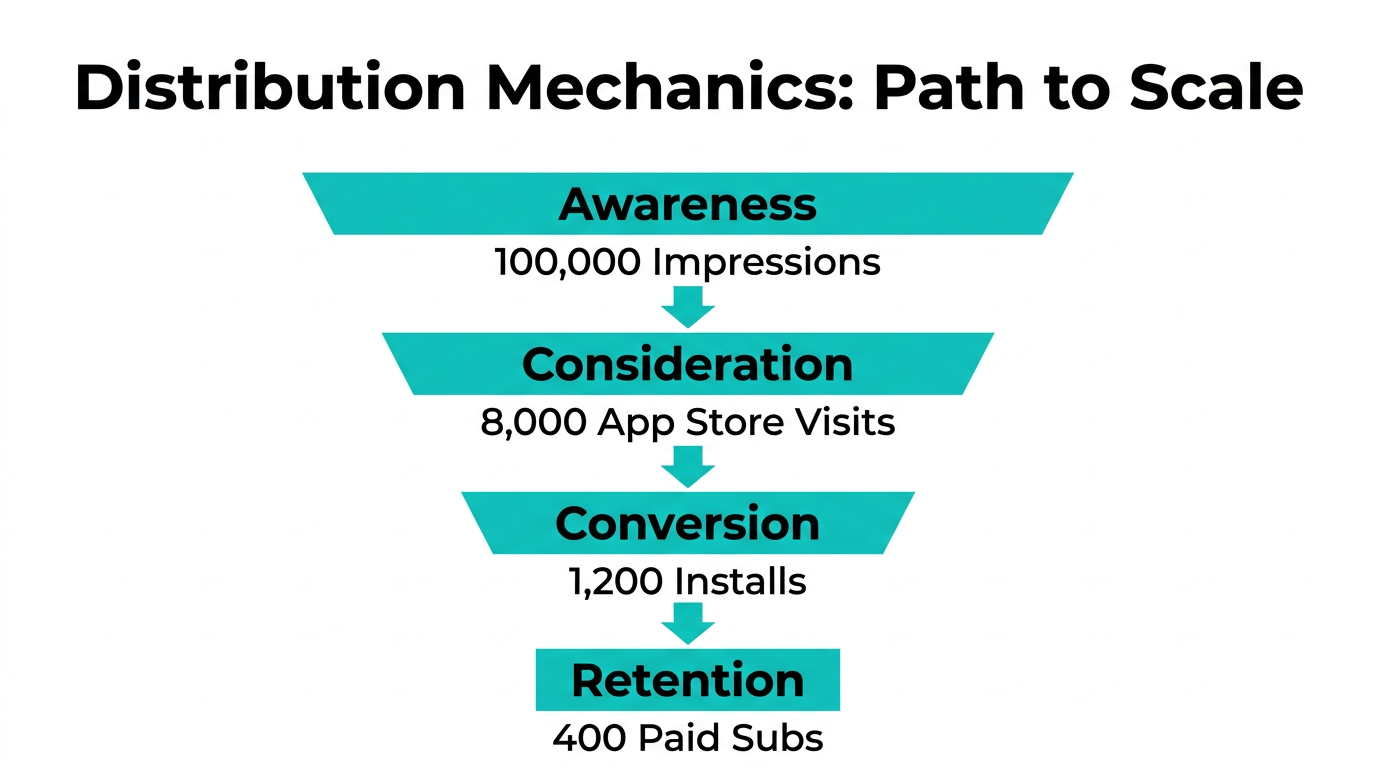
Caleb’s strategy for Runify involved extreme volume. In 2026, social algorithms (especially Instagram) do not punish high-frequency posting if the content format is proven. Runify’s team was posting up to nine Instagram Reels per day. To achieve this without burning out, they built an internal tool that could generate 10,000 variations of a viral video format in under a minute.
For founders who aren't developers, using a platform like Stormy AI allows you to discover the exact TikTok and Instagram creators who are already dominating your niche. Instead of guessing which formats work, you can use Stormy’s AI discovery engine to find influencers with 10k-100k followers who have high engagement in the health/fitness or gaming space.
Leveraging Stormy AI for App Growth
Once you’ve validated your niche, the next step is outreach. Rather than manually DMing creators, Stormy AI can set up an autonomous AI Agent that discovers, contacts, and follows up with UGC creators on a daily schedule. This allows you to focus on the product while the AI handles the distribution flywheel—the same way Caleb's CTO built tools to automate their 5 million monthly organic views.
Integrating with Giants: Compete vs. Layer
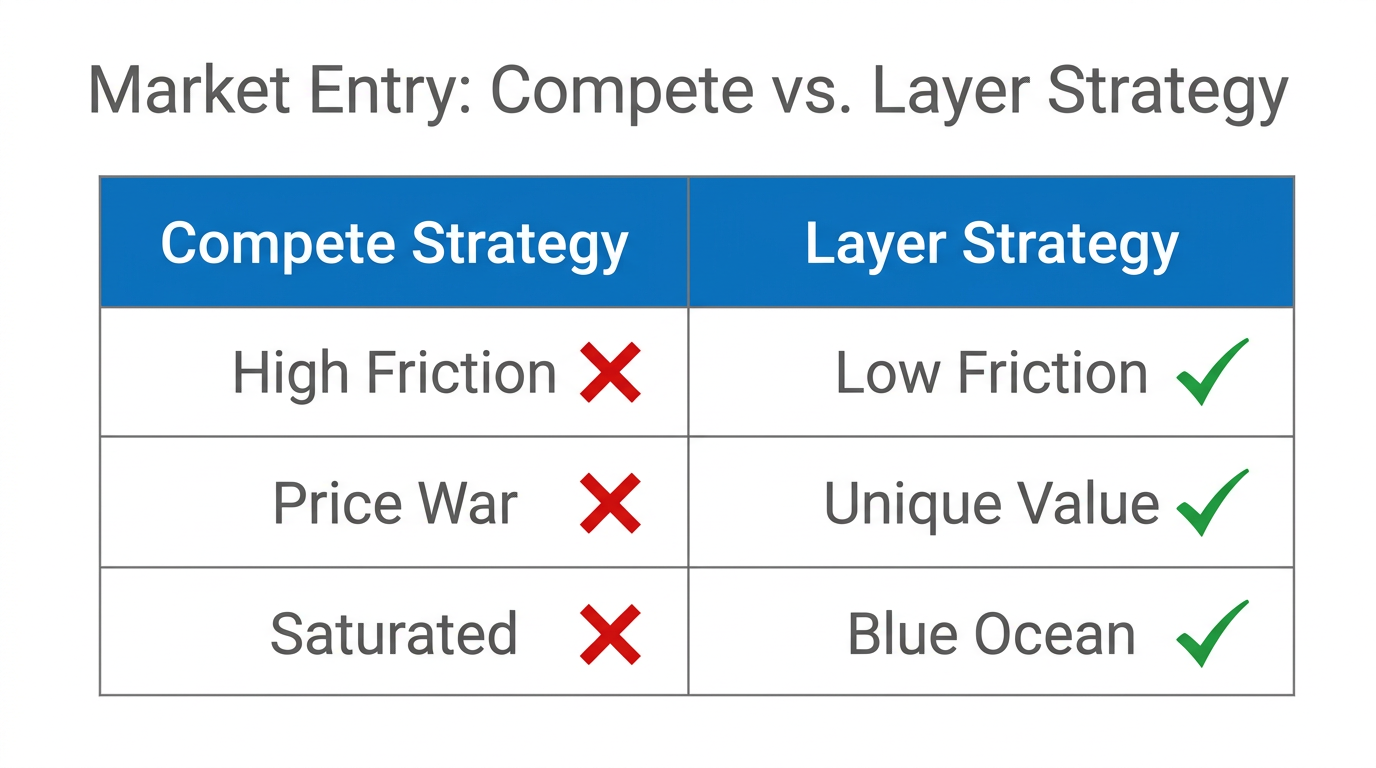
When entering a mature market, you must decide: Are you competing with the monopoly, or layering on top of it? Runify didn't try to replace Garmin or Apple Health. Instead, it built deep API connections to all of them.
Users didn't have to switch their tracking habits; they simply connected their existing data to Runify to see where they ranked. This lowered the friction to entry significantly. In your entrepreneurship strategy, always look for ways to make your app a "value-add" to an ecosystem that users already trust. If you can layer social status (ranks) on top of utility data (GPS tracking), you have a winner.
The App Store Pre-Order Hack: Seeding the Social Graph
How to use App Store pre-orders to ensure your app automatically downloads upon launch.One of the most underutilized strategies in 2026 is the App Store Pre-Order. Caleb put Runify up for pre-order two weeks before the build was even finished. This did three things:
- Automatic Downloads: The moment the app went live, it automatically downloaded to 3,000 devices.
- Instant Social Density: Because Runify has a leaderboard, it would have felt "dead" if only 5 people were on it at launch. With 3,000 users hitting the app simultaneously, the leaderboard was full within an hour.
- The Apple Push: Every pre-order user gets a push notification and an email from Apple the second you launch, providing a massive, free spike in Day 1 retention.
"Pre-orders are the only way to launch a social app without the 'Empty Room' problem. It's the difference between a launch that fizzles and one that exits in 26 days."Conclusion: The 2026 Founder-Market Fit
The Runify story proves that speed is a byproduct of validation. By the time Caleb Dean received a cold DM from an acquirer on Twitter, he had already de-risked the investment for them. He showed them a proven niche, a high sessions-per-device metric (7x on average), and a distribution engine that worked while he slept.
To replicate this in 2026, stop looking for new ideas. Start looking for new applications of proven mechanics. Use tools like paywallexperiments.com to optimize your monetization, and leverage Stormy AI to automate your influencer outreach. If you can find three apps making $100k/month, you've found your next project. Now, go build the "ranked" version of it.