The ROI of GPT Content Orchestration: How Brands Reduced CAC by 50% in 2026
Learn how brands are using generative AI marketing ROI to reduce customer acquisition cost by 50% through agentic content orchestration and 1:30 repurposing.
By mid-2026, the marketing landscape has undergone a fundamental shift. We have moved past the era of "AI as a writing assistant" and entered the age of Agentic Content Orchestration. For modern brands, the goal is no longer just to generate a single blog post; it is to build an autonomous engine that transforms a single executive interview or video transcript into a month-long, multi-channel marketing campaign. The business case for generative AI marketing ROI is now undeniable: companies adopting these automated workflows are seeing their Customer Acquisition Costs (CAC) plummet by up to 50%.
The Economics of Orchestration: Slashing Production Costs
In the traditional marketing model, production was often the most significant bottleneck. Creative teams spent weeks manually slicing video, writing captions, and adapting assets for different social platforms. According to research from Net Influencer, large-scale marketing budgets once saw production take up 21% of the total spend. In 2026, that figure has dropped to just 14% for organizations that have shifted to AI-driven asset adaptation.
This efficiency doesn't just save money; it generates it. When production costs fall, brands can reallocate those funds toward distribution and high-quality human creative direction. The result is a more agile marketing department that can respond to trends in real-time. Brands like Unilever have pioneered this by implementing custom GPT tools for sentiment analysis and content drafting, resulting in a 90% reduction in response time for consumer outreach.
"The real work starts after publishing. AI is the accelerant that lets great creators be great, more." — Ross Simmonds, Founder of Foundation Marketing
Reducing CAC with AI-Powered Personalization
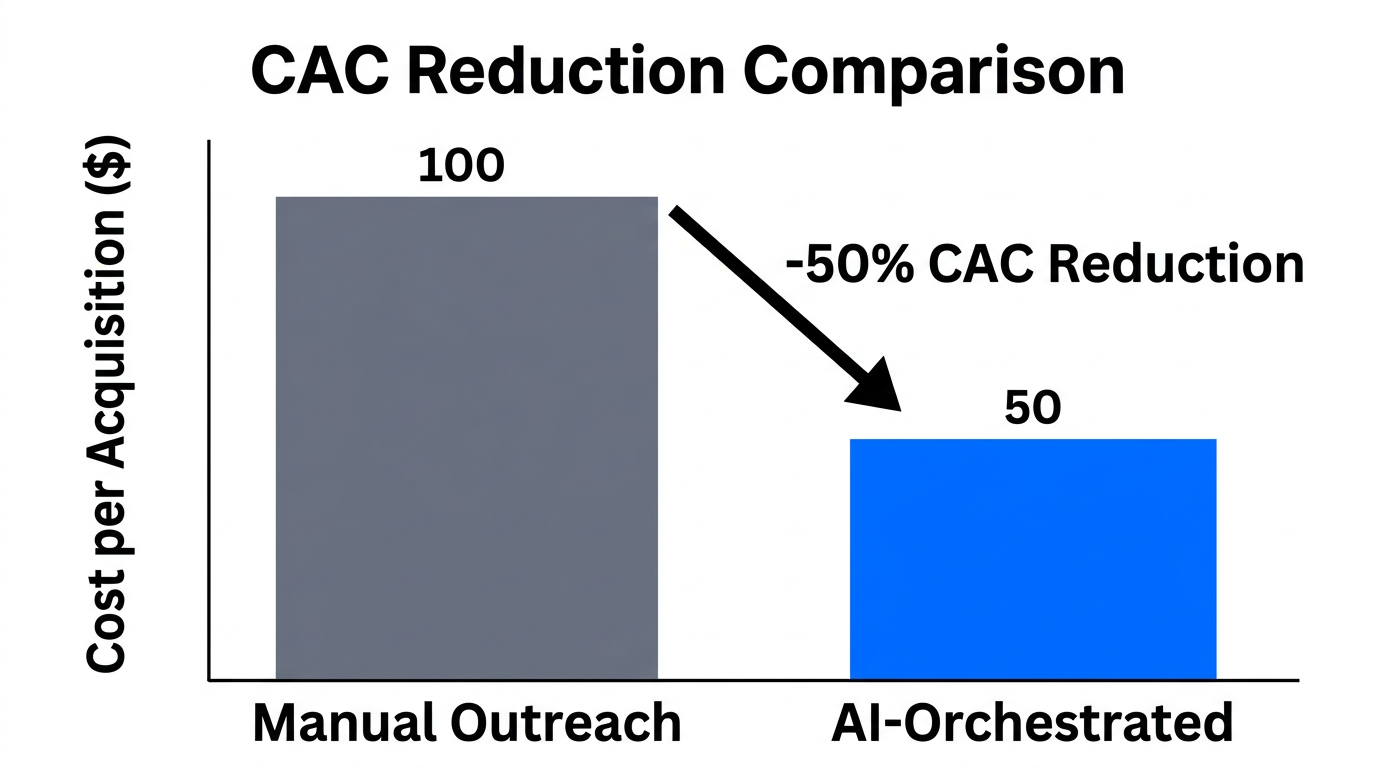
Why does content orchestration lead to a 50% reduction in CAC? The answer lies in personalization at scale. In 2026, generic mass-market content no longer converts. AI-powered agents now analyze individual buyer personas and automatically adjust the tone, format, and hook of repurposed content to match. B2B tech firms using these methods have seen a 28% increase in qualified leads and a 19% improvement in conversion rates.
By using platforms like Stormy AI to identify the right influencers and then employing agentic workflows to repurpose their UGC (User-Generated Content) into hundreds of platform-specific variations, brands ensure that every dollar spent on creator partnerships goes ten times further. This synergy between influencer discovery and automated repurposing is the gold standard for reduce customer acquisition cost with AI strategies this year.
Case Study: Tomorrow Sleep’s 10,000% Traffic Explosion
One of the most cited success stories in 2026 is Tomorrow Sleep. Instead of guessing what their audience wanted, they used AI-driven content gap analysis to identify exactly where their competitors were falling short. By repurposing core insights into a vast library of high-value articles and social snippets, they achieved a staggering 10,000% increase in web traffic, growing from 4,000 to over 400,000 monthly visits.
This wasn't just about volume; it was about precision. They used AI to ensure every piece of content answered a specific search journey, optimizing for the new "Zero-Visit Visibility" where AI search overviews summarize the brand's expertise directly on the search results page. This method has become a core component of the GPT marketing business case for high-growth startups.
The Productivity Gap: 4.5x Faster Lead Generation
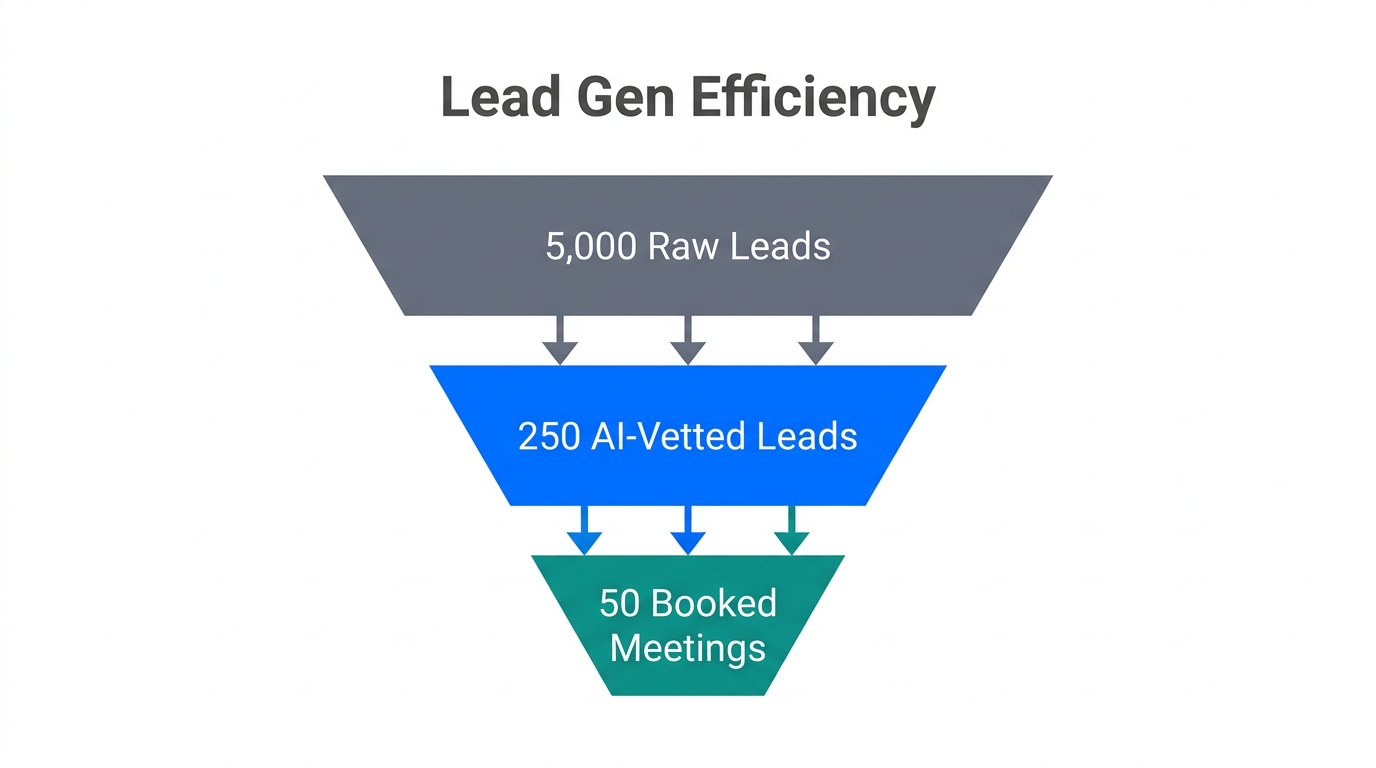
Data from Scopic Studios shows a widening gap between leaders and laggards. Marketing teams that publish at least 16 AI-assisted posts or articles per month generate leads 4.5x faster than those sticking to traditional manual schedules. This isn't just "AI slop"; these are high-quality, agent-optimized assets that maintain brand voice through tools like Jasper and Castmagic.
| Metric | Manual Workflow | AI Orchestrated Workflow |
|---|---|---|
| Production Time (per asset) | 4-6 Hours | 15-20 Minutes |
| Monthly Lead Velocity | 1x (Baseline) | 4.5x Higher |
| Budget Spent on Production | 21% | 14% |
| Qualified Lead Increase | 5% (Avg) | 28% (Avg) |
The Playbook: "1:30" Content Multiplication
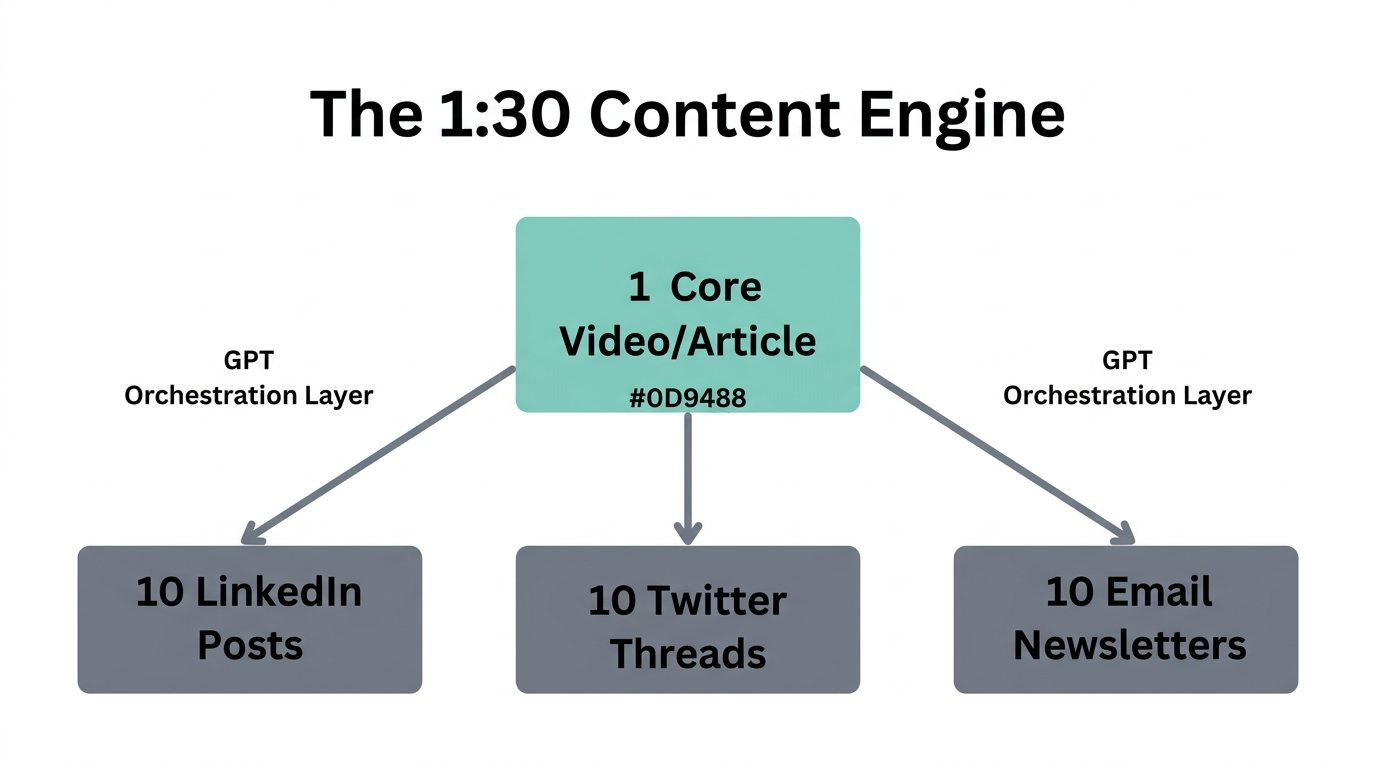
In 2026, the most successful marketers follow a "One to Thirty" strategy. The goal is to take one high-quality seed asset—like a 45-minute webinar recorded on Riverside.fm—and turn it into 30 days of distinct content. Here is the modern implementation stack:
- Seed Asset: Record an expert deep-dive or founder interview.
- Transcription & Extraction: Use Descript to pull key insights, contrarian takes, and actionable tips automatically.
- Video Slicing: Deploy OpusClip or Munch to find the highest-scoring "viral" moments for TikTok and YouTube Shorts.
- Agentic Transformation: Use a framework like CrewAI to autonomously generate LinkedIn carousels, Twitter threads via Taplio, and image quotes in Canva.
- Autonomous Distribution: Schedule across 30+ platforms using Metricool.
"Repetition isn't your enemy; it's your ally. Consistency is what builds brands in an era of infinite noise." — Justin Welsh, Solopreneur
Navigating 'AI Credibility Fatigue' in 2026
As powerful as these tools are, we have reached a point of "AI Ick." A recent survey found that 66% of consumers feel exhausted by the sheer volume of AI-generated content, and some reports suggest over 40% admit they don't trust much of what they see online. This is where the Hybrid Human-AI model becomes essential.
To maintain trust, brands must keep a "Human-in-the-Loop" for quality control. Research from Nieman Lab shows that consumer comfort with AI content jumps significantly if there is a clearly stated human oversight process. Furthermore, Google’s latest core updates in 2026 continue to deindex sites that rely on "Scaled Content Abuse" without original insight. Originality is the only hedge against de-indexing.
The Future of AgentOps and AI Citations
Looking ahead, we are moving toward "Agent-to-Agent Marketing." With 24% of users now using personal AI research assistants to make buying decisions, your content must be optimized for AI Citations. This means structuring your repurposed content with technical data and clear takeaways that AI assistants can easily scrape and summarize as the definitive answer.
For brands leveraging influencer marketing, this means using tools like Stormy AI not just to find creators, but to manage the entire lifecycle of content that those creators produce. By treating every influencer video as a "seed asset," you can feed your orchestration engine and dominate the digital conversation without increasing your headcount.
Conclusion: Building Your 2026 Content Engine
The AI lead generation benchmarks for 2026 are clear: speed, scale, and personalization are the keys to winning. To reduce your CAC by 50%, stop thinking about content in terms of individual posts and start thinking in terms of ecosystems. Embrace agentic workflows, prioritize human-in-the-loop quality, and ensure your influencer assets are being squeezed for every drop of value through intelligent repurposing.