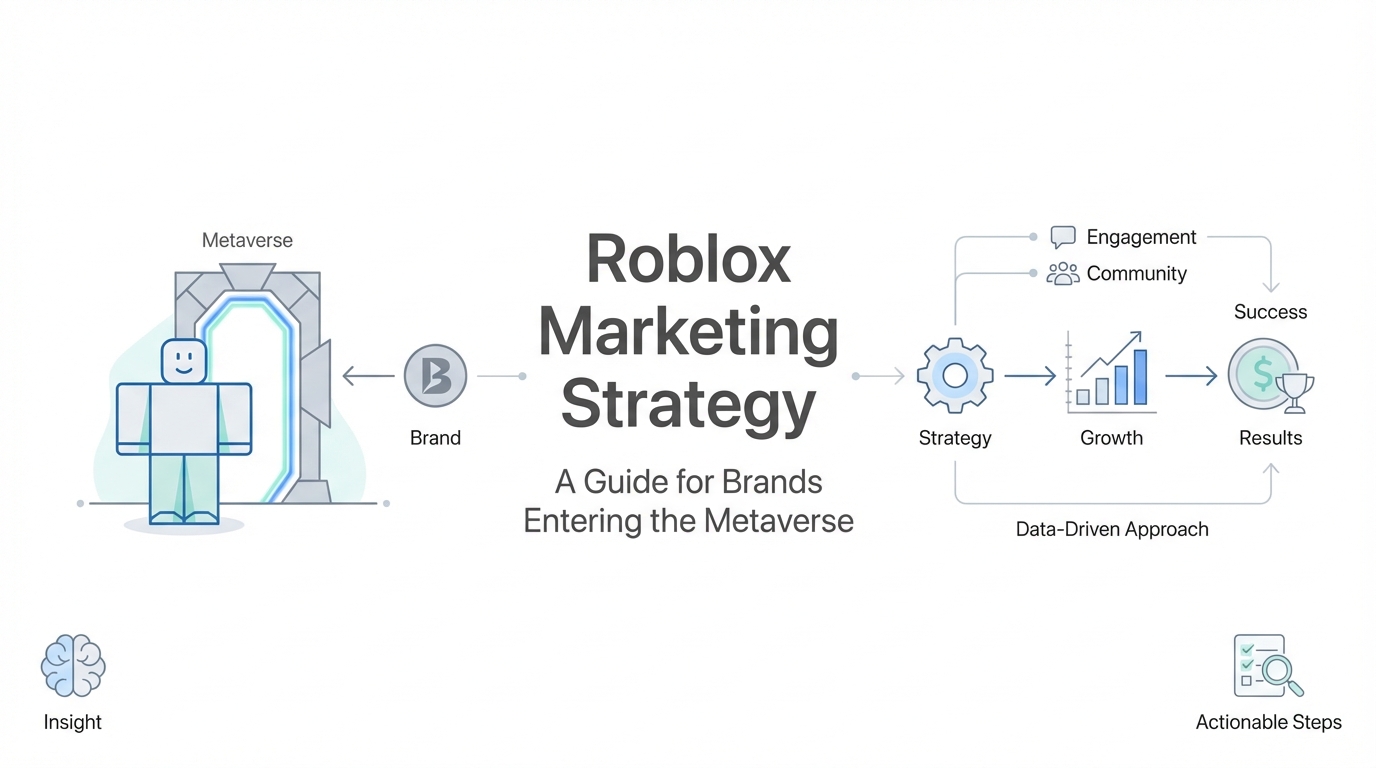
Roblox is no longer just a digital playground for kids; it has evolved into a global economic powerhouse and a primary social hub for Gen Z and Gen Alpha. With over 70 million daily active users spending an average of 2.5 hours on the platform every day, the potential for brand engagement is staggering. For marketing managers and agency owners, crafting a successful roblox marketing strategy means moving beyond traditional 2D advertising and entering a world of immersive, interactive storytelling. Brands like Nike, SpongeBob, and even MrBeast are proving that Roblox is the new frontier for building lifelong brand loyalty through play rather than passive consumption.
Understanding the "YouTube of Video Games" Model

To understand the core of a roblox marketing strategy, one must first view the platform through a different lens. As industry experts noted in a recent Starter Story investigation, Roblox is essentially the "YouTube of video games." This analogy is critical because it explains the platform's decentralized nature. On YouTube, anyone can upload a video; on Roblox, anyone can publish a game. This creates a massive, ever-changing library of content where discoverability is driven by algorithmic recommendations and social trends rather than top-down editorial control.
For brands on Roblox, this means the barrier to entry is lower than building a standalone AAA game, but the competition for attention is higher. Success requires understanding that users are looking for experiences that are clickable, social, and replayable. If a game isn't clickable, no one starts it; if it isn't social, no one invites their friends; and if it isn't replayable, the engagement dies after ten minutes. Modern brands are now using Stormy's AI search for discovery across TikTok, YouTube, Instagram, LinkedIn, and newsletters to identify trending niches and top-performing creators who already understand these mechanics, ensuring their brand world doesn't just exist but thrives within the ecosystem.
Interactive Experiences vs. Traditional Advertising
In the traditional marketing world, a brand might buy a 30-second spot on a video or a banner on a website. In the metaverse, that approach is largely ignored by the target demographic. Metaverse marketing for brands relies on participation. Instead of showing an ad for a sneaker, Nike built "Nikeland," where users can play tag, participate in hurdles, and outfit their avatars in digital apparel. This creates lifelong fans because the brand becomes the facilitator of the fun rather than an interruption to it.
When SpongeBob SquarePants entered the platform, they didn't just place billboards; they created worlds that allowed players to live in Bikini Bottom. This shift in roblox marketing strategy turns customers into active participants in the brand's narrative. However, building the world is only half the battle. To ensure these worlds stay populated, brands must treat their Roblox presence like a living product, constantly updating content and introducing new "Robux-ready" digital items (UGC) that users can collect and show off to their friends.
Roblox Influencer Marketing: The Engine of Discovery
While the Roblox algorithm helps with organic discovery, the most successful roblox social media campaigns are fueled by influencers. Creators like MrBeast have recognized this, making massive entrances into the platform because they realize that their audience is already there. For a brand, a single video from a top-tier Roblox YouTuber can drive hundreds of thousands of concurrent players to a custom world in a matter of hours.
The challenge for agencies is finding creators who are authentic to the community. This is where Stormy AI for influencer vetting and fake follower detection becomes indispensable. Marketing managers can paste a creator's profile and immediately detect fake followers or engagement fraud, ensuring that the budget is spent on influencers who actually have the ear of Gen Z. Vetting creators for content quality and audience demographics is the difference between a viral hit and a costly failure in roblox influencer marketing.
The 45-Step Content System for Viral Campaigns
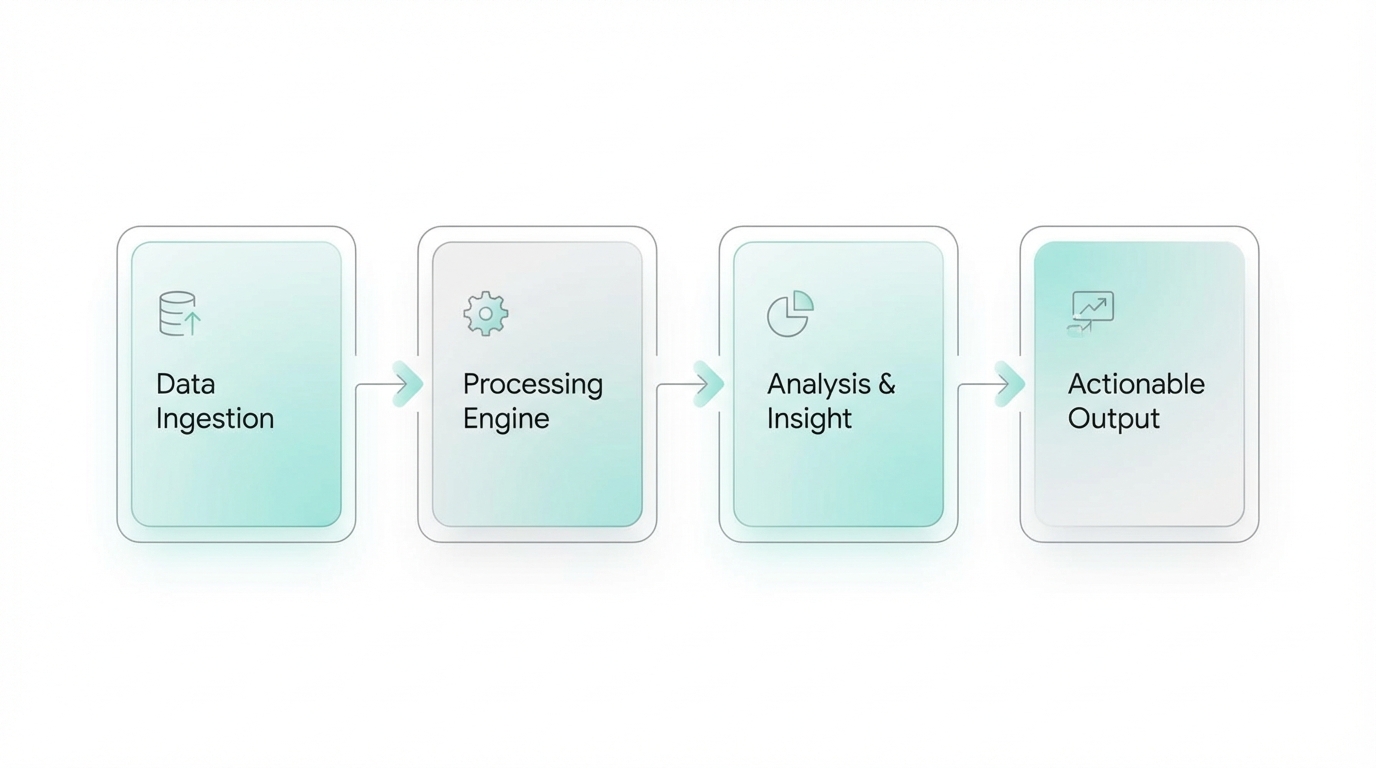
Driving traffic to a Roblox game requires more than just launching the game itself; it requires a sophisticated social media content engine. Successful agencies like Vector 3 use a rigorous 45-step system to produce high-quality video trailers and TikTok campaigns that generate millions of views. This system includes everything from initial scriptwriting and storyboarding to using motion graphics and specialized actors to record in-game footage.
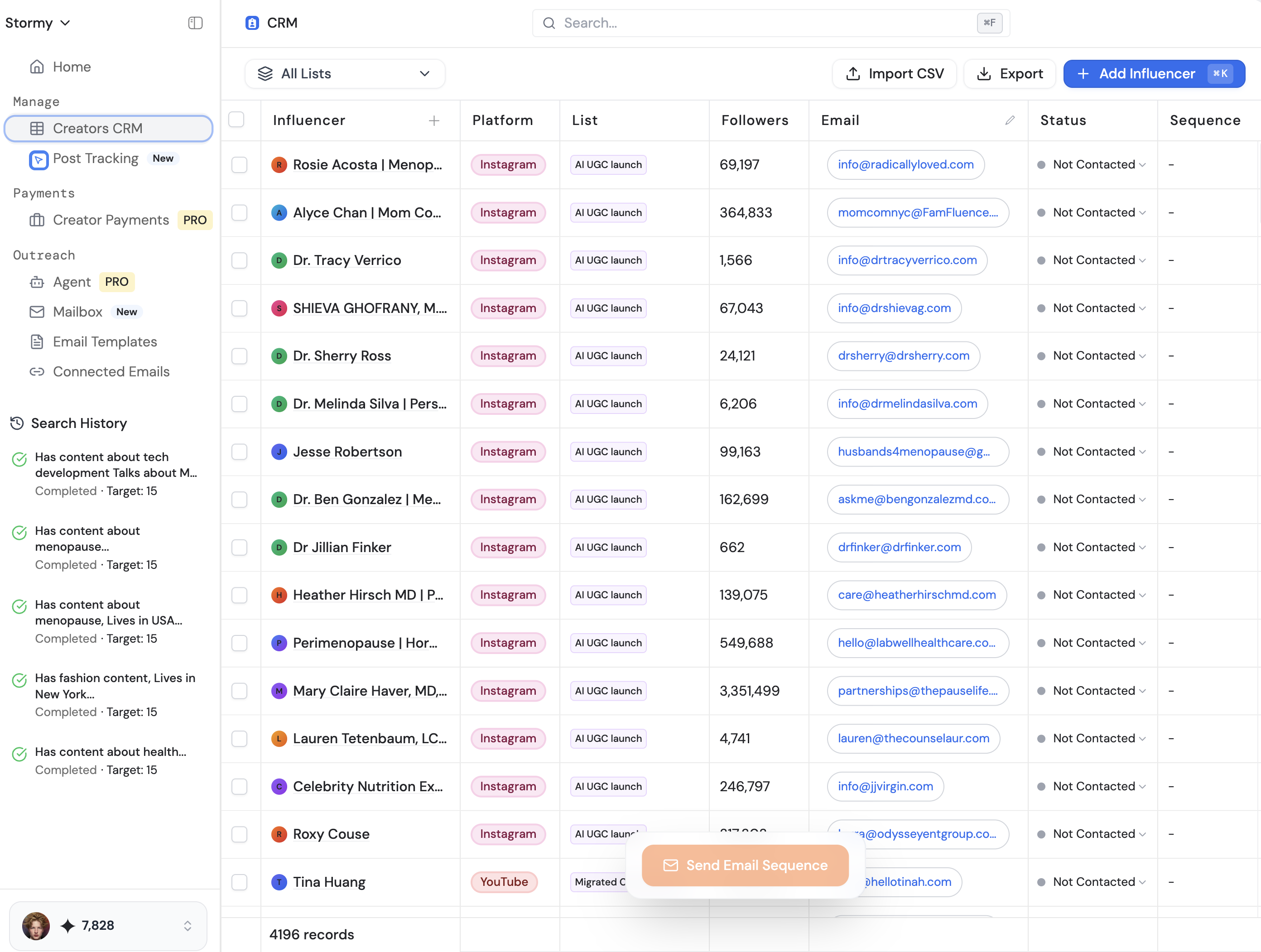
To execute this at scale, brands need to manage dozens of relationships with video editors, animators, and influencers simultaneously. Many are turning to Stormy's creator CRM to track every negotiation, contract, and asset delivery in one centralized hub. By automating the mundane parts of roblox social media campaigns—like following up with editors or tracking post deadlines—marketing teams can focus on the creative strategy that makes a trailer go viral on platforms like TikTok and YouTube.
Consulting-Led Sales: Bridging the Corporate-Gaming Gap
One of the biggest hurdles in metaverse marketing for brands is the knowledge gap between corporate executives and the gaming ecosystem. Most CMOs didn't grow up playing Roblox, and they may view it as a niche hobby rather than a trillion-dollar cultural shift. Leading agencies overcome this through consulting-led sales. Instead of pitching a "game," they pitch a comprehensive digital transformation strategy that includes community management, digital economy design (Robux), and long-term audience retention.
Agencies often start with paid consulting calls to educate brands on the nuances of the platform—like the importance of Average Revenue Per Paying User (ARPPU) and the mechanics of the Roblox avatar shop. Once the brand understands the ROI, the agency steps in to execute the build and the marketing. To streamline the initial outreach to these corporate partners or to find the right niche creators to present in these pitches, agencies utilize Stormy's AI outreach, which sends hyper-personalized emails and handles automated follow-ups to highlight specific growth opportunities based on the brand's industry.
Post-Tracking: Measuring Success in a 3D World
In traditional digital marketing, we measure clicks and conversions. In a roblox marketing strategy, the metrics are deeper: average session time, concurrent players, and the number of "items worn" in the virtual world. Because Roblox is an enclosed ecosystem, brands must also track the external social media sentiment that drives traffic into the game. Tracking how a specific TikTok influencer's video correlates with a spike in game players is essential for calculating the true ROI of a campaign.
Sophisticated marketers use Stormy's post tracking tools to monitor views, likes, and engagement across all social platforms in real-time. By connecting the dots between an influencer post on Instagram and the traffic influx on Roblox, brands can refine their strategy, doubling down on the creators and content types that actually move the needle for their virtual experience.
Conclusion: The Future of Brand Worlds
The era of static brand presence is over. As the digital and physical worlds continue to merge, a robust roblox marketing strategy will become a standard requirement for any consumer-facing brand. Whether you are a mobile app developer looking to boost UGC-driven installs or a legacy brand like Nike seeking to remain relevant to the next generation, Roblox offers an unparalleled opportunity for deep engagement. By focusing on interactive play, leveraging the power of AI-vetted influencers, and maintaining a rigorous content production engine, brands can turn the metaverse from a buzzword into a profitable reality. Don't wait for the competition to build the first world; start your discovery journey today and secure your brand's place in the future of the internet.