In the entrepreneurial landscape of 2026, we have reached a saturation point. With AI capable of generating generic marketing copy via platforms like ChatGPT, landing pages, and even entire business models in seconds, the barrier to entry has never been lower—and the barrier to differentiation has never been higher. Most founders are currently trapped in a cycle of 'genericism,' building brands that look, sound, and feel like everyone else because they are following the same AI-optimized templates. However, as Robert Greene argues in his seminal work Mastery, true success doesn't come from following the crowd or being a generalist; it comes from reconnecting with a unique, primal inclination that no machine or competitor can replicate.
The Crisis of Generic Branding in 2026
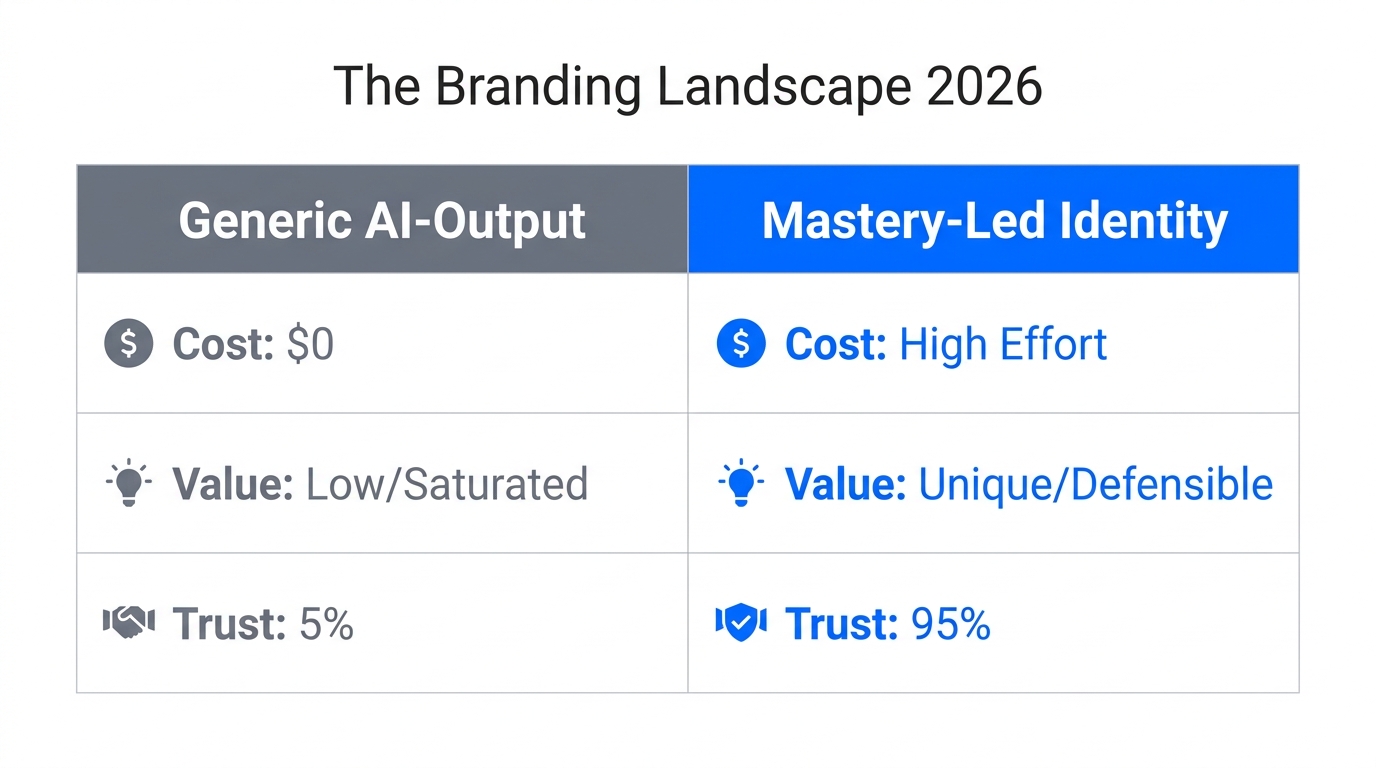
As we navigate through 2026, the technological power at our fingertips is, as Robert Greene notes, "almost incredible." You can use AI to answer complex questions or automate entire workflows on Notion or Zapier. But this power comes with a trap: it encourages a superficial approach to learning and building. When you focus on a hundred different things, you go against the natural grain of the human brain, which according to evolutionary biology research, has hundreds of thousands of years of development optimized for deep focus.
Greene views the brain as a landscape. It can be a rich, fertile environment where different plants emerge and connections are made, or it can become a wasteland. In 2026, many founders are inadvertently turning their brains into wastelands by skimming the surface of too many industries. To build a defensible brand identity, you must move away from generalist marketing and toward entrepreneurial mastery.
"The human brain isn't a piece of technology developed recently; it's something with hundreds of thousands of years of development. We function when we go deep, when we bore deep into a subject."
Identifying Your 'Primal Inclinations' to Build a Moat
 8:00
8:00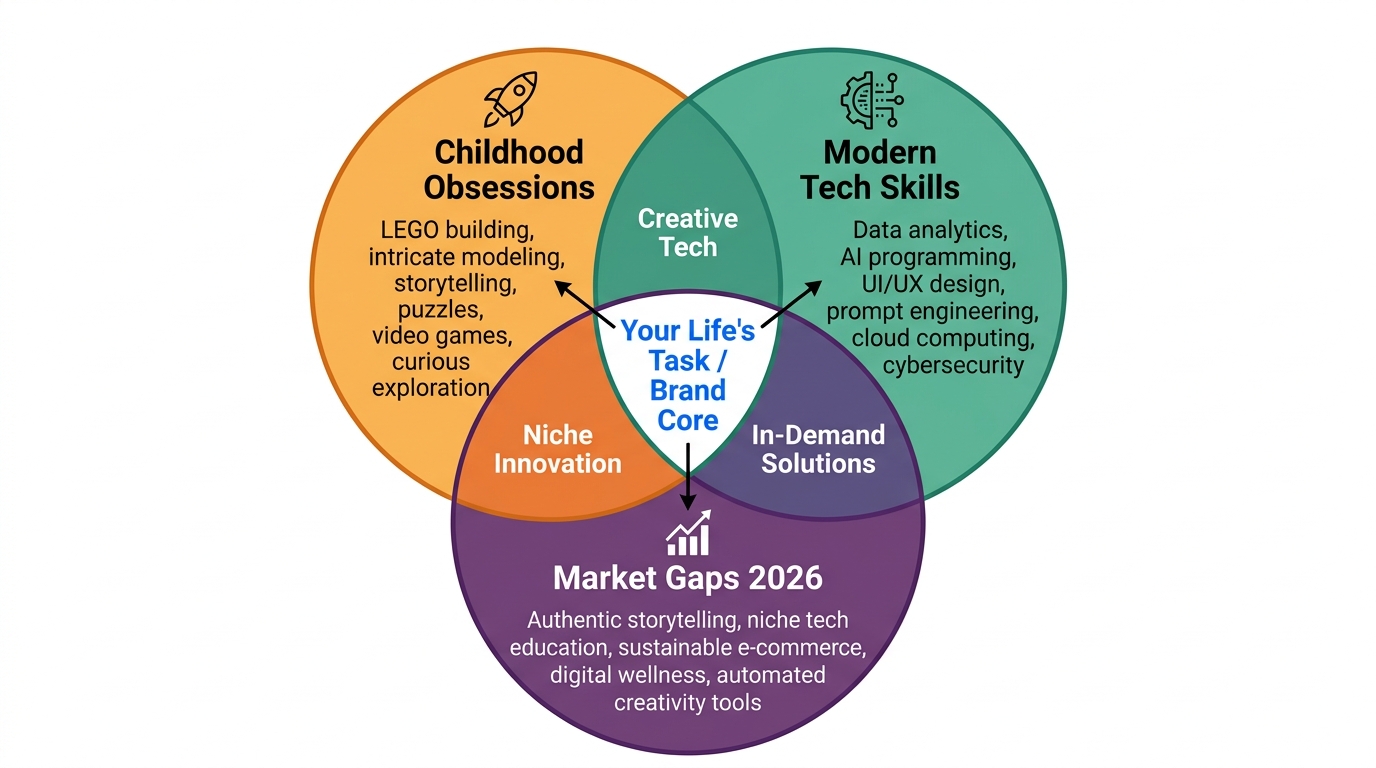
The foundation of a unique brand identity in 2026 isn't found in a market research report; it is found in your DNA. Robert Greene suggests that every individual is born with a unique genetic makeup—there has never been, and will never be, anyone exactly like you. This uniqueness manifested in your childhood as primal inclinations: things you were naturally drawn to before the world told you what you 'should' be.
Consider Steve Jobs. At seven years old, he was fascinated by the design of electronics in a shop window. He didn't just love technology; he loved the beauty and design of it. This primal inclination became the soul of Apple. Similarly, Tiger Woods felt a heart-centered, pre-verbal excitement for golf at age two. These are not intellectual choices; they are deep, visceral attractions.
Founders often take the wrong path because they listen to parental or societal pressure to go to law school or business school. By the time they are in their 30s or 40s, they are alienated from themselves. To fix this, you must conduct what Greene calls "archaeology" on your own life to find what truly excites you. This process is essential for founder-led growth, as a brand that is a direct reflection of the founder’s obsession is much harder to compete with.
The 2026 Apprenticeship Phase: Deep Work Over Distraction
93:52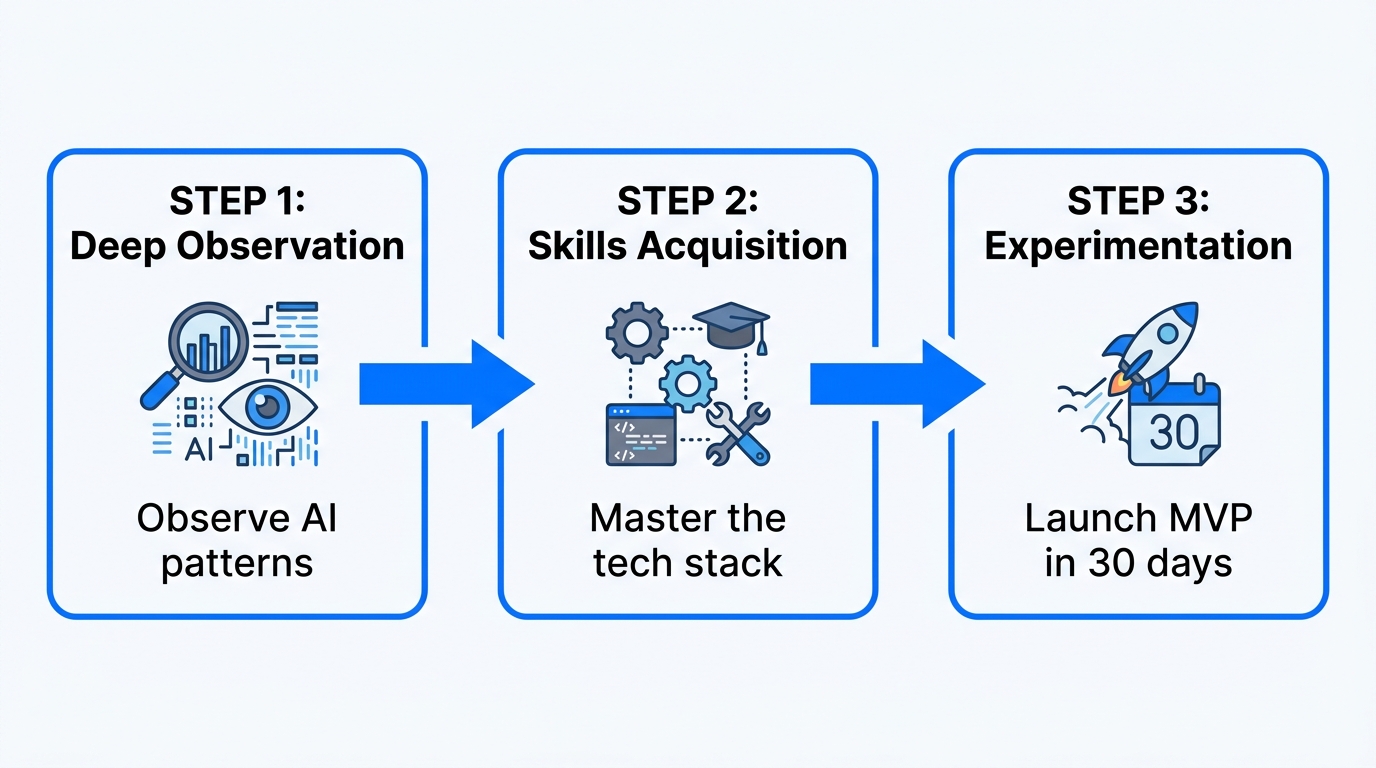
A common mistake for founders this year is attempting to scale before they have achieved mastery. Greene emphasizes the apprenticeship phase, a period of focusing so deeply on one skill that you bore through the superficial layer to find something brilliant. Even for his own books, such as The 48 Laws of Power, Greene consumes upwards of 300 books to ensure he isn't just skimming the surface.
| Feature | The Generalist Founder (Generic) | The Master Founder (Unique) |
|---|---|---|
| Focus | Skimming 100 different trends | Boring deep into one core subject |
| Output | Superficial, AI-templated content | High-quality, nuanced insights |
| Moat | Easily replicated by competitors | Based on unique skill combinations |
| Brand Voice | Predictable and boring | Mysterious and authoritative |
In 2026, the apprenticeship phase doesn't mean you can't use tools. It means you use tools like TikTok Ads Manager or Shopify to execute, but the strategy comes from deep, human-led research. If you are distracted by social media static, you lose the ability to focus. Mastery requires carving out time—perhaps a week of clear focus—to reconnect with your internal voice.
Journaling Exercises: Reconnecting with Your Internal Scorecard
21:40Robert Greene recommends using a physical journal, like a classic Moleskine, to find your life's task. There is a "magic" that happens between the brain and the hand that doesn't occur on a screen. Warren Buffett calls this the Inner Scorecard—judging your actions based on your own standards rather than the 'outer scorecard' of public opinion.
To find your 2026 niche marketing strategy, try these three exercises:
- The Love/Hate List: Divide a page in half. Write down what you love and what you hate in the present moment. Knowing what you hate—like Greene's hatred for working under others—is just as important as knowing what you love.
- Childhood Archaeology: Dig back to when you were 4 or 5 years old. What moments felt pre-verbal and exciting? Was it the rhythm of music, the pattern of numbers, or the magic of words?
- The Mask Audit: In 2026, 'authenticity' is over-glamorized. Identify which 'masks' you need to wear to achieve your goals. Mastery is about conscious control over your public appearance, not just mindless transparency.
"Take this seriously. Your life is at stake. Time is short. You don't have time to waste playing games with your potential."
Moving Beyond Generalist Marketing to Specialized Brand Positioning
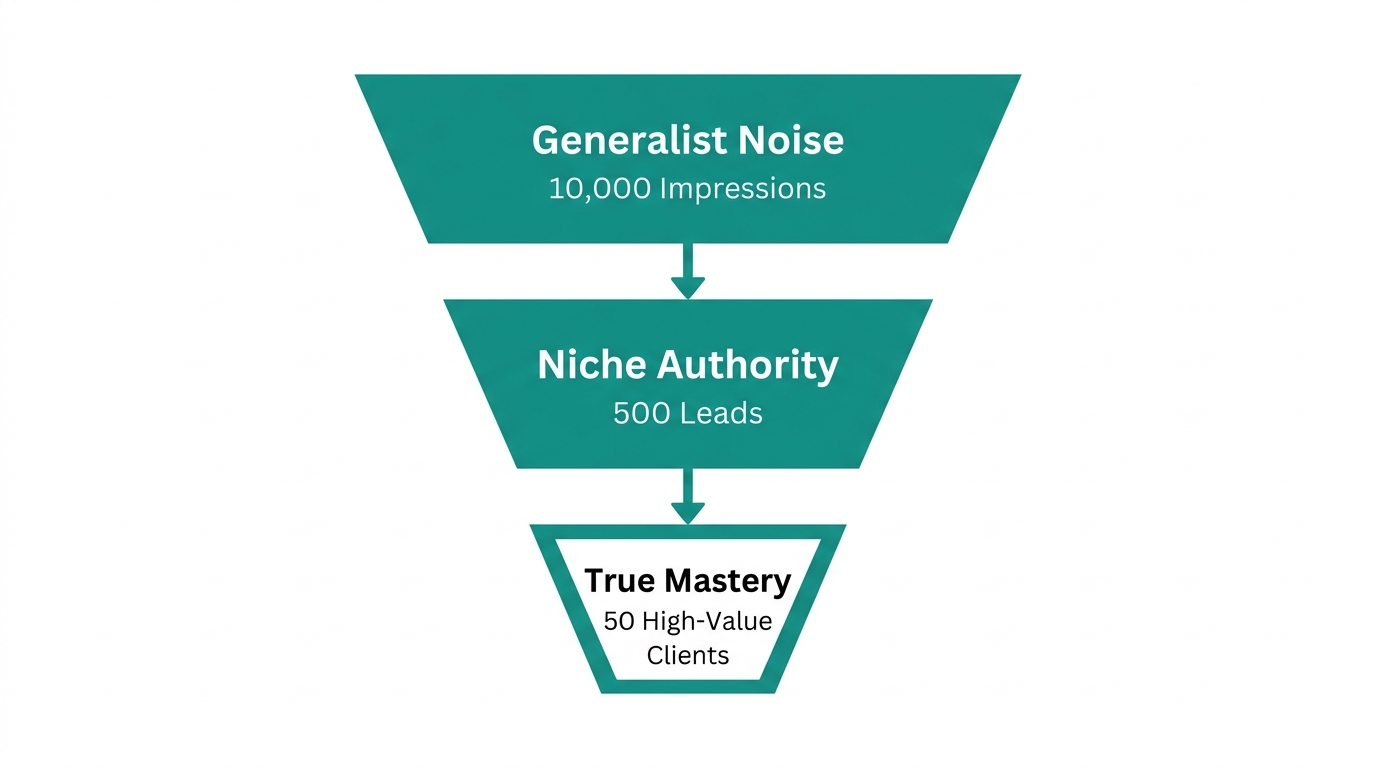
Once you identify your life's task, you must build a business that reflects it. This is how you achieve founder-led growth. Instead of following every trend on YouTube or LinkedIn, you create a brand that is slightly mysterious and unpredictable.
Greene notes that silence and disappearance are powerful tools. If you are too present, you become familiar and predictable. To maintain a unique brand identity, you must occasionally "scramble expectations." For example, if you are known for media, pivot to a new skill like fashion or fitness to keep your audience guessing. This reinvention (Rule #7) keeps your brand fresh and defensible.
When you have a unique perspective, you can find your tribe more effectively. For instance, brands looking to source creators who actually align with their specific, non-generic values can use AI-powered discovery platforms like Stormy AI to find influencers who share their unique 'primal inclinations' rather than just high follower counts.
The Power of Boldness: Audacity Over Timidity
57:05The final component of Robert Greene's Mastery for founders is boldness. Timidity is a dangerous habit that infects your execution. In 2026, where every market is crowded, boldness excites people and makes them want to join your team. People like 50 Cent and Elon Musk embody this audacity. If they make a mistake through audacity, they correct it with even more audacity.
Greene shares a story of 50 Cent’s record being leaked. Instead of reacting with weakness or lawsuits, 50 Cent created a theatrical story about smashing a TV in anger. He took control of the narrative through boldness. As a founder, your brand identity 2026 depends on your ability to show confidence, even if you have to fake it until it becomes real. Boldness radiates outward and attracts the partners, creators, and customers you need to succeed.
Conclusion: Becoming the Master Founder
Building a unique brand identity in 2026 is not about mastering the latest AI prompts; it is about mastering yourself. By reconnecting with your primal inclinations, going through a deep apprenticeship, and executing with boldness, you create a business that is an extension of your unique DNA. This is the only true way to ensure longevity in a world of rapid technological change.
As you move forward, remember that ideas are the most powerful force in the world. Whether you are using a standard CRM for sales or Stormy AI to discover creators, the core of your brand must remain your 'Life's Task.' Take the time to journal, bore deep into your subject, and never let timidity define your path to mastery.