In the hyper-accelerated marketplace of 2026, where consumer attention spans are measured in milliseconds and AI-generated noise is at an all-time high, the fundamental laws of human nature remain the only constant. While most CMOs are chasing the latest algorithm update on TikTok Ads Manager, the most dominant market leaders are looking backward to move forward. They are applying the timeless strategies of Robert Greene, particularly from his seminal work, The 48 Laws of Power, to craft brand authority tactics that command respect and market share.
As we navigate this year, the brands that win are not those that shout the loudest, but those that understand the delicate dance of power dynamics. This playbook explores how to utilize Law 4 (Always Say Less Than Necessary) and Law 25 (Recreate Yourself) to establish a dominant brand presence in a digital-first world.
The Power of the Brand Mask: Beyond Radical Transparency
 51:48
51:48For the last decade, the marketing industry has obsessed over the concept of "radical transparency." Brands were told to show everything—their flaws, their office kitchen, their daily struggles. However, in 2026, we are seeing a correction. The most powerful brands understand that appearing too authentic can actually harm high-level brand authority. According to research on the transparency trap, when you reveal every detail, you remove the element of fantasy and mystery that fuels consumer desire.
Robert Greene often cites figures like Michael Jackson or Beyonce as masters of the "disappearing act." These icons understood that if you are always present, you become familiar. If you are familiar, you are taken for granted. In business, this translates to the "Brand Mask." A brand mask is a curated identity that project authority, confidence, and vision, even if the internal operations are in a state of pivot or apprenticeship.
When a brand like Apple or even high-end boutique agencies maintain a level of distance, they utilize the non-verbal cues of authority. They don't beg for likes or follow trends on Meta Ads Manager; they set the tone. This strategic withdrawal makes their eventual announcements feel like tectonic shifts rather than just another post in the feed.
"Attention is the whole game when you're in the public eye. When you're too present, people know you too well and take you for granted."
The Infection Law: Aligning with Boldness
67:08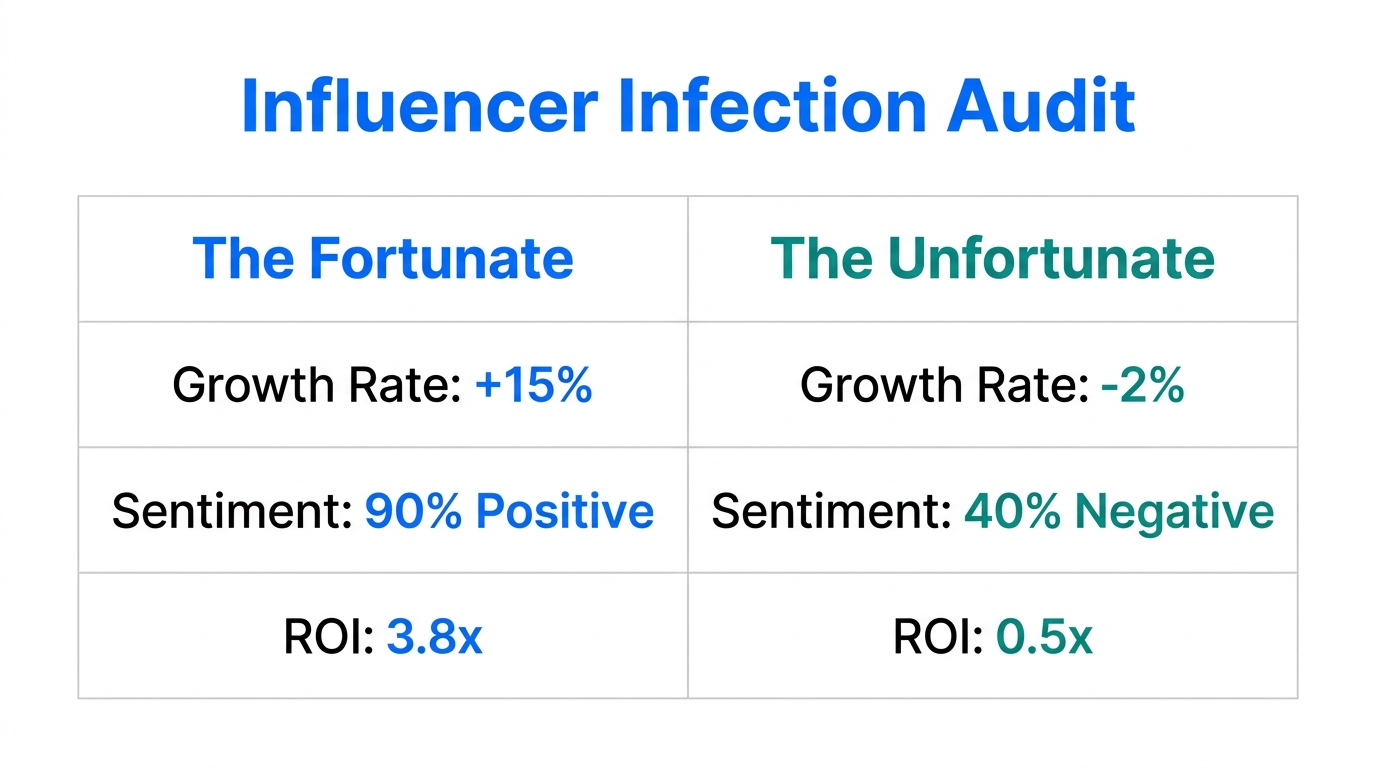
One of the most critical brand building strategies 2026 involves Law 10: Infection: Avoid the Unhappy and Unlucky. In a marketing context, this is about the influencers and partners you choose to associate with. Human beings are inherently infected by the energy of the people around them. If your brand aligns with creators who are constantly in "victim mode" or involved in petty drama, that energy rubs off on your product perception.
Instead, the 2026 playbook dictates aligning with bold, high-energy influencers who exhibit what Greene calls "primal inclinations" of success. These are individuals who act with audacity. As psychological studies on boldness suggest, "Any mistakes that you commit through audacity are easily corrected with more audacity. Everyone admires the bold; no one honors the timid."
To find these high-caliber partners, sophisticated growth teams are moving away from manual searching. Using an AI-powered engine like Stormy AI, brands can discover creators who don't just have high follower counts, but who radiate the specific digital marketing influence and brand authority required to elevate a product. Whether you are looking for creators in the fitness niche or B2B leaders on LinkedIn, the goal is to find those who command an audience through their own "inner scorecard."
| Timid Marketing Strategy | Bold Marketing Strategy (Greene-Inspired) |
|---|---|
| Reactive to competitors | Sets the market agenda |
| Over-explains product features | Maintains mystery and allure |
| Apologetic for mistakes | Corrects mistakes with further audacity |
| Constant, noisy presence | Strategic silence and heavy-hitting launches |
Law 25: Recreate Yourself to Stay Ahead of Market Cycles
49:15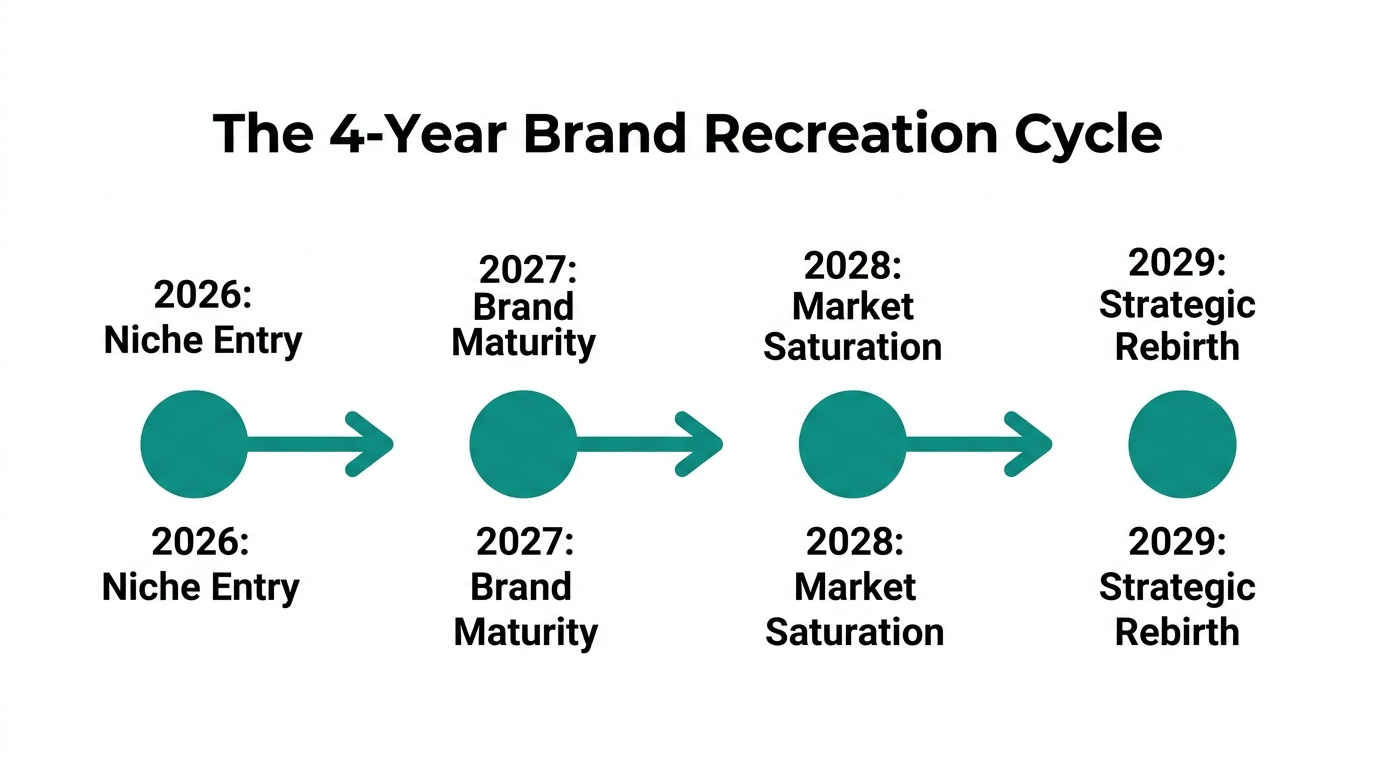
In 2026, brand fatigue sets in faster than ever. What was "cool" three months ago is "cringe" today. This is why Law 25 (Recreate Yourself) is the most important survival mechanism for modern founders. You must be the master of your own image rather than letting others define it for you.
Think of the story of 50 Cent and his collaboration with Robert Greene on The 50th Law. 50 Cent didn't just stay a "rapper"; he recreated himself as a business mogul, a producer, and a strategic thinker. When a single of his was leaked prematurely, instead of reacting with timidity or legal threats, he controlled the narrative. He staged a theatrical reaction, turning a potential failure into a viral moment of power. He used marketing psychology to ensure he was the protagonist of the story, not the victim of a leak.
For a brand, this means periodic "identity scrambles." If your audience expects you to go left, you must occasionally go right. This doesn't mean being fake; it means being conscious of the game you are playing. If you are always predictable, you become a utility. If you are a utility, you are subject to price wars. If you are an enigma, you are a luxury.
"If you become too predictable, people are going to tune you out. Changing and scrambling their expectations is a form of silence."
Mastering the Non-Verbal Cues of Brand Authority
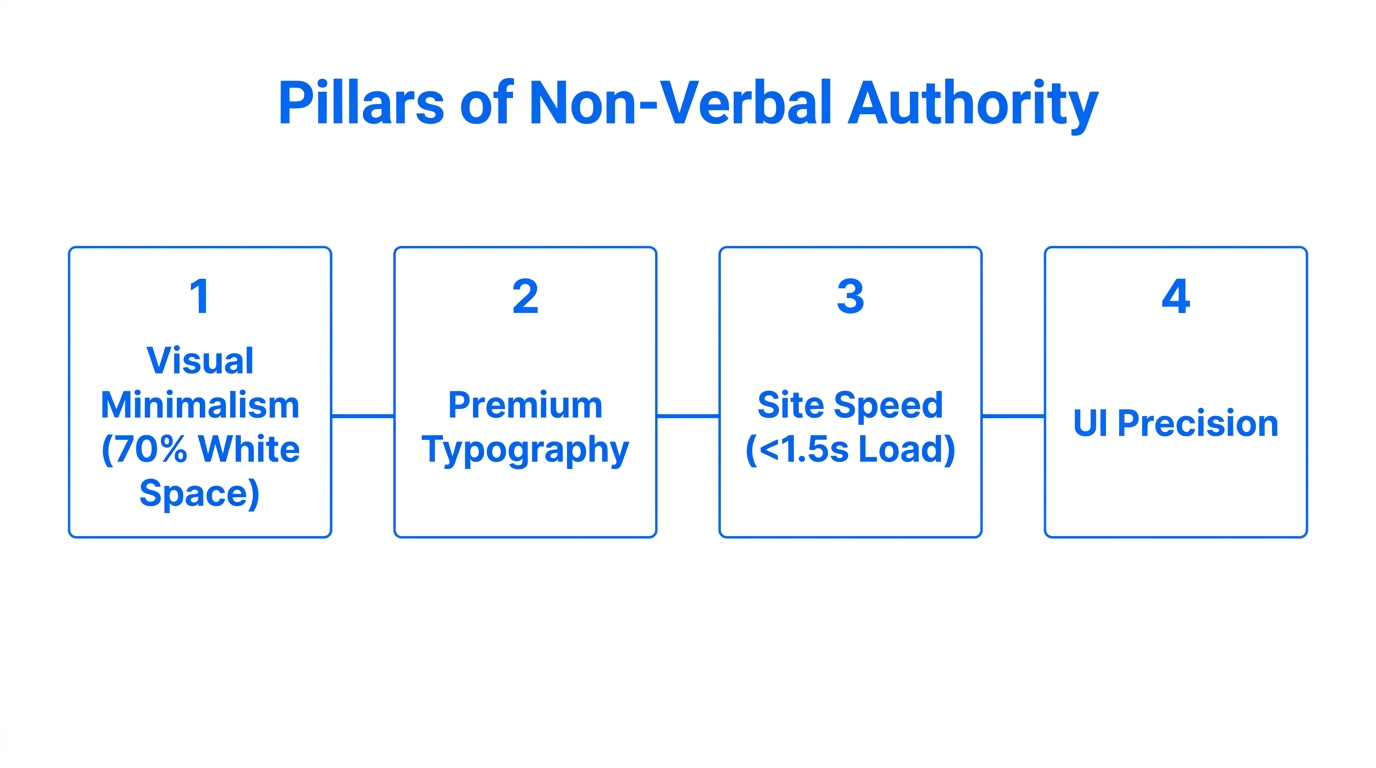
In 2026, brand authority is less about what you say in your Klaviyo email flows and more about the energy your brand projects through digital distribution. This is the "animal part of our nature" that Robert Greene discusses—we pick up on signs of hesitation and doubt through posture, tone, and design.
A brand that is timid—constantly asking for feedback, running endless A/B tests on every minor word, and apologizing for its existence—radiates an energy that repulses high-value customers. Conversely, a brand that enters the market with boldness excites people. We want to be part of that energy.
The 7-Day Brand Authority Audit
- Audit Your Outbound Energy: Review your last 30 days of content on Instagram and TikTok. Is it reactive or proactive? Does it ask or does it command?
- Identify Your "Infection" Points: Are your current partners elevating your brand's boldness or dragging it into the "shlub" category of mediocre content?
- Implement Strategic Silence: Cut your posting frequency by 20% but increase the production value and "boldness" of your remaining posts by 100%.
- Assess the "Mask": Does your brand have a consistent persona that projects authority, or are you showing too much of the "messy middle" that undermines trust?
Conclusion: The Brand as a Life's Task
125:35Building a brand in 2026 is not a series of hacks; it is what Greene calls a "Life's Task." It requires deep focus, an apprenticeship in your niche, and a refusal to listen to the "static" of the crowd. Whether you are using Google Ads to drive traffic or managing creator relationships in Stormy AI, the underlying psychological principles remain the same.
You must move from an "outer scorecard" (chasing likes and trends) to an "inner scorecard" (executing on a unique vision). As Robert Greene notes in his book Mastery, the human brain functions best when it bores deep into a subject. Stop skimming the surface of marketing trends and start mastering the 48 Laws of Power for business. By recreating your identity, embracing strategic silence, and acting with audacity, you don't just build a brand—you build an empire that survives the noise of 2026.
"Ideas are the most powerful thing in this world. Material things have price tags, but an idea can change how people act forever."