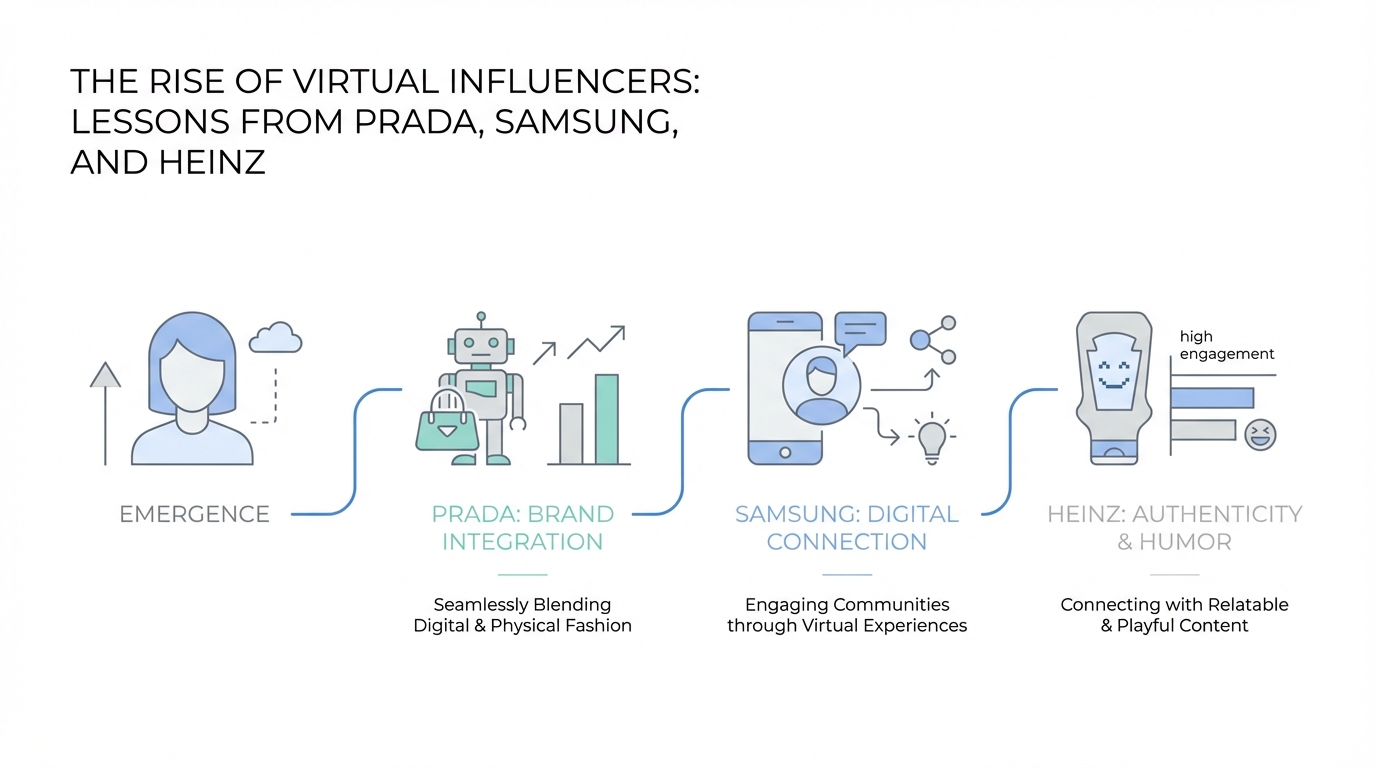
The social media landscape is undergoing a silent but seismic shift. Scroll through your Instagram feed today, and you might find a high-fashion model wearing the latest Prada collection, or a tech enthusiast unboxing the newest Samsung smartphone. But there is a twist: these individuals do not exist in the physical world. They are virtual influencers—hyper-realistic digital avatars built using advanced CGI and artificial intelligence. What was once a niche experiment in the "uncanny valley" has blossomed into a sophisticated marketing powerhouse. As brands look for ways to bypass the logistical headaches of human creators—scheduling conflicts, reputational risks, and geographical limitations—the era of the AI-generated creator has officially arrived.
The Surging Economy of Digital Avatars


The growth of the virtual influencers market is not just anecdotal; the numbers tell a story of rapid institutional adoption. While the broader influencer marketing industry is valued at a staggering $24 billion in 2024, the specific niche for AI-driven avatars is carving out its own massive territory. The global AI influencer market is projected to reach $6.95 billion by the end of this year, according to data from Artsmart.
This explosive growth is driven by a 26% annual increase in the use of virtual personalities, as noted by Influencer Hero. Marketers are no longer viewing these digital entities as novelties but as reliable assets. In fact, 69.1% of marketers already utilize AI within their marketing operations, and 63% plan to specifically integrate AI into their influencer strategies by 2025. Platforms like Stormy AI, an AI-powered search engine across TikTok, YouTube, and Instagram, are becoming essential for brands looking to navigate this new world, helping them identify the right mix of human and digital talent to maximize their reach.
Lil Miquela and Prada: Bridging High Fashion with the Metaverse

Perhaps no name is more synonymous with the rise of ai generated influencers than Lil Miquela. With millions of followers and a meticulously curated persona, Miquela has collaborated with some of the world's most prestigious luxury brands. Her partnership with Prada remains a gold standard for the lil miquela marketing strategy. During Milan Fashion Week, Prada didn't just invite human celebrities; they allowed Miquela to "take over" their Instagram account, providing a bridge between the physical runway and the digital metaverse.
According to analysis by Metricool, this strategy allowed Prada to reach a younger, tech-native audience that may have viewed traditional luxury as inaccessible. The beauty of digital avatars for brands in this context is the absolute control over aesthetics. Prada could ensure every pixel of Miquela’s attire was perfect, every lighting angle was optimized, and the messaging remained 100% on-brand without the unpredictability of a live human shoot.
For mobile app developers and lifestyle brands, this level of control is a game-changer. When using Stormy AI to vet creators and analyze audience quality, using virtual creators allows for rapid iterations of ad creative that would be cost-prohibitive with human actors. You can change the background, the language, or the outfit of a virtual creator with a few clicks, making them the ultimate tool for A/B testing.
Samsung and Rae: Targeting Gen Z in Southeast Asia
While Prada took a high-fashion approach, Samsung utilized digital avatars for brands to tackle a different market: the tech-savvy Gen Z demographic in Southeast Asia. Partnering with Rae, a popular virtual influencer, Samsung launched a series of campaigns for their latest mobile devices. This collaboration, highlighted by Seagull Advertising, showcased how virtual influencers can feel more relatable to a generation that grew up in gaming environments and virtual spaces.
Samsung’s use of Rae focused on the technical features of their products through the lens of a digital native. Rae isn't just a face; she has a personality, a backstory, and an aesthetic that resonates with followers who value innovation and futurism. By leveraging Rae, Samsung was able to:
- Generate hype around product launches with zero travel or logistical costs.
- Create content that perfectly mirrors the high-resolution displays of their devices.
- Tap into a community that views AI as an enhancement of creativity rather than a threat.
Heinz "AI Ketchup": The Power of Generative Creativity
Not all AI-driven influencer marketing requires a persistent persona like Lil Miquela. Sometimes, the "influencer" is the AI itself. Heinz proved this with their "AI Ketchup" campaign. By using DALL-E, an AI image generator, Heinz prompted the tool to create images of "ketchup." The result? Even the AI generated images that looked unmistakably like Heinz bottles.
This campaign was a masterclass in using ai generated influencers and tools to build brand authority. By leaning into the trend of generative AI, Heinz generated over 800 million earned impressions, according to campaign reports from The Drum. It proved that in the modern era, content discovery is just as much about the technology used to create the content as it is about the content itself. For brands, this shows that AI can be a "co-pilot" in creativity, helping to visualize concepts that were previously too expensive or time-consuming to produce manually.
The Playbook: Using AI Agents for Influencer Discovery
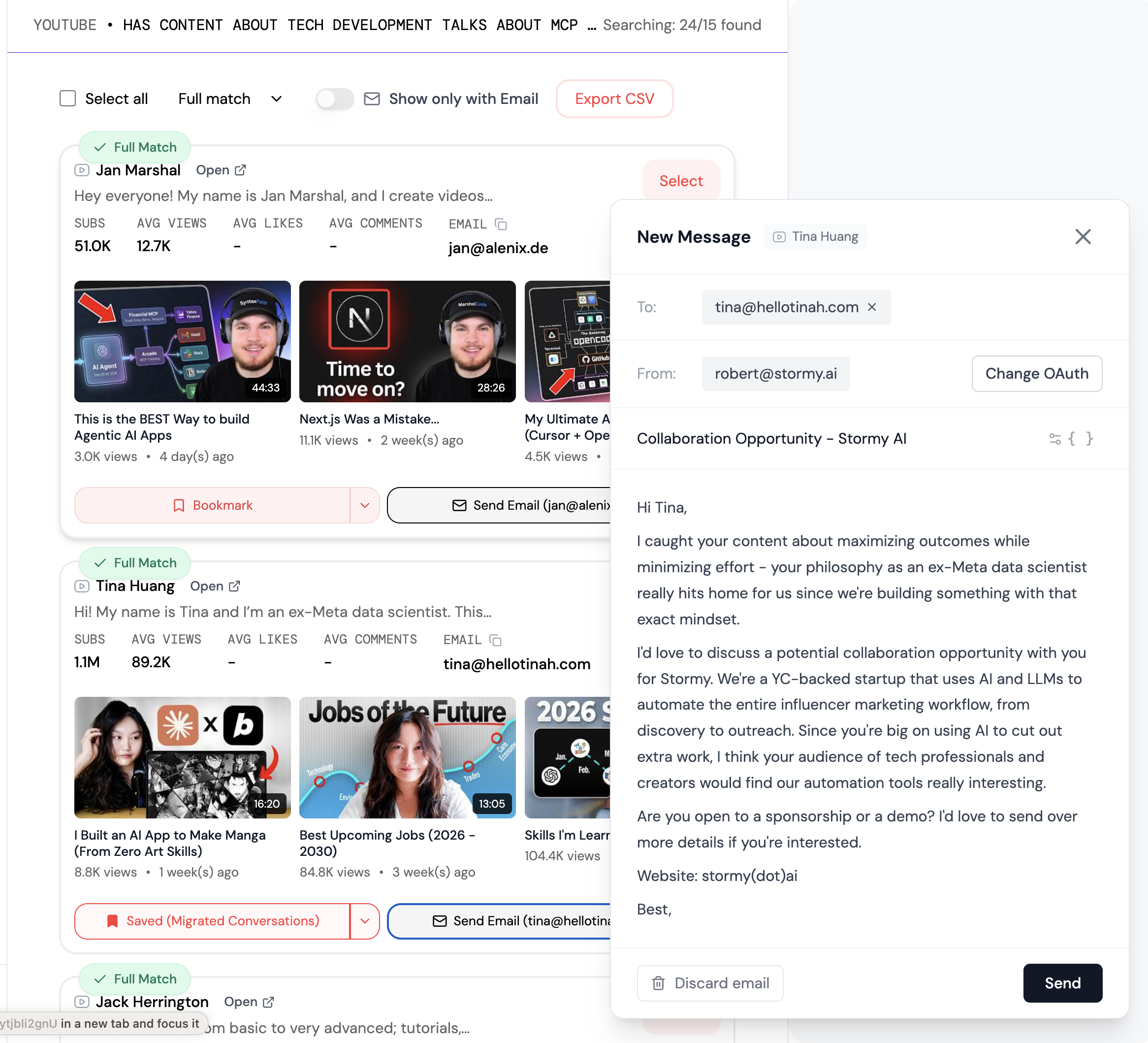
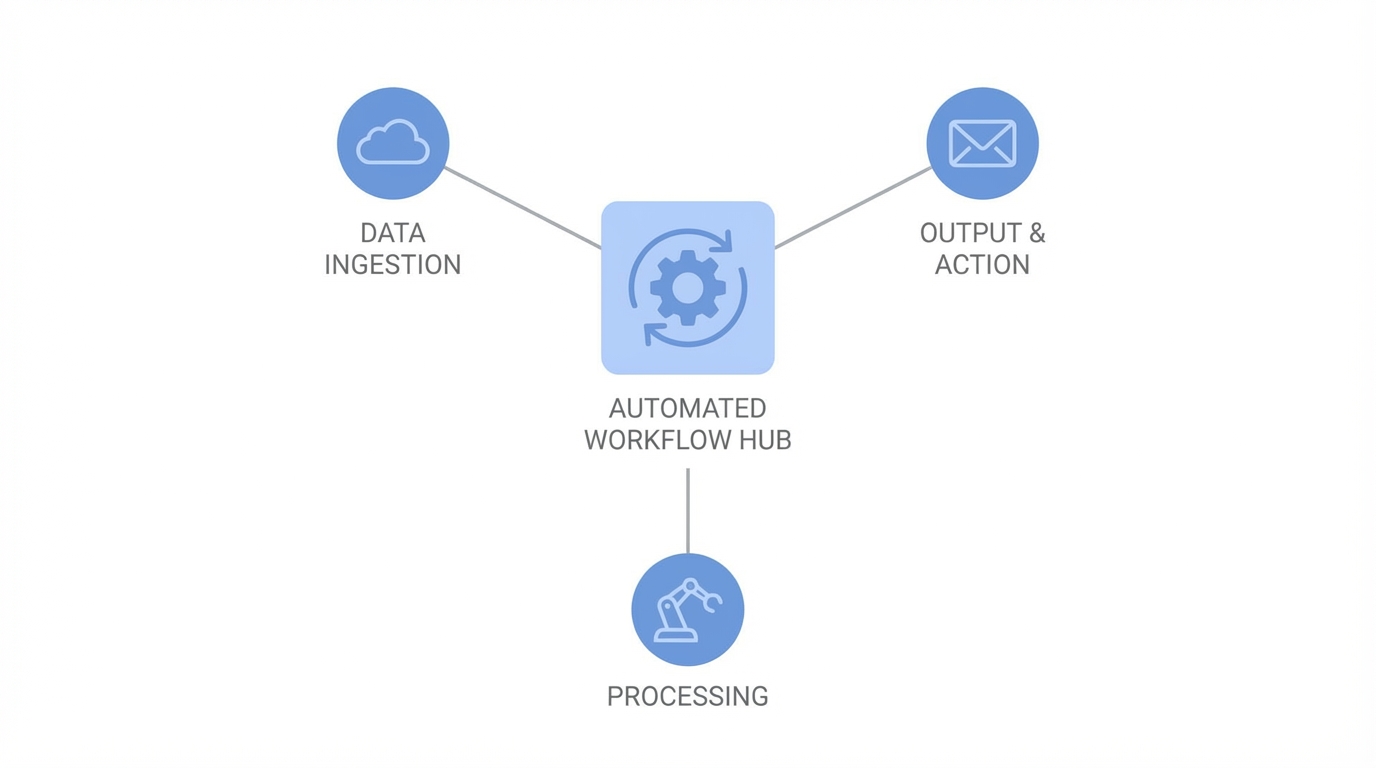
How can your brand replicate these successes without a luxury fashion budget? The answer lies in moving from basic AI tools to AI Agents. These are autonomous systems that can handle the entire lifecycle of a campaign. If you are looking to find creators for mobile app ads, AI agents can drastically reduce your workload.
Step 1: Automated Discovery and Vetting
Instead of manually searching hashtags, use Stormy AI to search millions of profiles instantly by typing a natural-language prompt. AI can perform "Fake Follower Checks" and analyze audience overlap to ensure you aren't paying for bot traffic. According to Redcube Digital, brands using AI-driven discovery report 2.3x higher conversion rates because the match between creator and brand is data-backed, not just vibes-based.
Step 2: Autonomous Outreach and Negotiation
One of the biggest bottlenecks in marketing is the back-and-forth communication with creators. Modern platforms like Stormy AI can handle the initial three to four follow-ups automatically using a built-in AI inbox. This ensures that your team only spends time talking to creators who are genuinely interested and available, reducing manual coordination time by 60-70%.
Step 3: Sentiment and Psychographic Analysis
Modern AI doesn't just look at follower counts. It performs sentiment analysis on thousands of comments to determine the "vibe" of a creator’s community. This allows you to find "lookalike" influencers based on previous high-performing partnerships, ensuring your virtual influencers or human creators align perfectly with your brand's psychographic profile.
Navigating Risks: The Importance of Disclosure

While the benefits of ai generated influencers are clear, they come with unique challenges. The primary concern is the authenticity paradox. While 44% of Gen Z is comfortable with AI-generated content, nearly 43.8% of marketing professionals worry that over-automation will lead to a loss of consumer trust, as reported by Salesforce.
To mitigate these risks, brands must prioritize transparency. Failing to disclose when a virtual influencer or an AI-generated image is being used can lead to legal and reputational backlash. Many platforms are now introducing mandatory AI labels, and brands like L’Oréal Paris are using AI matching to ensure that even their digital strategies remain rooted in human values and perfect brand alignment.
Conclusion: The Future is Hybrid
The rise of virtual influencers doesn't spell the end for human creators. Instead, it marks the beginning of a hybrid era where digital avatars for brands and human influencers coexist. By leveraging the scalability of AI for tasks like vetting, outreach, and creative generation, brands can focus their human energy on high-level strategy and emotional storytelling.
Whether you are implementing a lil miquela marketing strategy for a global launch or using Stormy AI—an autonomous AI agent that discovers, outreaches, and follows up with creators on a daily schedule—to find the perfect micro-influencer for a local app campaign, the goal remains the same: building a genuine connection with your audience. As we move toward 2025, the brands that win will be those that embrace AI not as a gimmick, but as a sophisticated agent for growth and innovation.