In the early 2010s, the world witnessed a fundamental shift: the rise of social media transformed every individual into a broadcaster. Fast forward to 2026, and we are in the midst of an even more profound evolution. According to reports from the Goldman Sachs research team, we have moved past the era of mere content creation and entered the age of generative utility. Today, the most successful creators aren't just posting videos; they are building personal software.
As of 2026, the barrier to entry for software development has effectively vanished. With advanced LLMs like Claude AI and Google Gemini, creators who have never written a line of code are launching functional applications that solve specific audience pain points. This transition from broadcasting to utility is the primary growth lever for the current creator economy, allowing for unprecedented levels of audience retention and lead generation.
The Shift from Content to Utility: Why Content is No Longer Enough
 10:20
10:20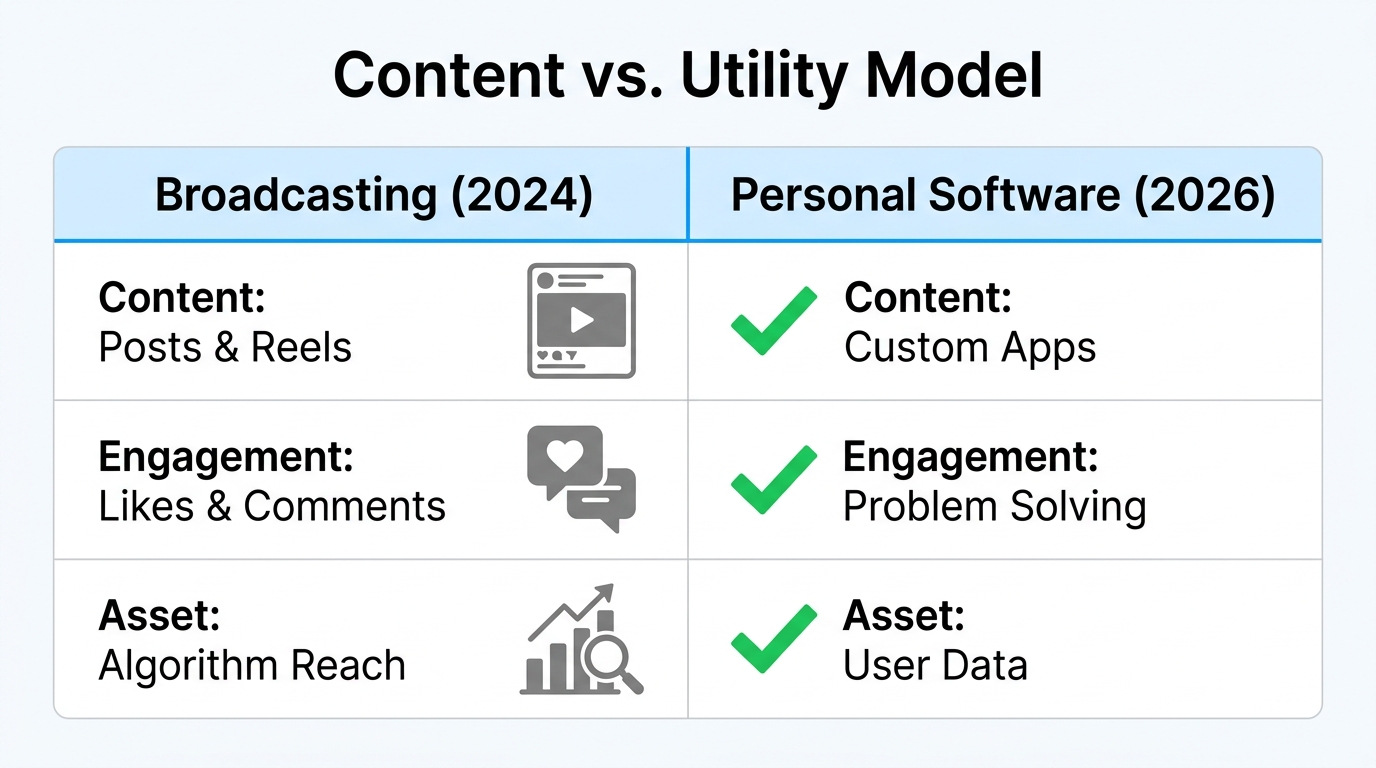
For years, the playbook was simple: create content, build an audience, and monetize via ads or sponsorships. However, in 2026, the sheer volume of content has led to extreme saturation. To stand out, creators are moving from being "content-rich" to being "utility-driven." This is the personal software trend—a concept explored by Andreessen Horowitz—the idea that you carry a tool in your pocket that can create other tools.
In the past, there were roughly 100 million professional software engineers globally. Today, the democratization of no-code app building for marketers through platforms like Bubble and creators has expanded that pool to billions. If social media gave everyone a printing press, AI has given everyone a software factory. This isn't just about efficiency; it’s about a "1 billionx increase" in the amount of software being created for niche communities, a phenomenon famously predicted by Andrej Karpathy.
"Software used to be something only software companies could make. Now, anybody with an idea can manifest a functional tool in minutes. We are moving from the era of broadcasting to the era of personal utility."
Creators are now leveraging this to build proprietary data sets and tools. Instead of sending followers to a generic link-in-bio like Linktree, they are sending them to custom-built calculators, niche search engines, or AI-powered advisors. This shift builds deeper loyalty because you aren't just entertaining your audience—you are solving their problems with code.
The Minimum Viable Promise: Validating Ideas in Days
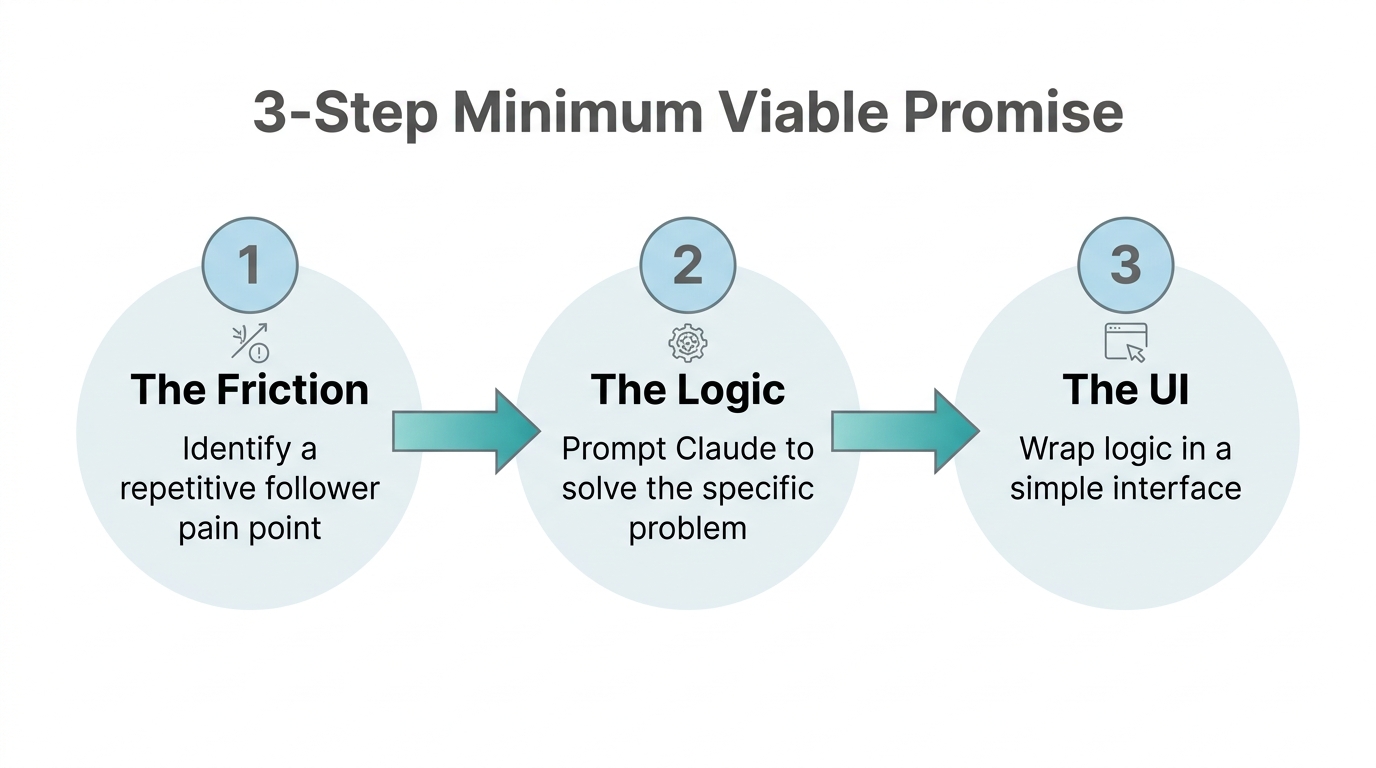
In the old world of SaaS, you built a Minimum Viable Product (MVP). In 2026, we talk about the Minimum Viable Promise. Using tools like Replit or Lovable, creators can generate a functional mockup that looks and feels like a finished product. It might be "broken" 25% of the time, but it works well enough to prove a concept and capture emails for your Beehiiv or Klaviyo lists.
This approach allows you to iterate at the speed of thought. If you have a theory that your audience needs a better way to track their fitness goals, you don't hire a developer. You prompt Claude 3.5 Sonnet to build a specialized tracker. Within hours, you have a link to share. This speed is the ultimate competitive advantage in the 2026 creator economy distribution landscape.
Case Study: How Nick Gray’s Patron View Revolutionized Niche Data
20:38One of the most compelling examples of this trend is Patron View, a project by Nick Gray. Nick recognized a gap in the world of cultural philanthropy. Museums are required to publish annual reports (PDFs) detailing their donors, but this data was fragmented and hard to search.
Using AI to parse thousands of pages of PDF data and Cloudflare to host the infrastructure, Nick built a research platform for cultural philanthropy for approximately $2,000. Ten years ago, building a database of this scale would have cost tens of thousands of dollars and required a dedicated engineering team. In 2026, it’s a weekend project for a "generative" creator.
| Feature | Legacy Build (Pre-AI) | Personal Software Build (2026) |
|---|---|---|
| Cost | $20,000 - $50,000 | $500 - $2,500 |
| Timeline | 3-6 Months | 2-7 Days |
| Team | Devs, PMs, QA | 1 Creator + Claude/Gemini |
| Maintenance | High / Ongoing | Low / AI-automated |
Nick’s project illustrates the power of celebrating philanthropy while enabling development departments to find high-value donors. By aggregating data that was already public but difficult to access, he created a high-utility tool that serves a very specific, high-net-worth niche. Managing these developer and creator interactions often requires a specialized creator CRM to track relationships effectively.
Choosing Your LLM Stack: Claude vs. Gemini vs. GPT
61:25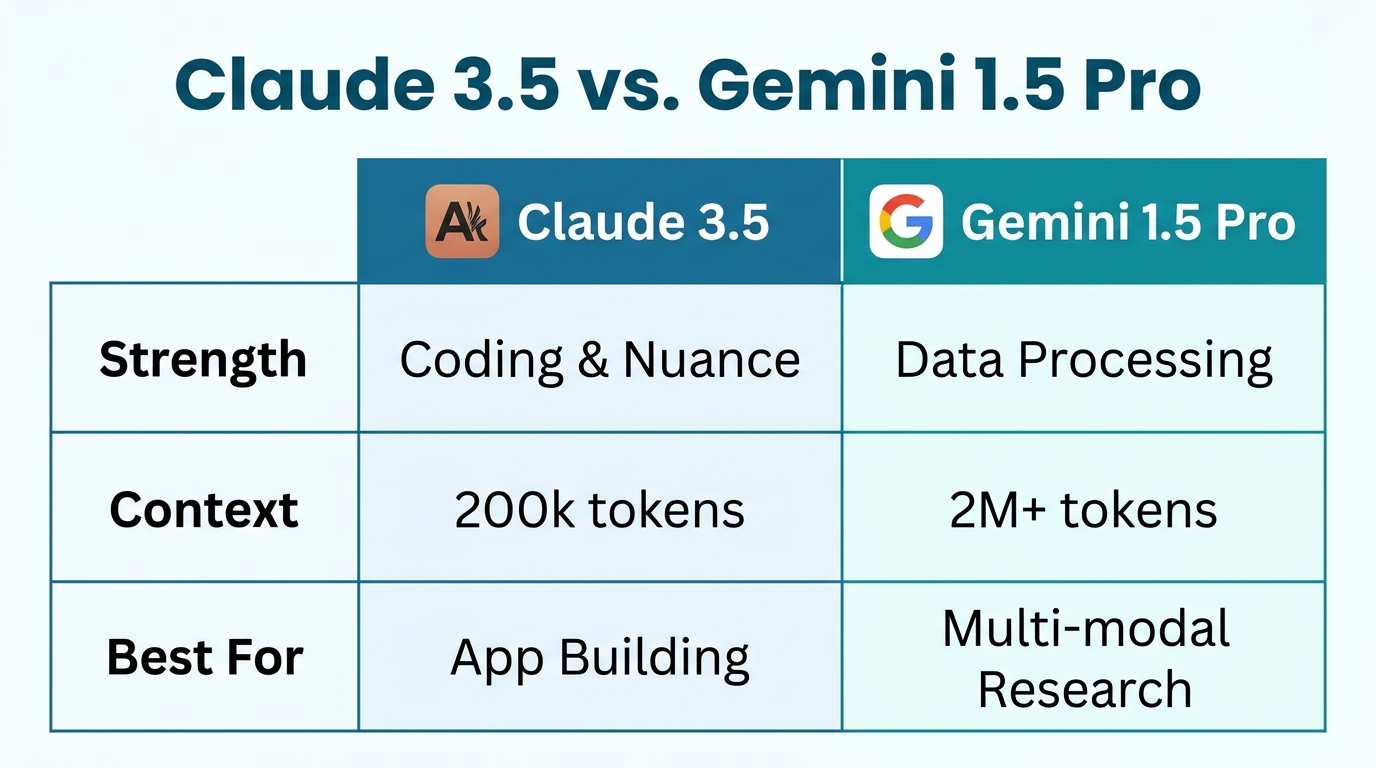
To build personal software effectively, you need to know which tool to use for which task. In 2026, the market has segmented based on specific strengths. If you are serious about Claude AI for creators, you likely use it for its superior coding and creative writing capabilities. Claude’s ability to follow complex instructions makes it the gold standard for building the logic behind your apps.
On the other hand, Google Gemini has become the leader in multimodal interactions. With features like Gemini Live, creators can use their camera to show the AI real-world objects or play games like charades with their kids. Gemini is the "infinitely patient tutor" that can handle audio, video, and text seamlessly. For Gemini AI marketing features, the real power lies in its deep integration with the Google ecosystem, making it ideal for data-heavy research.
"Treat your AI models like friends with different specialties. You go to Claude for code and logic, Gemini for multimodal exploration, and Grok for real-time objective insights."
While OpenAI's ChatGPT remains the versatile catch-all, the "hot" tool of 2026 is often Grok or Gemini for their respective real-time and multimodal capabilities. Once your tool is built and you need to find creators to help scale its reach, platforms like Stormy AI streamline the process of sourcing and automated outreach.
The "Malpractice" of Ignoring AI in 2026
51:37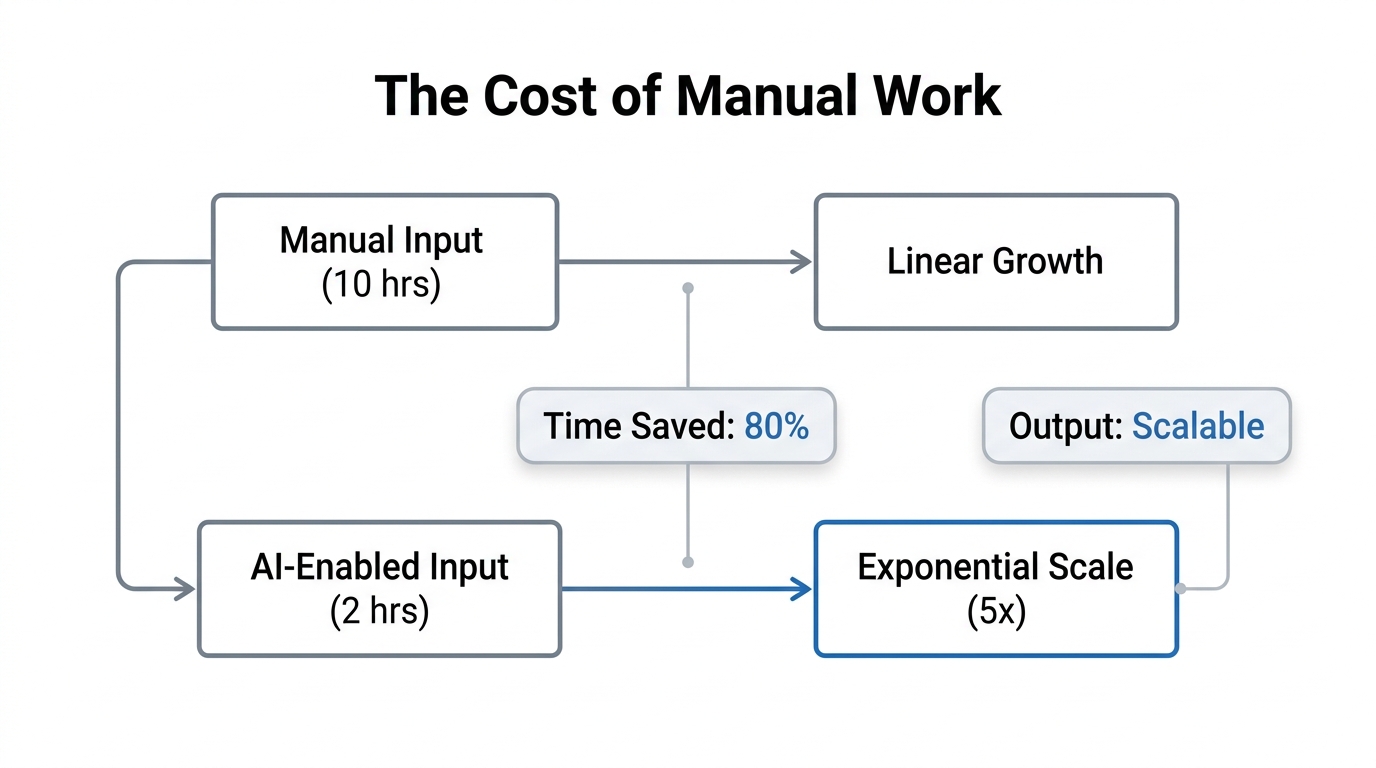
We have reached a point where not using AI in your professional life is becoming the equivalent of showing up to an office without a computer. In 2026, being a professional—whether a doctor, lawyer, or creator—without an AI co-pilot is increasingly viewed as malpractice.
Consider the medical field: as noted in research published by the National Institutes of Health (NIH), a radiologist who refuses to use AI to cross-check an MRI is putting the patient at higher risk. The same logic applies to the creator economy. If you are not using AI to vet your data, personalize your outreach, or build utility for your audience, you are effectively operating at a disadvantage that borders on corporate negligence.