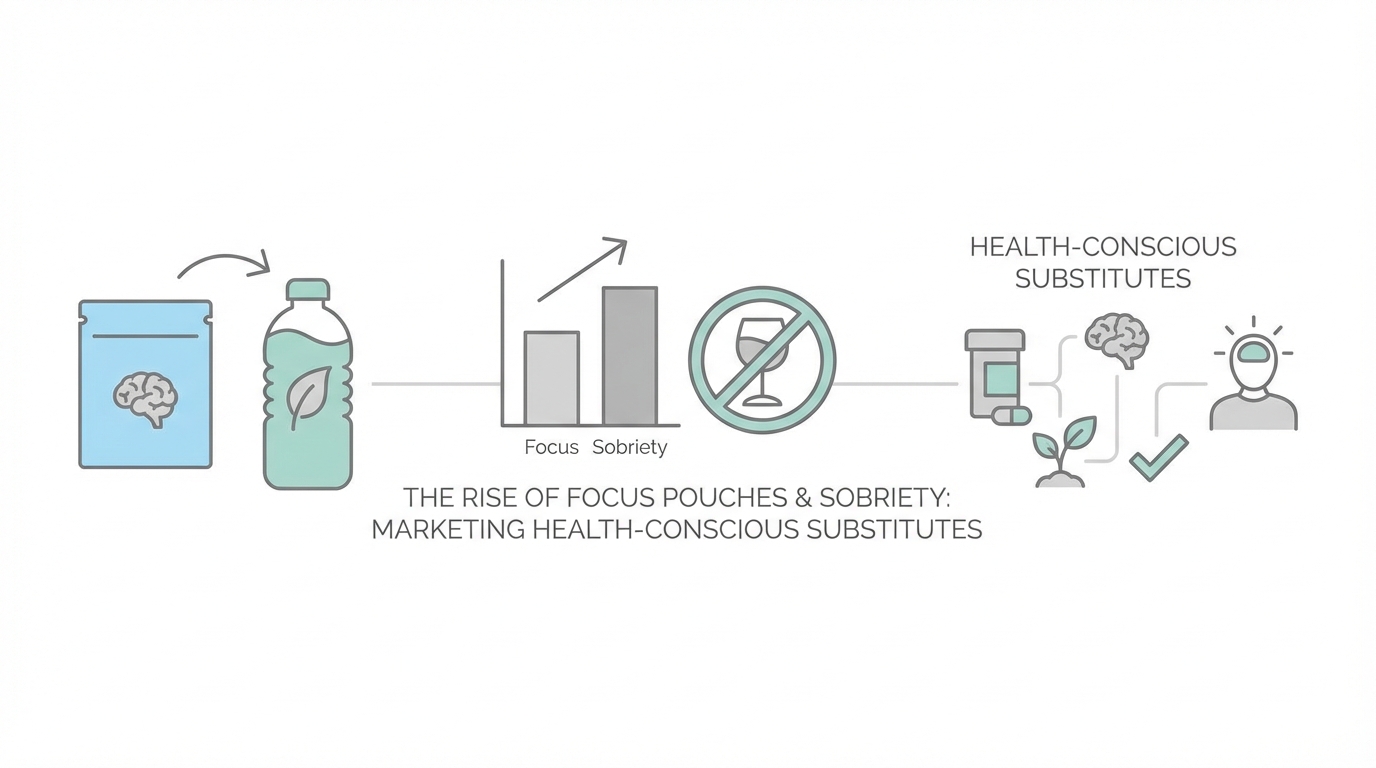
For decades, the marketing playbook for social connectivity was simple: alcohol and nicotine. If you wanted to build a brand around community, relaxation, or status, you looked toward the bar or the lounge. But the tide is turning with startling speed. Spirit inventories are soaring [source], social circles are trading cocktails for electrolytes, and the "health-is-cool" trend has moved from a niche bubble into a global market shift. We are witnessing a fundamental pivot where health conscious consumer trends are no longer just about avoiding "bad" habits—they are about substituting them with high-performance alternatives that promise a cognitive edge without the hangover.
The Spirit Inventory Crisis: Why Drinking Isn’t Cool Anymore
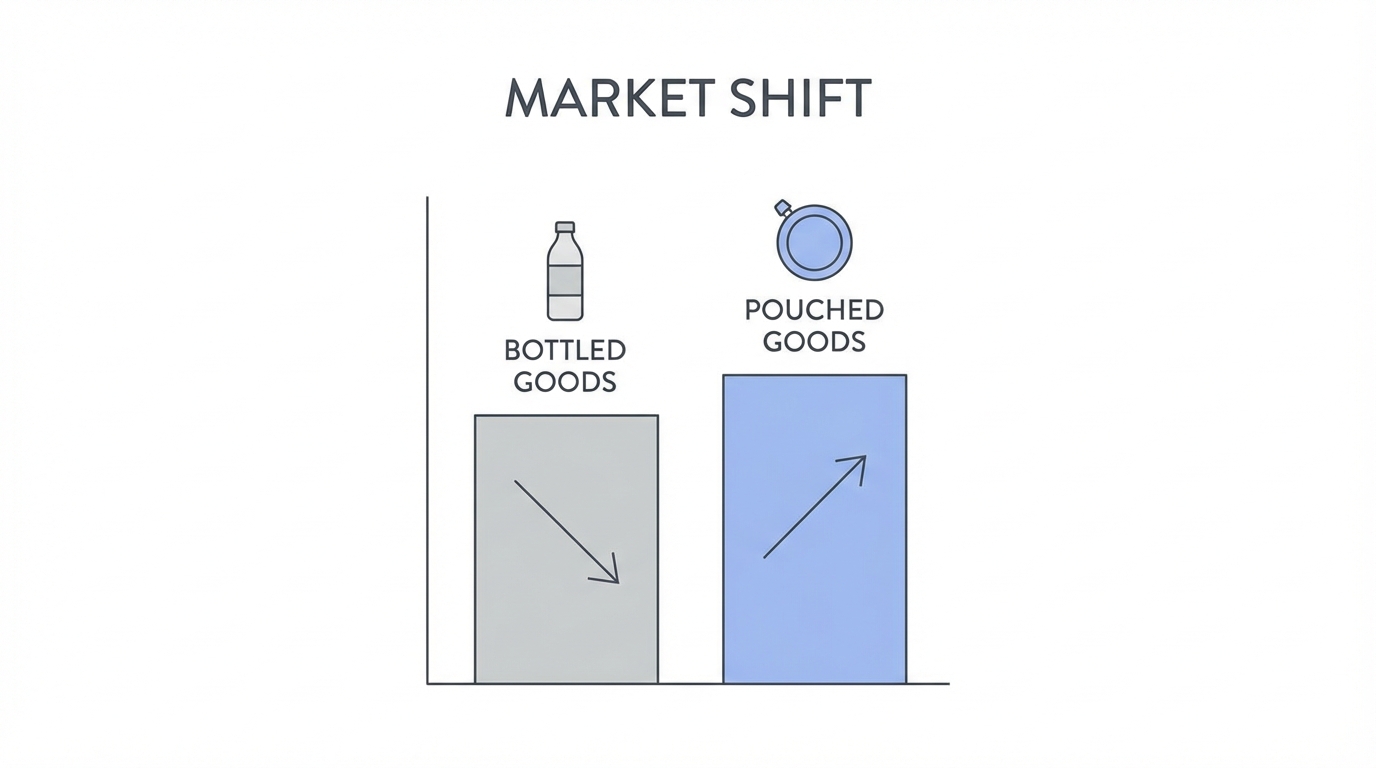
The data paints a stark picture for the traditional alcohol industry. Between 2011 and 2025, there has been a massive up-and-right trend in spirit inventories as a percentage of sales. For many major spirit brands, inventory that once sat comfortably under 20% has ballooned to 60%, 70%, or even 80%. This isn't just a supply chain hiccup; it is a sign that consumer demand is drying up. The modern consumer, particularly in the tech and high-performance sectors, has decided that being healthy is the new status symbol.
This shift isn't just about "behaving better." As any marketer knows, human nature doesn't fundamentally change—we just find better substitutes. People still want a way to take the edge off, a social lubricant, or a ritual to signal the end of the workday. However, the jobs-to-be-done once handled by a bottle of Campari are now being outsourced to non-alcoholic beverage trends and functional supplements. Brands like Athletic Brewing Co have successfully identified this gap, proving that you can sell the ritual of a beer without the metabolic cost.
The ‘Substitute Better’ Phenomenon: Ultra vs. Zyn

While traditional vices are in the gutter, the "substitute" market is exploding. Look at the rise of nicotine-free focus pouches. While Zyn currently dominates the nicotine market, a new wave of brands is targeting a more elite, health-conscious segment. A prime example is Ultra, a company founded in 2023 that raised $11 million to scale nicotine-free focus pouches. In just six months, they sold 1 million cans, positioning themselves as the top choice for users who want cognitive enhancement without the risk of addiction.
The marketing angle for Ultra is fascinating. Their website explicitly targets top performers at Facebook, Goldman Sachs, and Sequoia Capital. This is a massive departure from traditional marketing. Instead of selling to the Everyman, they are positioning their product as a "secret weapon" for the high-achieving professional. This is the hallmark of performance supplement marketing: selling an unfair advantage rather than a simple pleasure.
Why Performance Segmentation Works
When you market a product like a focus pouch or a non-alcoholic spirit, you aren't just selling a beverage or a supplement; you are selling a lifestyle identity. For the modern professional, being "cracked out" on focus-enhancing tools is the new cool. This audience values the eccentric load of their productivity as much as their gym sessions. They are looking for tools that integrate seamlessly into a biohacking routine, which is why nicotine free pouch brands are finding such high traction in Silicon Valley and Wall Street.
Identifying High-Performance Influencers: A Playbook
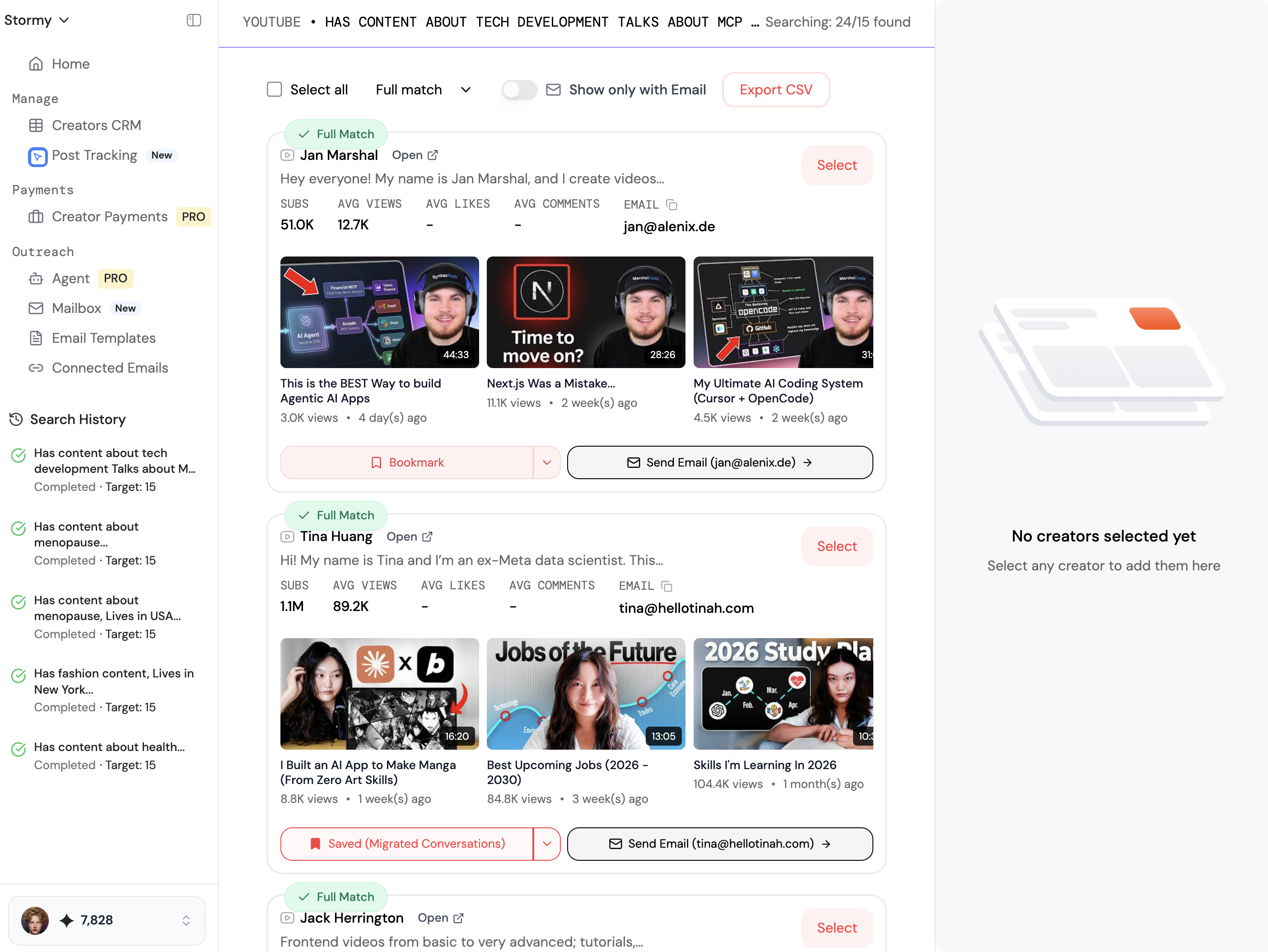
Marketing these niche, high-end substitutes requires a different breed of influencer. You aren't looking for mass-market reach; you are looking for authority and conviction. In the world of biohacking and performance, a recommendation from a credible founder or a technical expert carries ten times the weight of a traditional celebrity endorsement. Stormy AI is an all-in-one AI search engine across TikTok, Instagram, and YouTube that is becoming essential for brands to navigate this landscape, allowing marketing teams to find UGC creators who actually live the lifestyle they promote using natural-language prompts.
Step 1: Focus on Niche Authority
Instead of broad-reach lifestyle influencers, look for "founder-types" or experts in specific disciplines. Whether it's a partner at a VC firm or a performance coach for athletes, these influencers provide the social proof needed for a $16 can of focus pouches. You can use Stormy AI to vet creators by pasting their profile URLs to get an AI-powered quality report that detects fake followers, spam accounts, and engagement fraud instantly.
Step 2: Prioritize Time-Spent Over Impressions
The research suggests that while clips and short-form video are great for awareness, audio is where the deep engagement lives. An average podcast listener might spend 45 minutes with a creator, building a level of trust that a 15-second TikTok can't touch. When planning your biohacking influencer marketing spend, prioritize creators with dedicated long-form audiences on platforms like Spotify or Apple Podcasts.
Step 3: Leverage ‘Hidden’ High-Performance Communities
Communities like Hampton or niche Discord servers for founders are the new breeding grounds for health trends. When a product like the Vultra (a portable cable machine) gets mentioned by figures like Alex Hormozi or in elite circles, it creates a trickle-down effect that eventually hits the mainstream market.
The Marketing Pivot: From Nightlife to Biohacking
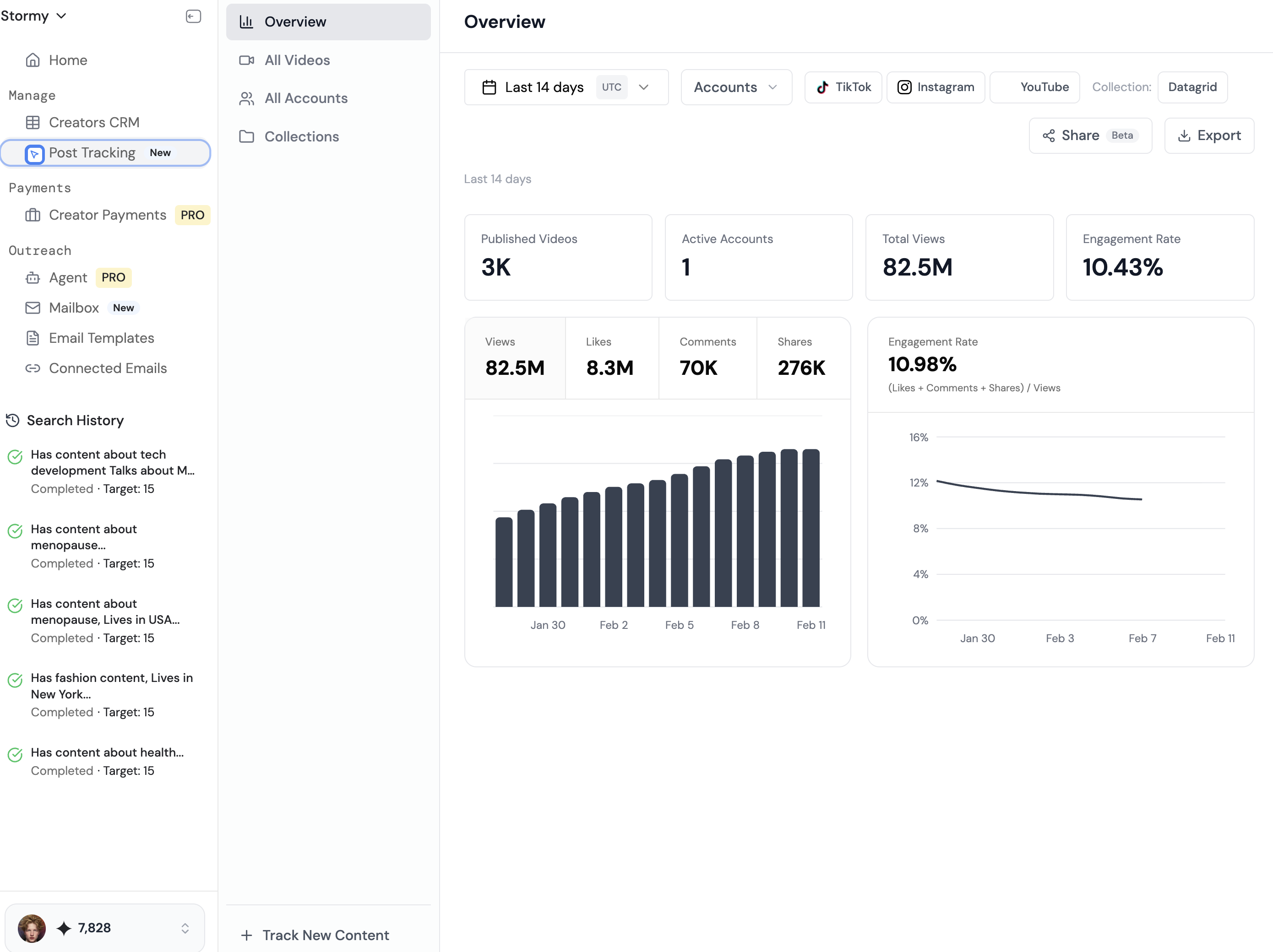
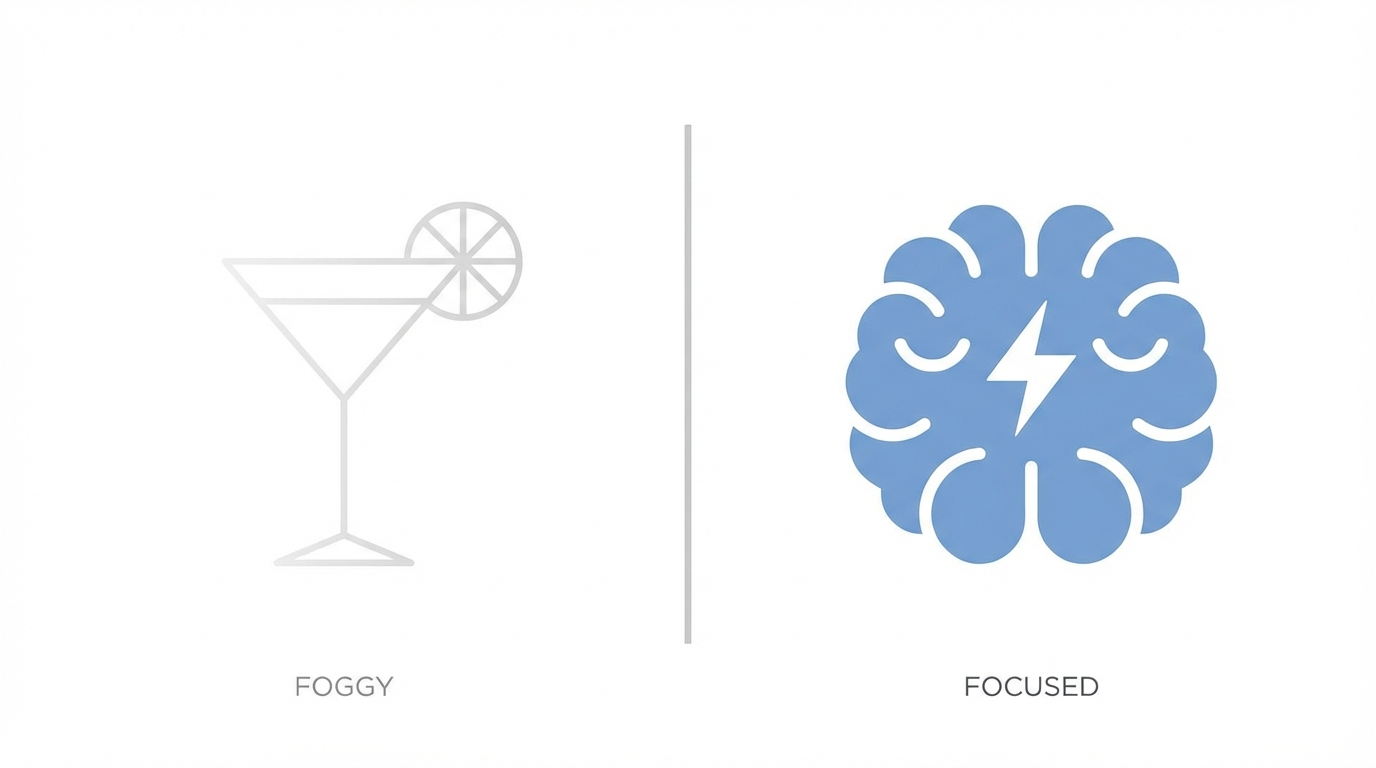
If you are a brand currently marketing in the "social lubricant" space, the pivot to performance supplement marketing is critical. The old model of nightlife sponsorships and party-centric imagery is losing its edge. Instead, brands should focus on the "functional" aspects of their products. How does this help the consumer perform better at work? How does it improve their sleep? How does it fit into a health conscious consumer trend like the "Wolverine stack" or peptide usage? Brands can use Stormy AI to track accounts and individual videos, monitoring views and engagement to see which functional messaging resonates most with their audience.
Even fitness equipment is getting smaller and smarter. Take Vultra, which provides up to 200 pounds of force in a device the size of a brick. This appeals to the "gadget nerd" within the fitness community—the same person who is likely to experiment with nicotine free pouch brands or non-alcoholic beers. By targeting the intersection of technology and physical performance, brands can tap into a highly motivated, high-LTV customer base.
The Rise of Physical AI and Peptides
We are entering an era of "Physical AI," where technology and biology are merging in everyday consumer goods. From AI-powered meeting recorders like Plaud to interactive toys and even the controversial rise of peptides, the consumer is increasingly comfortable with external enhancements. Peptides, in particular, are following the classic early-adopter curve. What the "nerds" are doing today—using BPC-157 for injury recovery or GLP-1s for metabolic health—will be mainstream in five years.
For marketers, this means the "health" category is expanding. It's no longer just vitamins and protein powder. It’s cognitive enhancers, physical resistance technology, and bio-identical substitutes. Brands that want to win need to stay ahead of these curves by using sophisticated tracking and discovery tools. For example, finding the right creators to explain the benefits of a complex product is much easier when you use Stormy AI to set up an autonomous AI agent that discovers, outreaches, and follows up with high-intent influencers on a daily schedule.
Conclusion: Playing the Long Game in Health-Conscious Markets
The collapse of spirit inventories and the surge in non-alcoholic beverage trends are not temporary fads—they are signs of a generational shift in how we value our time and health. To succeed in this new landscape, brands must move away from mass-market shouting and toward niche, high-performance authority. Whether you are selling nicotine free pouch brands or AI-integrated hardware, the key is to provide a superior substitute that fits into the consumer's desire for a better, more optimized version of themselves.
As you build your growth strategy, remember to diversify your channels. Don't just rely on organic reach; utilize Google Ads for high-intent search traffic and Meta Ads Manager to target lifestyle-specific demographics. By combining AI-powered influencer discovery with a deep understanding of biohacking influencer marketing, you can position your brand at the forefront of the most significant consumer shift of the decade.