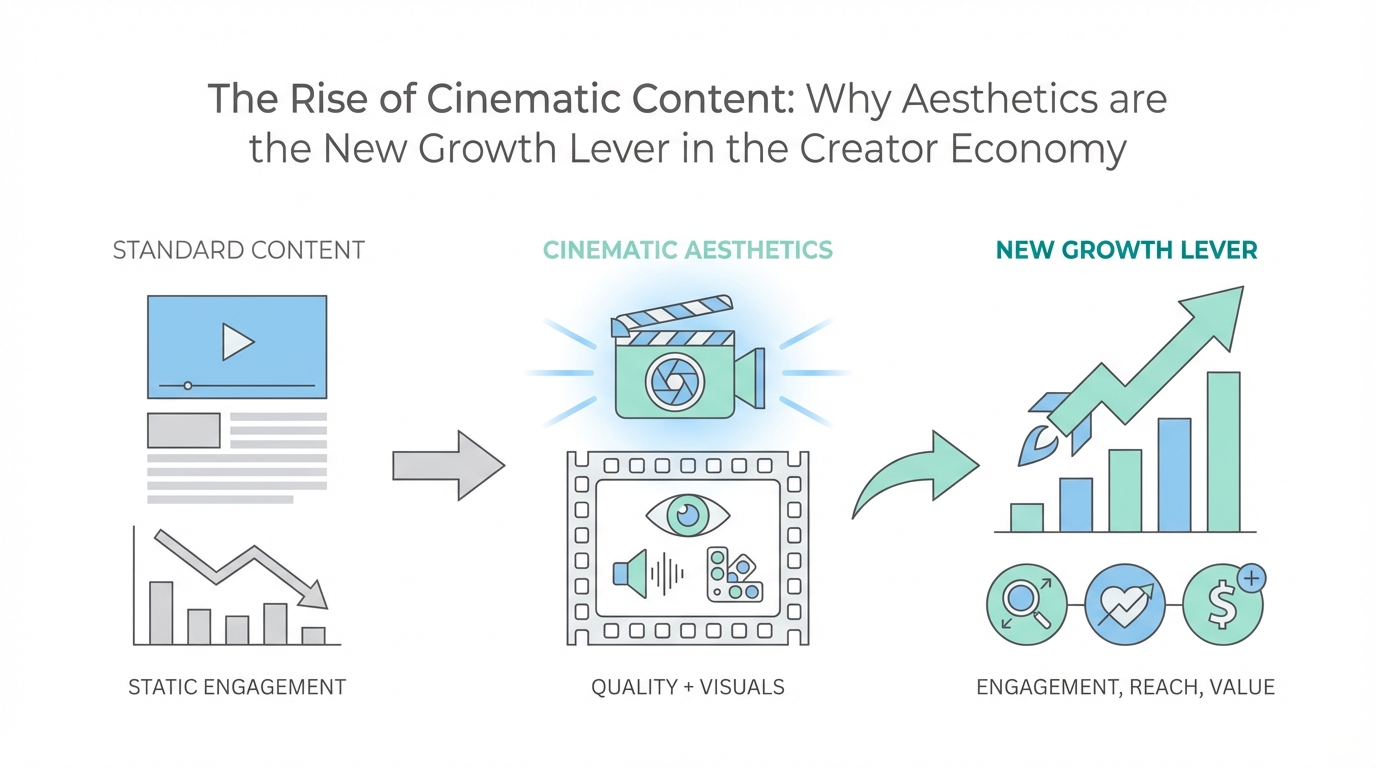
The era of "lo-fi slop" is officially coming to a close. For years, the prevailing wisdom in the creator economy 2025 landscape was that authenticity required a certain level of unpolished grit. If a video looked too professional, it was dismissed as an ad; if it was too glossy, it lacked soul. But as the sheer volume of content has exploded—reaching a point where individual creators are generating 90 million views across platforms in a single year—the algorithmic bar has moved. Viewers are no longer just looking for information; they are looking for an immersive experience. This shift toward high-production, cinematic video is redefining video marketing strategy and creating a new standard for what constitutes high engagement video content.
The Post-Talking-Head Era: Beyond the Selfie Camera

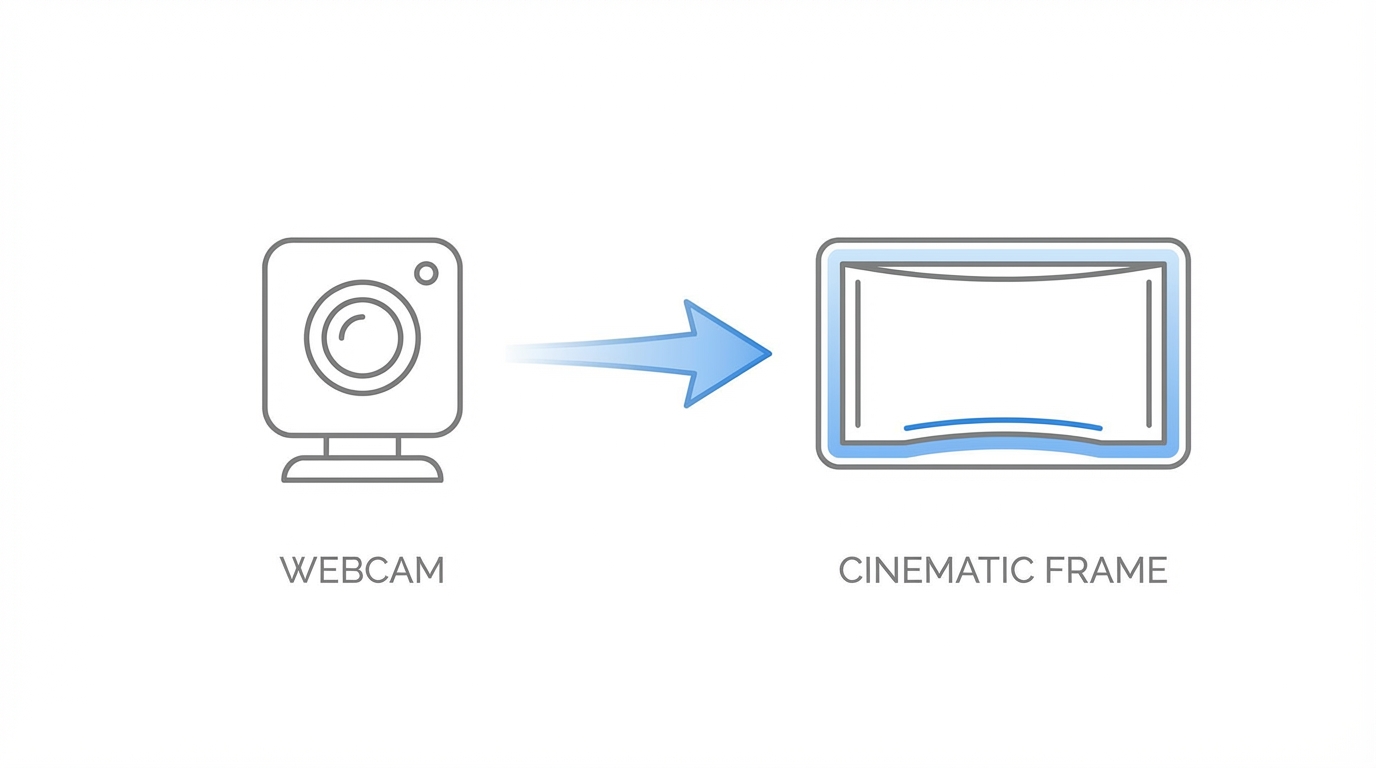
We are entering what many industry insiders call the "Post-Talking-Head" era. The standard format of a creator speaking directly into a phone at eye level is reaching a saturation point. To break through the noise, creators and brands are increasingly turning to cinematic aesthetics to drive retention. It is no longer enough to have a good hook; you need a visual environment that keeps the viewer’s eyes busy while their ears listen. This is a critical component of any modern Meta Ads Manager strategy, where visual fatigue is the primary enemy of conversion.
This trend is most visible on TikTok and Instagram, where social media content trends are moving away from raw, unedited clips toward high-dynamic-range (HDR) footage, intentional lighting, and complex set design. The goal is to create a "vibe" that feels more like a prestige television show than a casual social post. This transition is essential for brands looking to maintain high engagement video content in a world where attention is the scarcest resource. Platforms like Stormy AI, an AI-powered search engine that allows you to find creators across TikTok, YouTube, and Instagram using natural language prompts, have seen this shift firsthand, as brands increasingly seek out UGC creators who can deliver high-production value that feels native to the platform yet looks professional enough to represent a top-tier brand.
Studio Strategy: Lessons from Mark Brazil and Chris Williamson
To understand the power of visual retention, one only needs to look at the "Studio Strategy" employed by top-tier podcasters and creators. Mark Brazil, for example, has mastered a specific aesthetic often described as a "hostage negotiation" setup—dramatic, high-contrast lighting with a dark, moody background that makes the subjects pop. This isn't just an artistic choice; it’s a tactical one. By creating a unique visual identity, Brazil ensures that his content is instantly recognizable in a crowded feed.
Similarly, Chris Williamson has revolutionized his set design to accommodate high-profile guests like Matthew McConaughey. His sets aren't just functional; they are cinematic environments that use depth of field and premium textures to signal authority and quality. For brands, the takeaway is clear: your recording environment is a silent spokesperson for your brand’s value. Investing in a professional setup isn't a luxury; it’s a growth lever. When you use Apple Search Ads or other discovery platforms, the visual quality of your creative often determines your click-through rate long before the viewer hears your message.
The 'Grock' Growth Framework: From Prestige to High-Force Projects
Transitioning to a cinematic content strategy often requires a shift in mindset, a concept embodied in the 'Grock' Growth Framework. Many creators and marketers get stuck in "prestige roles"—projects that look good on a resume or feel important but don't actually move the needle on growth. The shift to "Grocking" involves moving toward high-force projects where effort is directly proportional to output. This requires an honest assessment of whether your current content is merely "respectable" or if it’s genuinely excellent.
Excellence is never an accident; it is the result of high intention and intelligent execution. For a brand, this might mean moving away from a traditional podcast format and toward high-production UGC for mobile app marketing. By focusing on high agency and high-force content, companies can achieve what Stormy AI helps facilitate by providing deep audience demographics and detecting fake followers to ensure you find creators who don't just post, but who perform. This framework encourages creators to stop "playing house" with their content and start treating it as a high-stakes engineering problem where lighting, sound, and framing are the variables.
High Agency in Content Creation: The Nick Mowbray Story
Few stories illustrate the power of high agency in the creator economy better than that of Nick Mowbray, co-founder of the multi-billion dollar toy company ZURU. Mowbray’s approach to business—and content—is one of relentless persistence. His story of sleeping on factory floors in China and living off a dollar a day to build a global empire is a masterclass in grit. But what’s most fascinating is how he treats social media today: as a "side quest" to build top-tier brands.
Mowbray realized that he could build one of the biggest diaper brands in the world simply by mastering TikTok. He didn't wait for a marketing agency to tell him how to do it; he used high agency to figure out the algorithm himself. This included installing cameras on buildings overlooking competitors' factories to monitor production—a level of intensity that translates directly into content performance. For Mowbray, the video marketing strategy wasn't about being polished; it was about being effective. He treated content like he treated his supply chain: with an obsessive focus on what actually drives results.
The Playbook: How to Upgrade Your Production Quality

If you want to break through the algorithmic noise in 2025, you need to move beyond basic recording. Here is a clear playbook for upgrading your production to meet the new cinematic standard.
Step 1: Master the Lighting Grid
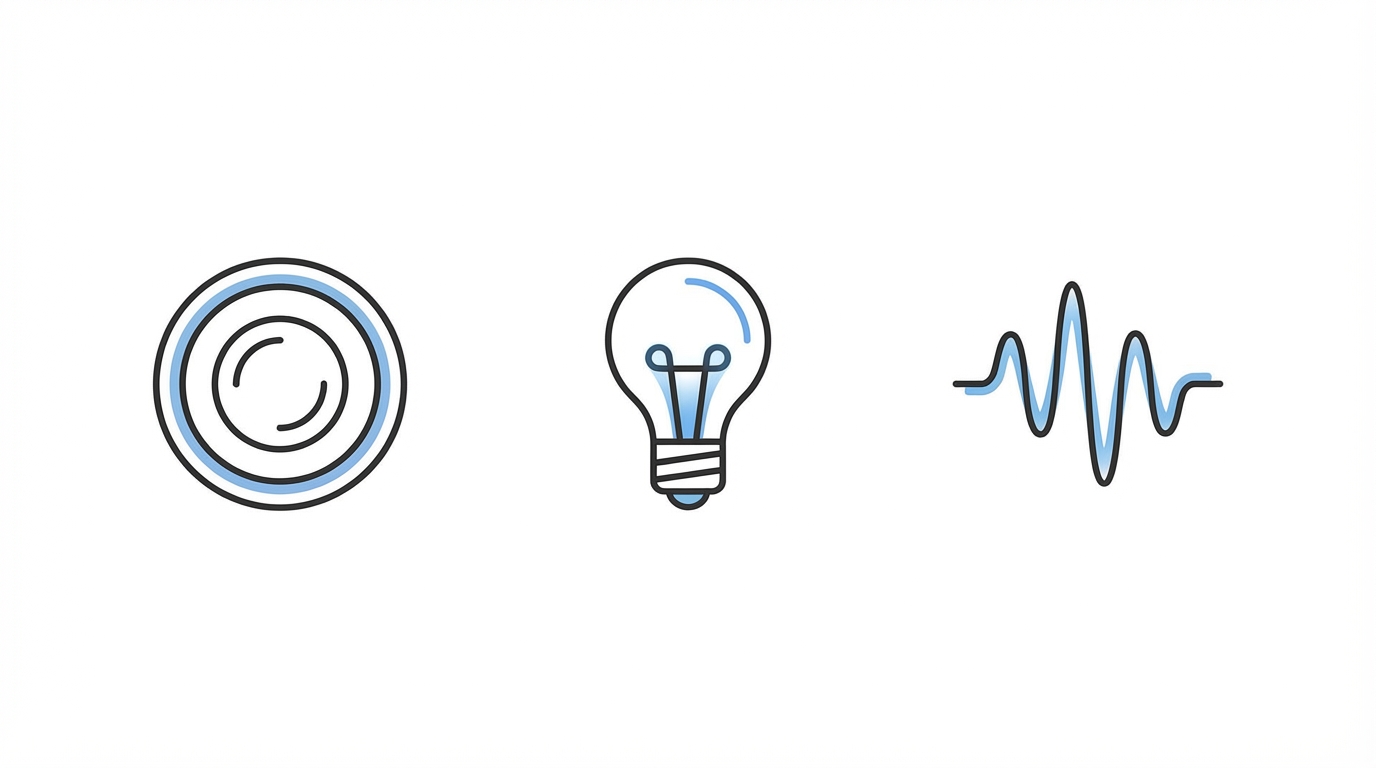
Flat lighting is the hallmark of amateur content. To create a cinematic look, you need contrast. Use a three-point lighting setup: a key light to illuminate the subject, a fill light to soften shadows, and a back light (or "hair light") to separate the subject from the background. This creates visual depth, which is essential for maintaining retention in long-form videos. Even when running a Google Ads video campaign, the shadow-to-light ratio can significantly impact how "premium" your brand feels. You can use Stormy AI to monitor views and engagement across all your platforms in one centralized post-tracking dashboard.
Step 2: Prioritize Sound Over Sight
While we are discussing aesthetics, the secret truth of high engagement video content is that viewers will forgive poor video quality long before they forgive poor audio quality. Invest in a high-quality XLR microphone and a dedicated audio interface. Use sound dampening (acoustic foam or even heavy blankets) to remove room echo. High-quality audio makes the viewer feel like they are in the room with you, creating an emotional connection that raw audio simply cannot achieve.
Step 3: Intentional Framing and Depth
Stop recording with your back against a flat white wall. Move your subject away from the background to create bokeh (background blur). Use props and textures in the background—bookshelves, plants, or soft LED accents—to create a "lived-in" feel. This level of intentionality signals to the viewer that this content is worth their time. When brands use tools like Stormy AI to manage their entire creator CRM and collaboration history, they often look for creators who already have a unique, well-framed aesthetic because it reduces the need for expensive post-production.
Unreasonable Hospitality in Content: The Will Guidara Approach
The concept of "Unreasonable Hospitality," popularized by restaurateur Will Guidara, applies just as much to content as it does to fine dining. Guidara’s restaurant, Eleven Madison Park, became the best in the world not just because of the food, but because of the extraordinary lengths they went to for their guests. They once overheard a family mention they had never tried a New York street hot dog, so they sent an employee to buy one, plated it beautifully, and served it as a surprise course.
In the creator economy 2025, you must provide this same level of excellence to your audience. This means going "above and beyond" in the edit—adding helpful graphics, citing sources via inline links, and ensuring the viewing experience is as friction-free as possible. Excellence in content is a form of hospitality; you are respecting the viewer's time by giving them the best possible version of your message. This mindset shift—from "posting content" to "serving an audience"—is what separates the 1% of creators from the rest. [source: Will Guidara TED Talk]
Conclusion: The Future is Cinematic
The move toward cinematic content isn't just a trend; it's an evolutionary step in how we communicate online. As AI tools make it easier for everyone to produce "decent" content, the only way for human creators and brands to stand out is through extreme intentionality and high-production value. Whether you are building a toy empire like Nick Mowbray or a niche community through social media content trends, the lever for growth is now visual retention.
To succeed, you must adopt high agency, move toward high-force projects, and never settle for "good enough." By investing in the aesthetics of your brand, you aren't just making things look pretty—you are building a retention engine that will sustain your growth for years to come. For those looking to scale quickly, finding the right partners is key. Platforms like Stormy AI can help you set up an autonomous AI agent that handles creator discovery and outreach daily, ensuring your brand stays at the forefront of the creator economy.