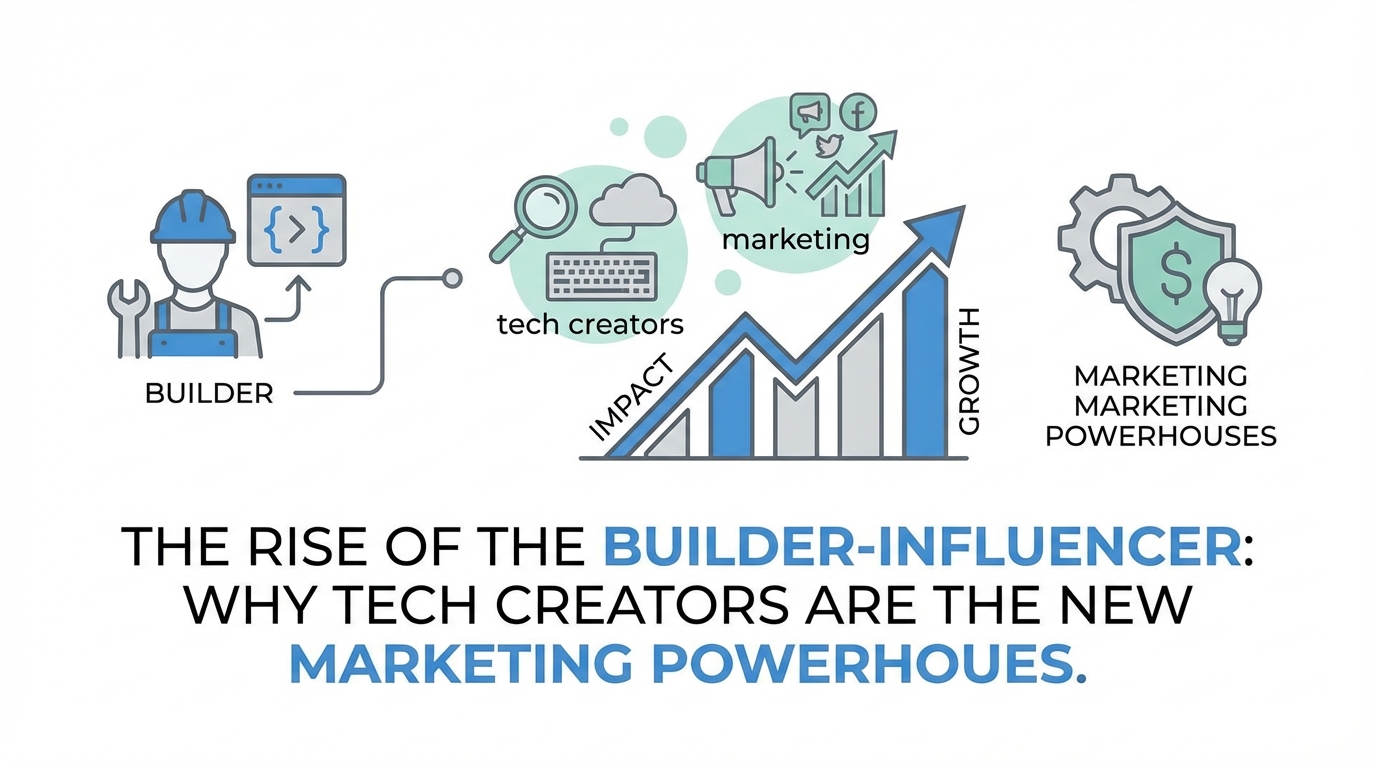
The traditional influencer landscape is undergoing a seismic shift. For years, marketing was dominated by lifestyle creators and aesthetic curators. But as we enter the AI gold rush, a new breed of creator has emerged: the Builder-Influencer. These are not just content creators; they are developers, engineers, and solopreneurs who document their journey of shipping real products in real-time. The recent success of the world's largest hackathon, hosted by Bolt.new, proved that technical storytelling is the new high-performance fuel for brand growth. With over 130,000 participants and one million new web apps created in just 30 days, the tech creator economy is no longer a niche—it is a marketing powerhouse.
The Shift from Passive Content to 'Active Builders'
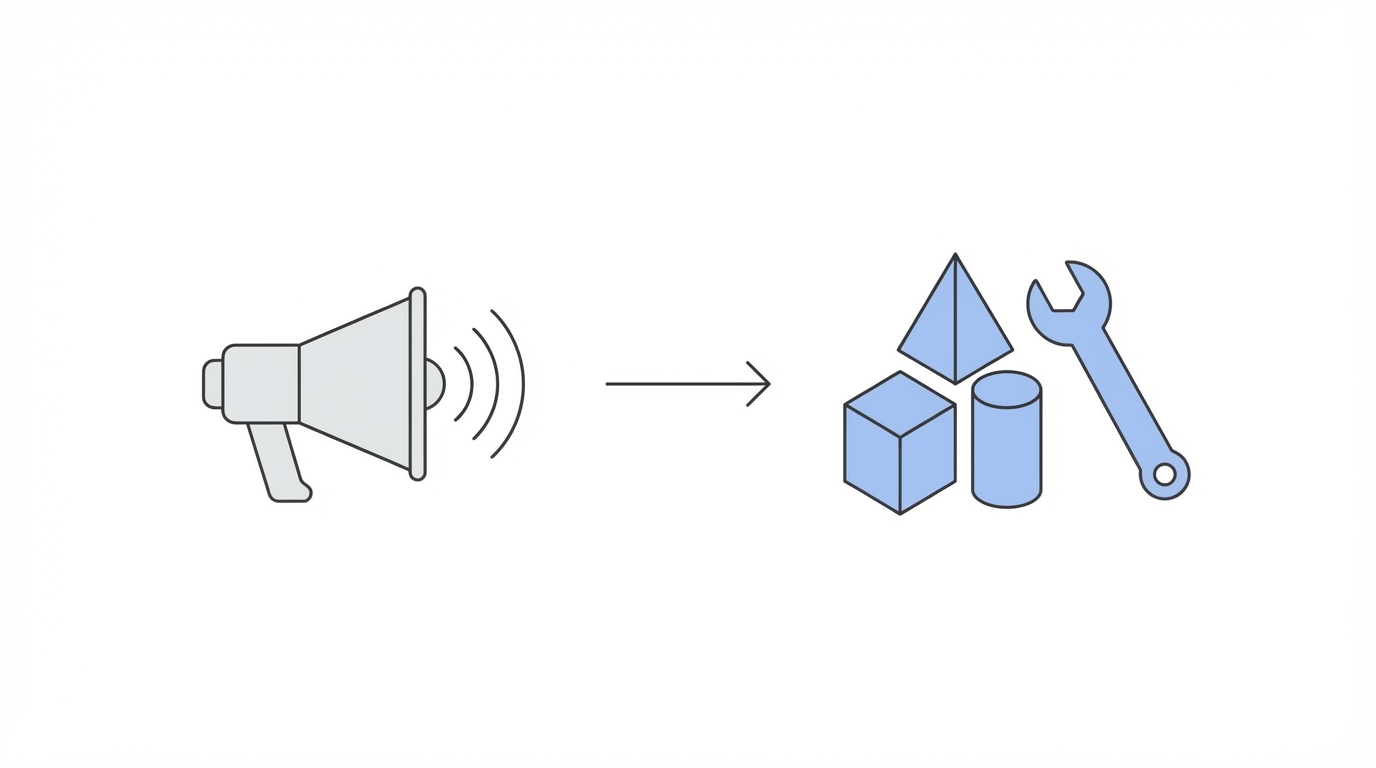

The core difference between a traditional influencer and a builder-influencer lies in the utility of their content. While traditional creators provide entertainment or inspiration, builder-influencers provide utility and transparency. They practice what the industry calls 'Building in Public.' This movement involves sharing everything from raw code snippets and wireframes to revenue numbers and server crashes.
During the Bolt hackathon, creators like Serge from Taylor Labs documented their journey daily. Serge, who eventually won first place for his AI video editor, didn't just post a finished product; he shared the grind of the 30-day sprint. This transparency creates a level of trust and authenticity that polished, scripted ads can never replicate. For brands, partnering with these creators means tapping into a community that values the process as much as the result.
Why 'Proof of Work' Beats Traditional Metrics
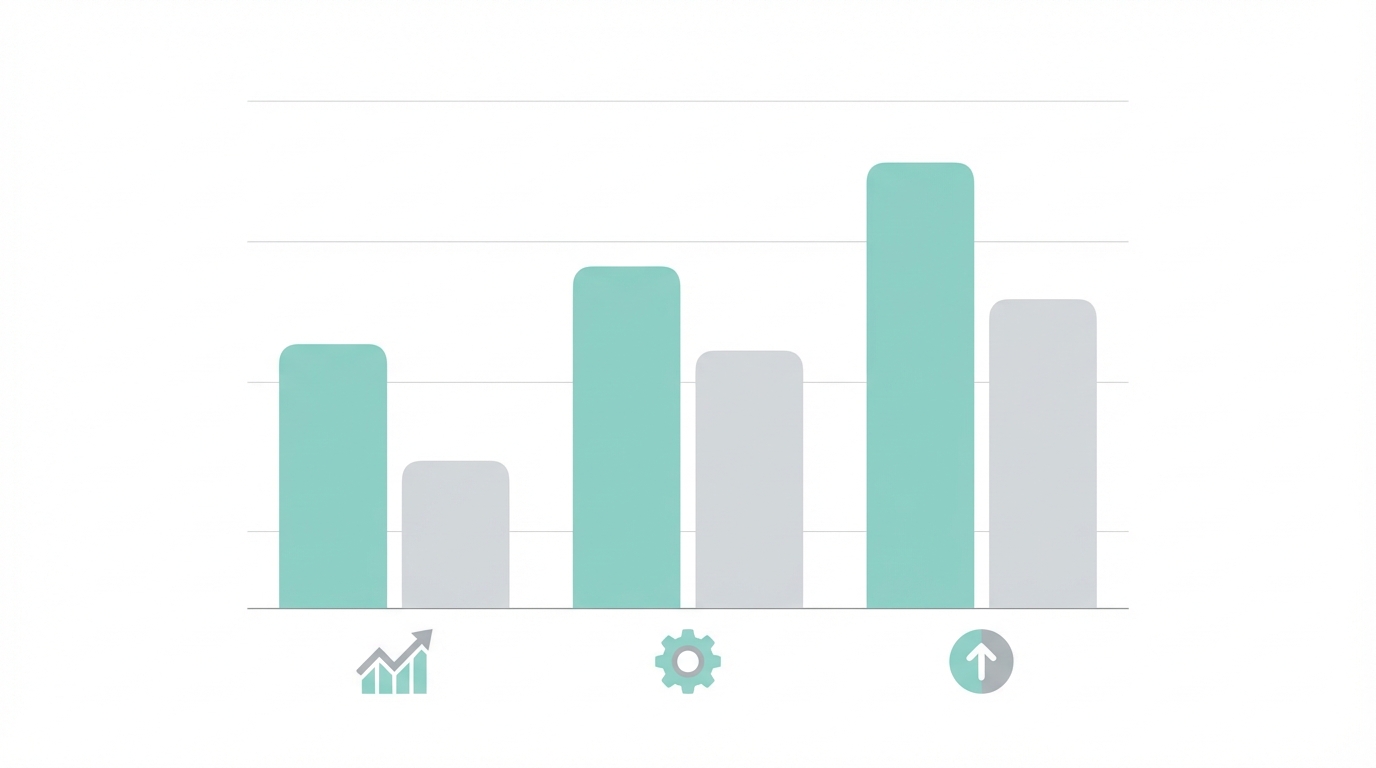
In the world of influencer marketing for tech, follower count is becoming a secondary metric. The new gold standard is 'Proof of Work.' A creator with 5,000 followers who has built a functioning Vue or Vite application is often more valuable to a SaaS brand than a lifestyle creator with 500,000 followers. This is because the builder’s audience consists of other builders, decision-makers, and early adopters who are looking for tools to solve technical problems.
The judging criteria for the Bolt hackathon offer a masterclass in how brands should vet these creators. Instead of looking at engagement rates alone, judges like Adi Osmani (Engineering Lead at Google Chrome) and Alex Albert (Head of DevRel at Anthropic) focused on:
- Potential Impact: How big is the problem the creator is solving?
- Technical Implementation: Is the code well-engineered and integrated with modern APIs?
- Design and UX: Is the product stunning and intuitive to use?
- Quality of Idea: Is the solution unique or just a copy of existing tools?
How to Identify High-Value Builder-Influencers

Finding the right technical creator requires looking beyond the "For You" page. Brands should look for creators who are actively participating in ecosystems like GitHub or posting technical walkthroughs on LinkedIn and X (formerly Twitter). High-value creators often share their "lived experience," such as the creator of BenchApp, who built a solution for sports gambling recovery based on his own personal struggle, or Zhang, a new mom who built an AI coach for parents.
When executing a B2B influencer strategy, look for creators who can articulate the why behind their build. The most impactful submissions in the Bolt hackathon—like EcoBolt for agricultural IoT or KeyHaven for API management—succeeded because they solved specific, painful problems for defined audiences. These creators are subject matter experts first and influencers second.
The Times Square Lesson: High-Stakes Rewards
One of the most striking aspects of the Bolt hackathon was the prize pool: over $1,000,000 in non-dilutive funding. But it wasn't just the money that drove 130,000 signups. It was the public recognition. The winners were featured on a billboard in Times Square, providing a level of social proof that money can't buy. For a developer, being recognized by legends like Pieter Levels or Jason Calacanis is a career-defining moment.
Brands can learn from this by offering rewards that go beyond a flat fee. Personal branding for developers is a major motivator. Offering creators a feature on your corporate blog, access to your engineering team, or a spotlight in your newsletter can be more enticing than a standard sponsorship. These creators want to build their legacy, and your brand can be the platform that helps them do it.
The Playbook: Partnering with 'Solopreneur Legends'
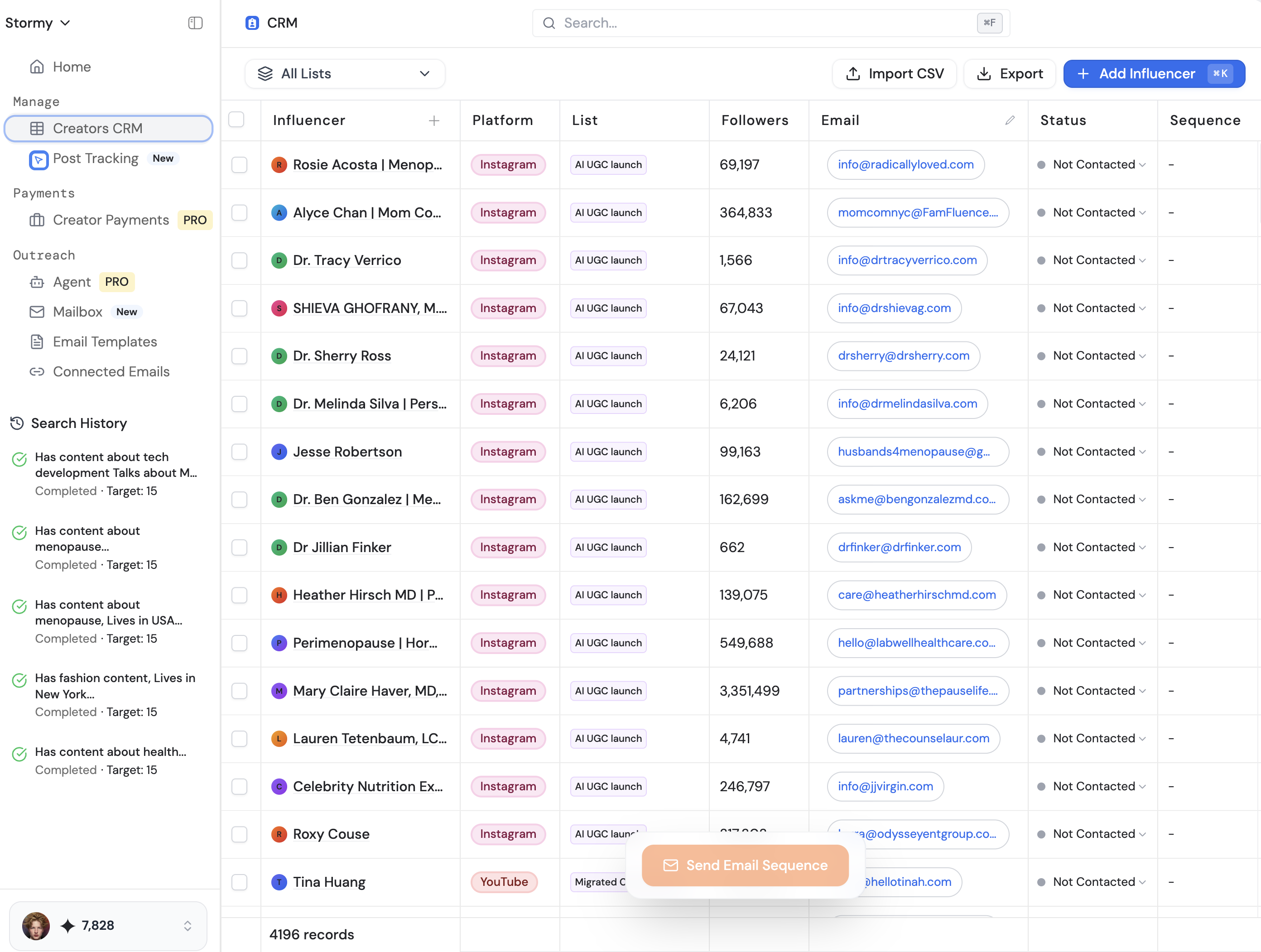
If you are ready to integrate technical creators into your marketing mix, follow this step-by-step playbook to ensure a successful collaboration.
Step 1: Define the Technical Problem
Before reaching out, identify which part of your product requires a technical explanation. Are you trying to show how easy your API is to use? Or how your AI integrates with Google AI Studio? Define the "build challenge" you want the creator to tackle.
Step 2: Source via Community, Not Just Hashtags
Look at who is winning hackathons or trending on technical subreddits. Tools like Stormy AI can help source and manage UGC creators at scale by allowing you to search for specific technical niches—like "AI developers in Toronto" or "SaaS builders using React"—using natural language prompts.
Step 3: Provide Creative Autonomy
Technical creators know their audience better than you do. If they say a 10-minute deep-dive video on X is better than a 30-second TikTok, trust them. Their value lies in their ability to translate complex concepts into digestible content. Encourage them to share the "fails" along with the wins to maintain authenticity.
Step 4: Track Beyond the Click
Use detailed analytics to track how these partnerships impact your bottom line. Don't just look at views; look at API signups, GitHub stars, or documentation views. Managing these complex relationships requires a dedicated system, and a creator CRM like the one offered by Stormy AI can help you track every interaction and negotiation in one place.
Conclusion: Joining the AI Gold Rush
We are currently in a gold rush for AI and technical talent. The builder-influencer represents the most authentic bridge between a brand's product and the end-user's needs. Whether it's a 12-year-old building an AI therapist or a seasoned engineer creating an enterprise solution, these creators are proving that developer influencer marketing is the most effective way to build trust in the modern era.
By shifting your focus from vanity metrics to proof of work, and by providing creators with high-stakes rewards and creative freedom, your brand can harness the superhuman intelligence of the global builder community. The hackathon era is just beginning—is your brand ready to build?