In the hyper-competitive mobile landscape of 2026, the difference between a struggling indie app and a $6.7 million ARR powerhouse often comes down to a single variable: the ability to manufacture momentum. When Brett Bauman and Zach founded Coconote, an AI-powered note-taker, they didn't just stumble into success. They reverse-engineered it by generating over 200 million views through a tactical blend of 'Trojan Horse' lead magnets and hyper-targeted UGC. By the time they were acquired by Quizlet just 18 months after launch, they had perfected a playbook for viral app marketing that any founder can replicate using modern competitive intelligence tools like SpyTok.
Step 1: Detecting Outlier Formats with Competitive Intelligence
 23:55
23:55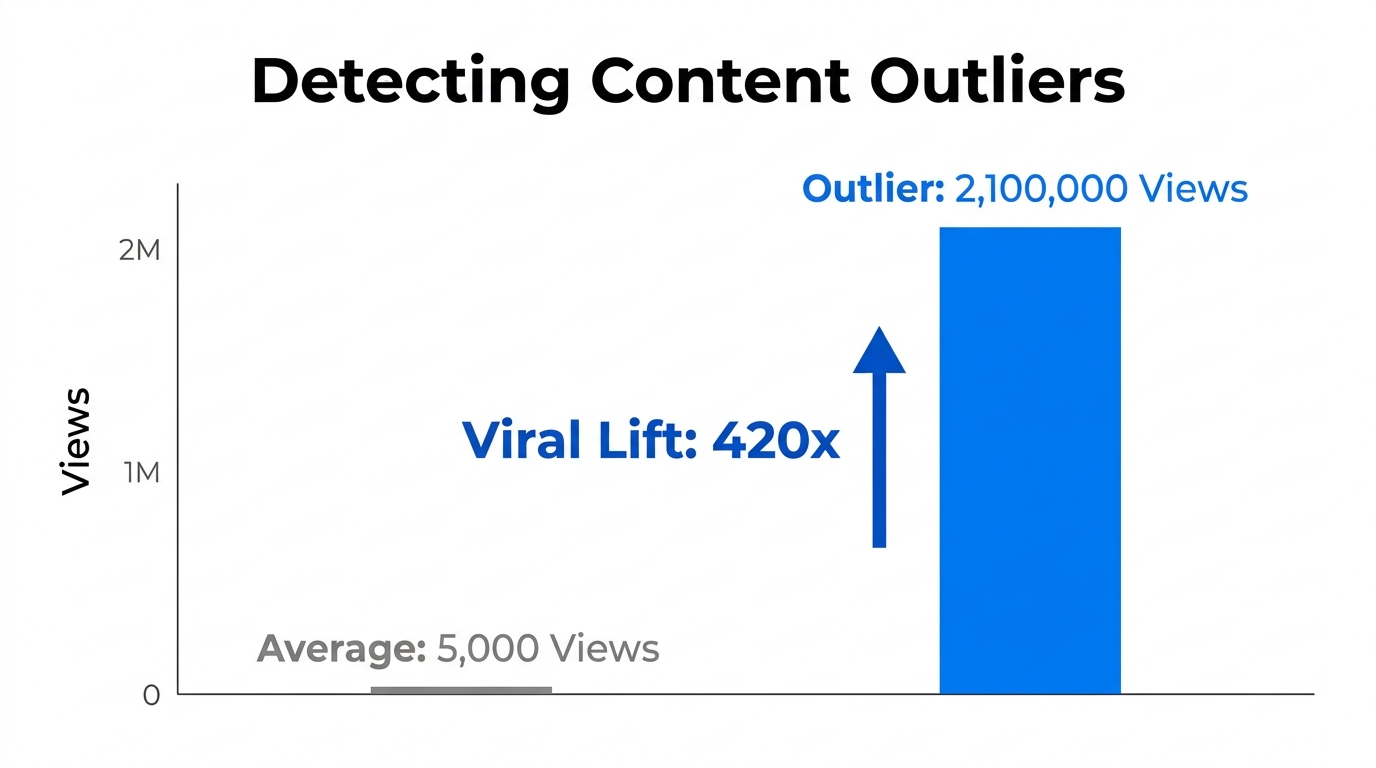
Most growth teams waste thousands of dollars on creators who produce 'standard' content that gets buried by the algorithm. In 2026, the winning strategy is to stop guessing and start spying. Tools like SpyTok act as an AI-powered radar, scanning hundreds of thousands of TikToks to find outlier videos—those rare posts that outperform a competitor's baseline engagement by 10x or 100x.
When Coconote began their journey, they realized that the 'AI note-taker' niche was underserved on mobile. By analyzing competitors and adjacent tools like Coconote, they identified that students weren't looking for 'efficiency software'—they were looking for magic tricks. SpyTok allows you to paste a competitor's URL and instantly see which specific hooks are driving actual TikTok Ads Manager performance and organic installs.
"Momentum is like oxygen for a startup. The sooner you find it, the more energy you can pour into what’s actually working."
Step 2: The Trojan Horse Strategy (Lead Magnet Mini-Products)
7:35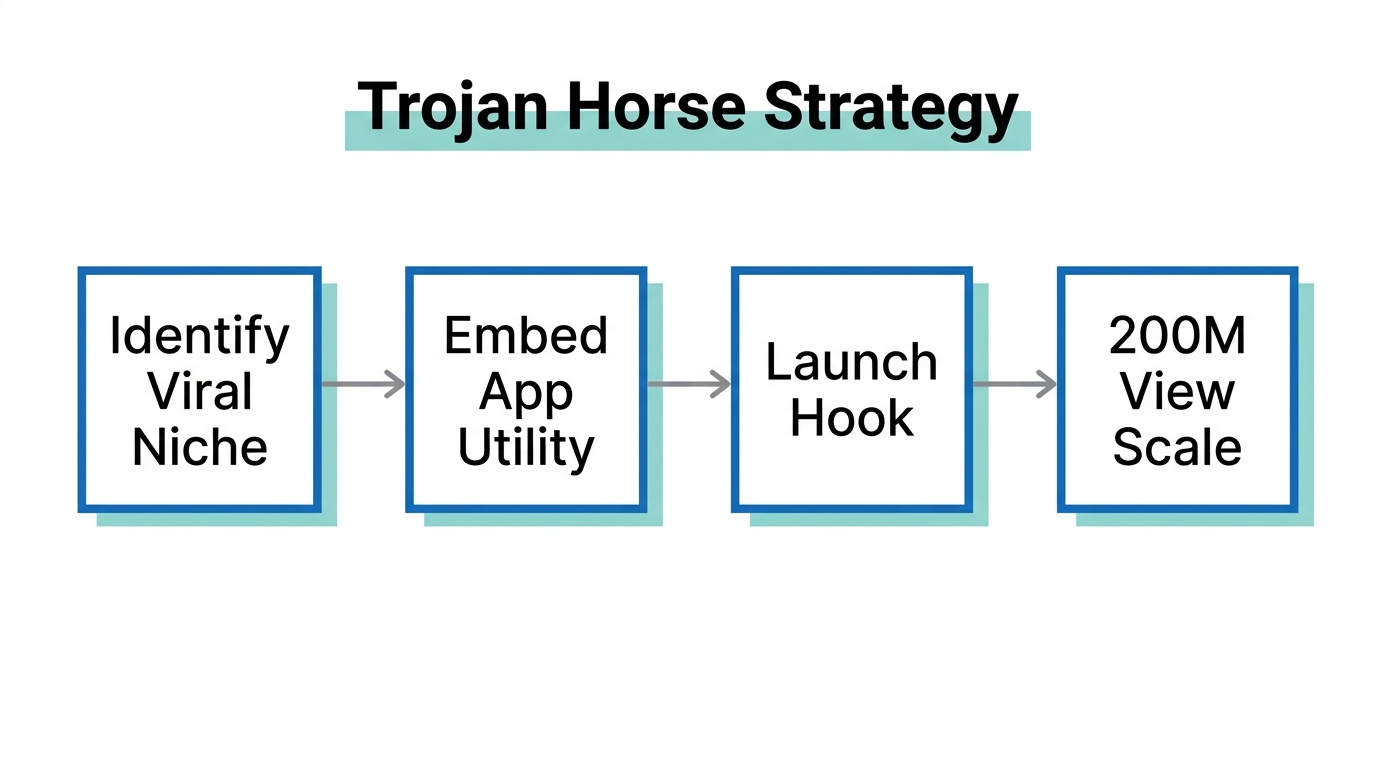
One of Coconote’s most legendary moves was the creation of PDF-to-Brainrot. This wasn't the core product; it was a 'toy' designed for maximum virality. The concept was simple: a user sends a long text or PDF to pdftobrainrot.com, and the AI converts it into a split-screen video featuring Minecraft parkour or 'sludge' content. This single feature generated between 100 million and 200 million views.
While Zach and Brett admitted that these videos had a lower conversion rate than their core product demos, they served as a massive top-of-funnel awareness engine. By using a 'lead magnet' product like 2048buthelpmestudy.com, they lowered the barrier to entry. Users entered for the novelty and stayed for the utility of the actual Coconote app.
- Novelty Hooks: Use 'shock' hooks that stop the scroll (e.g., "What is our attention span coming to?").
- Aha Moments: Ensure the video shows the product delivering a result in under 3 seconds.
- Redirects: Use catchy, memorable domains registered via Namecheap that redirect to your main App Store page.
Step 3: Remixing Hooks for Identity-Based Targeting
11:13Virality for the sake of views is a vanity metric. Coconote’s true genius was transitioning from novelty to identity. They didn't just target 'students'; they targeted students with ADHD. By framing their app as a solution for people who 'never want to miss a key detail' during a lecture, they tapped into a core part of their audience's identity. [Source: ADDitude Magazine]
Using Stormy AI, brands can find specific influencers who already speak to these high-intent subcultures. Instead of generic 'study-grammers,' Stormy identifies creators who have a genuine connection with neurodivergent audiences, allowing you to remix a proven viral hook (like the lecture hall recording) into a solution-oriented narrative.
"We would rather have 10 million views on a video that converts well because it's actually targeting our target audience than 40 million views on a video that is just novel."
| Strategy Type | Primary Goal | Target Metric |
|---|---|---|
| The Trojan Horse | Mass Awareness | Total Views / Shares |
| Identity-Based UGC | App Installs | Trial Conversion Rate |
| Creator-Only Screens | Visual Retention | Watch Time % |
Step 4: Building the 'Navy SEALs' Content Team
17:42Brett and Zach famously avoided hiring 'influencers.' Instead, they built a lean team of 10 to 12 marketers who happened to make content. They looked for 'undiscovered talent'—people with infectious energy who understood the psychology of a hook. One of their top creators was actually a Spanish tutor they found through a personal lesson.
To replicate this, your app install acquisition strategy should focus on finding creators who want to win. In 2026, managing these creators requires more than just a spreadsheet. Platforms like Stormy AI provide a full Creator CRM to track every negotiation, payment, and performance metric in one place, ensuring your 'Navy SEALs' are always optimized.
The Content Pyramid for 2026
- Base Layer: The Desire to Win. Engage in Slack, show up on time, and obsess over metrics.
- Middle Layer: Creative Imitation. Can they spot a viral format on SpyTok and explain why it worked?
- Top Layer: Trend Setting. Can they create original 'creator-only' screens that make the app look like magic using CapCut?
Step 5: Moving Users from 'Toy' to 'Tool'
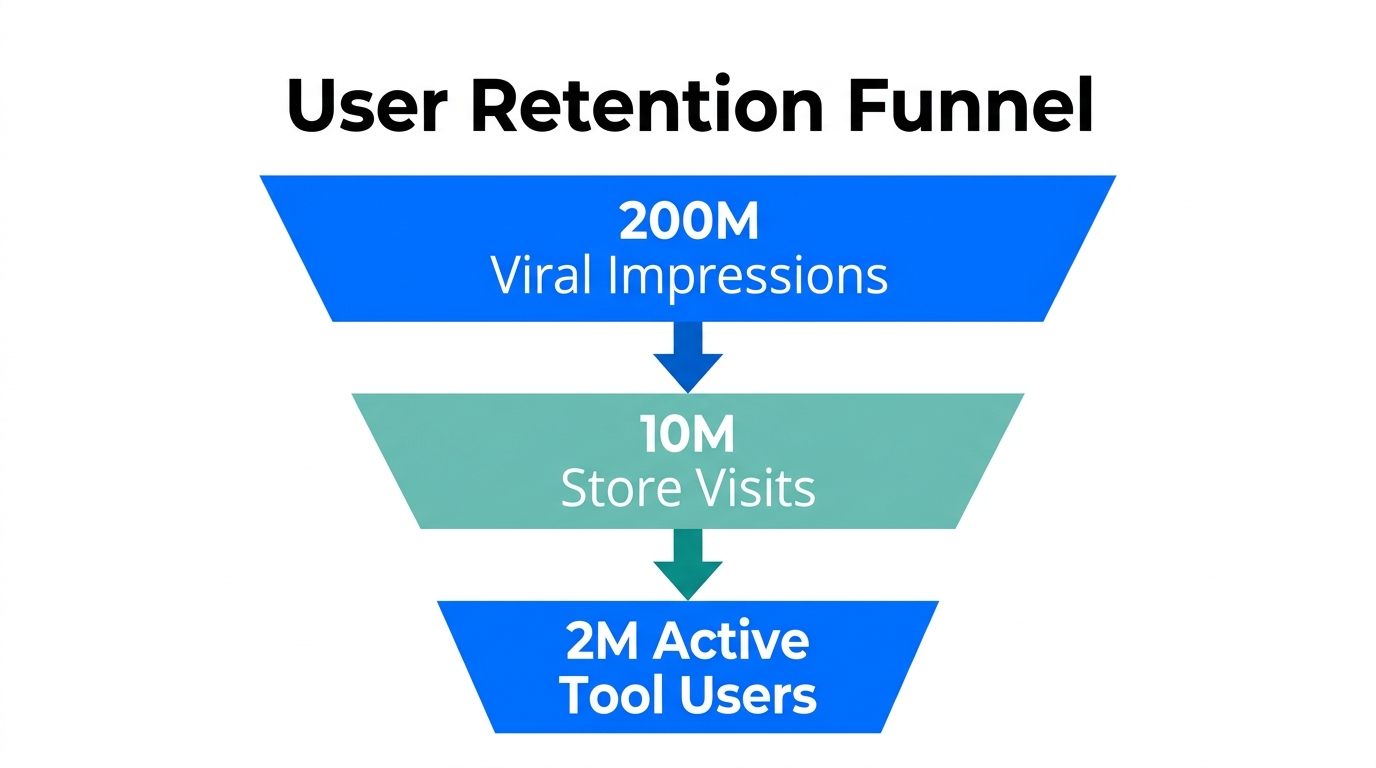
Once the viral traffic hits your app, the battle moves to monetization and retention. Coconote increased their initial trial conversion by 16% simply by doubling their onboarding length. In 2026, users expect a personalized experience. By asking questions about what they are studying, Coconote made the app feel like a custom-built solution.
They also utilized Superwall to test paywall placements, discovering that putting the paywall before the account creation login was a significant revenue driver. Furthermore, they implemented a 'Save the Sale' tactic via RevenueCat: if a user tried to cancel their trial, they offered a 7-day extension. This simple move saved 27% of potential churn.
Step 6: Setting Up an Automated Viral Detection System

The half-life of a viral format is shorter than ever. To stay ahead, your growth team needs an automated system. By combining competitive intelligence from SpyTok with the creator discovery power of Stormy AI, you can create a 24/7 feedback loop:
- Monitor: Set alerts for competitor keywords and outlier videos.
- Source: Find creators who match the 'vibe' of those successful outliers using Stormy AI.
- Execute: Ship 10-15 variations of the proven hook within 48 hours.
- Iterate: Track which variations drive the lowest CPI using tools like AppsFlyer.
Conclusion: The 2026 Growth Blueprint
The acquisition of Coconote by Quizlet proves that virality is a skill, not a stroke of luck. By focusing on repeatable use cases that are core to a user's identity—like studying or working out—and wrapping them in 'Wow' moments, you can build a sustainable, high-growth business. Whether you are building the next Ladder or a niche AI utility, the blueprint remains the same: spy on the outliers, hire marketers (not just faces), and never stop experimenting with your paywall flow on UX-optimized paywall flows.
Ready to find your 'Navy SEAL' creators and scale your app virality? Start your search on Stormy AI today and stop guessing what works.