In the high-stakes world of mobile app development, the traditional path to profitability is often described as a slow burn: build, launch, acquire, and eventually—months down the line—monetize. But in 2026, the landscape has shifted. We are seeing a new breed of founders who are generating six-figure revenue in their first 24 hours by leveraging sophisticated RevenueCat pricing strategies and the psychology of multi-tier lifetime deals. This isn't just about a good product; it's about a highly engineered mobile app growth stack designed to capture maximum value from the very first minute the app hits the store.
Consider the case of Floa, a yoga practice app that successfully generated over $120,026 in just one day. The founder, Ombberto, didn't rely on venture capital or a massive marketing team. Instead, he used a precise combination of tiered pricing psychology and real-time revenue analytics. This guide breaks down the exact playbook for scaling app revenue quickly using modern tools like RevenueCat and high-conversion launch sequences.
"The fastest way to validate an idea isn't a free trial; it's seeing if people will open their wallets for a lifetime vision of what you're building."
Setting Up RevenueCat for Multi-Tier Lifetime Deals
 4:41
4:41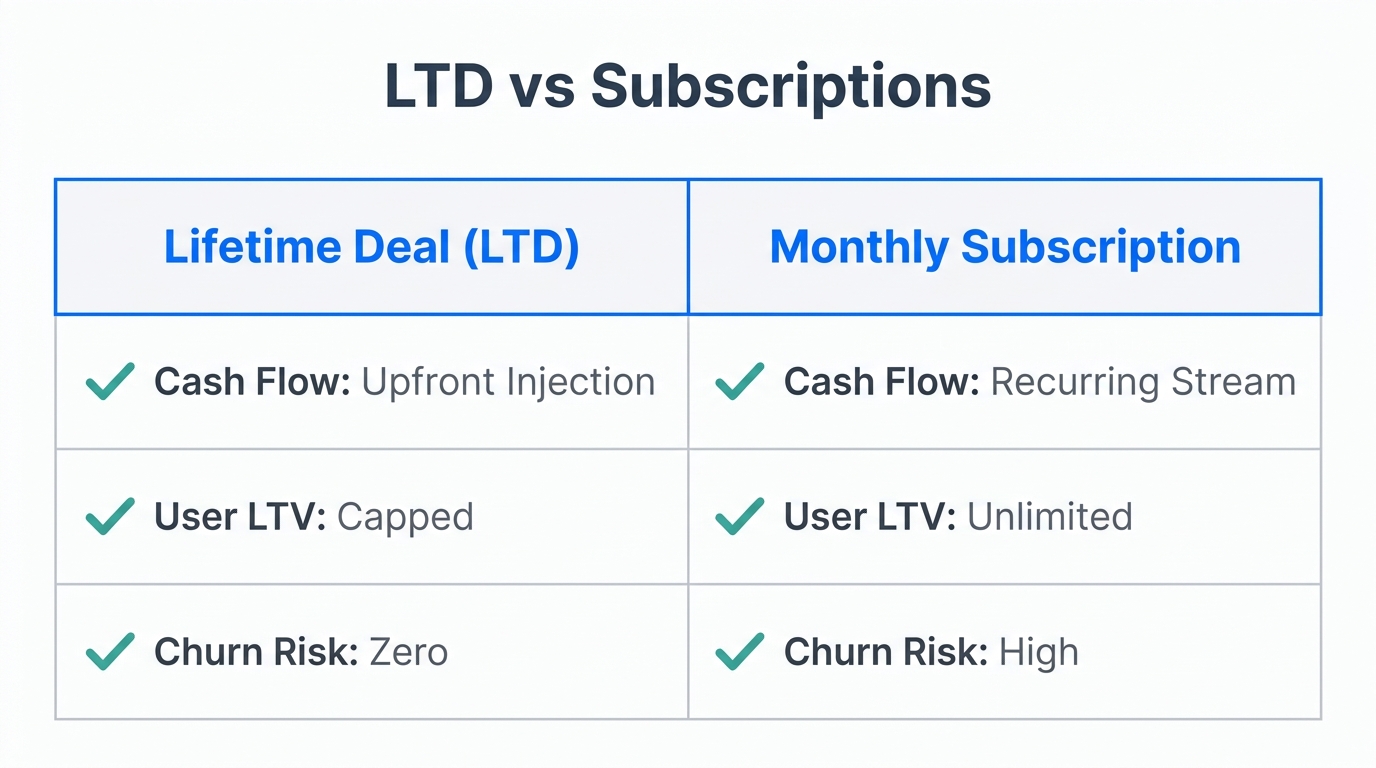
While most developers default to a standard monthly or yearly subscription, the 2026 revenue leader starts with a Lifetime Deal (LTD). Using RevenueCat to manage these entitlements allows you to maintain a clean transition from a high-cash-flow launch to a long-term recurring revenue model. Setting up an LTD in RevenueCat requires creating specific products within the App Store Connect and Play Store consoles and then mapping them to unique entitlements within the RevenueCat dashboard.
The strategic advantage of an LTD launch is immediate liquidity. By collecting 12–24 months of revenue upfront, you can immediately reinvest in TikTok Ads Manager or Meta Ads to fuel further growth. RevenueCat makes this seamless by allowing you to track "non-renewing subscriptions" or one-time purchases alongside your traditional cohorts, giving you a holistic view of your app store optimization for revenue 2026 metrics.
The Psychology of Pricing Anchors: $109, $199, and $349
13:57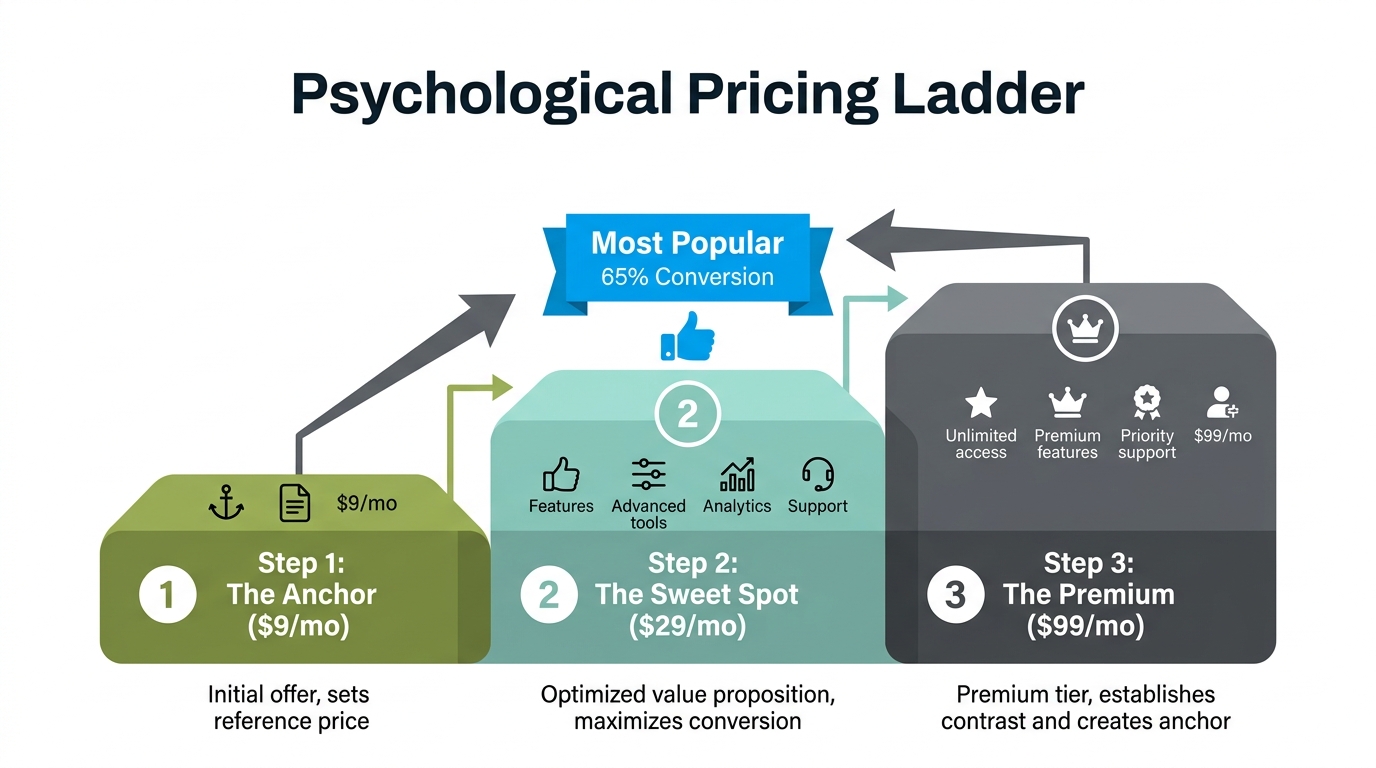
One of the most common mistakes founders make is pricing their app too low out of fear. In 2026, tiered pricing psychology is the gold standard for maximizing Average Revenue Per User (ARPU). Ombberto’s playbook utilized three distinct price points to guide users toward the highest value option. This strategy relies on "anchoring," where the lower tiers exist primarily to make the top tier look like the most logical choice.
| Tier Name | Price Point | Strategic Role |
|---|---|---|
| Starter Tier | $109 | The Entry Anchor. Includes basic features to capture the price-sensitive users. |
| Growth Tier | $199 | The Comparison Anchor. Offers more features but makes the Full Vision seem like a bargain. |
| Full Vision | $349 | The Profit Driver. Includes all current and future features. This tier usually sees the highest conversion. |
By presenting a $349 option alongside a $109 option, you are not just selling an app; you are selling a long-term investment. Users who are serious about the problem your app solves—whether it's yoga sequencing or productivity—will gravitate toward the "Full Vision" because it represents the maximum value for a one-time cost. This structure is essential for anyone looking for how to scale app revenue quickly.
The 2026 Growth Stack: Integrating OneSignal and Firebase
A successful launch isn't a single event; it's a 24-hour orchestration of data and messaging. The modern mobile app growth stack must be integrated so that every tool talks to the other. At the core, Firebase acts as the backend infrastructure, while RevenueCat manages the commercial layer. However, the secret weapon for launch-day conversion is often OneSignal.
By integrating OneSignal with your user data, you can send high-conversion launch day reminders. If a user has downloaded the app but hasn't purchased a tier within the first six hours of launch, an automated push notification can trigger a limited-time scarcity message. This reduces procrastination—the number one killer of launch-day revenue. Furthermore, hosting high-quality video demonstrations on a platform like Vimeo ensures that your marketing content looks professional and loads instantly across all devices.
"In 2026, your tech stack is your sales team. If your push notifications aren't synced with your real-time revenue data, you're leaving money on the table."
The Email Playbook: From Curiosity to Conversion
20:14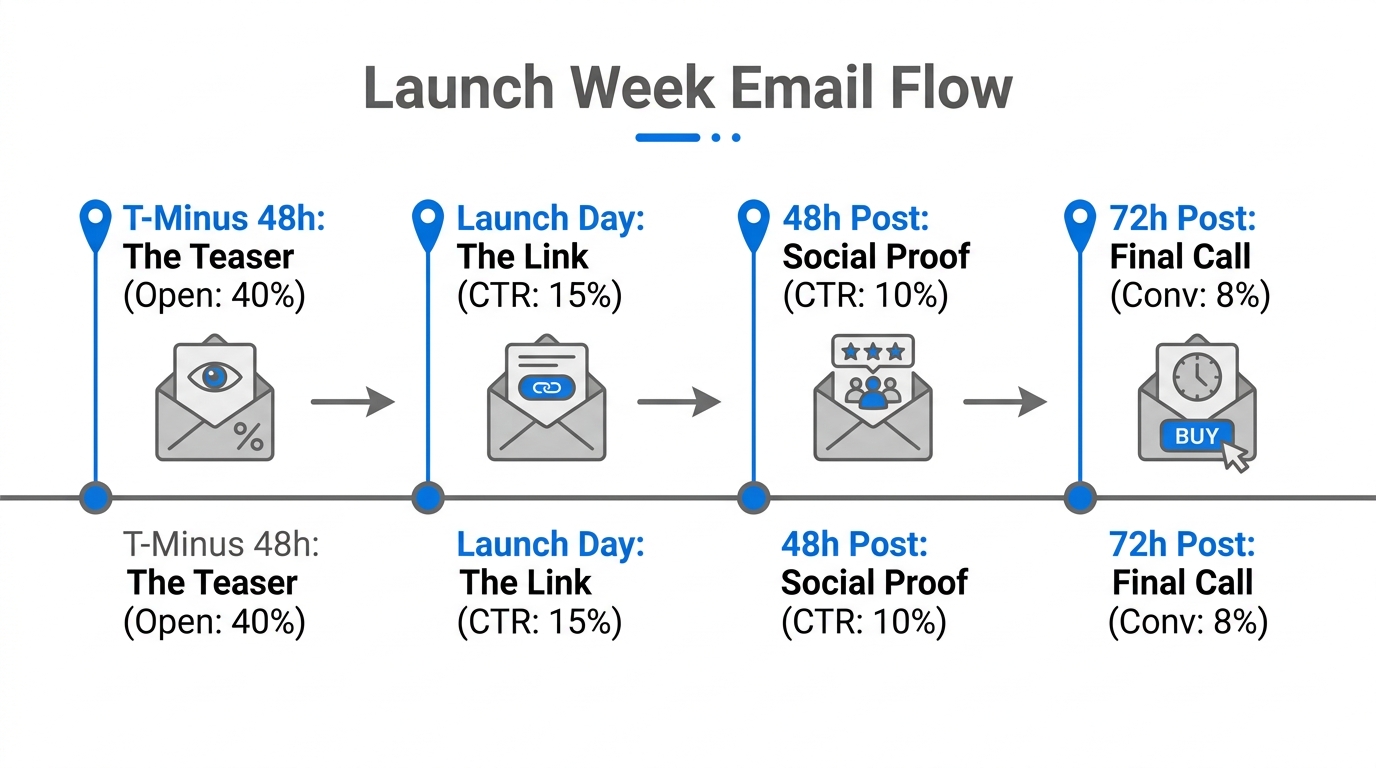
Before the first dollar is earned, a "warm-up" period is required. The 2026 strategy involves a 4-to-5-week email sequence that builds curiosity without revealing the price. Using tools like Klaviyo or Beehiiv, you can segment your audience based on engagement. The sequence should follow this structure:
- The Tease: Hints at a new project that solves a specific pain point.
- The Reveal: Shows the app in action via a screen recording or demo video.
- The Why: Explains the mission and the "Full Vision" of the product.
- The Scarcity: Announces the limited number of Lifetime Deal spots available.
- The Launch: A direct link to the purchase page with a clear 24-hour countdown.
For brands that need to find the right voices to amplify this sequence, platforms like Stormy AI allow you to discover creators who can review your app and drive traffic to your landing pages during the pre-launch phase. This multi-channel approach ensures that when the launch button is pressed, the audience is already primed to buy.
Managing Early Adopter Feedback via Telegram
One of the most overlooked benefits of a Lifetime Deal is the quality of the users you acquire. A user who pays $349 for an app is not a casual downloader; they are a stakeholder. In Ombberto’s launch, he created a dedicated Telegram group for lifetime buyers. This created a direct feedback loop that allowed the development team to squash bugs and prioritize features in real-time.
Unlike monthly subscribers who might churn quietly if they find a bug, lifetime buyers are incentivized to help you improve the product. They want their investment to grow in value. This community-led growth is a cornerstone of app store optimization for revenue 2026, as high-engagement users lead to better reviews and higher rankings in the App Store algorithm.
Analyzing Revenue Dashboards to Pivot Marketing Spend
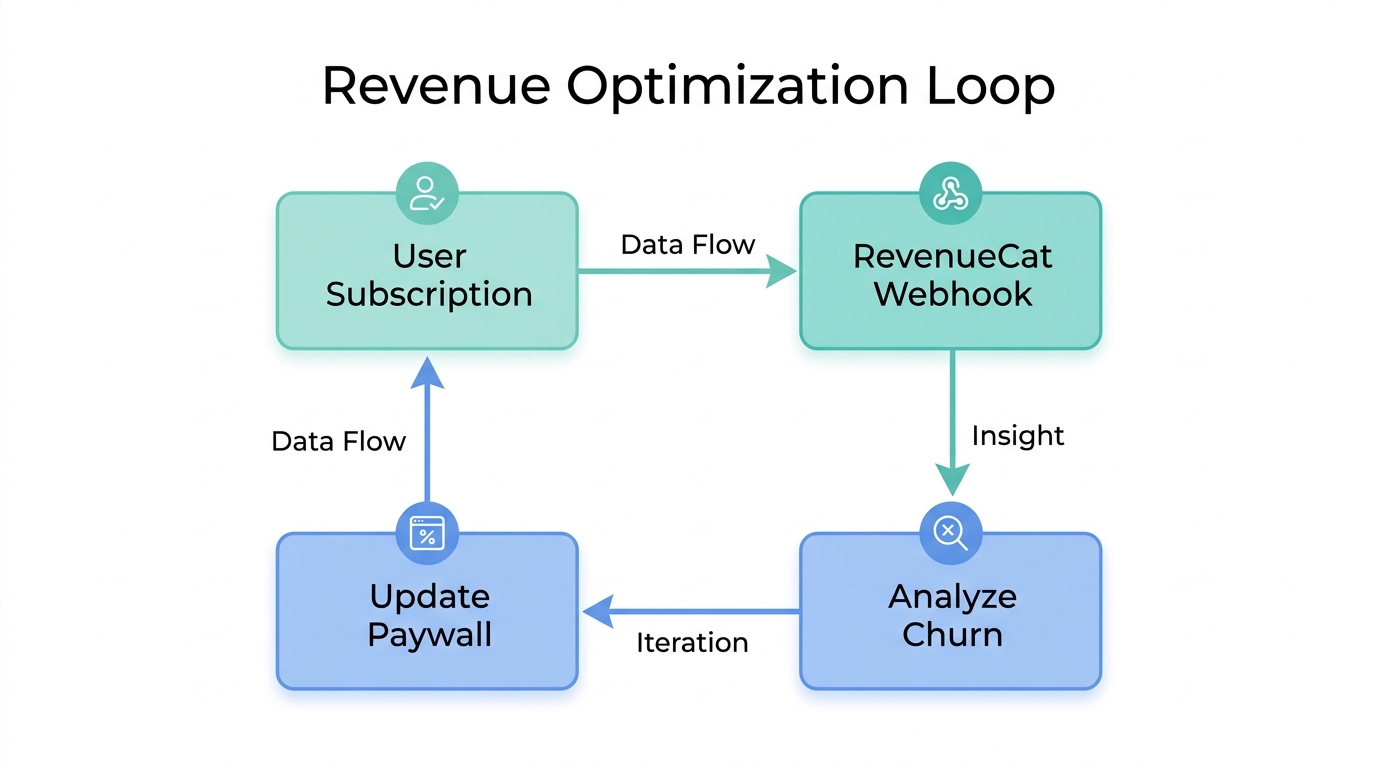
During a 24-hour launch window, you cannot afford to wait for end-of-day reports. You need to analyze real-time revenue dashboards to decide where to allocate your remaining ad budget. If you see a spike in conversions from Apple Search Ads but a lag in Google Ads, you must pivot instantly.
RevenueCat’s real-time charts allow you to see exactly which products are being purchased and from which regions. In 2026, this data should be paired with influencer performance tracking. If you are running a campaign with creators found through Stormy AI, you can monitor which creator's audience is actually converting into high-tier buyers, allowing you to double down on those partnerships mid-launch.
The Bottom Line for 2026 App Launches
Scaling app revenue quickly in 2026 requires a departure from the "free-to-play" mindset. By implementing a RevenueCat pricing strategy that centers on multi-tier lifetime deals, you can generate the capital necessary to build a sustainable, world-class product. Use the $109, $199, and $349 tiers to anchor your value, integrate your growth stack for automated reminders, and treat your early adopters as the community they are.
Remember, perfection is the enemy of the launch. As the Floa story proves, shipping a "minimum launchable product" with a high-conviction pricing strategy is the most effective way to validate your idea and fund your future development. Whether you are building with AI or traditional code, the 2026 playbook remains the same: validate, anchor, and automate.