In the early 1980s, a 5'5" Brooklyn native named Larry Joltin became a national phenomenon not by selling software or high-tech gadgets, but by selling shoes. Working out of Reyer’s Shoe Store in Sharon, Pennsylvania—then the World’s Largest Shoe Store—Joltin moved a staggering 9,000 pairs of shoes annually. In today’s currency, his peak sales volume would equate to roughly $1.5 million in annual revenue. Joltin wasn't just a salesman; he was a master of hyper-personalization before the term even existed. As we look toward the experiential retail trends of 2025, the industry is circling back to Joltin’s core philosophy: that authority, precision fitting, and obsessive follow-up are the only ways to win in a crowded market.
Beyond the Brannock Device: The Rise of 3D Precision
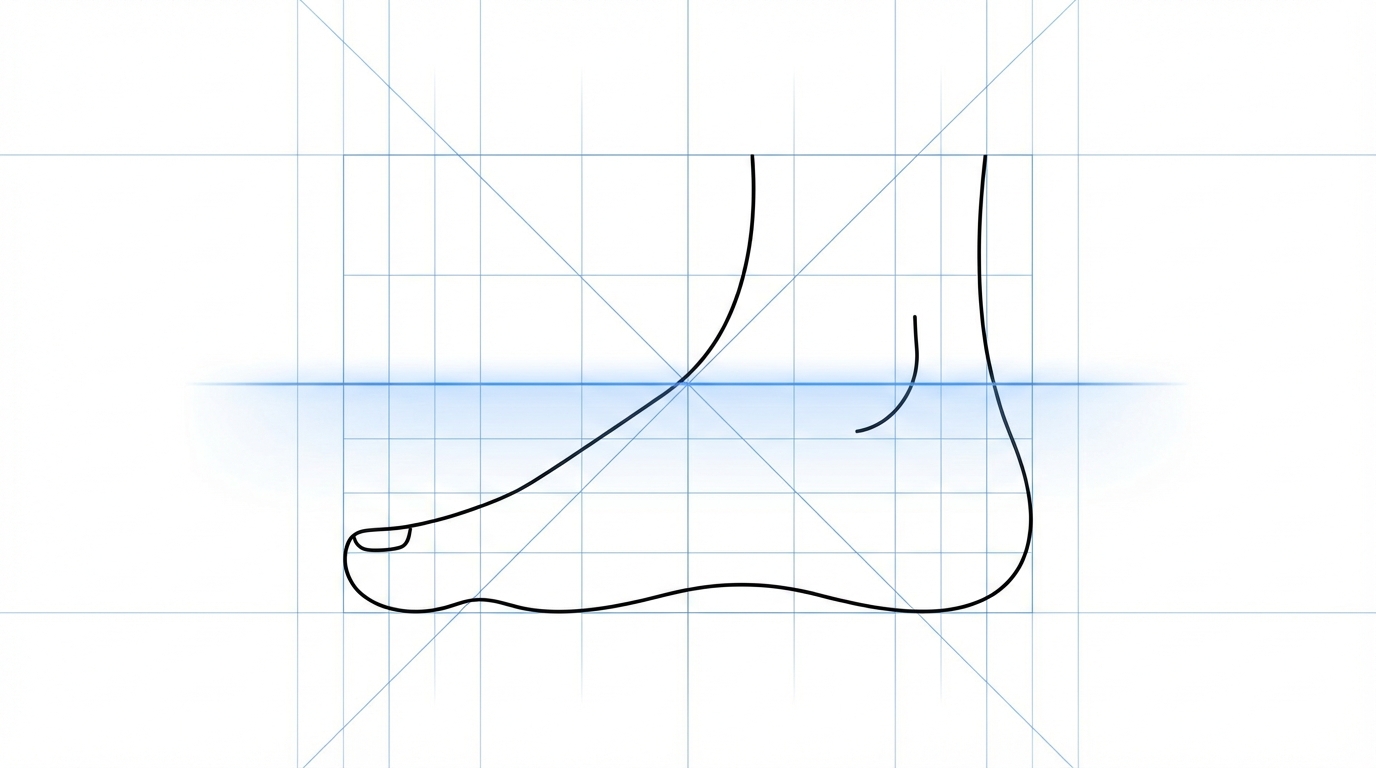
For decades, the metal Brannock device was the gold standard for footwear measurement. Larry Joltin famously lived by the "Taking Charge" theory, insisting on measuring every customer himself because he believed most people hadn’t been measured in 12 years and were likely wearing the wrong size. In the future of the footwear industry, this manual authority is being replaced by 3D foot scanning technology. Platforms like Volumental provide a level of precision that Joltin could only have dreamed of, creating a digital profile of a customer's feet in seconds.
The shift toward customer experience technology isn't just about the "cool factor." It is a direct response to the massive 30-40% return rates currently plaguing online footwear sales. By adopting a "fit-first" renaissance, retailers are seeing that customers who sit down for a professional fitting—whether via an AI-powered scanner or a highly trained associate—convert at much higher rates. In fact, top-performing specialty shoe stores aim for a conversion rate of 80% or higher for visitors who engage in the fitting process.
Hyper-Personalization: The AI-Driven 'Expert Pick'
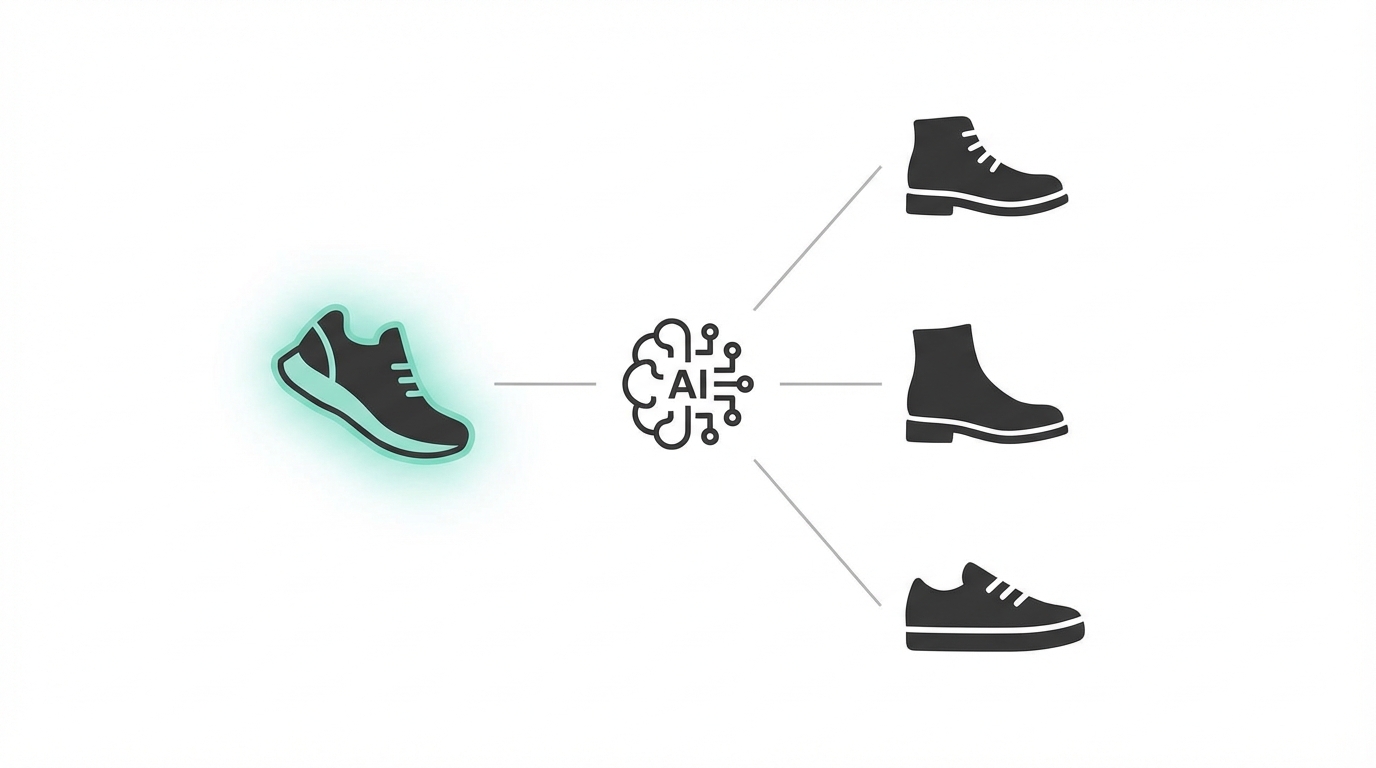

One of Joltin’s most effective tactics was the "Back Room Play." He would never bring out just the pair a customer asked for; he would bring three: the requested pair, the pair they actually needed based on their foot shape, and a "surprise" third option. This strategy maximized average order value (AOV) by creating an authority-driven discovery process. Today, retail personalization AI is scaling this exact methodology for digital storefronts.
Modern retailers use tools like Bluecore to trigger real-time inventory suggestions and "complete the look" bundles based on past purchase behavior and 3D fit data. Instead of a salesman running to the back room, the AI populates an "Expert Picks" section on the checkout page. This digital authority is further bolstered by social proof; using platforms like Yotpo allows brands to display customer reviews and user-generated content (UGC) that highlights how a specific shoe fits real-world feet.
The Persistence Engine: Scaling the Personal Touch

Larry Joltin’s success wasn't limited to the 15 minutes he spent with a customer on the sales floor. He was legendary for his automated persistence—though back then, it was entirely manual. He made follow-up phone calls, sent handwritten notes, and even delivered shoes to customers' homes during his off-hours. He understood that a sale is just the beginning of a customer’s lifecycle.
In 2025, retailers are scaling this level of care through automated SMS and loyalty platforms. Leveraging Klaviyo allows brands to send hyper-personalized post-purchase engagement sequences. If a customer bought a pair of high-performance running shoes, the system can automatically send a series of texts regarding gait analysis, local running clubs, or a reminder to replace the insoles after 300 miles. This isn't spam; it's Joltin-level service at a global scale.
For brands that lean heavily into social commerce and community-building, managing these relationships requires sophisticated infrastructure. Tools like Stormy AI can help source and manage UGC creators at scale, ensuring that the "real people" advocating for your brand's fit and comfort are integrated directly into your marketing funnel and CRM. This bridges the gap between the high-touch service of a local shop and the reach of a global e-commerce giant.
Solving the $588 Billion Churn Problem
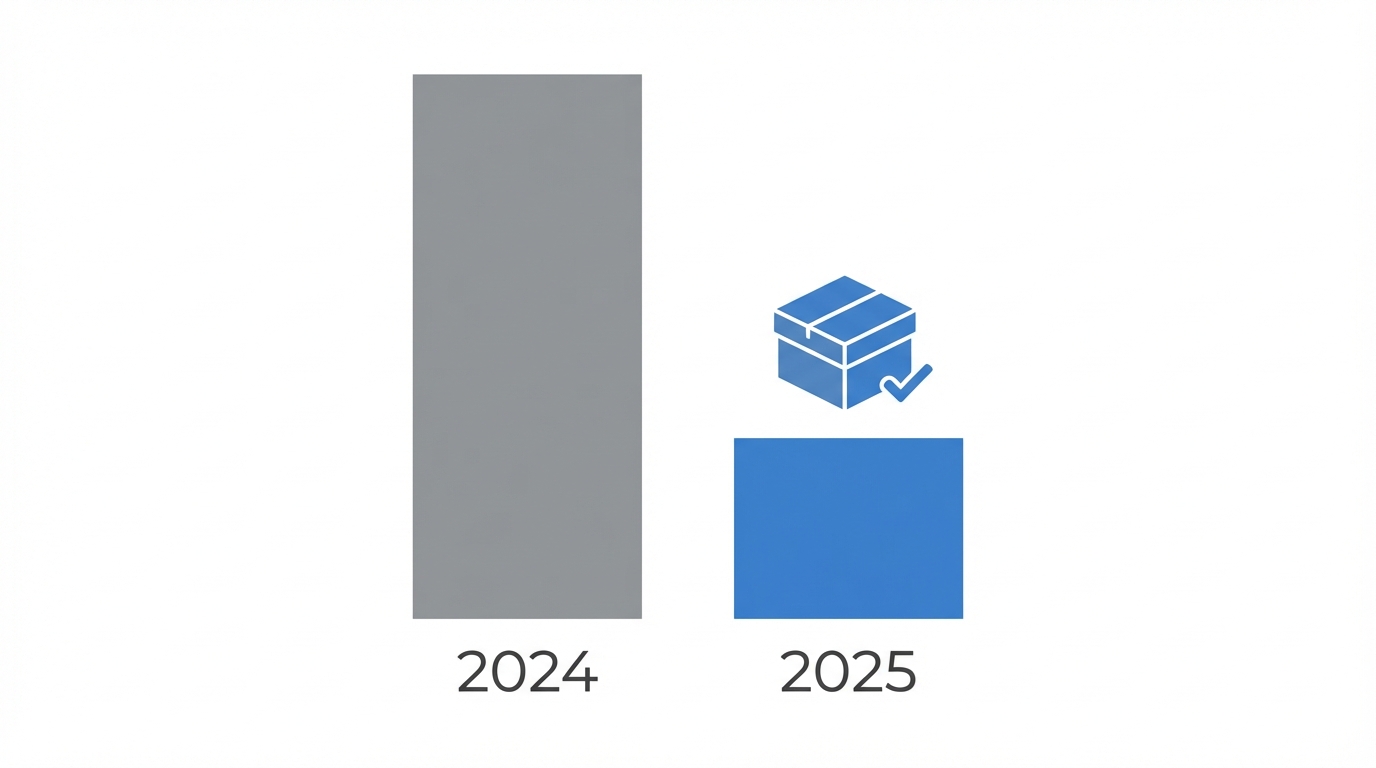
The global footwear market is projected to hit $588 billion by 2030, according to market data from Grand View Research. However, growth is being stifled by the cost of returns. In the footwear industry, returns are often a "fit issue" rather than a "product issue." By returning to the "fit-first" model, brands can dramatically reduce churn and improve customer satisfaction.
While e-commerce continues to grow, Forbes reports that 80% of retail transactions still occur in physical stores. This highlights a critical trend in experiential retail 2025: the store is becoming a service hub rather than just a warehouse for inventory. Even historic institutions like Reyer’s have adapted; after relocating to the Eastwood Mall in 2021, they maintained their massive inventory depth and "service-first" philosophy, proving that modern consumers still crave professional guidance.
The New Retail Playbook: Service as the Product
The transition from product-focused to service-focused retail layouts is one of the most significant experiential retail trends of 2025. Retailers are moving away from traditional rows of shelving and toward interactive zones. Following the lead of destinations like Dick's House of Sport, footwear retailers are installing mini-tracks, pressure-plate gait analysis sensors, and AI-powered kiosks.
To succeed in this environment, sales associates must move away from the counter. Joltin’s Rule #1 was simple: "If you're standing still, you're not selling." Modern retail data from Placer.ai suggests that stores with active, high-engagement floor staff see significantly higher foot traffic and repeat visits. This engagement starts with personalized discovery questions—not "What size do you wear?" (which Joltin considered a fatal error), but rather, "Let's check your measurement to see how this specific brand fits today."
Conclusion: The Authority of the Fit
The future of the footwear industry isn't just about better materials or faster shipping; it’s about the authority of the fit. Larry Joltin proved that customers will travel from a 75-mile radius—drawing from major hubs like Pittsburgh and Cleveland to a small town in Pennsylvania—if they know they will be treated with expertise.
In 2025, the tools have changed, but the psychology remains the same. By combining 3D foot scanning, retail personalization AI, and automated retention strategies, brands can scale the magic of a legendary salesman. Whether you are a local boutique or a global brand, the goal is to move from being a commodity provider to a trusted authority. Start by measuring the foot, and you’ll end by winning the customer for life.